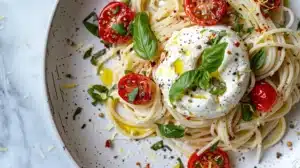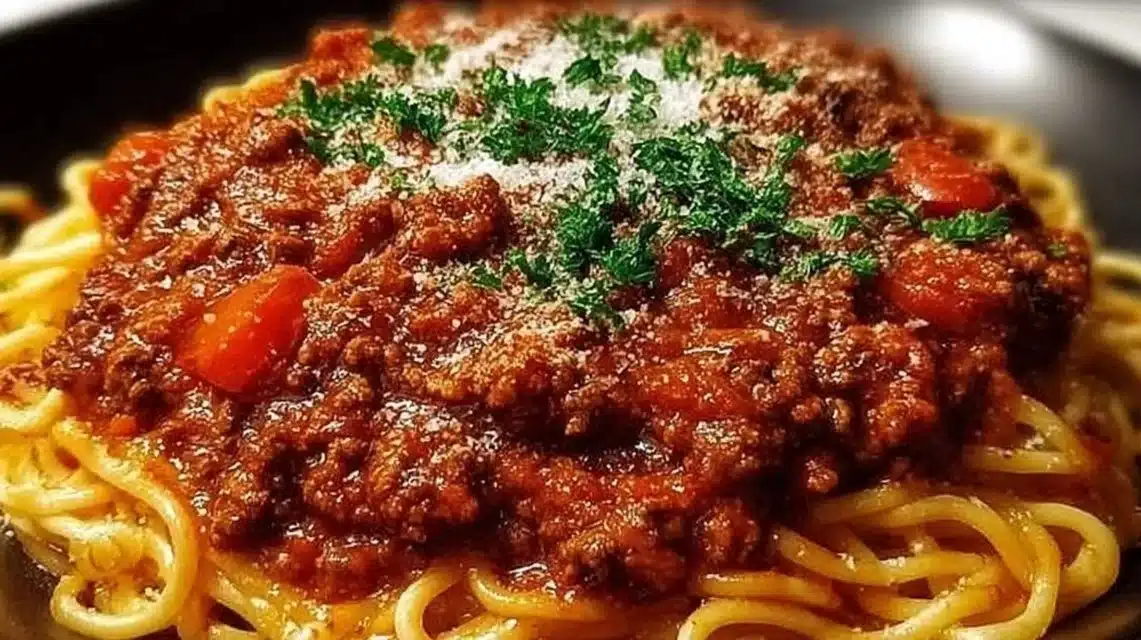
This 130-Year-Old Italian Spaghetti Sauce tastes like warm, tomato-forward comfort with a bright herb finish. The crushed tomatoes give a smooth but slightly chunky texture, while a spoon of tomato paste deepens the color and body. Garlic and onion melt into the sauce for a mellow base, and dried herbs keep it simple and pantry-friendly. It’s easy to make on weeknights—hands-on time is short and the stove does the rest—yet it still feels special. Serve it over your favorite pasta and finish with torn fresh basil leaves for a clean, fresh hit; if you want a similar rustic take, compare it to our Amogio sauce guide for another simple Italian-style sauce.
Why You’ll Love This 130-Year-Old Italian Spaghetti Sauce
- Hands-off simmering: once it’s on low heat, you can walk away and let flavors meld.
- Simple pantry ingredients that most kitchens already have.
- Deep, balanced tomato flavor from crushed tomatoes + tomato paste.
- Mild garlic-onion backbone that won’t overpower the pasta.
- Fresh basil finish lifts the whole dish and adds color.
- Flexible: works with any pasta shape, meatballs, or as a base for other dishes.
- Fast enough for weeknights but polished enough for casual guests.
- Uses dried herbs for long shelf life, so it’s always ready to make.
What Is 130-Year-Old Italian Spaghetti Sauce?
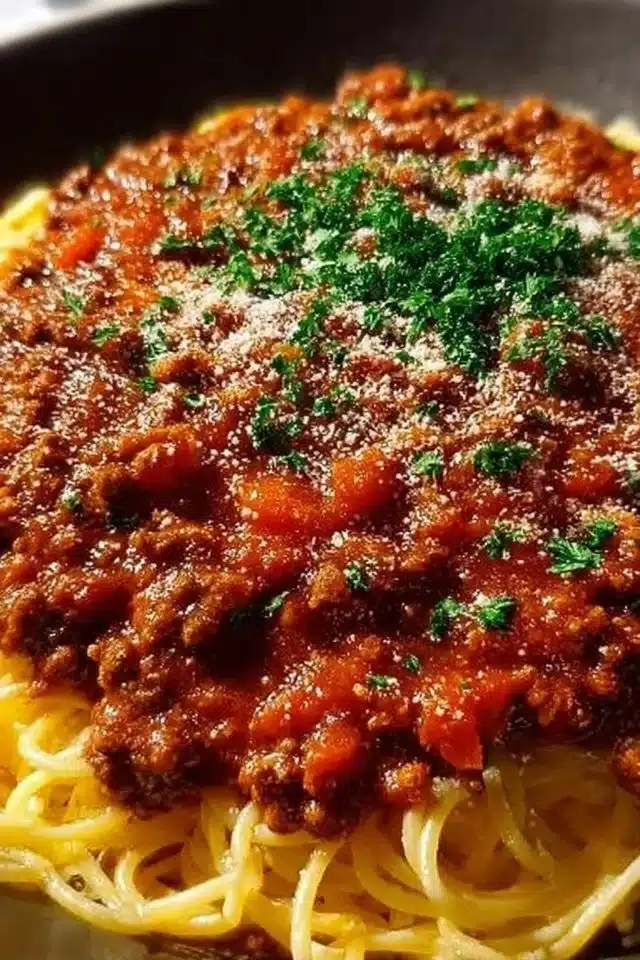
This sauce is a classic, straightforward Italian-style tomato sauce named to evoke a long family tradition. It tastes bright and tangy from crushed tomatoes, rounded by tomato paste and softened aromatics. Texture is mostly smooth with gentle tomato pieces; not chunky but not totally puréed. The cooking method is stove-top simmering: sauté onion and garlic, add tomatoes and herbs, then simmer low to marry flavors. The vibe is pure comfort food—perfect for weeknight dinners, casual Sunday pasta, or a simple meal with fresh bread and a salad.
Ingredients for 130-Year-Old Italian Spaghetti Sauce
For the Base
- 2 tablespoons olive oil (about 30 ml)
- 1 onion, finely chopped
For the Sauce
- 2 garlic cloves, minced
- 1 can (28 ounces) crushed tomatoes (about 800 g)
- 1 tablespoon tomato paste
- 1 teaspoon dried oregano
- 1 teaspoon dried basil
- Salt and pepper to taste
To Serve
- Fresh basil for garnish
Ingredient Notes (Substitutions, Healthy Swaps)
- Olive oil: Use any neutral oil if you prefer, but olive oil gives the best Italian flavor.
- Onion: Yellow or sweet onion works well; red onion is okay in a pinch but gives a sharper taste.
- Garlic: Fresh is best for fragrance. If you only have jarred garlic, use about 1 teaspoon (optional).
- Crushed tomatoes: If you have whole peeled tomatoes, crush them by hand or pulse briefly in a blender. Do not add extra liquid.
- Tomato paste: No real substitute for boosting body and color; if you don’t have it, simmer slightly longer to reduce and thicken.
- Dried oregano and basil: Use fresh herbs instead as an optional swap—add fresh basil at the end and fresh oregano near the end of simmering.
- Salt and pepper: Start small; you can always add more after simmering. For lower-sodium diets, reduce salt and enhance herbs and acidity with a splash of lemon at the end (optional).
Step-by-Step Instructions
Step 1 – Heat the oil and soften the onion
Heat 2 tablespoons olive oil in a large saucepan over medium heat. Add the finely chopped onion and cook, stirring, until soft and translucent, about 5 minutes.
Visual cue: The onion should be glossy and nearly clear, not browned.
Step 2 – Add garlic
Stir in the 2 minced garlic cloves and cook for another minute until fragrant. Watch it closely so it doesn’t burn.
Step 3 – Add tomatoes and paste
Pour in the 1 can (28 ounces) crushed tomatoes and stir in 1 tablespoon tomato paste until evenly mixed. The paste will dissolve and thicken the sauce base.
Step 4 – Season the sauce
Add 1 teaspoon dried oregano, 1 teaspoon dried basil, and salt and pepper to taste. Stir well to distribute the herbs.
Step 5 – Bring to a simmer, then reduce
Bring the sauce to a gentle simmer over medium-low heat. Once it reaches a simmer, reduce the heat to low.
Step 6 – Cook to deepen flavors
Let the sauce cook on low for at least 30 minutes, stirring occasionally. The long, gentle simmer helps the flavors meld and the sauce to thicken.
Pro cue: If the sauce seems too thin after 30 minutes, simmer uncovered for another 10–15 minutes; if it’s too thick, add a tablespoon of water at a time.
Step 7 – Final seasoning and serve
Taste and adjust salt and pepper as needed. Serve over your favorite pasta and garnish with fresh basil leaves.
Pro Tips for Success
- Use medium heat to soften the onion; high heat will brown it and change the flavor profile.
- Mince garlic finely and add it after the onion to avoid burning.
- Stir the tomato paste into the oil and onions briefly before adding crushed tomatoes to bloom its flavor.
- Simmer low and slow for a fuller taste—30 minutes is the minimum.
- If you need thicker sauce, cook uncovered on low, stirring occasionally.
- Keep a ladle handy to skim any foam or excess oil from the surface for a cleaner sauce.
- Save some fresh basil to tear over each plate right before serving for a bright finish.
Flavor Variations
- OPTIONAL — Spicy: Add a pinch (or more) of crushed red pepper flakes with the dried herbs.
- OPTIONAL — Smoky: Stir in 1/2 teaspoon smoked paprika near the end for a subtle smoky note.
- OPTIONAL — Herby: Replace 1/2 teaspoon dried basil with 1/2 teaspoon dried thyme for a different herb profile.
- OPTIONAL — Creamy: Stir in 1–2 tablespoons unsalted butter or a splash of cream at the end for richer texture.
- OPTIONAL — Veg-forward: Sauté finely chopped carrot with the onion for added sweetness and body.
- OPTIONAL — Garlic-forward: Roast extra garlic and mash it into the sauce at the end for a deeper, sweeter garlic flavor.
Serving Suggestions
- Toss with spaghetti, linguine, or rigatoni and top with torn fresh basil.
- Use as the base for meatballs—serve over polenta or pasta.
- Spoon over grilled vegetables or roasted chicken as a simple sauce.
- Make a quick baked pasta: mix cooked pasta with sauce, top with cheese, and bake until bubbly (optional cheese).
- Serve with crusty bread or garlic bread to soak up the sauce.
- Plate with a simple green salad and olive oil–lemon dressing for balance.
Make-Ahead, Storage & Reheating
- Make-ahead: The sauce stores well in the fridge for flavor to deepen—make it a day ahead and reheat gently.
- Storage duration: Refrigerate in an airtight container for up to 4 days.
- Reheating: Warm on low in a saucepan, stirring occasionally to prevent sticking. Add a splash of water if the sauce appears too thick. Microwave reheating works too—cover and heat in 30–45 second bursts, stirring between intervals.
- Texture changes: The sauce may thicken in the fridge; loosen it with a tablespoon of water or olive oil when reheating.
Storage and Freezing Instructions
- To freeze: Cool the sauce completely, then transfer to freezer-safe containers or resealable bags, leaving headspace. Freeze for up to 3 months. Thaw in the refrigerator overnight before reheating.
- Freezing tips: Portion into 1- to 2-cup containers for easier thawing and use.
- If you don’t want to freeze: keep refrigerated and use within 4 days. Freezing preserves flavor best for long-term storage.
Nutrition Facts (Per Serving)
Calories | Protein | Carbs | Fat | Fiber | Sodium
— | —: | —: | —: | —: | —:
150 kcal | 3 g | 16 g | 8 g | 4 g | 400 mg
Estimates vary by brands and portions.
FAQ About 130-Year-Old Italian Spaghetti Sauce
Q: Why is my sauce too thin?
A: Simmer uncovered on low until it reduces. Stir every 5–10 minutes and cook longer until desired thickness.
Q: Why does my sauce taste flat?
A: It may need salt or time. Add a pinch of salt, simmer a little longer, and finish with fresh basil for brightness.
Q: Can I use fresh tomatoes instead of canned?
A: Yes—peel, seed, and crush ripe tomatoes, but you may need longer to cook down for the same body.
Q: How long should I simmer this sauce?
A: At least 30 minutes. For deeper flavor, simmer 45–60 minutes on low.
Q: Can I skip the tomato paste?
A: You can, but the sauce will be lighter and less thick. Simmer longer to concentrate flavors if you skip it.
Q: Can I make this vegan or vegetarian?
A: Yes. The base recipe is already vegetarian and vegan-friendly—no animal products are required.
TastyInspo Notes
- Finish each bowl with fresh basil torn by hand for the best aroma and appearance.
- Warm your serving bowls before plating to keep the sauce hotter longer.
- For a silky finish, stir in a small pat of butter just before serving (optional).
- Use a wide pasta shape like pappardelle or rigatoni to hold more sauce.
- If you add cheese when serving, choose a grate-friendly hard cheese and add it right before eating.
Troubleshooting
- Bland flavor: Add a pinch of salt, a touch more tomato paste, and fresh basil at the end.
- Sauce too thin: Simmer uncovered on low for 10–20 minutes until reduced.
- Sauce too thick: Stir in water or pasta cooking liquid 1 tablespoon at a time to loosen.
- Garlic burned: If garlic turns brown, start over with new garlic; burned garlic tastes bitter.
- Sauce tastes acidic: A small pinch of sugar or a pat of butter can mellow sharp acidity (optional).
- Sauce sticking to pan: Keep heat low and stir occasionally; add a splash of water if it begins to stick.
Final Thoughts
This 130-Year-Old Italian Spaghetti Sauce is simple, reliable, and full of honest tomato flavor. With a few pantry staples and a short simmer, you get a sauce that works on any pasta and adapts to many meals. Give it time on low heat and finish with fresh basil for the best result.
Conclusion
For a bit of history and another take on long-loved tomato sauces, see The 130-Year-Old Italian Spaghetti Sauce That’s Still Delicious Today for inspiration and context. 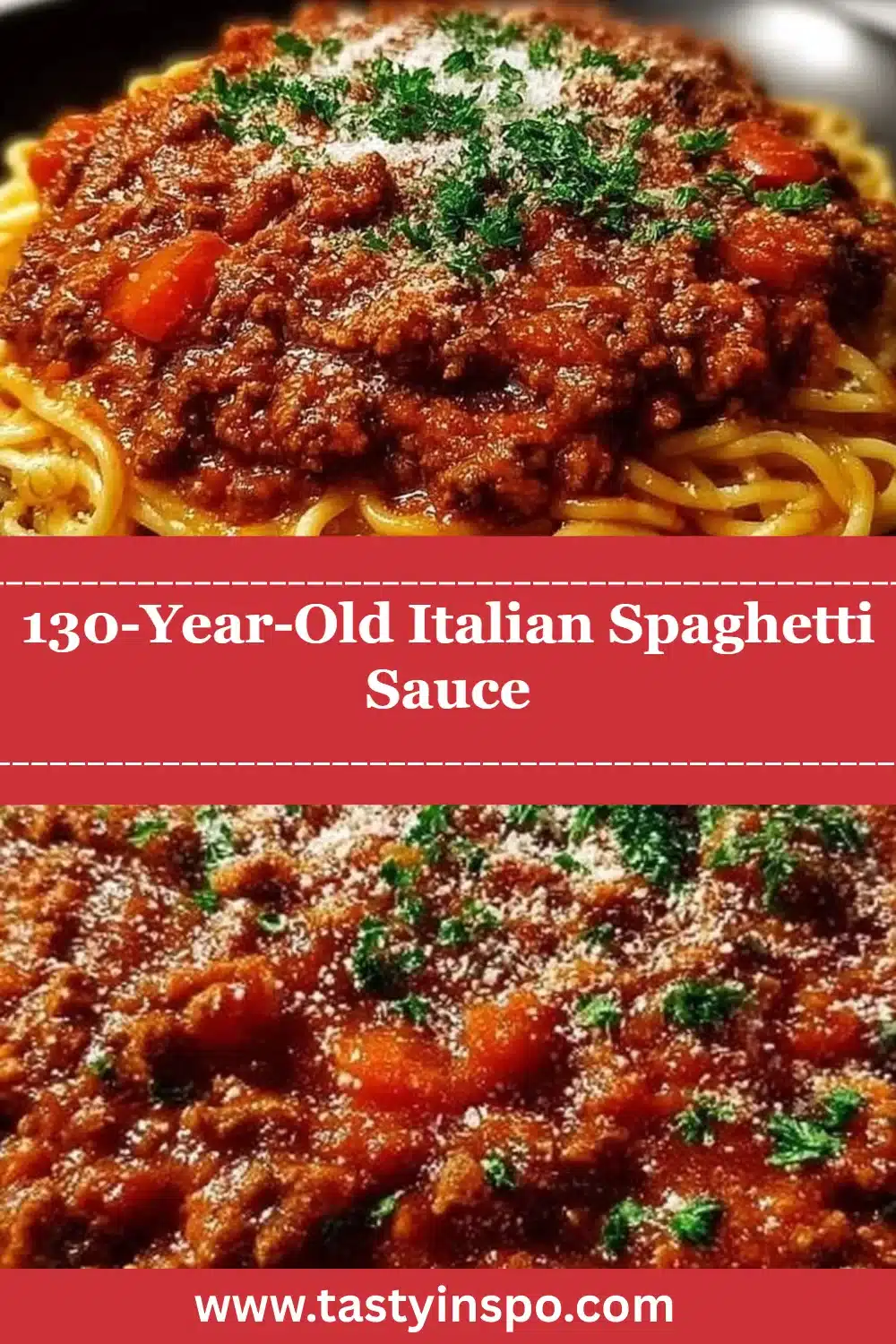
130-Year-Old Italian Spaghetti Sauce
This classic Italian tomato sauce is rich with flavors from crushed tomatoes, garlic, and dried herbs, making it a comforting and versatile addition to any pasta dish.
For the Base
- 2 tablespoons olive oil (Neutral oil can be used, but olive oil gives the best flavor.)
- 1 medium onion, finely chopped (Yellow or sweet onion works best.)
For the Sauce
- 2 cloves garlic, minced (Fresh garlic is best; use jarred if necessary.)
- 1 can (28 ounces) crushed tomatoes (Alternatively, crush whole peeled tomatoes.)
- 1 tablespoon tomato paste (No real substitute, but you can simmer longer to thicken if omitted.)
- 1 teaspoon dried oregano (Fresh herbs can be used as a swap.)
- 1 teaspoon dried basil (Fresh basil should be added at the end.)
- to taste salt and pepper (Start small as you can always adjust after simmering.)
To Serve
- to taste fresh basil (Torn leaves make a great garnish.)
Preparation
- Heat olive oil in a large saucepan over medium heat.
- Add the finely chopped onion and cook until soft and translucent, about 5 minutes.
- Stir in the minced garlic and cook for another minute until fragrant.
Cooking
- Pour in the crushed tomatoes and stir in the tomato paste until evenly mixed.
- Add oregano, basil, and salt and pepper to taste; mix well.
- Bring the sauce to a simmer over medium-low heat, then reduce to low.
- Let cook for at least 30 minutes, stirring occasionally to meld the flavors.
- Adjust seasoning before serving and garnish with fresh basil.
This sauce can be made ahead of time and stored in the fridge for up to 4 days. It also freezes well. For a thicker sauce, simmer uncovered to reduce.