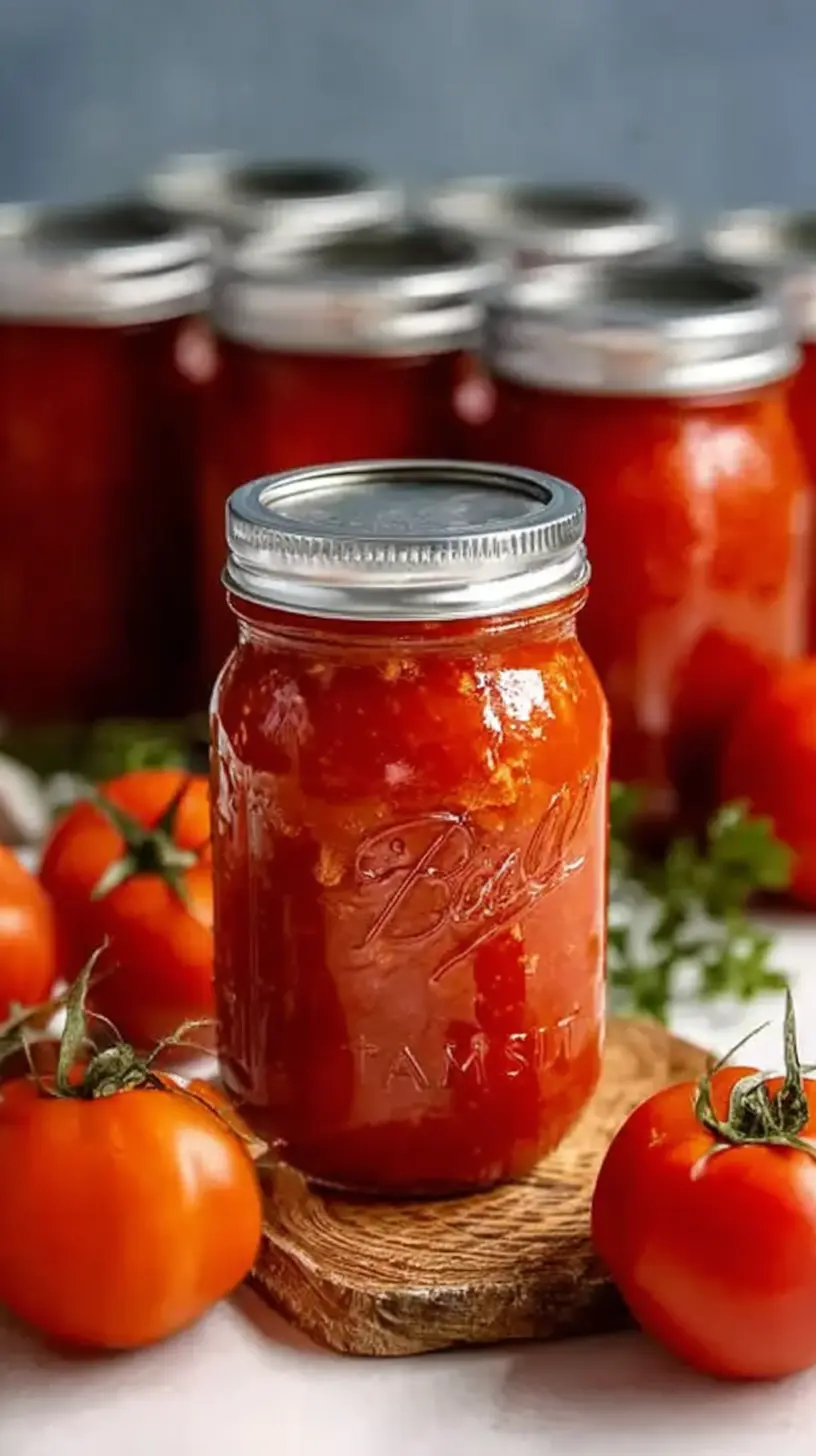
This tomato soup recipe for canning shows you exactly how to make a safe, delicious, dairy-free base that you can store on your pantry shelf and finish with cream (or broth) when you open a jar. We’ll use classic canning best practices—no flour or dairy in the jars, added acid for safety, clean headspace, and correct processing—so your soup tastes bright and fresh all year long. I’ll also include an optional pressure-canner path and helpful altitude notes so you can choose the method you prefer.
Why You’ll Love This Tomato Soup Recipe for Canning
- Pantry gold: Shelf-stable jars ready for cozy weeknights, lunch prep, and last-minute guests.
- No thickeners in the jar: You add milk/cream later, which keeps texture silky and canning safe.
- Flexible flavor: Classic basil–oregano profile with easy swaps (garlic, smoked paprika, chili flakes).
- Budget-friendly: Peak-season tomatoes = lower cost and sweet, concentrated flavor.
- Safe by design: Each jar gets bottled lemon juice or citric acid to ensure safe acidity for canning.
Ingredients for Tomato Soup Recipe for Canning
Yields about 4 pints (varies with tomato variety and reduction)
Core
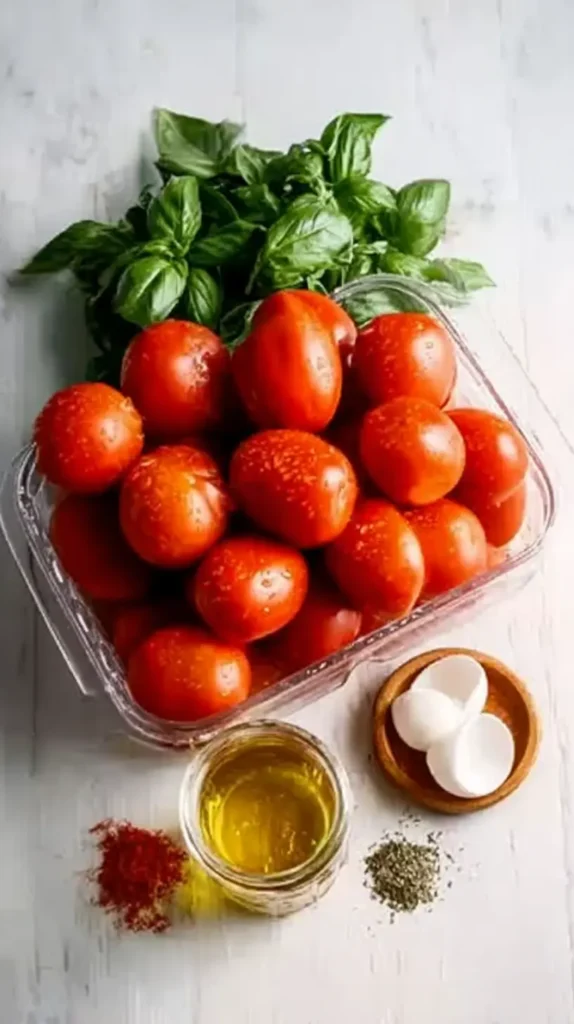
- Roma or paste tomatoes, 7 lb (or meaty garden tomatoes)
- Yellow onion, 1 cup, diced
- Water, ½ cup
- Tomato paste, 3 Tbsp
- Brown sugar, 3 Tbsp (optional but balances acidity)
- Dried basil, 2 tsp
- Dried oregano, 1 Tbsp
- Bay leaves, 2
- Granulated garlic, 2 tsp (or 3–4 fresh cloves, minced)
- Celery seed, 1 tsp
- Black pepper, ½ tsp
- Fine sea salt, 1½ tsp, or to taste
Required Acid (add to each jar before filling)
- Bottled lemon juice: 1 Tbsp per pint or 2 Tbsp per quart, or
- Citric acid: ¼ tsp per pint or ½ tsp per quart.
Bottled lemon juice is recommended because its acidity is standardized; fresh lemons can vary.
To Finish After Opening (not for canning)
- Milk, half-and-half, or cream (or dairy-free milk)
- Optional garnish: olive oil, fresh basil, parmesan, or crisp turkey bacon bits; for a meat-free smoky crunch, try roasted mushrooms
Equipment
- Large nonreactive pot
- Blender or food mill
- Canning funnel, jar lifter, clean towels
- Pint or quart canning jars with new lids
- Water-bath canner or a pressure canner
Step-by-Step Instructions
Step 1 — Cook the Tomatoes
- Wash tomatoes, core, and quarter. Dice onion.
- In a large pot, combine tomatoes, onion, and ½ cup water. Cover and simmer 30–60 minutes, stirring occasionally, until very soft and juicy.
Step 2 — Purée and Strain (Optional)
- Purée with an immersion blender or in batches in a countertop blender until smooth.
- For an ultra-smooth soup, pass the purée through a food mill or fine sieve to remove seeds and skins.
Step 3 — Season and Reduce
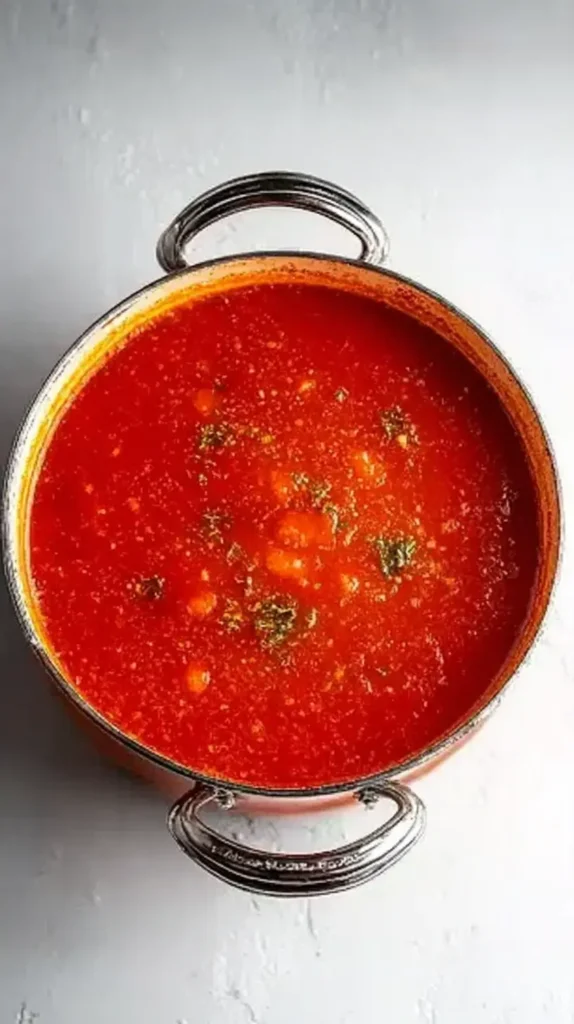
- Return purée to the pot. Stir in tomato paste, brown sugar, dried herbs, bay leaves, garlic, celery seed, pepper, and salt.
- Simmer about 60 minutes, uncovered, until slightly thickened and flavors meld. Stir often to prevent scorching. Taste and adjust salt.
Step 4 — Prepare Jars and Canner
- Wash jars, lids, and rings. Keep jars hot (in simmering water or a warm oven).
- Set up your boiling-water canner with enough water to cover jars by at least 1 inch; heat to a low simmer.
Step 5 — Acidify Each Jar
- Add 1 Tbsp bottled lemon juice per pint (2 Tbsp per quart) or ¼ tsp citric acid per pint (½ tsp per quart) to each empty, hot jar. This is essential for safe water-bath canning.
Step 6 — Fill, De-bubble, and Set Headspace
- Ladle hot soup into hot jars using a funnel, leaving ½-inch headspace.
- Slide a clean utensil around the inside to release trapped air; adjust headspace if needed.
- Wipe rims with a damp cloth, apply lids and rings fingertip-tight.
Step 7 — Process the Jars (Water Bath Method)
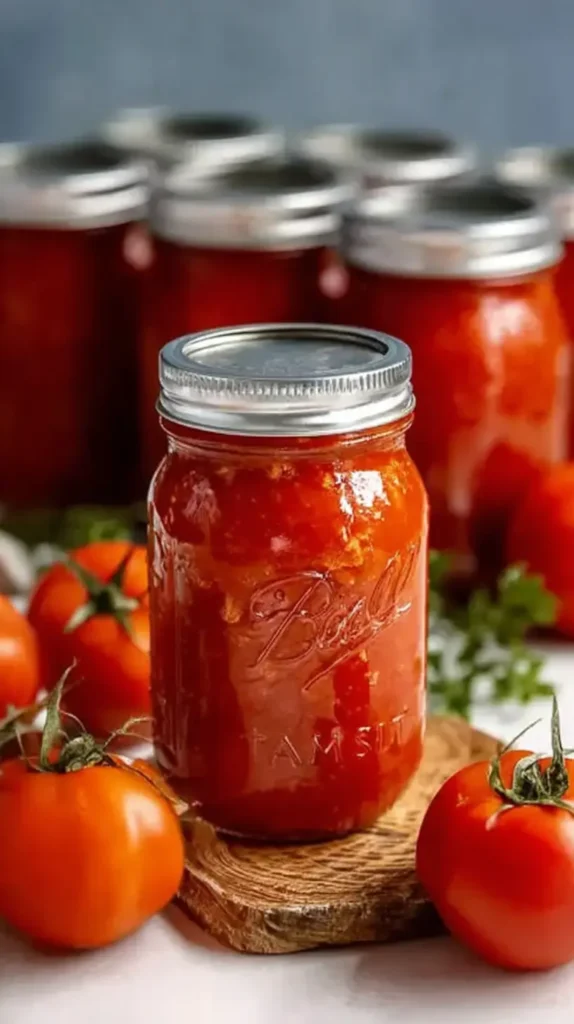
- Pints or quarts: Process 40 minutes at a full rolling boil (adjust for altitude). Remove, cool 12–24 hours, and check seals. Store sealed jars in a cool, dark place for up to one year.
Alternate: Pressure-Canning Path
- If you prefer to include more low-acid vegetables or reduce added acid, use a tested pressure-canned soup procedure. Follow your pressure canner’s manual and a reputable, tested soup guideline for jar sizes, pressures, and times.
Ingredient Notes (Substitutions & Smart Tweaks)
- Tomatoes: Paste types (Roma, San Marzano) cook down faster and provide body without thickeners. Juicier varieties may need extra reduction.
- Onion: Keep to about 1 cup per 7 lb tomatoes to maintain a safe acid balance.
- Herbs & spices: Dried herbs are stable. For heat, add ¼–½ tsp red pepper flakes. For smokiness, ½ tsp smoked paprika works well.
- Sweetness: Brown sugar softens acidity; adjust to taste or omit.
- Acid choice: Bottled lemon juice brightens; citric acid is flavor-neutral. Use the precise jar-by-jar amounts above.
- No dairy, no flour in the jar: Add cream, butter, or any thickener after opening.
- Meaty garnish idea: For “bacon bits,” cook turkey bacon crisp and sprinkle on bowls when serving.
- Vegetarian “bacon”: Deep-roast mushroom pieces for a savory, crispy topper.
Quick Recap
- Cook tomatoes and onion until soft.
- Purée (and strain if you like).
- Simmer with paste, sugar, herbs, and spices to reduce.
- Keep jars hot; prep canner.
- Add lemon juice or citric acid to each jar.
- Fill hot jars to ½″ headspace; wipe rims; apply lids.
- Water bath 40 minutes (adjust for altitude) or use an approved pressure-canner method.
Pro Tips for Success
- Start with ripe, firm tomatoes. Over-ripe or frost-killed fruit can be lower in acid and less flavorful.
- Use a food mill for the smoothest texture without seeds and skins.
- Prevent scorching by using a wide, heavy pot and stirring often while reducing.
- Measure acid into jars first so you won’t forget and it disperses evenly.
- Altitude matters: Above 1,000 ft, increase processing time per your trusted chart.
- Label jars with date and “add cream after opening.”
Flavor Variations (Add After Opening)
- Creamy Basil: Warm soup with a splash of cream and chopped fresh basil.
- Roasted Garlic: Stir in mashed roasted garlic and a drizzle of olive oil.
- Spicy Tomato: Add a pinch of cayenne and chopped pickled jalapeños.
- Smoky Parmesan: Finish with smoked paprika, olive oil, and grated parmesan.
- Red Pepper Twist: Blend in a little roasted red pepper for sweetness and body.
Serving Suggestions
- Grilled-cheese dippers: Cut sandwiches into batons for dunking.
- Mini meatballs or veg balls: Simmer tiny turkey meatballs or plant-based meatballs in the soup.
- Crunchy toppers: Garlic croutons, toasted pumpkin seeds, or crisp turkey bacon bits.
- Simple salad: Arugula with lemon and olive oil to balance richness.
Storage and Shelf Life
- Store sealed jars in a cool, dark place; best quality within 1 year.
- After opening, refrigerate and use within 3–5 days.
- You can freeze leftover finished soup (with cream), though texture may change slightly; re-blend if needed.
Nutrition Facts (Per 1-cup serving, canned base only — approximate)
| Nutrient | Amount |
|---|---|
| Calories | 90 |
| Protein | 3 g |
| Carbohydrates | 19 g |
| Total Fat | 1 g |
| Fiber | 4 g |
| Sodium | 340 mg |
Values vary by tomato variety, reduction level, and salt.
FAQ About Tomato Soup Recipe for Canning
Do I have to add acid if I’m pressure canning?
If you follow a tested pressure-canned soup procedure, additional acid may not be required. For water-bath canning, jar-by-jar acidification is essential. Choose one tested method and follow it exactly.
Why bottled lemon juice instead of fresh?
Bottled lemon juice has standardized acidity, while fresh lemons vary. Consistent acidity is crucial for safety. Citric acid is also reliable in the amounts listed above.
Can I add cream, butter, or flour before canning?
No. Dairy and thickeners reduce heat penetration and can cause spoilage. Add them when you open the jar.
What if I want a thicker soup?
Reduce longer in a wide pot. After opening, you can also thicken with a quick roux or add a splash of cream.
Can I add more vegetables?
Keep onions moderate in the base. If you want to include more low-acid vegetables (carrot, celery, peppers), use a tested pressure-canned soup method.
How long should I process the jars?
For this acidified base, 40 minutes in a boiling-water canner for pints or quarts is a common, published approach. Always adjust for altitude. If pressure canning, use the timing and pressure in the tested soup procedure you’re following.
My jars lost some liquid—are they safe?
Some siphoning can happen. If the lid sealed and there’s still safe headspace, the jar is typically fine. If a jar didn’t seal, refrigerate and use within a few days or reprocess within 24 hours with a new lid.
How do I finish the soup on serving day?
Warm the canned base, add milk, half-and-half, or cream (or broth), adjust seasoning, and garnish to taste.
Final Thoughts
A tomato soup recipe for canning is a smart way to capture summer flavor for cooler months. By keeping dairy and thickeners out of the jar, adding bottled lemon juice or citric acid per tested amounts, and processing correctly, you’ll have a bright, versatile soup base ready whenever you are. Serve it silky with cream and basil, spicy with chili and olive oil, or hearty with tiny turkey meatballs—the jar is just the beginning.
Tomato Soup Recipe for Canning — Simple & Proven
This tomato soup recipe for canning creates a safe, shelf-stable base that’s dairy-free and bursting with fresh flavor. Add cream after opening for a silky, comforting soup anytime—all made with canning best practices.
Soup Base
- 7 lb Roma or paste tomatoes (or meaty garden tomatoes)
- 1 cup yellow onion (diced)
- 0.5 cup water
- 3 tbsp tomato paste
- 3 tbsp brown sugar (optional)
- 2 tsp dried basil
- 1 tbsp dried oregano
- 2 bay leaves
- 2 tsp granulated garlic (or 3–4 fresh cloves, minced)
- 1 tsp celery seed
- 0.5 tsp black pepper
- 1.5 tsp fine sea salt (or to taste)
Jar Acidification (Add to Each Jar)
- 1 tbsp bottled lemon juice (per pint jar (or 2 tbsp per quart))
Wash, core, and quarter tomatoes. Dice onion. In a large pot, combine tomatoes, onion, and water. Simmer 30–60 minutes until very soft.
Purée soup using immersion or countertop blender. For smooth texture, strain through food mill or fine sieve to remove skins/seeds.
Return purée to pot. Add tomato paste, sugar, herbs, garlic, celery seed, pepper, and salt. Simmer uncovered for 60 minutes to reduce and blend flavors.
Wash jars, lids, and rings. Keep jars hot. Heat canning water to a low simmer in a water-bath canner.
Add 1 tbsp bottled lemon juice to each pint jar (or 2 tbsp per quart). Essential for safety.
Using funnel, fill hot jars with hot soup, leaving ½-inch headspace. De-bubble, wipe rims, and apply lids fingertip-tight.
Process jars in a boiling-water canner: 40 minutes for pints or quarts (adjust for altitude). Remove and cool. Store sealed jars in a cool, dark place.
Do not add dairy or flour to the jar. Add cream or broth after opening and reheating. For a pressure-canner option, consult a tested recipe for timing and pressure adjustments. Label jars with processing date and ‘add cream after opening.’