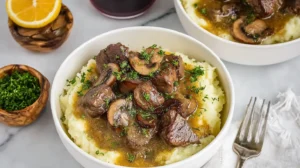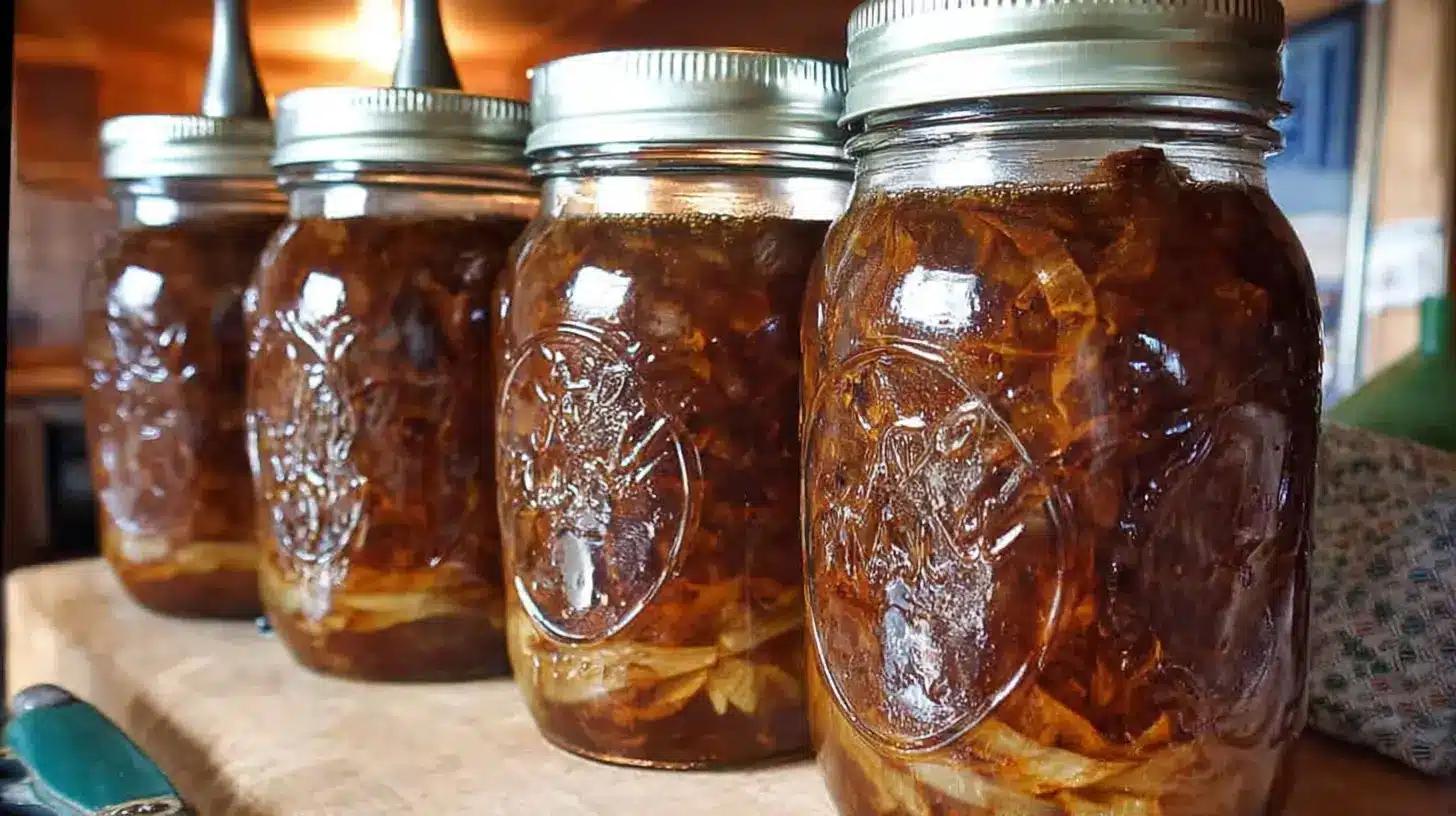
Canning French onion soup is a smart way to stock your pantry with a deeply savory, bistro-style base you can turn into dinner in minutes. This step-by-step guide walks you through how to properly caramelize a big batch of onions, build rich broth flavor without complicated extras, and pressure can the soup safely (no water bath).
You’ll learn exactly how to prep your jars, measure headspace, vent and process in a pressure canner, and cool the jars to avoid siphoning. Along the way, you’ll get flavor variations, serving ideas, storage tips, and a clear nutrition snapshot so you know exactly what’s going into your jars.
Whether you’re filling the pantry for winter or just love having a ready-made French onion soup base on hand, this canning French onion soup recipe gives you a reliable, repeatable method you can trust.
Why You’ll Love This Canning French Onion Soup
- Real caramelization, real flavor
Low-and-slow onions develop natural sweetness and deep umami, so you don’t need flour, thickeners, or extra tricks in the jars. - Meal-prep magic
Shelf-stable jars become dinner in minutes—just heat, top with toasted bread and melty cheese after opening, and broil. - Safe by design
This is a pressure-canned soup with no dairy or flour in the jars and 1 inch of headspace for dependable heat penetration. - Flexible broths
Use beef stock for classic depth, or switch to rich chicken or vegetable stock. Adjust salt based on your broth. - Budget-friendly
Onions are inexpensive, and a little patience during caramelization pays off with restaurant-level flavor for a fraction of the price. - Large-batch friendly
This method scales well, so you can make a generous batch of French onion soup for canning and future easy meals.
Ingredients for Canning French Onion Soup
Makes 6–8 pints (or 3–4 quarts), depending on reduction and jar packing.
Core Ingredients
- Yellow or sweet onions, 6–7 lb, peeled and thinly sliced (about 10–12 large onions)
- Olive oil, 3–4 Tbsp (or half oil/half butter for flavor; the butter cooks in before canning)
- Fine salt, 2–3 tsp, divided (adjust to taste and stock saltiness)
- Freshly ground black pepper, 1–2 tsp
- Dried thyme, 2 tsp (or 1 Tbsp fresh, minced)
- Bay leaves, 2
- Garlic, 3–4 cloves, minced (optional but lovely)
- Beef stock, 10–12 cups (or rich chicken/vegetable stock)
Brightness (Stock-Only Deglaze)
- Low-sodium stock, ½–1 cup, for deglazing the pan fond
- Apple cider vinegar or lemon juice, 1–2 tsp, added to the pot at the end to taste (for brightness; not a canning acid)
Optional Flavor Boosters (Add to Pot, Not Jars as Dairy/Flour)
- Worcestershire sauce, 1–2 tsp (check brand if you prefer anchovy-free)
- A small gelatin sheet or 1 tsp unflavored powdered gelatin, bloomed and whisked in off heat for body (optional; this adds mouthfeel, not thickness that blocks heat)
For Serving After Opening (Not for Canning)
- Toasted baguette rounds or crostini
- Grated Gruyère, Emmental, or Provolone (melt under broiler)
- Crisp garnish ideas: toasted pumpkin seeds, caramelized onion jam, or roasted mushrooms
Equipment
- Large heavy-bottomed pot or Dutch oven (wide surface for caramelizing)
- Long-handled wooden spoon or spatula
- Pressure canner (not a regular pressure cooker or Instant Pot)
- Pint or quart canning jars, new lids and rings
- Jar lifter, canning funnel, clean towels
- Ladle, bubble remover or chopstick
- Paper towels and white vinegar (for wiping rims)
Ingredient Notes (Substitutions & Better-for-You Swaps)
- Onions:
Yellow or sweet onions are classic for canning French onion soup. If using red onions, mix them with yellows to keep the flavor balanced and not overly sweet. - Fat choice:
Olive oil stands up well to the long caramelization time. A little butter adds extra depth, but keep amounts modest and cook it fully into the onions—avoid visible fat caps floating at the top before canning. - Broth:
Use the best-tasting broth you can. Unsalted or low-sodium broth gives you more control. Beef brings the most classic “French onion soup” flavor, chicken is lighter, and vegetable stock makes a satisfying meatless option. - Brightening the flavor:
Deglaze stuck-on bits with stock and finish with a small splash of apple cider vinegar or lemon juice. This gives the broth a clean, cozy brightness without needing any special deglazing liquids. - Seasoning:
Thyme and bay are traditional. You can add a pinch of smoked paprika for gentle warmth or a hint of ground mustard for a subtle backbone if you like. - No dairy, no flour in jars:
Keep the soup brothy and simple for safe pressure canning. Save the cheese, bread, and any thickeners for after you open the jar.
Step-by-Step Instructions
Step 1 – Slice and Sweat the Onions (20–30 Minutes)
Prep the onions by halving them root-to-stem, peeling, and slicing thinly (about ⅛–¼ inch thick). Try to keep slices fairly even so they caramelize at the same pace.
Heat your large pot or Dutch oven over medium heat. Add the olive oil. Pile in the sliced onions with about 1 teaspoon of salt. Cook, stirring often, until the onions soften, turn translucent, and start releasing their liquid—about 15–20 minutes.
If the pot starts to look dry or the onions threaten to brown too soon, reduce the heat slightly. At this stage, you’re sweating the onions, not yet caramelizing them.
Step 2 – Caramelize Low and Slow (30–50 Minutes)
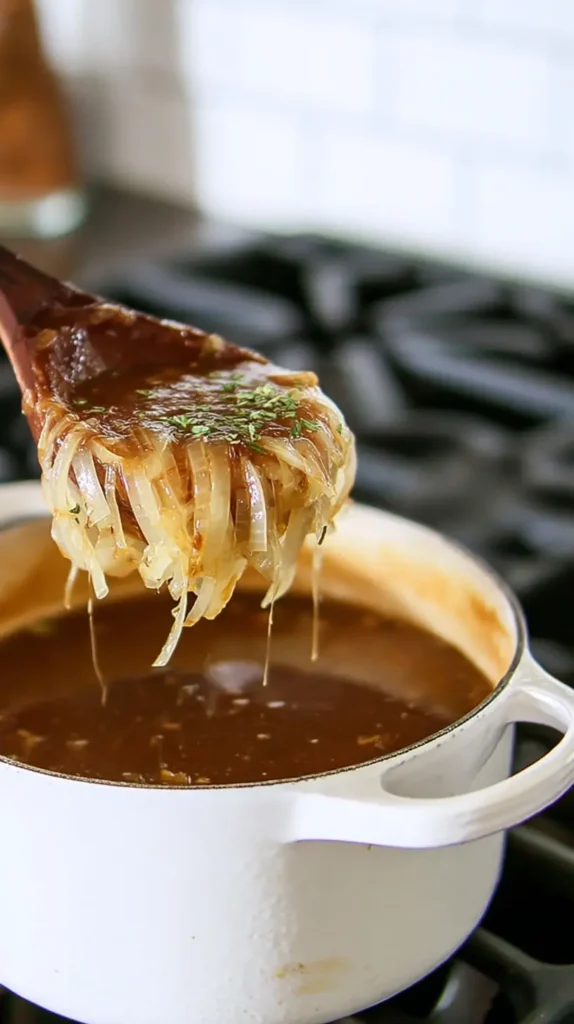
Continue cooking the onions over medium-low to medium heat, stirring every few minutes. As their liquid evaporates, they’ll slowly shift from pale gold to a deeper, richer amber color.
Scrape the bottom of the pot regularly to lift any bits that may stick—that fond is flavor, but you don’t want it to burn. If anything looks too dark or starts to catch, lower the heat and add a tablespoon or two of water to loosen it.
In the last 5–10 minutes of caramelization, add the black pepper, thyme, bay leaves, and minced garlic (if using). Let the aromatics bloom gently in the hot onions without browning or burning. This long, unhurried step is the “secret ingredient” for a deeply flavored French onion soup base.
Step 3 – Deglaze and Build the Broth (About 10 Minutes)
Pour in ½–1 cup of warm stock and use your spoon to scrape any browned bits from the bottom of the pot. This deglazing step pulls all of that concentrated onion flavor back into the soup.
Add the remaining stock and stir well. Bring the pot up to a lively simmer. Taste the broth and add about 1 teaspoon of salt if needed, keeping in mind that flavors will concentrate slightly in the jars and with reheating.
Step 4 – Simmer and Balance the Flavor (15–20 Minutes)
Let the soup simmer gently for 15–20 minutes so the flavors can meld. You want a brothy, well-seasoned base with generous caramelized onions in every ladle.
Turn off the heat. Remove the bay leaves. Add 1–2 teaspoons of apple cider vinegar or lemon juice, a little at a time, tasting as you go. The goal is a balanced, bistro-style French onion soup base with a subtle lift—not sourness.
Adjust salt and pepper one more time. At this point, the soup should taste “ready to eat,” just without the bread and cheese.
Step 5 – Prepare Jars and Canner
While the soup finishes, prepare your canning setup.
- Wash jars, lids, and rings in hot, soapy water and rinse well.
- Keep jars hot (either in simmering water or in a 200°F / about 93–95°C oven). Hot soup + hot jars = less risk of thermal shock.
- Add the recommended amount of water to your pressure canner according to the manual (usually 2–3 inches).
- Preheat the canner water to around 180–185°F (82–85°C)—hot but not yet boiling.
Step 6 – Fill Jars (1-Inch Headspace)
Working with hot soup and hot jars, ladle French onion soup into each jar using a canning funnel, leaving 1 inch of headspace at the top.
Use the ladle to divide onions evenly so each jar gets a fair share of solids and broth. This is especially important for a large batch French onion soup canning project—consistent filling makes processing more reliable.
Slide a bubble remover or chopstick gently down the sides of each jar to release trapped air. If the headspace changes, top up with a bit more hot broth to maintain that 1-inch gap.
Wipe the rims thoroughly with a paper towel dampened with white vinegar to remove any traces of fat or broth. Place lids on top and screw bands on just fingertip tight.
Step 7 – Pressure Can Safely
Place the filled jars onto the canner rack. Secure the lid according to your canner instructions.
- Vent: Turn the heat to bring the canner up until a steady, strong stream of steam escapes from the vent. Vent for a full 10 minutes to purge trapped air.
- Pressurize:
- Dial-gauge canner: bring to 11 lb pressure.
- Weighted-gauge canner: bring to 10 lb pressure.
Adjust for altitude following your canner manual; higher elevations require higher pressure.
- Processing times:
- Pints: 60 minutes
- Quarts: 75 minutes
Once processing time is complete, turn off the heat and let the pressure return to zero naturally. Do not force-cool or open vents. When the gauge reads zero, wait another 5 minutes, then carefully open the lid away from you.
Use a jar lifter to remove jars straight up and place them on a folded towel, leaving space between each. Let them cool undisturbed for 12–24 hours.
Check seals: the center of each lid should be flat and not flex when pressed. Remove bands, wipe jars if needed, label, and date.
Step-by-Step Instructions (Quick Recap)
- Sweat sliced onions in oil with a little salt.
- Caramelize to deep amber; add thyme, bay, and garlic near the end.
- Deglaze with stock, add remaining stock, and simmer.
- Brighten with a small splash of cider vinegar or lemon juice to taste.
- Fill hot jars with hot soup, leaving 1 inch of headspace; divide solids evenly, de-bubble, wipe rims.
- Pressure can: pints 60 minutes, quarts 75 minutes at 10 lb weighted / 11 lb dial (adjust for altitude).
- Let pressure fall naturally; cool jars, check seals, and store in a cool, dark place.
Pro Tips for Success
- Use a wide pot for onions
Surface area matters. A wide, heavy pot lets onions caramelize instead of steam, speeding up the process and preventing mushy texture. - Salt in stages
Start with a little salt to draw moisture from the onions, then adjust once the broth has reduced. This keeps you from oversalting your canned French onion soup. - Watch the fond closely
Brown bits = flavor. Black bits = bitterness. If fond looks too dark, splash in water or stock and scrape immediately. - Vent the canner fully
A full 10-minute vent helps ensure even temperatures and reduces the risk of siphoning during pressure canning French onion soup. - Keep rims ultra-clean
Wiping rims with vinegar cuts through any trace of fat that could interfere with sealing. - Respect headspace
Overfilling can cause liquid to boil out of jars during processing, dragging fat and solids under the lid. Stick to that 1-inch headspace. - Let pressure drop naturally
Forcing a cool-down by lifting the weight or moving the canner can cause severe siphoning and failed seals. Patience pays off.
Flavor Variations (Jar-Safe Ideas)
- Herb-Forward French Onion Soup
Add a sprig of fresh thyme or rosemary to the pot while simmering, and remove it before filling jars. You’ll get a fragrant, herb-lifted base that still stays jar-safe. - Umami Boost
Stir in a dash of Worcestershire sauce or a teaspoon of soy/coconut aminos before canning. Go light to avoid oversalting. This adds extra savory depth to your canned French onion soup. - Smoky Note
Add a pinch of smoked paprika or a few black peppercorns to the pot while simmering, then strain out any whole spices before jarring. The result is gently smoky and cozy. - Vegetable Accent
Brown a few sliced mushrooms deeply with the onions, then simmer them together in the broth. You can leave them in for extra body or strain out larger pieces if you prefer a clearer soup in the jars.
Just remember: keep the soup brothy and free of flour, cream, or cheese while canning. Enrichment happens after you open the jar.
Serving Suggestions
- Classic broiled bowls
Warm the canned French onion soup, ladle into oven-safe crocks, top with toasted baguette rounds and a generous mound of grated Gruyère. Broil until bubbling and golden. - Weeknight shortcut
Float a crisp crostini on hot soup and top with Provolone. Melt with a kitchen torch or under a hot broiler for a fast, satisfying dinner. - Steakhouse-style side
Reduce a jar by about one-third on the stovetop and spoon over seared steak, roasted chicken, or roasted mushrooms as a rich, oniony sauce. - Panini night
Serve mugs of canned French onion soup alongside turkey-and-swiss panini or vegetable melts, using the soup as a cozy dip. - Comfort combo
Pair a bowl of soup with a simple green salad dressed in Dijon vinaigrette for balance and freshness.
Storage and Shelf Life
- Pantry:
Store sealed jars in a cool, dark place for up to 12 months for best quality. - After opening:
Refrigerate opened jars and use within 3–4 days. Reheat gently on the stove—no need to boil hard; a gentle simmer preserves flavor. - Freezing opened leftovers:
If you don’t think you’ll finish an opened jar, you can freeze the cooled soup for a few months. Leave headspace in freezer-safe containers. The texture holds up well since there’s no dairy.
Nutrition Facts (Per 1-Cup Serving, Approximate)
Values will vary based on broth, oil, and salt:
- Calories: 110–140
- Protein: 3–6 g
- Carbohydrates: 15–20 g
- Total Fat: 4–7 g
- Fiber: 2–3 g
- Sodium: 400–650 mg
FAQ About Canning French Onion Soup
Why can’t I water-bath can French onion soup?
Onions and broth are low-acid ingredients, so they require the higher temperatures that only a pressure canner can safely reach. A boiling-water bath cannot achieve those temperatures or processing conditions, which is why safe canning French onion soup relies on pressure canning only.
Can I add cheese or toast to the jars?
No. Dairy, bread, and thickeners do not belong in jars during canning. They can interfere with heat penetration and lead to unsafe results. Keep your French onion soup for canning brothy and simple, then add toasted bread and cheese after opening and broil to finish.
What pressure should I use for canning French onion soup?
For most situations, use 10 lb pressure on a weighted-gauge canner or 11 lb on a dial-gauge canner as a baseline. Always adjust for altitude according to your canner manual. Process pints for 60 minutes and quarts for 75 minutes when pressure canning French onion soup.
My jars lost liquid (siphoning). What happened?
Siphoning—when liquid escapes from jars during processing—is usually caused by rushed cool-down, not venting long enough, overfilling jars, or big swings in pressure. Make sure you vent for a full 10 minutes, maintain 1 inch of headspace, keep pressure steady, and let the canner cool down naturally. If a jar didn’t seal, refrigerate and use soon or reprocess within 24 hours with a new lid.
Can I make this French onion soup base vegetarian?
Yes. To make a vegetarian canned French onion soup, use a rich vegetable stock and, if you like, add some deeply browned mushrooms for extra depth. The rest of the method—caramelizing onions, building broth, and pressure canning—stays exactly the same.
How do I get deeper color without burning the onions?
Use a wide, heavy pot, give yourself enough time, and stir regularly. True caramelization for a large batch often takes 45–60 minutes. If hotspots appear or fond turns too dark, lower the heat and loosen everything with a splash of water or stock. This slow, careful approach is how you build that deep, mahogany color in your canning French onion soup recipe without bitterness.
Can I scale this canning French onion soup recipe?
Absolutely. You can increase the recipe as long as your pot and canner can handle the volume. Maintain the same ratios, caramelize in batches if needed, and keep processing times the same: 60 minutes for pints and 75 minutes for quarts at the proper pressure. For very large batches, caramelize onions in two pots or in stages to keep browning even.
Is a pressure cooker the same as a pressure canner?
No. Most countertop pressure cookers and multi-cookers are not approved for home canning. A pressure canner is specifically designed and tested for processing jars at stable, accurate pressures over time. For safe pressure canning French onion soup, always use a true pressure canner following the manufacturer’s instructions.
Final Thoughts
Canning French onion soup is one of those projects that turns a little time and a lot of onions into serious pantry power. By taking the time to caramelize slowly, deglaze with stock, balance the broth with a hint of brightness, and follow safe pressure canning steps, you get jars of soup that taste like they simmered all afternoon.
Once those pints or quarts are on your shelf, dinner becomes as easy as opening a jar, warming the soup, and adding your favorite bread-and-cheese topping. It’s comforting, practical, and a little bit luxurious all at once.
Keep a few jars of this French onion soup canning recipe in your pantry, and you’re always one quick broil away from cozy, bistro-style bowls whenever the craving hits.-savory perfection. Keep a few pints or quarts on hand, and you’re always one broil away from bistro bliss.
Canning French Onion Soup — Simple, Proven Method
This pressure‑canning recipe for French onion soup provides a deeply savory, shelf‑stable base — with caramelised onions and rich broth — ready to finish at serving time with toast and melty cheese.
Core Ingredients
- 6‑7 lb yellow or sweet onions (peeled and thinly sliced (about 10‑12 large onions))
- 3‑4 Tbsp olive oil (or half olive oil/half butter) (for caramelising)
- 2‑3 tsp fine salt (divided (adjust to stock saltiness))
- 1‑2 tsp freshly ground black pepper
- 2 tsp dried thyme ((or 1 Tbsp fresh minced))
- 2 bay leaves
- 3‑4 cloves garlic (minced (optional))
- 10‑12 cups beef stock (or rich chicken/vegetable stock)
Brightness & Deglaze
- ½‑1 cup low‑sodium stock (for deglazing) (to loosen fond and deepen flavour)
- 1‑2 tsp apple cider vinegar or lemon juice (added off‑heat to brighten soup)
Step 1 — Slice & Sweat Onions (20‑30 min): Halve onions root‑to‑stem, peel, and thinly slice. Heat oil in large pot over medium heat, add onions and 1 tsp salt. Cook covered stirring occasionally until softened (~15‑20 min).
Step 2 — Caramelise Low & Slow (30‑50 min): Uncover, adjust heat between medium‑low and medium, stir every few minutes. Onions should gradually turn golden to deep amber. In last 5‑10 min add black pepper, thyme, bay leaves, garlic.
Step 3 — Deglaze & Build Broth (10 min): Pour in ½‑1 cup warm stock and scrape browned bits. Add remaining broth, bring to simmer. Taste and adjust salt if needed.
Step 4 — Simmer & Balance (15‑20 min): Let soup bubble gently 15‑20 min. Off heat, add 1‑2 tsp vinegar or lemon juice for brightness. Remove bay leaves.
Step 5 — Prepare Jars & Canner: Wash jars, lids, rings. Keep jars hot. Pre‑heat pressure canner with rack and water. Follow canner manual.
Step 6 — Fill Jars (1″ headspace): Ladle hot soup into hot jars, dividing onions evenly. Leave 1 inch headspace. De‑bubble, wipe rims with vinegar‑dampened cloth. Apply lids and rings fingertip‑tight.
Step 7 — Pressure Can: Place jars on canner rack. Lock lid. Vent steam 10 minutes. Then process at 10 lb (weighted) or 11 lb (dial) pressure: pints = 60 min, quarts = 75 min (adjust for altitude). Let pressure return to zero naturally, then wait 5 min and open lid away from you. Cool jars 12‑24 h, check seals, label and store.
Do not add bread, cheese, cream, flour or other thickeners into the jars — those are for serving time only. Use a wide pot for best caramelisation. Check your pressure canner manual for altitude adjustments. This soup also works beautifully as a cooking base for stews and casseroles.