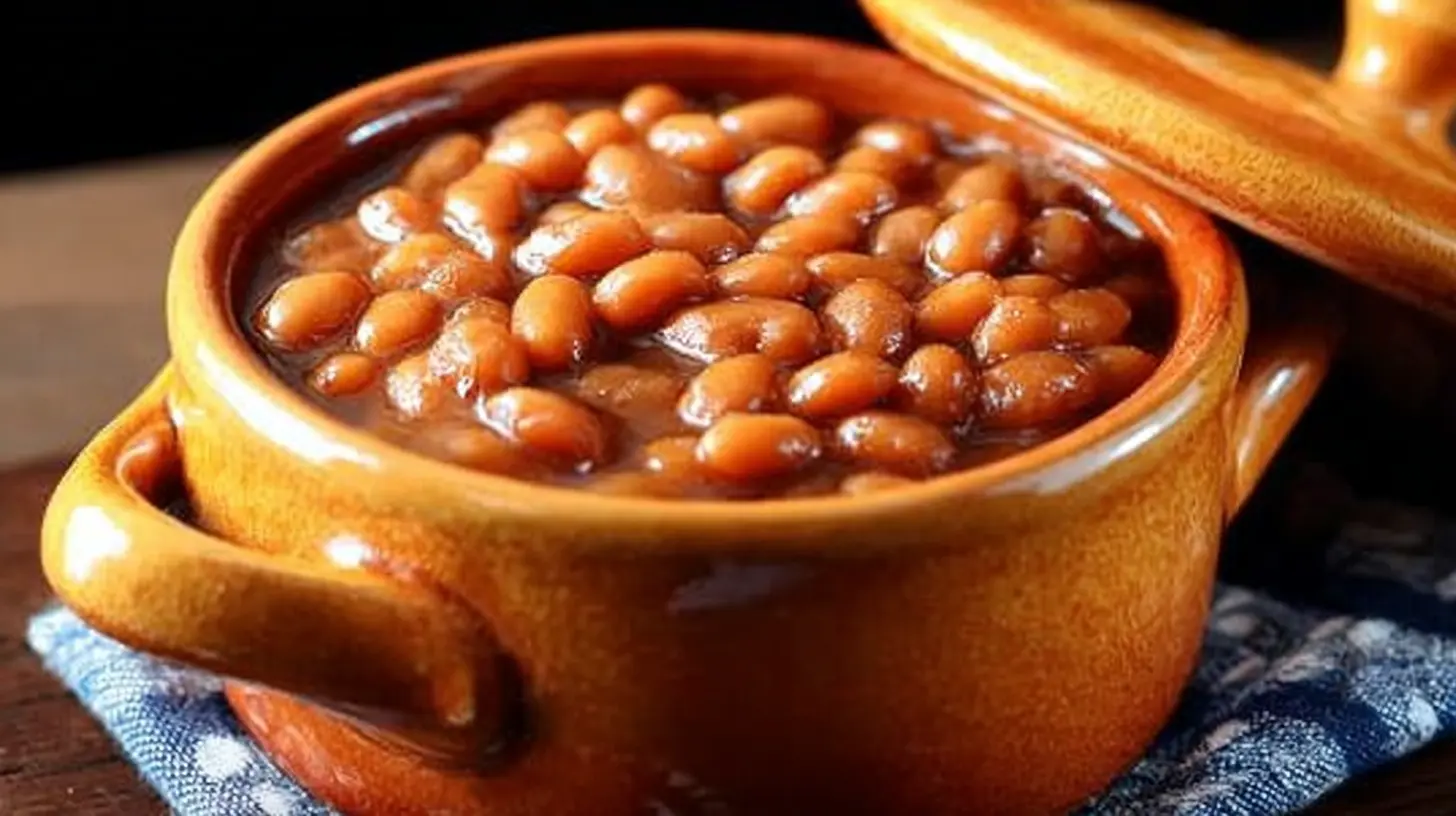
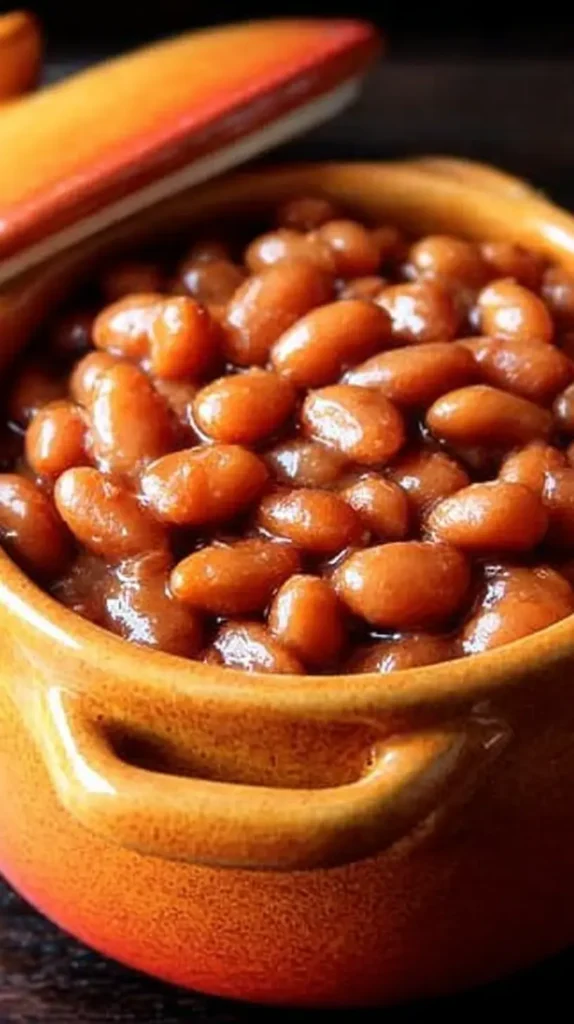
Low sodium baked beans deliver all the deep, cozy, cookout flavor you love—sweet, tangy, and gently smoky—without relying on lots of salt. This easy method uses dried great northern beans for a creamy texture, a smart slow-cooker simmer for hands-off tenderness, and a bright finish of low-sodium ketchup, molasses, apple cider vinegar, and warm spices. You’ll get a crowd-pleasing pan of beans that works for weeknights, potlucks, and meal prep, all while keeping sodium in check.
Why You’ll Love These Low Sodium Baked Beans
- Big flavor, less salt: We layer taste with aromatics, coffee, tangy vinegar, smoky notes, and a touch of molasses, proving you don’t need heavy sodium for a satisfying bite.
- Creamy texture: Starting with dried beans gives you velvety centers and intact skins—never mushy, never chalky.
- Hands-off cooking: The slow cooker does the long work, while you prep a simple finishing sauce to stir in at the end.
- Budget-friendly pantry recipe: Beans, onion, ketchup, and a few spices become something special with time and technique.
- Make-ahead magic: These beans keep beautifully and taste even better the next day as flavors meld.
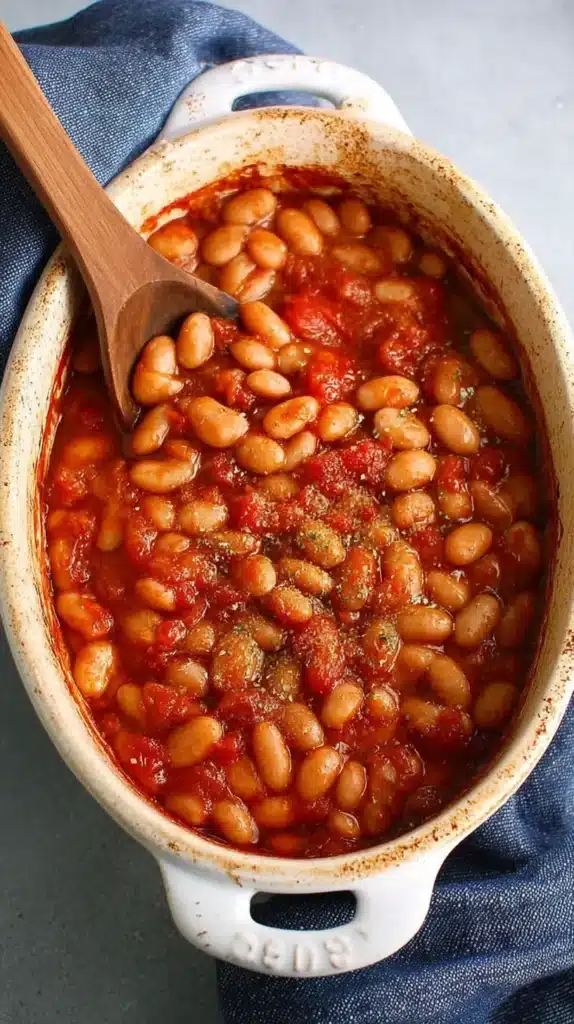
Ingredients for Low Sodium Baked Beans
This batch yields about 12 servings (½ cup each)—perfect for sharing or stocking your fridge with easy sides.
Beans & Aromatics
- 1 lb dried great northern beans (about 2¼ cups), rinsed and picked over
- 1 large yellow onion, finely chopped
- 1 tbsp neutral oil (e.g., avocado or canola)
- 6 cups water
- 1 cup brewed coffee (room temperature)
- 2 bay leaves
Finishing Sauce & Seasonings
- ¾–1 cup reserved cooking liquid (save during draining)
- 1 cup low-sodium ketchup
- 3 tbsp dark molasses
- 2–3 tbsp brown sugar (light or dark; adjust to taste)
- 1½ tbsp apple cider vinegar (add more to taste)
- 1–2 tsp liquid smoke (start small, taste, and adjust)
- 1 tsp ground mustard
- 1 tsp paprika
- ½–1 tsp garlic powder
- ½–1 tsp onion powder
- ¼–½ tsp chili powder (mild)
- ¼–½ tsp black pepper, freshly ground
Taste and adjust after mixing: add a splash more vinegar for brightness, another teaspoon of brown sugar for sweetness, or a little more reserved liquid to loosen.
Ingredient Notes (Substitutions & Helpful Tips)
- Bean varieties: Great northern beans are creamy and hold shape. Navy beans offer a classic baked-bean look and slightly firmer bite. Pinto beans are hearty and a touch earthy. Any of the three works well.
- Coffee for depth: A modest cup of brewed coffee deepens the slow-cooker base without tasting “coffee-ish.” Water alone works too; you’ll just get a lighter flavor.
- Ketchup: Use a low-sodium brand. If your ketchup is very tangy, you may reduce vinegar slightly; if it’s quite sweet, decrease brown sugar a bit.
- Liquid smoke: This adds a traditional backyard note. Start at 1 teaspoon and increase gradually—too much can overpower.
- Sweetness balance: Brown sugar and molasses bring that signature baked-beans sweetness. If you prefer a more savory profile, cut the brown sugar to 1 tablespoon and taste before adding more.
- Spice profile: Paprika and chili powder add warmth, not heat. If you want a light kick, use a pinch more chili powder or a dash of crushed red pepper.
- Make it richer (still low sodium): Sauté the onion until golden for deeper sweetness, or stir in an extra teaspoon of oil at the end for a glossy finish.
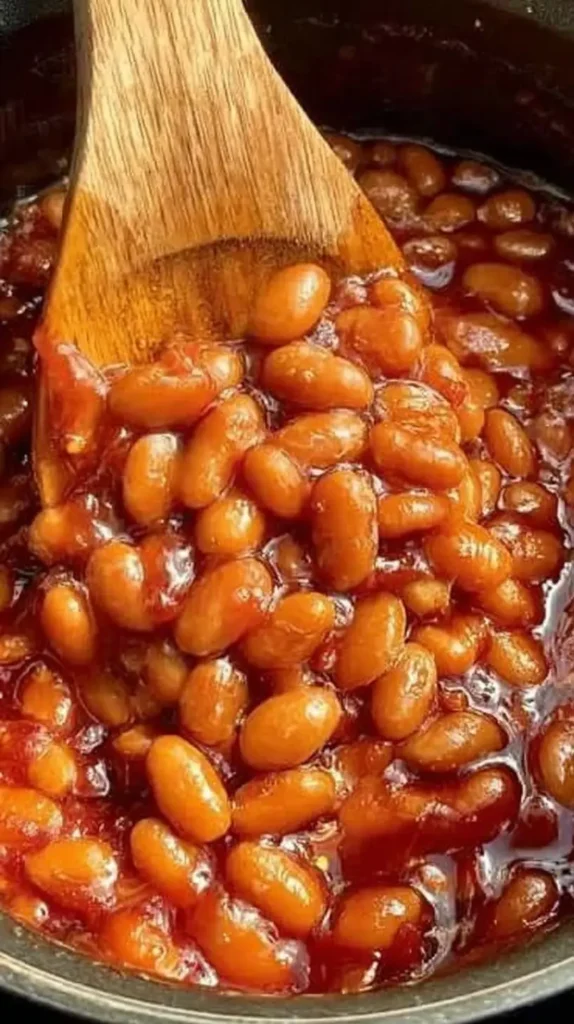
Step-by-Step Instructions
Step 1 – Jump-Start the Onion
Place the chopped onion in a microwave-safe bowl with the oil and a small splash of water. Microwave for 4–5 minutes, stirring halfway, until soft and fragrant. This quick step builds sweetness and saves you a skillet (and extra cleanup).
Why this matters: Softened onions melt into the beans, adding body and natural sweetness without relying on extra salt.
Step 2 – Load the Slow Cooker
Add the softened onion to a large slow cooker (5–7 quarts). Rinse the dried beans and add them to the pot with the water, brewed coffee, and bay leaves. Stir. Cover and cook on HIGH for 7–9 hours, or until the beans are very tender. Start checking around hour 6½ if your slow cooker runs hot.
Doneness tip: When a bean can be smashed easily with the back of a spoon and its center is creamy (no chalky core), it’s ready.
Step 3 – Drain, Reserve, and Return
Set a colander over a large bowl and pour the slow-cooked mixture through it, reserving the cooking liquid (you’ll use it to loosen the sauce). Remove and discard the bay leaves. Return the drained beans to the slow cooker (keep it on HIGH).
Why drain now? You’ll add a carefully balanced finishing sauce, and the reserved liquid lets you control thickness without diluting flavor.
Step 4 – Stir In the Finishing Sauce
Whisk together ¾ cup reserved cooking liquid, low-sodium ketchup, molasses, brown sugar, apple cider vinegar, liquid smoke, ground mustard, paprika, garlic powder, onion powder, chili powder, and black pepper. Pour the sauce over the beans and stir gently to coat. Taste. Add more vinegar for brightness, more brown sugar for sweetness, or more reserved liquid if the beans seem too thick.
Adjust to your palate: The right balance is sweet-tangy-smoky with a soft savory finish.
Step 5 – Thicken to Glossy Goodness
Cook uncovered on HIGH for 5–15 minutes, stirring every few minutes, until the sauce clings to the beans and looks shiny. If the mixture tightens too much, stir in a tablespoon or two of reserved liquid and recheck. Switch the slow cooker to Warm until serving.
Texture cue: When a spoon leaves a slow trail through the beans and the sauce lightly coats it, you’ve reached the sweet spot.
Step 6 – Serve and Enjoy
Transfer to a serving dish or keep right in the slow cooker on Warm for gatherings. Garnish with a sprinkle of paprika or a few minced chives if you like. Serve hot alongside grilled mains, roasted vegetables, coleslaw, corn on the cob, baked potatoes, or grain bowls.
Pro Tips for Success
- Don’t skip the onion pre-soften: Five minutes in the microwave mimics a stovetop sauté and unlocks sweetness that replaces what some people try to get with salt.
- Track your cooker: Slow cookers vary. Start checking bean tenderness at 6½ hours. If beans are still firm at 7–8 hours, keep going—don’t rush the process.
- Use the reserved liquid wisely: It’s liquid gold. It carries the bean’s starches and aromatics, which help the final sauce gloss and cling.
- Season at the end: Adding the sweet-tangy sauce after draining keeps flavor vivid and lets you fine-tune without guesswork.
- Rest time improves flavor: If time allows, cool the beans and refrigerate overnight; reheat the next day. The sauce penetrates the beans and tastes even more balanced.
- Batch and freeze: Make a double batch in a larger cooker if you’re planning for future meals. This recipe scales well.
Flavor Variations
- Maple-Kissed: Swap half of the brown sugar for pure maple syrup and reduce the molasses to 1 tablespoon. The maple note is subtle and warm.
- Smoky-Chipotle: Replace some or all of the chili powder with a pinch of ground chipotle. Add gradually and taste—chipotle is potent and smoky.
- Ginger-Molasses: Add ¼ teaspoon ground ginger and a big pinch of cinnamon for a cozy, bakery-style warmth.
- Herb Garden: Stir in 1–2 tablespoons of finely chopped fresh herbs (parsley, chives) at the end for brightness.
- Roasted Garlic: Mash 2–3 cloves of soft roasted garlic into the finishing sauce for a mellow, savory depth.
Serving Suggestions
- Cookout Partner: Spoon beside grilled chicken, turkey burgers, or veggie skewers.
- Bowl Night: Serve over brown rice or quinoa and add a simple chopped salad with lemon vinaigrette.
- Baked Potato Bar: Top hot potatoes with a scoop of beans, a dollop of plain yogurt, and sliced green onions.
- Breakfast-Style Plate: Pair with scrambled eggs, roasted tomatoes, and whole-grain toast for a hearty, savory start.
- Bean Toast: Spread on toasted sourdough and shower with chives for a quick snack or light lunch.
Storage and Freezing Instructions
- Refrigerator: Cool completely. Store in airtight containers for 4–5 days.
- Freezer: Portion into freezer-safe containers or zip-top bags (press flat for fast thawing). Freeze for up to 3 months.
- Reheat: Warm gently on the stovetop over low heat or in the microwave, adding a splash of water if the beans seem thick. Stir occasionally to re-emulsify the sauce.
- Freshen the finish: After reheating, taste and brighten with a tiny splash of vinegar or a pinch of paprika.
Nutrition Facts (Per Serving)
Approximate values for 1 of 12 servings (½ cup each).
| Calories | Protein | Carbs | Fat | Fiber | Sodium |
|---|---|---|---|---|---|
| 185 | 8 g | 34 g | 3 g | 8 g | ~55 mg |
These figures are estimates based on typical ingredients and a low-sodium ketchup. Exact values vary with brands and measurements. If you need precise numbers, plug your ingredients into a nutrition calculator.
FAQ About Low Sodium Baked Beans
Do I need to soak the beans first?
Not for this slow-cooker method. The long, steady heat on HIGH softens dried beans thoroughly without a soak. That said, if you prefer soaking (8–12 hours, then drain), you can reduce slow-cook time by 1–2 hours. Always cook until the beans are fully tender before draining and saucing.
Can I make these on the stovetop instead of a slow cooker?
Yes. Combine softened onions, rinsed beans, water, coffee, and bay in a large pot. Bring to a boil, then reduce to a gentle simmer and cook uncovered or partially covered until the beans are very tender, 1½–2½ hours depending on bean age. Stir occasionally and add hot water as needed to keep beans submerged. Drain (reserve liquid), return beans to the pot, and stir in the finishing sauce. Simmer 5–10 minutes to thicken.
What if my beans are still firm after 8–9 hours?
Keep going. Bean tenderness depends on bean age, water mineral content, and slow-cooker variability. If time allows, continue on HIGH, checking every 30 minutes. If you’re in a hurry, transfer to a pot and simmer on the stovetop until tender. Once tender, proceed with draining and finishing.
How can I thicken the sauce without extra salt?
Use the reserved cooking liquid and gentle evaporation. The starch in the reserved liquid helps the sauce cling. Cooking uncovered on HIGH for a few extra minutes (or simmering on the stovetop) concentrates flavors and thickens naturally.
Can I reduce the sugar?
Yes. These beans should taste balanced, not dessert-sweet. Start with 1 tablespoon brown sugar in the finishing sauce, taste, and add more only if needed. Keep the molasses for body and color—even a little goes a long way.
What can I use instead of coffee?
Just use water for a lighter, cleaner background. If you’d like some roasty depth without coffee, try adding an extra pinch of paprika and a touch more liquid smoke—taste and adjust.
How do I keep sodium low when serving?
Choose naturally low-sodium pairings (grilled chicken, roasted vegetables, leafy salads, baked potatoes). If you’re cooking for a crowd, set out lemon wedges, extra paprika, and chopped herbs—flavor boosters that don’t add sodium.
Can I double this recipe?
Absolutely. Use an 8-quart slow cooker or two standard cookers. Keep the ratios the same and plan for the upper range of cooking time. When finishing, add the reserved liquid gradually to reach your preferred saucy consistency.
Why finish with vinegar at the end?
A small splash of apple cider vinegar balances sweetness and pulls smoky, savory notes forward. Acidity is a key flavor driver in low-sodium cooking because it adds brightness without adding salt.
How long can these sit out on a buffet?
For food safety, keep the slow cooker on Warm and stir every so often. Aim to serve within 2 hours at room temperature; beyond that, cool and refrigerate. Reheat as needed.
Final Thoughts
These low sodium baked beans prove you can have that classic, glossy, sweet-smoky spoonful with thoughtful technique instead of heavy salt. The slow cooker makes tender, creamy beans with almost no effort. The simple finishing sauce gives you control—adjusting sweetness, tang, and smoke until it’s perfect for your table. Serve them at cookouts, tuck them beside weeknight mains, load them onto potatoes or grain bowls, and stash a few portions in the freezer for busy days. Once you try this method, you’ll have a reliable, delicious side that fits more menus, more often.
Easy Low Sodium Baked Beans

These low sodium baked beans bring all the cozy, sweet, tangy, and smoky flavor of classic baked beans—without the salt overload. Made with dried great northern beans, a touch of molasses, spices, and a smart slow-cooker method, they’re perfect for cookouts, weeknights, and meal prep alike.
Beans & Aromatics
- 1 lb dried great northern beans (rinsed and picked over)
- 1 large yellow onion, finely chopped
- 1 tbsp neutral oil (e.g., avocado or canola)
- 6 cups water
- 1 cup brewed coffee (room temperature)
- 2 bay leaves
Finishing Sauce & Seasonings
- 0.75 cup reserved cooking liquid (adjust as needed)
- 1 cup low-sodium ketchup
- 3 tbsp dark molasses
- 2–3 tbsp brown sugar (light or dark; adjust to taste)
- 1.5 tbsp apple cider vinegar (add more to taste)
- 1–2 tsp liquid smoke (start small, taste and adjust)
- 1 tsp ground mustard
- 1 tsp paprika
- 0.5–1 tsp garlic powder
- 0.5–1 tsp onion powder
- 0.25–0.5 tsp chili powder (mild)
- 0.25–0.5 tsp black pepper (freshly ground)
Step 1 – Jump-Start the Onion: In a microwave-safe bowl, combine chopped onion, oil, and a splash of water. Microwave 4–5 minutes, stirring halfway, until soft and fragrant.
Step 2 – Load the Slow Cooker: Add softened onion, rinsed beans, water, coffee, and bay leaves to the slow cooker. Stir, cover, and cook on HIGH for 7–9 hours, until beans are tender.
Step 3 – Drain, Reserve, and Return: Drain beans in a colander over a bowl, reserving the cooking liquid. Discard bay leaves. Return beans to slow cooker (still on HIGH).
Step 4 – Stir In the Finishing Sauce: Whisk together ¾ cup reserved liquid, ketchup, molasses, brown sugar, vinegar, liquid smoke, and spices. Pour over beans and stir gently. Taste and adjust seasoning.
Step 5 – Thicken to Glossy Goodness: Cook uncovered on HIGH 5–15 minutes, stirring occasionally, until sauce thickens and clings to beans. Add reserved liquid as needed.
Step 6 – Serve and Enjoy: Serve hot, garnished with paprika or chives. Enjoy as a side or over grains, potatoes, or toast.
For variation, try maple syrup instead of some brown sugar, or add a pinch of ground ginger and cinnamon for bakery-style warmth. For best flavor, cool and refrigerate overnight before serving. Reheat with a splash of water and refresh with vinegar or paprika.