The date syrup recipe is a cozy kitchen project that turns just two ingredients—dates and water—into a thick, pourable, caramel-tasting syrup you’ll want to drizzle on everything. Also known across the Middle East as silan, this naturally sweet syrup is made by simmering chopped dates, pressing out their juices, and reducing the liquid until it’s glossy and spoon-coating. No refined sugar, no additives—just concentrated fruit flavor with notes of toffee and dried fruit.
Why You’ll Love This Date Syrup Recipe
- Two ingredients, big payoff: Dates + water transform into a rich, versatile syrup.
- Naturally sweet: Deep, caramel-like sweetness that’s balanced and fruity.
- Pantry staple: Keeps well in the fridge and works in drinks, breakfasts, and baking.
- Budget-friendly: Uses common dried dates; no special equipment beyond a pot and strainer.
- Customizable thickness: Reduce a little for a pourable drizzle or a bit longer for a thicker spoonable syrup.
What Is Date Syrup?
Date syrup (often called silan) is a traditional sweetener made by extracting the natural sugars from dates and concentrating the liquid into a syrup. Unlike simple syrup or honey, date syrup has a distinctive flavor: warm caramel, soft molasses, and raisin-like fruitiness, with subtle hints of spice from the dates themselves. The classic method is simple: simmer dates in water until they soften and release their goodness, strain the liquid through cloth to remove fibers, then simmer the liquid again until thick and glossy. The result is a pantry-friendly staple that pairs beautifully with pancakes, oatmeal, yogurt bowls, roasted vegetables, vinaigrettes, and baked goods.
Date Syrup Recipe: Simple Homemade Silan
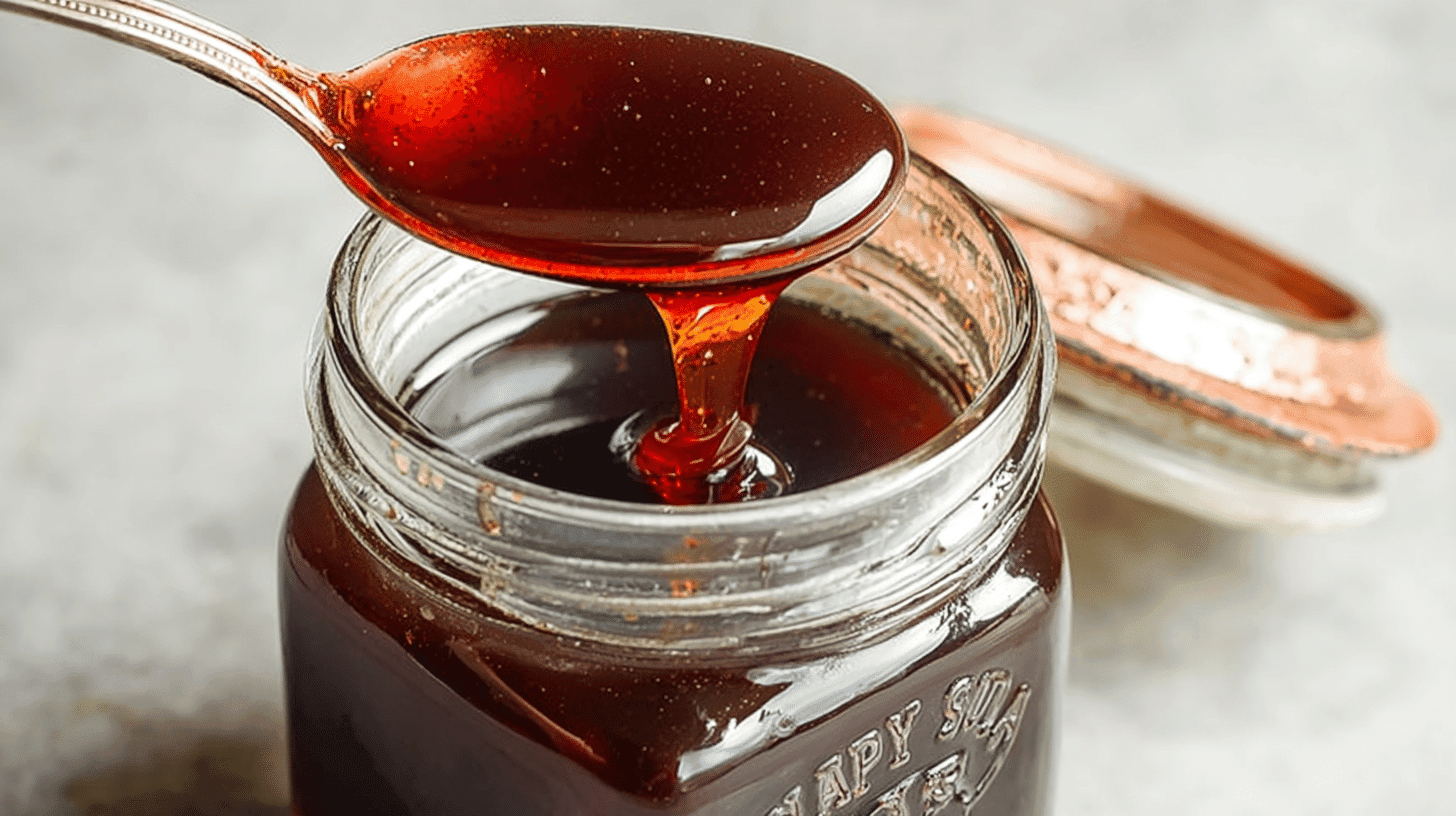
This simple, two-ingredient date syrup recipe—also known as silan—transforms dried dates and water into a thick, glossy syrup with deep caramel and toffee notes. Naturally sweet and refined sugar-free, it’s perfect for drizzling over pancakes, mixing into dressings, or adding to baked goods. It’s a Middle Eastern classic you’ll want to keep in your fridge year-round.
Base Recipe
- 500 g dried, pitted dates (roughly chopped)
- 1000 ml water (plus more for soaking)
Optional Flavor Tweaks
- 1 strip lemon zest (thin, optional)
- 0.25 tsp ground cinnamon (optional)
- 1 pinch fine salt (optional, to enhance sweetness)
Step 1 – Quick prep soak (optional): Cover chopped dates with just-boiled water in a bowl. Soak 15–20 minutes, then drain and discard water.
Step 2 – Simmer for full extraction: Place soaked dates and 1 liter water into a pot. Simmer gently, partially covered, for 1½–2 hours, stirring every 15 minutes. Add water if needed to keep dates cushioned.
Step 3 – Cool and strain: Cool mixture until warm. Strain through a cheesecloth-lined sieve over a bowl, squeezing to extract maximum liquid. Discard or reuse the pulp.
Step 4 – Reduce to syrup: Return strained liquid to rinsed pot. Simmer uncovered for 45–60 minutes until thick, glossy, and syrupy. Test by dropping onto a cold plate—it should feel tacky after 30 seconds.
Step 5 – Fine-tune and jar: Add optional cinnamon or salt if desired. Cool 10 minutes, then transfer to a clean glass jar. Let cool to room temperature before refrigerating.
For best results, squeeze the cooked dates firmly during straining. Use a wide pot for even, faster reduction. If the syrup is too thick after cooling, whisk in a teaspoon of hot water at a time until desired consistency is reached.
Flavor variations include adding cinnamon, vanilla, coffee, or citrus zest. Refrigerate for 3–4 weeks or freeze in small portions for up to 3 months.
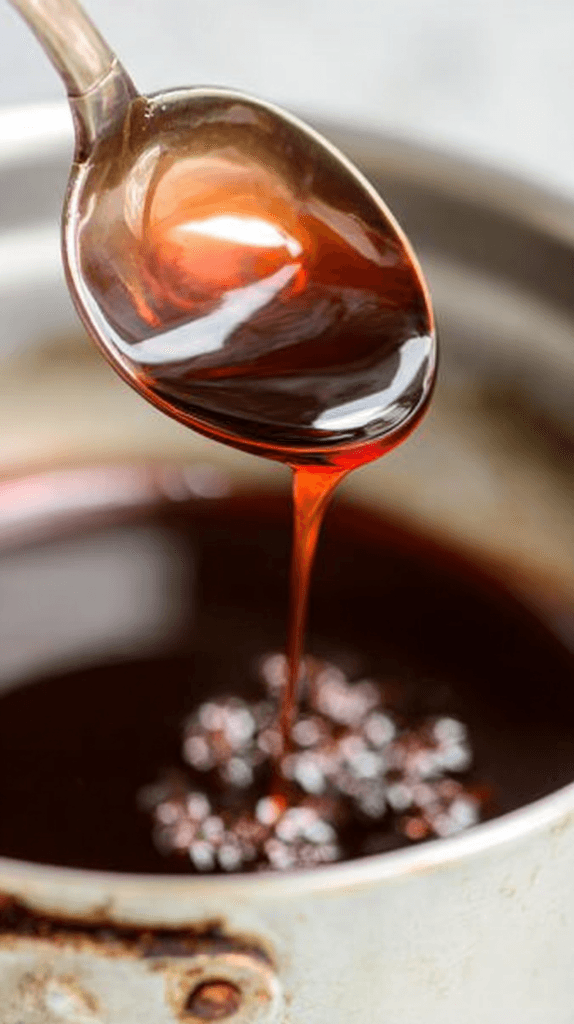
Ingredients for Date Syrup
Base Recipe (Yields about 1 cup/250 ml)
- 500 g (1 lb) dried, pitted dates, roughly chopped
- 1 liter (4 cups) water, plus more for soaking
Optional Flavor Tweaks (add during the reduction)
- Thin strip of lemon zest for brightness
- ¼ tsp ground cinnamon for warmth
- Pinch of fine salt to sharpen sweetness
Ingredient Notes
- Dates: Any pitted dried date works (Medjool, Deglet Noor, Zahidi). Medjool is plush and intensely sweet; Deglet Noor is a bit drier and more affordable. If dates feel very dry, a longer initial simmer helps them break down and release flavor.
- Water quality: Use fresh, clean water. If your tap water is very hard or tastes mineral-rich, filtered water can yield a cleaner flavor.
- Acidity & balance: A thin peel of lemon zest (no white pith) during the reduction can subtly brighten the syrup without turning it citrusy. This is optional but lovely.
Equipment You’ll Need
- Large saucepan or Dutch oven (nonreactive)
- Heatproof spoon
- Fine-mesh sieve
- Cheesecloth or a clean nut-milk bag
- Large bowl (to catch the strained liquid)
- Clean glass jar with a tight lid (for storage)
Step-by-Step Instructions
Step 1 – Quick prep soak (optional but helpful)
Place the chopped dates in a heatproof bowl. Cover with just-boiled water and soak for 15–20 minutes. Drain and discard this soaking water. This brief step washes away dust and some bitterness, priming the fruit for a clean-tasting syrup.
Step 2 – Simmer for full extraction
Transfer the drained dates to a pot. Add 1 liter (4 cups) water. Bring to a gentle boil over medium heat, then lower to a gentle simmer, cover partially, and cook for 1½–2 hours, stirring every 15 minutes. The goal is soft, collapsed fruit and a deep, date-infused liquid. If the level drops too quickly, add small splashes of water to keep dates cushioned and moving.
Step 3 – Cool and strain
Turn off the heat and let the mixture cool until warm. Line a fine-mesh sieve with cheesecloth (or use a nut-milk bag) and set it over a large bowl. Ladle in the date mixture in batches. Gather the cloth and squeeze firmly to extract as much liquid as possible. Take your time; this is where yield and clarity improve. You should collect roughly 2 cups (480 ml) of cloudy, brown “date juice.” Discard the dry pulp or save it for smoothies, energy bites, or baking.
Step 4 – Reduce to syrup
Rinse the pot, pour in the strained liquid, and bring it to a brisk simmer over medium heat. Reduce uncovered for 45–60 minutes, stirring occasionally and adjusting heat to maintain an active but controlled simmer. The liquid will darken and thicken. When a spoon dipped in the liquid emerges evenly coated and the last drops fall slowly, you’re close. To test, drip a bit on a cold plate; it should spread slowly and feel tacky after 30 seconds. Remember: the syrup thickens further as it cools.
Step 5 – Fine-tune and jar
When the texture looks right, turn off the heat. If using, add a tiny pinch of salt or a breath of cinnamon. Let cool 10 minutes, then funnel into a clean, dry glass jar. Cool to room temperature, then refrigerate.
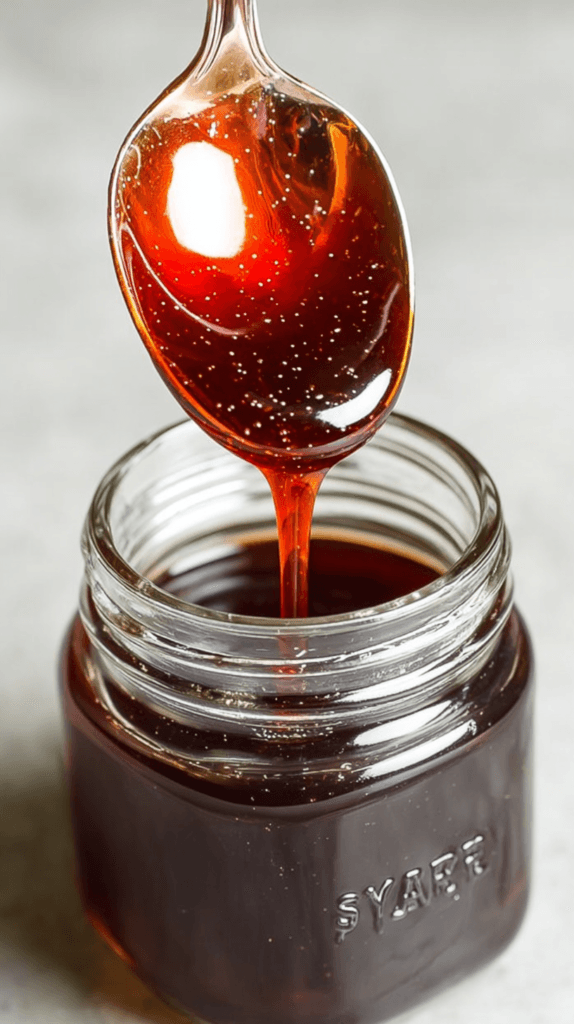
Timing & Yield
- Active prep: about 20 minutes
- Simmer (extraction): 1½–2 hours
- Reduction: 45–60 minutes
- Total time: about 2½–3 hours
- Yield: ~1 cup (250 ml) thick syrup from 500 g dates (yield varies with squeeze strength and simmer time)
Texture & Doneness Cues
- Early reduction: Syrup is still splashy and thin; it won’t cling to a spoon.
- Approaching done: Bubbles look glossy and small, with a faint “slow lava” movement; spoon emerges coated.
- Fully done (pourable): Thick, shiny, ribbon-like drips that fall in a slow, steady stream.
- Thicker style: Reduce a few extra minutes until drops fall in heavy beads. Great for spooning, but note it firms more in the fridge.
Pro Tips for Success
- Squeeze well: The more juice you press from the cooked dates, the better your yield and the richer the flavor.
- Mind the heat: A vigorous but controlled simmer prevents scorching. Stir more often during the last 15 minutes.
- Stop early if unsure: You can always reheat and reduce further; over-reduction leads to a too-thick, taffy-like syrup.
- Adjust after cooling: If the chilled syrup is too thick, whisk in 1–2 teaspoons hot water to loosen. If too thin, return to the pot and simmer a bit more.
- Brighten wisely: A microscopic pinch of salt or a whisper of lemon zest can make flavors “pop” without changing the character.
- Clarity vs. yield: A second pass through fresh cheesecloth gives a cleaner look but slightly lowers yield; decide based on preference.
- Scale smart: Doubling works, but use a wider pot to keep the reduction time reasonable and minimize hot spots.
Flavor Variations
- Cinnamon & Vanilla: Add ¼ tsp cinnamon and ½ tsp vanilla extract at the very end for a warm, dessert-forward vibe.
- Espresso Date Syrup: Stir in 1–2 tablespoons very strong brewed coffee during the last 5 minutes for mocha notes.
- Citrus Kiss: Add a thin strip of orange or lemon zest during the reduction; remove at the end.
- Tahini-Ready Blend: Whisk a spoonful of syrup with a small pinch of salt and a drizzle of lemon juice to create a quick drizzle for roasted veggies or grain bowls.
Serving Suggestions
- Breakfast: Drizzle over oatmeal, yogurt bowls, pancakes, waffles, and French toast.
- Baking: Swap part of the sweetener in quick breads, muffins, energy bars, and granola. Because date syrup adds moisture and color, start by replacing ¼ to ⅓ of the listed sweetener and reduce other liquids slightly if needed.
- Snacks: Stir into peanut or almond butter for a quick spread; toss with nuts and seeds before toasting for a caramelized finish.
- Sauces & Dressings: Whisk with olive oil, mustard, lemon, and a pinch of salt for a balanced vinaigrette; glaze roasted carrots, squash, or Brussels sprouts in the last 10 minutes of roasting.
- Beverages: Swirl a teaspoon into iced tea or warm milk. Dissolves best when mixed into a small splash of warm liquid first.
Storage, Shelf Life & Food Safety
- Refrigerate: Store in a clean, tightly sealed jar in the refrigerator for 3–4 weeks.
- Freezer-Friendly: Freeze in small silicone molds or an ice cube tray, then pop cubes into a bag for up to 3 months. Thaw overnight in the fridge.
- Clean utensils: Always use a clean, dry spoon to prevent contamination. If the syrup looks cloudy, smells off, or shows mold, discard.
- Crystallization: Rare, but if it happens from over-reduction, warm the jar in a water bath and stir in a teaspoon of hot water to dissolve.
Nutrition Facts (Per Tablespoon)
Estimated values; will vary with brand of dates and final thickness.
| Serving | Calories | Carbs (g) | Sugars (g) | Fiber (g) | Fat (g) | Sodium (mg) |
|---|---|---|---|---|---|---|
| 1 Tbsp | 45 | 12 | 10 | 0.4 | 0 | 1 |
Troubleshooting Guide
- Syrup too thin after cooling: Return to a small saucepan and simmer 5–10 minutes more, stirring often. Re-test on a cold plate.
- Syrup too thick/taffy-like: Whisk in 1–3 tsp hot water, a little at a time, until it relaxes to a slow-pour consistency.
- Burnt edge or bitter taste: Overly high heat near the end can scorch sugars. Next time, lower the heat and stir more often in the final 10 minutes.
- Low yield: Press the pulp more firmly or simmer the initial extraction a touch longer. Softer dates (or pre-soaking) also help.
- Stringy bits in syrup: Strain again through fresh cheesecloth or a nut-milk bag for a finer texture.
FAQ About Date Syrup Recipe
Is date syrup the same as date paste?
No. Date paste blends whole dates into a thick spread with all the fiber still in. Date syrup extracts the liquid sugars and concentrates them, resulting in a smooth, pourable sweetener with a glossy finish and fewer solids.
Can I use fresh dates instead of dried?
Yes, but fresh dates hold more moisture and can vary widely. Pit and chop them, skip the pre-soak, and start with a shorter initial simmer. Expect slightly different yield and flavor.
Will this work with fewer dates?
It will, but stovetop reduction becomes less efficient. For small test batches, use 250 g dates to 500 ml water, then reduce. Watch the pot closely—small volumes thicken quickly.
Can I make this in an Instant Pot?
You can pressure-cook the extraction phase (dates + water) for 15–20 minutes on High with natural release, cool, strain, and then do the reduction on the stovetop. It won’t save time on the reduction, but it can free you from stirring during extraction.
How do I use date syrup in baking?
Start by replacing ¼ to ⅓ of the sweetener in recipes and reduce liquids slightly. Date syrup adds moisture and browning, so keep an eye on doneness a few minutes early.
Does date syrup taste like caramel?
It has a caramelly character thanks to the natural sugars and gentle browning during reduction, but it also tastes fruity—a little like raisins or figs, depending on the dates used.
Can I can (preserve) date syrup for the pantry?
This recipe is designed for refrigeration. If you’re experienced with canning, consult safe, tested guidelines for sugar syrups before attempting shelf-stable storage. When in doubt, refrigerate or freeze.
TastyInspo Notes
- Soak to start clean: A brief hot-water soak lifts dust and tames bitterness so your final syrup tastes pure.
- Squeeze like you mean it: The press step sets your yield and flavor. Warm hands, firm pressure, and patience win.
- Use a wide pot for reduction: More surface area = faster, gentler thickening with less risk of scorching.
- Aim for “slow ribbon”: When a spoonful falls back in a slow ribbon that briefly sits on the surface, you’re at pourable perfection.
- Let it cool before judging: Syrup thickens as it cools. Stop just shy of the target thickness on the stove.
- Customize last: A pinch of salt or a breath of cinnamon at the finish makes flavors pop without masking the dates.
- Jar small, use often: Store in a smaller jar to reduce air exposure and keep flavor bright. Refill from a larger container if you’ve made a double batch.
Final Thoughts
With nothing more than dates, water, and a little time, this date syrup recipe gives you a jar of glossy, richly flavored sweetness that works at breakfast, in baking, and far beyond. The method is soothingly simple—extract, strain, reduce—and the results are consistently rewarding: a fruit-forward syrup that’s warm, caramelly, and ready to drizzle. Make a single jar to start, then scale it up once you realize how quickly it disappears on pancakes, in yogurt, over roasted veggies, and in dressings. Keep a spoon handy—you’ll find yourself reaching for silan day after day.