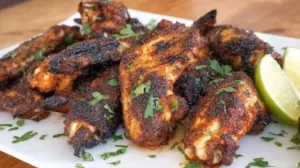
The easiest way to make great chicken taste outstanding is a dependable bbq chicken rub you can mix in five minutes with pantry spices. This balanced blend leans savory with gentle sweetness, warm aromatics, and a whisper of heat. Rub it onto drumsticks, thighs, wings, or a whole spatchcocked bird before grilling, roasting, air-frying, or pan-searing, and you’ll get beautiful color, craveable bark, and juicy, well-seasoned bites all the way through. Keep a small jar ready in your spice drawer and you’ll never be more than a quick shake away from weeknight magic or game-day glory.
This version is purposefully simple and consistent: no rare spices, no complicated ratios, and no gritty texture. It’s built on paprika and brown sugar for color and caramelization, backed by savory garlic and onion, and rounded out with chipotle’s mellow smokiness plus a tidy pinch of black pepper. Use it exactly as written for a dependable all-purpose flavor, or tailor it to your preference with the variation ideas below. The rub doubles smoothly, stores well, and stays clump-free when you follow the moisture-control tips in this guide.
Why You’ll Love This BBQ Chicken Rub
- Five minutes, one bowl: Measure, mix, and you’re done—no special equipment needed.
- Everyday ingredients: Paprika, brown sugar, garlic, onion, salt, pepper, chipotle—classic and easy to find.
- Beautiful color & bark: Paprika and a touch of sugar help the surface brown without becoming sticky or burnt when used correctly.
- Flexible heat level: Keep it mild for family dinners or turn it up with cayenne or extra chipotle.
- Consistent results: The ratios are balanced so the rub seasons without overwhelming the natural flavor of chicken.
- Multipurpose: Great on chicken, but also tasty on roasted potatoes, grilled corn, or tofu cutlets.
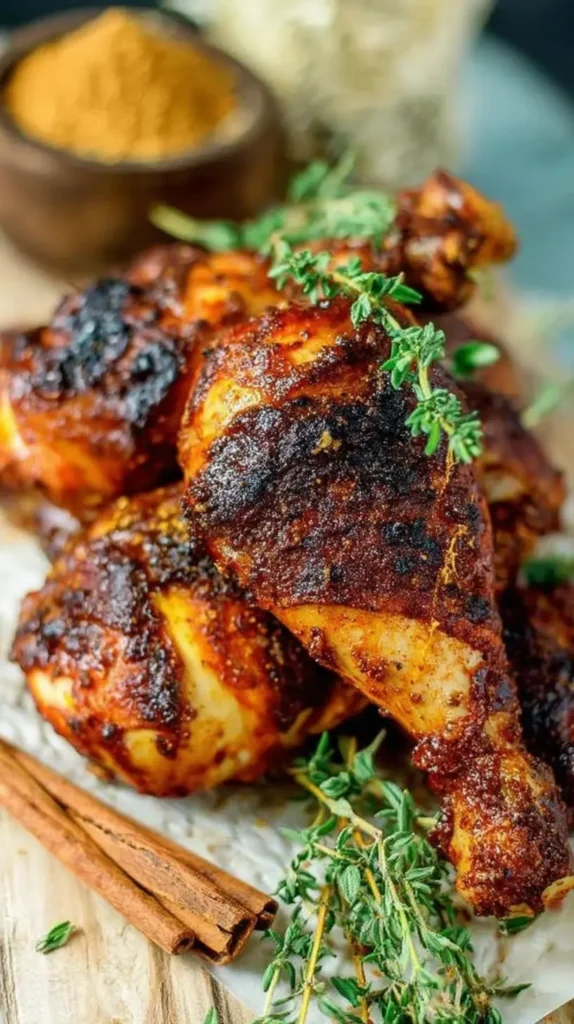
Ingredients for BBQ Chicken Rub
This makes about 4½ tablespoons—enough to season 3 to 4 pounds of chicken pieces (bone-in or boneless).
Core Blend
- 1 tablespoon paprika (regular or half regular/half smoked)
- 1 tablespoon brown sugar, lightly packed
- 2½ teaspoons garlic powder
- 2 teaspoons onion powder
- 1½ teaspoons kosher salt (use 1 teaspoon if using fine table salt)
- ¾ teaspoon ground black pepper
- ¼ teaspoon chipotle powder (or substitute mild chili powder if you prefer less heat)
Optional Add-Ins (choose 1–2)
- ¼–½ teaspoon cayenne for extra kick
- ½ teaspoon dry mustard for gentle tang and complexity
- ½ teaspoon dried thyme or oregano for a herby note
- ½ teaspoon ground cumin to deepen earthiness
Scaling tip: For a backyard cookout, double or triple the recipe and store the extra in an airtight glass jar. The ratios stay the same, so flavor remains consistent at any batch size.
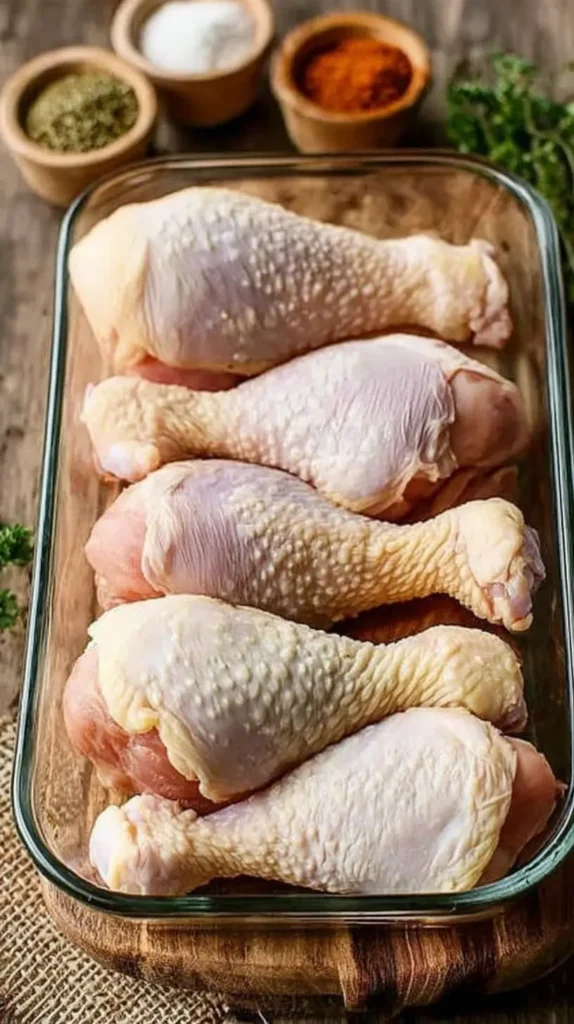
Ingredient Notes (and Smart Substitutions)
- Paprika: Use plain paprika for sweetness and color. Smoked paprika adds a subtle wood-smoked character; try half smoked and half regular to keep it balanced. If you only have hot paprika, reduce the chipotle or cayenne.
- Brown Sugar: A light touch of sugar helps with browning and rounds out the savory notes. If you prefer a less sweet rub, reduce it to 2 teaspoons. Coconut sugar works well as a 1:1 swap and is less prone to clumping.
- Garlic & Onion Powder: These are the backbone of savory depth. Granulated versions are interchangeable; they flow better and clump less than fine powders.
- Salt: This rub includes salt so you don’t need to pre-salt separately. If you dry brine your chicken in advance, reduce the rub’s salt to 1 teaspoon per batch.
- Chipotle Powder: Provides gentle heat plus a smoky, rounded finish. If you don’t have chipotle, use mild chili powder (American-style blend) for warmth without much heat, or a small pinch of cayenne for a cleaner, spicier lift.
- Dry Mustard / Cumin / Herbs: Optional, but these add nuance. Use sparingly so they support rather than dominate.
Step-by-Step Instructions
Step 1 – Measure and Mix
Add all ingredients to a small bowl or jar. Use a whisk or small spoon to combine thoroughly, breaking up any brown sugar clumps. If you’re mixing in a jar, screw on the lid and shake vigorously until the blend looks uniform and free-flowing.
Step 2 – Prep the Chicken
Pat the chicken pieces dry with paper towels. Dry surfaces brown better and help the rub adhere. If the skin is very slick, score a shallow crosshatch pattern (especially on thighs) or lift the skin gently and rub a little seasoning underneath to flavor the meat directly.
Step 3 – Apply a Binder (Optional)
A thin film of olive oil or neutral oil can help the rub cling evenly, especially on skinless pieces. You only need about ½ to 1 teaspoon oil per pound of chicken—too much oil can inhibit browning.
Step 4 – Season Generously
Sprinkle the rub evenly on all sides. Aim for 1 to 1¼ tablespoons per pound of chicken. For skin-on pieces, season the skin a bit more heavily; for boneless skinless breasts, add a touch less and focus on even coverage.
Step 5 – Rest Briefly
Let the seasoned chicken rest for 10–20 minutes at room temperature while you preheat your grill, oven, air fryer, or skillet. This gives the rub time to hydrate and adhere, reducing rub runoff during cooking.
Step 6 – Cook to Temperature
Cook the chicken by your preferred method (see below) until it reaches 165°F (74°C) at the thickest part. Rest for 5–10 minutes before serving so juices redistribute.
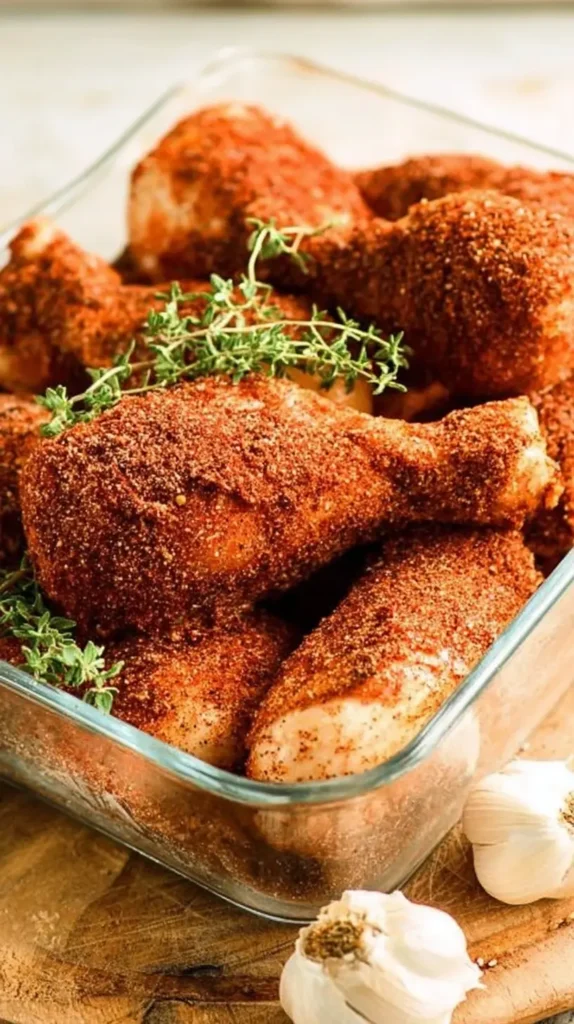
Cooking Methods for Rub-Seasoned Chicken
Grilling (Direct + Indirect)
- Preheat grill to medium-high (375–425°F / 190–220°C).
- Sear skin side down over direct heat for 3–5 minutes, until you see good color.
- Move to indirect heat, skin side up, and cook covered to 165°F.
- If flare-ups happen, shift pieces to a cooler zone and close the lid to regain control.
Why it works: Direct heat jump-starts browning; indirect heat finishes gently so the sugar in the rub doesn’t scorch.
Oven-Roasting
- Preheat to 400°F (205°C).
- Arrange chicken on a parchment-lined sheet or a rack set inside a rimmed tray.
- Roast 20–45 minutes depending on cut and size (wings cook fastest, bone-in thighs take longer).
- Optional: Broil 1–2 minutes for extra color, watching closely.
Pro tip: A wire rack allows hot air to crisp the underside so the bark forms evenly.
Air Fryer
- Preheat to 380–390°F (193–199°C).
- Arrange chicken in a single layer; avoid crowding.
- Cook 8–22 minutes (thin cutlets: less time; drumsticks and thighs: more), flipping halfway.
- Check for 165°F; add a minute or two if needed.
Bonus: Air frying delivers crisp edges quickly—great for wings and tenders.
Skillet + Oven Finish
- Heat a heavy skillet over medium-high until hot. Add a thin sheen of oil.
- Sear skin side down 2–4 minutes, then flip.
- Transfer the skillet to a 375°F (190°C) oven and roast to 165°F.
Why you’ll love it: Deep golden crust plus juicy interior, ideal for thick breasts or thighs.
Pro Tips for Success
- Mind the sugar: The modest amount in this rub is there to help browning, not to make the chicken taste sweet. Use moderate heat and move to indirect zones if you see excessive darkening.
- Season under the skin: Lifting the skin and rubbing a small pinch directly on the meat gives deeper flavor without oversalting the surface.
- Use a light binder: Too much oil can make the rub muddy. A thin film is enough to help adhesion.
- Let it rest: A short rest after seasoning and after cooking improves adherence and juiciness.
- Cook by temperature, not time: Chicken thickness varies widely; a digital thermometer is your best friend.
- Batch and label: Mix a double batch, label it with the date, and you’re always ready for last-minute dinners.
Flavor Variations (Easy Twists)
- Sweet-Heat Honey Style: Reduce brown sugar to 1 teaspoon in the rub. After cooking, brush hot chicken with a light drizzle of warm honey and lemon juice for a glossy finish.
- Citrus-Herb Lift: Add 1 teaspoon lemon zest to the rub and finish cooked chicken with a squeeze of lemon and chopped parsley. Bright and fresh.
- Smoky-Bold: Use all smoked paprika and increase chipotle to ½ teaspoon. Add ¼ teaspoon cumin for depth.
- Garlic-Major: Increase garlic powder to 1 tablespoon and onion powder to 2½ teaspoons; reduce paprika slightly to keep balance.
- Herb Garden: Add 1 teaspoon dried thyme and ½ teaspoon oregano. Fantastic on roasted bone-in thighs and drumsticks.
Serving Suggestions
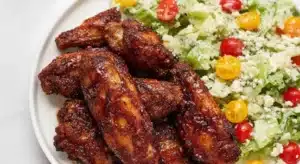
- Grill Plate: Serve with grilled corn, roasted potatoes, or a crisp green salad with lemony dressing.
- Picnic Style: Slice boneless breasts and pile into warm flatbreads with lettuce, tomato, and a light yogurt-herb sauce.
- Game-Day Wings: Toss air-fried wings in a touch of olive oil and extra rub after cooking for a lively finish.
- Family Dinner: Pair with skillet green beans and a pan of roasted sweet potatoes dusted with the same rub.
Storage and Make-Ahead
- Rub Storage: Keep your bbq chicken rub in an airtight jar away from heat, light, and humidity. Stored properly, it maintains best flavor for up to 6 months.
- Moisture Control: Always use a dry spoon to scoop. Don’t shake the jar directly over steaming food—steam causes clumping.
- Pre-Seasoning: You can season chicken up to 12 hours in advance and refrigerate it covered. For extra-crisp skin, uncover the chicken for the last 1–2 hours in the fridge to dry the surface.
- Leftovers: Cooked, seasoned chicken keeps 3–4 days refrigerated. Slice for salads or wraps; the rub’s flavor holds up well.
Nutrition Facts (Per Teaspoon of Rub)
(Approximate; based on the core blend. Actual values vary by brand and optional add-ins.)
| Nutrient | Amount |
|---|---|
| Calories | ~7 |
| Carbohydrates | ~1.5 g |
| Protein | ~0.1 g |
| Total Fat | ~0.1 g |
| Sodium | ~220 mg |
| Fiber | ~0.3 g |
How much rub per serving? Plan on 1 to 1¼ tablespoons per pound of chicken. For a typical 6-ounce cooked serving of chicken, you’ll consume roughly ½ to ¾ teaspoon of rub, depending on how much adheres and how much remains on the pan or grill.
FAQ About BBQ Chicken Rub
Can I make this rub less sweet or completely unsweetened?
Yes. Reduce the brown sugar to 1–2 teaspoons for just a hint of caramelization, or omit it entirely if you prefer. Without sugar, watch your heat a bit less carefully, but you’ll get a drier, more purely savory bark. If you skip sugar, consider adding ½ teaspoon dry mustard or an extra ¼ teaspoon paprika for balance.
How do I prevent the rub from burning on the grill?
Two keys: control your heat and use two-zone grilling. Start with medium-high heat for color, then move the chicken to indirect heat to finish gently. If flare-ups happen, close the lid and shift pieces away from direct flames. The small sugar amount helps browning but will only scorch if exposed to intense direct heat for too long.
Should I salt the chicken separately or rely on the rub?
This rub includes salt in a balanced ratio, so separate salting isn’t necessary. If you like to dry brine (salt the chicken in advance), reduce the rub’s salt to 1 teaspoon per batch and apply the rub closer to cooking time.
What if I only have smoked paprika?
That’s fine. Using all smoked paprika makes the rub a little deeper and warmer. If it tastes too smoky for you, cut the chipotle powder to ⅛ teaspoon or use mild chili powder instead.
Can I use this rub on other proteins or vegetables?
Absolutely. It’s delicious on tofu cutlets, roasted chickpeas, or hearty vegetables like cauliflower steaks and sweet potatoes. For veggies, toss with a small amount of olive oil and 1–2 teaspoons of rub per pound, then roast until tender and browned.
How long can I store homemade rub?
For peak aroma, use within 6 months. The spices won’t “go bad” quickly, but their essential oils fade over time. Keep the jar sealed tight, away from light and heat. If the rub clumps, spread it on a sheet of parchment and crumble gently with clean, dry fingers or a fork.
Do I need a binder like oil or mustard?
A binder is optional. A light film of olive oil helps the rub adhere evenly to skinless pieces, but too much can create a paste that hinders browning. For skin-on chicken, patting dry and pressing the rub on firmly is usually sufficient.
How do I keep the rub from tasting gritty?
Use granulated garlic and onion (or standard “powder” that isn’t ultra-fine), and sift or whisk the blend well. Let the seasoned chicken rest 10–20 minutes before cooking so the spices hydrate slightly and adhere to the surface.
Final Thoughts
A reliable bbq chicken rub is the home cook’s secret advantage: quick to mix, endlessly useful, and capable of turning simple chicken into a plate that looks and tastes special. With balanced sweetness, warm aromatics, and adjustable heat, this blend gives you flexibility for weeknights and weekend cookouts alike. Batch it once, label the jar, and enjoy stress-free, flavor-forward chicken any time—grilled, roasted, air-fried, or pan-seared. And when you’re ready to personalize, the variations here make it simple to nudge the flavor toward bright citrus, cozy herb garden, or smoky-bold territory without rebuilding the recipe from scratch.
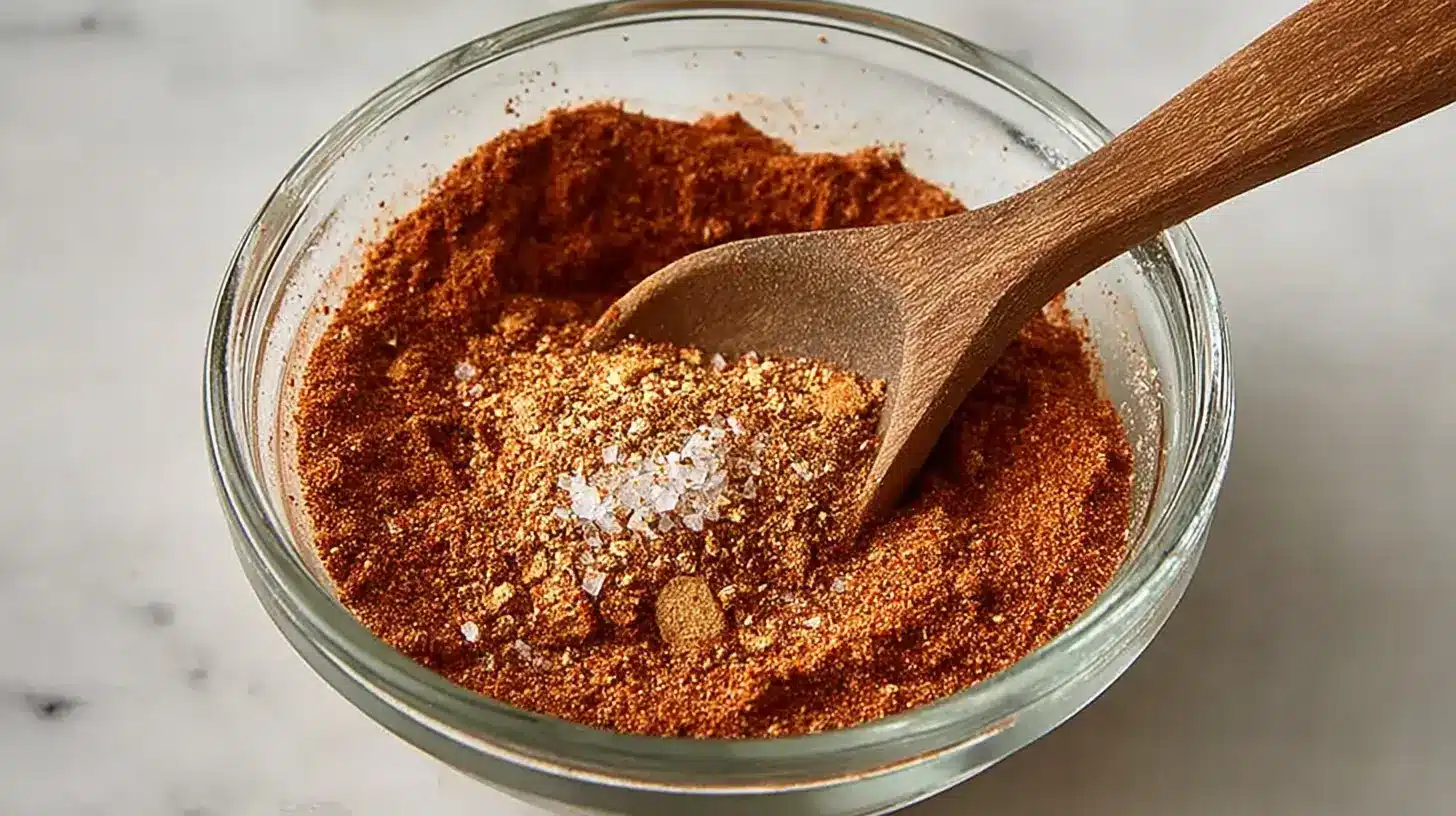
BBQ Chicken Rub: Easy, Flavor-Packed Blend
Ingredients
- 1 tablespoon paprika regular or half regular/half smoked
- 1 tablespoon brown sugar lightly packed
- 2.5 teaspoons garlic powder
- 2 teaspoons onion powder
- 1.5 teaspoons kosher salt use 1 tsp if using fine table salt
- 0.75 teaspoon ground black pepper
- 0.25 teaspoon chipotle powder or substitute mild chili powder
- 0.25 teaspoon cayenne pepper (optional) for extra heat
- 0.5 teaspoon dry mustard (optional)
- 0.5 teaspoon dried thyme or oregano (optional)
- 0.5 teaspoon ground cumin (optional)
Instructions
- Add all ingredients to a bowl or jar. Whisk or shake until evenly combined and free of clumps.
- Pat chicken dry. Optionally rub with a thin layer of oil to help the rub stick better.
- Sprinkle rub generously over chicken (about 1–1¼ tablespoons per pound), coating all sides.
- Let seasoned chicken rest 10–20 minutes while preheating grill, oven, air fryer, or skillet.
- Cook the chicken to 165 °F (74 °C) internal temperature using your preferred method (grill, oven, air fryer, or pan). Let rest 5–10 minutes before serving.