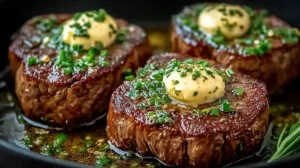
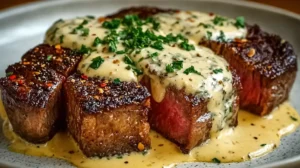
Grilled Wagyu Steak is the kind of backyard showstopper that proves simple technique beats complicated marinades: a blazing-hot sear for crust, a gentle finish to your target doneness, and a good rest so all that legendary marbling stays buttery and tender.
Why You’ll Love This Grilled Wagyu Steak
- Minimal effort, maximum payoff: Salt, pepper, heat, and timing—nothing fussy needed.
- Two-zone control: Sear hard, then finish gently for edge-to-edge doneness.
- Buttery tenderness: High marbling melts into the meat, delivering a luxe mouthfeel.
- Repeatable cues: Clear temperatures and timing take the guesswork out.
- Flexible setup: Works on gas or charcoal, with or without cast-iron grates.
- Restaurant quality at home: That deep crust and rosy interior feel truly special.
What Is Grilled Wagyu Steak?
Wagyu refers to breeds prized for intense marbling. On the grill, that intramuscular fat renders at relatively low temperatures, basting the meat from within and creating a soft, luxurious bite. The goal isn’t to mask that character but to highlight it with a crisp crust, juicy interior, and clean seasoning. A two-zone fire—one side roaring hot, the other cooler—lets you sear fast without overcooking. It’s the safest, most consistent way to land perfect results.
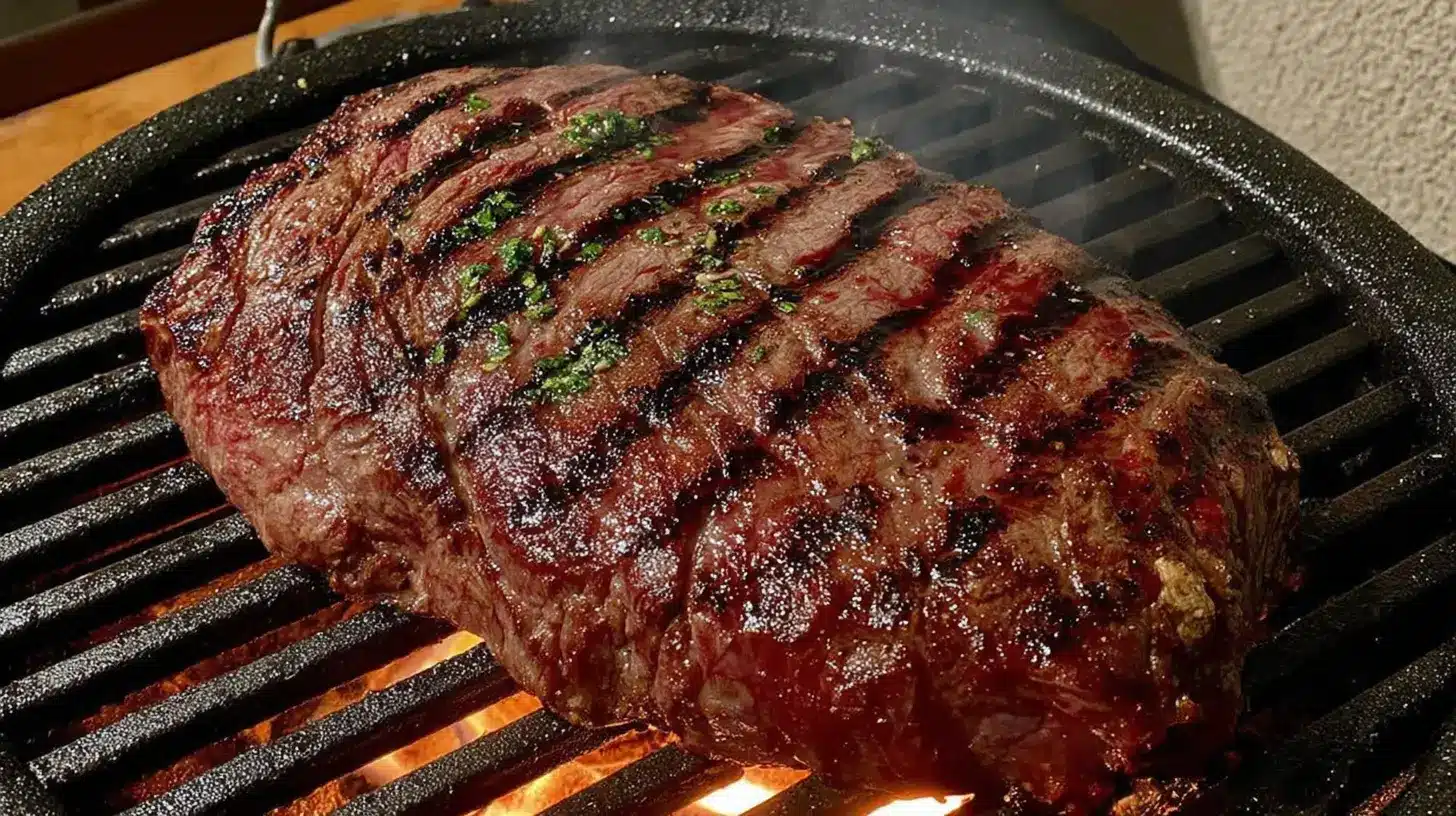
Grilled Wagyu Steak
Ingredients
Main
- 1–2 Wagyu steaks (ribeye, strip, or similar), 1–1½ inches thick
- 0.5–0.75 tsp kosher salt per steak
- to taste freshly ground black pepper
- as needed neutral high-heat oil (for grates) e.g. avocado or canola
Optional Finish & Garnish
- 1 small knob butter to melt on top
- 1 wedge lemon for bright finish
- chopped chives or parsley to garnish
Instructions
- Step 1 – Temper, Dry, and Season: Remove steaks from the fridge 30–45 minutes before grilling. Pat dry thoroughly. Season all sides generously with kosher salt. Grind pepper just before grilling.
- Step 2 – Prepare a Two-Zone Fire: Preheat grill for 10–15 minutes. Set one side to high (direct) and the other to low or off (indirect). Brush and oil the grates.
- Step 3 – Sear for Crust: Place steaks on the hot zone. Sear 1–3 minutes per side with lid open until deep brown. Sear fat cap by standing the steak on edge with tongs if needed.
- Step 4 – Finish Gently to Temperature: Move steaks to the indirect zone. Close lid and cook to your desired doneness. Use thermometer: Rare 120–125°F (49–52°C), Medium-rare 128–130°F (53–54°C), Medium 135–140°F (57–60°C).
- Step 5 – Rest and Finish: Transfer steaks to a warm plate or board. Rest 5–10 minutes, tented loosely. Optional: dot with butter, squeeze lemon, and garnish with herbs.
- Step 6 – Slice and Serve: Slice strip steaks against the grain into ½-inch strips. Serve ribeye whole or sliced. Spoon resting juices over the top.
Notes
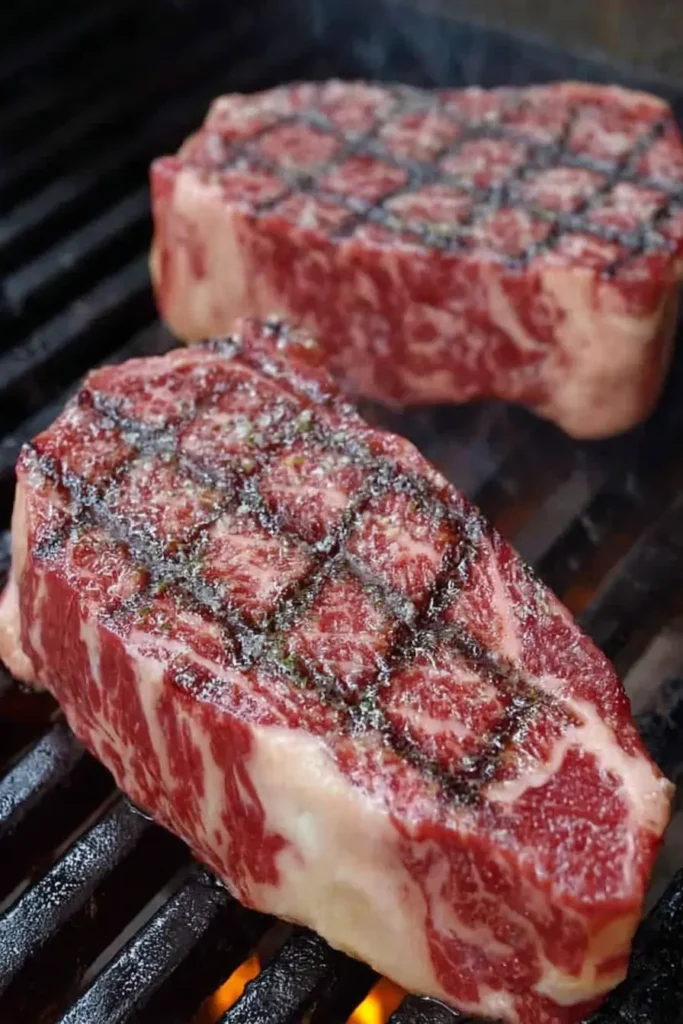
Ingredients for Grilled Wagyu Steak
- 1–2 Wagyu steaks (ribeye, strip, or similar), 1–1½ inches thick
- Kosher salt
- Freshly ground black pepper
- Neutral, high-heat oil for the grates (avocado, canola, etc.)
Optional Finish & Garnish
- Small knob of butter to melt on top
- Lemon wedge for a bright finish
- Chopped chives or parsley
Ingredient Notes
- Cut choice: Ribeye is extra plush from marbling. Strip is a touch firmer with bold beefy flavor. Both excel on the grill.
- Thickness: 1 to 1½ inches is ideal for the sear-then-finish method. Thinner cuts finish almost entirely over direct heat; thicker can benefit from a brief indirect finish or even a reverse-sear approach.
- Seasoning: Keep it simple so the natural flavor shines. Salt ahead of time for deeper seasoning; pepper right before grilling so it doesn’t scorch.
Step-by-Step Instructions
Step 1 — Temper, Dry, and Season
Take the steaks out of the fridge 30–45 minutes before grilling. Pat completely dry; moisture is the enemy of a good crust. Salt all sides generously (about ½–¾ teaspoon kosher salt per 12-ounce steak). Let the seasoning settle while the grill heats. Grind pepper just before the steaks go on.
Step 2 — Prepare a Two-Zone Fire
- Gas grill: Preheat all burners on high for 10–15 minutes. Brush and oil the grates. Then set one side to high (searing zone) and the other to low or off (indirect zone).
- Charcoal grill: Mound, light, and let coals ash over. Bank them to one side to create a hot zone and a cooler zone. Brush and oil the grates.
Target very hot direct heat for searing—think 450–550°F at grate level. The indirect side should be moderate, roughly 300–350°F.
Step 3 — Sear for Crust
Place steaks on the hot side. Sear 1–3 minutes per side, lid open, until you see deep brown coloring and light grill marks. Don’t force a flip; when a crust forms, the steak releases easily. If your steak has a fat cap, use tongs to stand it on its edge for 20–30 seconds to render and crisp.
Flare-up control: If flames leap, shift the steak briefly to the cool zone, then back to direct heat. Keep the lid open during searing so you can manage flare-ups in real time.
Step 4 — Finish Gently to Temperature
Move steaks to the indirect zone. Close the lid and cook to your target internal temperature, checking with an instant-read thermometer.
- Rare: pull at 120–125°F (49–52°C)
- Medium-rare: pull at 128–130°F (53–54°C)
- Medium: pull at 135–140°F (57–60°C)
Carryover heat will raise the temp 3–5°F during rest. Because Wagyu is richly marbled, medium-rare highlights tenderness without losing juiciness.
Step 5 — Rest and Finish
Transfer to a warm plate or board. Rest 5–10 minutes, tented loosely with foil. This pause lets juices redistribute for a luscious bite. Dot with a small knob of butter if you like, add a few drops of lemon for brightness, and finish with fresh herbs.
Step 6 — Slice and Serve
For strip steaks, slice against the grain into ½-inch strips. Ribeyes can be served whole or sliced; trim around the eye and cap if you want to show off different textures. Spoon any resting juices over the top.
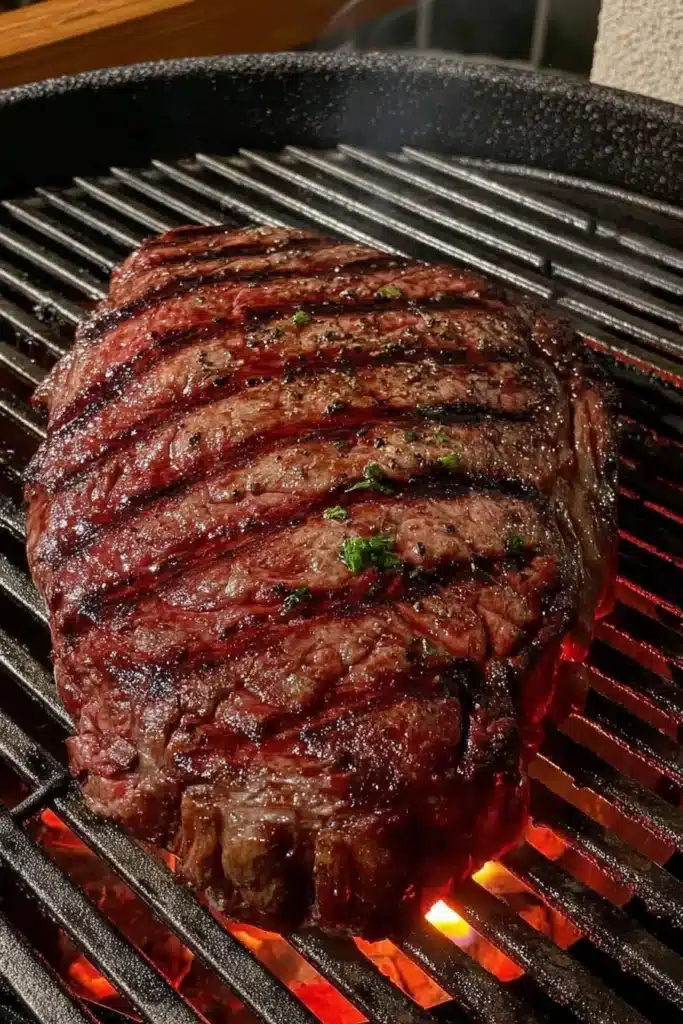
Pro Tips for Success
- Dry equals crisp: Pat the surface thoroughly before seasoning and again just before grilling if moisture appears.
- Salt timing: Salt 30–60 minutes ahead for deeper seasoning, or salt the night before and chill uncovered for a dry-brine effect and extra browning.
- Pepper protection: Add pepper right before the grate so it flavors the crust without burning.
- Thermometer discipline: The marbling masks doneness by feel. Use temperature to avoid overshooting.
- Two-zone insurance: That cooler side is your safety net. If the exterior darkens too fast, move the steak and finish gently.
- Rest, always: Skipping the rest leaks precious juices onto the board instead of into your bite.
- Grate contact: Clean, preheated, lightly oiled grates prevent sticking and build even color.
- Wind & weather: Wind cools grates quickly. Give yourself extra preheat time on breezy days to keep the hot zone truly hot.
Flavor Variations
- Herb Brush: Tie fresh thyme and parsley into a small bundle. Dip in a little melted butter and brush the steak lightly after searing.
- Garlic-Herb Butter: Mash soft butter with grated garlic and chopped parsley. Rest steaks with a thin pat on top to melt.
- Citrus Lift: Finish with lemon zest and a squeeze of lemon to brighten the richness.
- Peppercorn Pop: Coarsely crack black pepper and press lightly on the surface just before searing for extra aroma.
- Miso Umami: For a different angle, whisk a teaspoon of white miso with a little warm water and brush lightly on the steak in the last minute over indirect heat, then rest.
Serving Suggestions
- Classic steak plate: Roasted potatoes or fries, grilled asparagus, and a crisp salad with a lemony dressing.
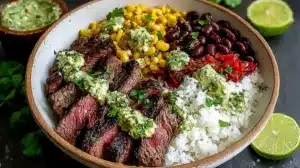
- Grain bowl: Sliced Wagyu over warm rice or quinoa with charred scallions and quick-pickled cucumbers.
- Veg balance: Grilled broccolini or green beans add brightness and crunch.
- Sauce, sparingly: The steak doesn’t need much—try a light pan jus (resting juices whisked with a spoon of warm broth) or a thin drizzle of herb butter.
Storage and Reheating Instructions
- Refrigerate: Wrap leftovers and refrigerate up to 3 days.
- Reheat gently: Warm slices in a covered skillet over low heat with a spoon of broth until just heated through. Avoid high heat, which can tighten the fat and dry the meat.
- Freeze: For best texture, enjoy fresh. If needed, freeze tightly wrapped slices up to 1 month; thaw overnight in the fridge and rewarm briefly.
Nutrition Facts (Per Serving)
Approximate values for a 10–12 oz Wagyu steak, cooked and rested; values vary by cut and marbling.
| Calories | Protein | Carbs | Fat | Fiber | Sodium |
|---|---|---|---|---|---|
| ~780 | ~48 g | 0 g | ~64 g | 0 g | ~520 mg |
FAQ About Grilled Wagyu Steak
What grill temperature is best for searing Wagyu?
Aim for 450–550°F at the grate for the direct zone. You want immediate sizzle and browning without burning. Preheat longer than you think, clean the grates, then oil lightly right before the steak goes down.
Should I use the reverse-sear method instead?
You can. Reverse-sear is great for thicker cuts (1½–2 inches). Cook the steak first on indirect heat at ~250–275°F until it’s 10–15°F shy of your target, then sear 30–60 seconds per side over direct heat to finish the crust. The two-zone method in this guide simply flips the order (sear first, finish gently) and works beautifully for 1–1½-inch steaks.
How do I avoid flare-ups with a fatty steak?
Keep the lid open during the sear so you can move quickly. If flames jump, shift the steak to the cool zone for a moment. Trim only excess, loose exterior fat—don’t trim marbling. A clean, hot grate also helps by reducing sticking that can tear and drip.
Is medium-rare the only doneness that works?
Medium-rare shows off Wagyu’s texture best, but you can cook to medium and still enjoy plenty of tenderness. If you prefer medium, finish slowly over indirect heat and pull at 135–140°F, letting carryover heat finish the job.
Do I need to marinate Wagyu?
No. Rich marbling is the star; heavy marinades can overpower it and may cause burning. A simple salt-and-pepper approach lets the beef speak for itself. If you want an aromatic finish, use a light herb butter or a squeeze of lemon after grilling.
How long should I rest the steak?
Rest 5–10 minutes depending on size. Resting longer than that can cool the surface too much; if you need to hold, tent loosely with foil and keep in a warm spot.
Can I grill Wagyu on a cast-iron grate or skillet over the grill?
Absolutely. Cast iron gives superb contact for a uniform crust. Preheat it until just smoking, oil lightly, and proceed with the same two-zone approach—sear on the hot side, then move to indirect to finish.
What if my steak is thinner than 1 inch?
Sear over direct heat 60–90 seconds per side, then slide briefly to indirect and start checking temperature almost immediately. Thin steaks race to doneness; rely on your thermometer.
How do I slice Wagyu for the best texture?
For strip steaks, slice against the grain into ½-inch pieces. Ribeye can be served whole or sliced; if slicing, angle the knife slightly for wider, luxurious pieces. Always pour any resting juices back over the slices.
Why did my crust look pale?
Common causes are a cool grill, wet steak surface, or frequent flipping. Preheat thoroughly, pat very dry, and give the first side time to brown before moving. If using charcoal, add a few fresh hot coals to boost heat.
TastyInspo Notes
- Dry-brine overnight: Salt the steak and refrigerate uncovered on a rack. The surface dries for extra browning and deeper seasoning.
- Micro-score the fat cap: Tiny shallow cuts (⅛-inch) help render and crisp without curling.
- Thermal “stair-step”: If temps climb too slowly on indirect, push the steak a few inches closer to the hot zone rather than returning to full direct heat.
- Butter timing: Add butter after searing so milk solids don’t burn; let it melt during rest for a silky glaze.
- Bright finish trick: A few drops of lemon sharpen richness without turning the steak “lemony.”
- Cut awareness: The ribeye cap (spinalis) eats especially tender—slice to showcase it for guests.
- Serve warm plates: A briefly warmed plate keeps slices luscious from first bite to last.
Final Thoughts
Grilled Wagyu Steak rewards restraint and precision. With a two-zone fire, a fierce sear, and a calm finish, you’ll get a crackling crust and a plush, juicy center that honors the steak’s extraordinary marbling. Keep the seasoning simple, trust your thermometer, and let carryover heat and a short rest handle the final polish. Once you taste how rich yet balanced a properly grilled Wagyu can be, this method will become your gold standard for special-occasion grilling—proof that simple techniques, done well, create unforgettable results.