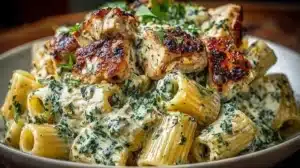
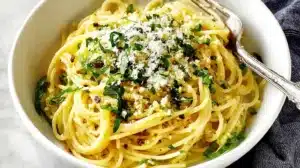
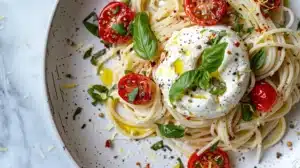
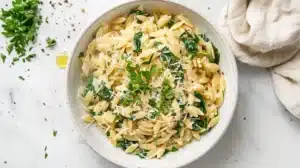
Pesto recipe without pine nuts is the budget-friendly, weeknight-ready twist on classic Genovese pesto: bright basil, good extra-virgin olive oil, walnuts (or seeds) for body, Parmesan for savory depth, lemon for lift, and garlic for a warm bite. In just 10–15 minutes, you’ll have a silky, vibrant green sauce that clings to hot pasta, perks up sandwiches, and turns roasted veggies, grain bowls, and even omelets into something special.
Why You’ll Love This Pesto Recipe Without Pine Nuts
There are a few reasons this version earns a permanent spot in your rotation. First, it’s affordable—walnuts (or sunflower seeds) are easier on the wallet than pine nuts and are stocked in most supermarkets year-round. Second, it’s flexible—you can adjust the richness, garlic level, and lemony brightness to match your mood or the dish you’re serving. Third, it’s fast—a quick wash-and-whiz in the food processor delivers a restaurant-quality sauce in minutes. And finally, it’s reliable—a touch of lemon and a light film of oil on top help keep the color fresh, so you can make it ahead for meal prep without watching it turn dull.
Ingredients for Pesto Recipe Without Pine Nuts
Core Pesto
- 4 cups fresh basil leaves, packed (about 3–4 large handfuls)
- ½ cup extra-virgin olive oil, plus more as needed
- ¼ cup finely grated Parmesan (or Pecorino Romano)
- ½ cup walnuts, lightly toasted and cooled (see swaps below)
- 3 garlic cloves, roughly chopped
- Zest of 1 lemon + 2–3 tablespoons lemon juice
- ½ teaspoon fine salt, more to taste
- ½ teaspoon freshly ground black pepper
Optional Add-Ins (Pick 0–2)
- 1–2 tablespoons water (for a lighter, looser pesto)
- 2 tablespoons nutritional yeast (for extra cheesy, dairy-lighter vibes)
- A handful of spinach or arugula (for extra greens and a milder basil flavor)
- 1–2 teaspoons white miso (umami boost; helps vegan versions shine)
Ingredient Notes (Substitutions & Healthy Swaps)
- No Pine Nuts? No Problem. Walnuts give a buttery, slightly tannic note that balances basil’s sweetness. Other great options:
- Sunflower seeds (nut-free): clean, mildly toasty; ideal for school-safe lunches.
- Pumpkin seeds (pepitas): rich and earthy; fantastic color and creaminess.
- Almonds or cashews: sweeter and rounder; soak cashews 15 minutes in hot water for extra silkiness.
- Cheese Options: Parmesan is classic; Pecorino Romano is saltier and tangier (use a little less salt). For vegan, use a dairy-free Parmesan or nutritional yeast plus 1 teaspoon white miso to mimic aged-cheese complexity.
- Oil: A fruity extra-virgin olive oil is best. If your oil is very peppery, you may want slightly less black pepper. To reduce calories, replace 1–2 tablespoons oil with water—blend, taste, and adjust.
- Acidity: Lemon juice brightens flavor and slows browning. You can use a splash of white wine vinegar in a pinch (start with 1 teaspoon, then taste).
- Garlic: Raw garlic is punchy. For a softer flavor, blanch cloves for 30 seconds in boiling water or roast a whole head and use 3–4 mellow cloves.
- Allergy & Dietary Tweaks:
- Nut-free: use sunflower or pumpkin seeds; skip cheese or use vegan parm.
- Dairy-free/vegan: swap Parmesan with vegan parm, nutritional yeast, and/or miso.
- Low-sodium: reduce salt by half and rely on lemon juice to pop the flavors.
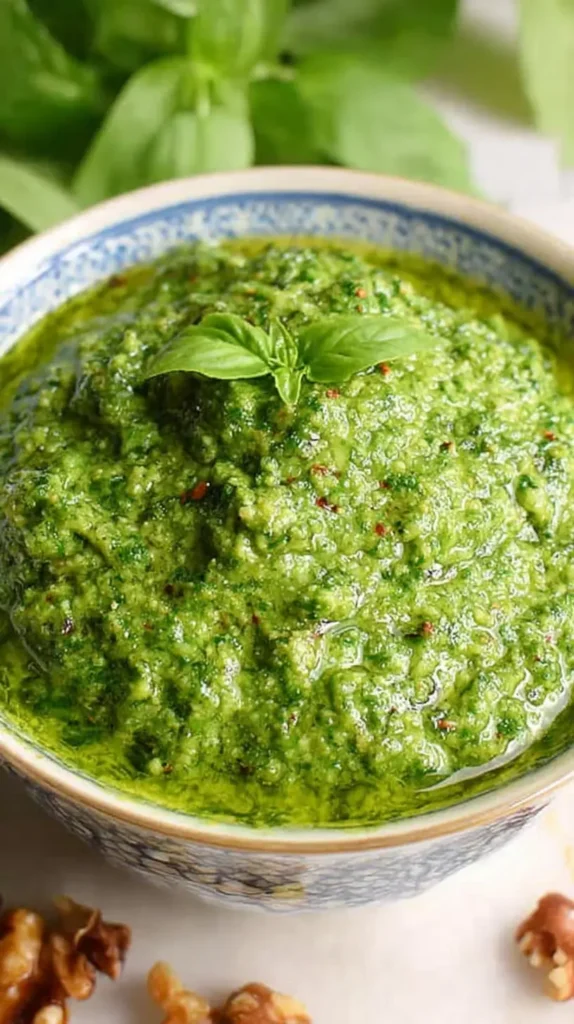
Step-by-Step Instructions
Step 1 – Prep the Greens and Nuts
Wash basil leaves and spin or pat completely dry—excess water can dull flavor and color. If using walnuts (or seeds), toast them in a dry skillet over medium heat for 3–4 minutes until fragrant, then cool. Toasting deepens flavor and helps the pesto taste “finished.”
Step 2 – Pulse the Aromatics
In a food processor, add garlic, salt, pepper, lemon zest, and walnuts (or seeds). Pulse 5–7 times until the nuts are finely chopped and the aromatics are evenly distributed. This creates a flavorful base that blends smoothly later.
Step 3 – Add Basil and Cheese
Add the basil and Parmesan. Pulse in short bursts, scraping down the bowl once or twice, until the basil is coarsely chopped and mixed with the nut-garlic mixture. You’re aiming for a fluffy, crumbly green mash—don’t purée yet.
Step 4 – Stream in the Oil
With the machine running, slowly stream in the olive oil through the feed tube. Watch the texture: it should turn into a cohesive, spoonable sauce that still has tiny flecks of basil. If it looks thick or paste-like, blend in 1–2 tablespoons water or a little more oil.
Step 5 – Finish with Lemon
Add 2 tablespoons lemon juice and pulse to combine. Taste. If it needs more brightness, add another 1 tablespoon lemon juice. If it tastes flat, add a pinch of salt. If it’s too sharp, blend in another teaspoon or two of Parmesan or a drizzle of oil.
Step 6 – Adjust Texture and Seasoning
For pasta, you want a looser sauce that coats evenly; add a splash of pasta cooking water (starchy and hot) to thin right before tossing. For sandwiches or dipping, keep it thicker. Season to taste with extra pepper or a pinch of red pepper flakes if you like heat.
Step 7 – Store Smart
Transfer pesto to a clean jar or small containers. Smooth the top and cover with a thin film of olive oil to limit oxidation. Seal and refrigerate. For longer storage, portion into ice cube trays, freeze, then move cubes to a freezer bag.
Pro Tips for Success
- Dry Basil Is Key: Water is the enemy of vibrant pesto. Thoroughly dry leaves to prevent a dull color and diluted flavor.
- Control the Heat of Garlic: Raw garlic can dominate. Start with 2 cloves if you’re sensitive; you can add more after tasting.
- Balance Like a Pro: Think salt → oiliness → acidity. If it tastes heavy, add lemon. If it’s sharp, add oil or cheese. If it’s bland, add salt (sparingly).
- Pulse, Don’t Purée: Over-processing can warm the pesto and bruise basil, shifting the color to olive-green. Short pulses preserve freshness.
- Toast Nuts/Seeds: It adds a roasty backbone that makes “no pine nut” pesto taste intentional, not like a compromise.
- Use Pasta Water: When serving with pasta, emulsify pesto with a little starchy cooking water for a glossy, clinging sauce.
Flavor Variations
- Spinach-Basil Pesto (Lighter & Kid-Friendly): Use 2 cups basil + 2 cups baby spinach. The flavor is gentler and the color stays shockingly green.
- Arugula-Walnut Pesto (Peppery Bite): Swap half the basil with arugula. Add ½ teaspoon honey or an extra teaspoon lemon to balance the pepperiness.
- Cilantro-Lime Pesto (Taco Night Hero): Replace basil with cilantro and parsley (half and half). Use lime zest and juice; great with shrimp, chicken, or roasted cauliflower tacos.
- Vegan “Parmesan” Pesto: Skip cheese; add 3 tablespoons nutritional yeast + 1 teaspoon white miso for umami. Adjust salt after blending.
- Nut-Free, School-Safe Pesto: Use toasted sunflower seeds; add a small pinch of smoked paprika for a subtle savoriness that mimics the complexity of aged cheese.
Serving Suggestions
- Pasta Perfection: Cook pasta al dente. Reserve ½ cup cooking water. Toss 1 cup cooked pasta with 2–3 tablespoons pesto, thinning with splashes of hot pasta water until glossy. Finish with Parmesan and fresh lemon zest.
- Sheet-Pan Vegetables: Roast cherry tomatoes, zucchini, and potato wedges. Spoon pesto over hot veggies right out of the oven for a fragrant finish.
- Sandwich Spread: Layer pesto on ciabatta with roasted peppers, fresh mozzarella (or vegan mozz), and balsamic-kissed greens.
- Grain Bowls: Toss warm farro or quinoa with pesto; top with chickpeas, blistered tomatoes, and shaved Parmesan.
- Eggs & Breakfast: Swirl into scrambled eggs, dollop on frittatas, or spread on toast with avocado and a squeeze of lemon.
- Seafood & Chicken: Brush pesto onto grilled salmon or chicken in the final minute of cooking to preserve color and freshness.
- Dip & Drizzle: Loosen pesto with lemon juice and a tablespoon of water for a salad drizzle; or mix with Greek yogurt for a creamy dip.
Storage and Freezing Instructions
- Refrigerator: Store in an airtight container up to 5–7 days. Smooth the surface and pour a thin layer of olive oil on top to limit exposure to air.
- Freezer: Freeze in ice cube trays or small containers for up to 3 months. Thaw in the refrigerator or stir a frozen cube directly into hot pasta water to melt.
- Color Care: Lemon and the oil cap slow oxidation, but some darkening is normal. Stir before serving; a quick splash of lemon can revive brightness.
- Food-Safety Tip: Always use clean utensils and avoid dipping bread or tasting spoons directly into the storage jar to maximize shelf life.
Nutrition Facts (Per Serving)
The numbers below are estimates for 2 tablespoons of pesto made with walnuts, Parmesan, and ½ cup olive oil. Exact values vary by ingredients and substitutions.
| Nutrient | Amount (Approx.) |
|---|---|
| Calories | 180 |
| Protein | 3 g |
| Carbohydrates | 3 g |
| Total Fat | 18 g |
| Saturated Fat | 3 g |
| Fiber | 1 g |
| Sodium | 180 mg |
Lower the calories and fat by replacing 1–2 tablespoons of oil with water and using part-skim cheese or vegan parm.
FAQ About Pesto Recipe Without Pine Nuts
Can I make pesto without any nuts at all?
Absolutely. Use sunflower or pumpkin seeds for a nut-free version with great texture. If you need to avoid both nuts and seeds, skip them and increase the cheese slightly, or add a tablespoon of nutritional yeast and 1–2 teaspoons of miso for body and umami. Expect a thinner sauce—delicious, just a bit less creamy.
Why add lemon to pesto?
A little lemon juice and zest brightens flavor, balances richness, and helps maintain a vibrant green color by slowing oxidation. If you prefer a purely classic profile, reduce the lemon to 1 tablespoon or swap in 1 teaspoon white wine vinegar.
My pesto turned brown—what went wrong?
Likely oxidation or over-processing. Basil bruises and darkens with heat and air. Pulse in quick bursts, stream oil slowly, and cover finished pesto with an oil film. A splash of lemon helps, and storing in small containers reduces the number of times you expose the batch to air.
Do I need a food processor, or will a blender work?
Both work, but a food processor gives better control and texture. High-speed blenders can make pesto too smooth or warm it slightly. If a blender is your only option, pulse at low speed, pause often, and scrape down the sides to prevent overheating.
Can I use pre-grated cheese?
Yes, but for the best melt and flavor, freshly grate Parmesan or Pecorino. Pre-grated cheese sometimes contains anti-caking agents that can slightly change texture. If using pre-grated, taste and adjust salt; some brands are saltier.
How much pesto do I need for pasta?
A good baseline is 2–3 tablespoons pesto per serving of pasta (about 75–85 g dry). Always loosen with a little hot pasta water to create a silky emulsion that coats each strand or shape without clumping.
Is this recipe family-friendly?
Yes. There’s no alcohol or pork, and the flavors are bright but approachable. If garlic is too strong for kids, blanch or roast it first, or start with 1–2 cloves and add more to taste.
What if my pesto tastes bitter?
Check your olive oil—some oils are peppery or bitter (not a bad thing, just strong). Balance with a touch more lemon or Parmesan, or blend in a small handful of spinach to soften edges. Lightly toasting nuts/seeds (and allowing them to cool) also reduces bitterness.
Final Thoughts
This pesto recipe without pine nuts proves that smart substitutions can deliver full-throttle flavor without the premium price tag. With basil’s perfume, walnut (or seed) richness, bright lemon, and just the right amount of garlic, you get a silky, versatile sauce that works on pasta, pizzas, veggies, sandwiches, and more. Master the pulse-and-stream method, keep an eye on balance (salt, acid, fat), and stash a jar in the fridge. Whether you’re cooking for a busy weeknight or dressing up a weekend spread, this fresh, fast pesto brings a burst of garden green to every plate.

Easy Pesto Recipe Without Pine Nuts
Ingredients
Core Pesto
- 4 cups fresh basil leaves, packed about 3–4 large handfuls
- 0.5 cup extra-virgin olive oil plus more as needed
- 0.25 cup finely grated Parmesan or Pecorino Romano
- 0.5 cup walnuts lightly toasted and cooled
- 3 cloves garlic roughly chopped
- 1 lemon, zest + 2–3 tablespoons lemon juice
- 0.5 teaspoon fine salt more to taste
- 0.5 teaspoon freshly ground black pepper
Instructions
- Step 1 – Prep the Greens and Nuts: Wash basil leaves and pat dry. Toast walnuts in a dry skillet over medium heat for 3–4 minutes until fragrant, then cool.
- Step 2 – Pulse the Aromatics: In a food processor, add garlic, salt, pepper, lemon zest, and walnuts. Pulse 5–7 times until finely chopped.
- Step 3 – Add Basil and Cheese: Add basil and Parmesan to the processor. Pulse until coarsely chopped and mixed.
- Step 4 – Stream in the Oil: With the machine running, stream in olive oil through the feed tube until it forms a cohesive sauce. Add water if needed to loosen.
- Step 5 – Finish with Lemon: Add lemon juice, pulse, and taste. Adjust salt, lemon, cheese, or oil as needed.
- Step 6 – Adjust Texture and Seasoning: Add water for pasta use or keep thick for spreads. Season to taste.
- Step 7 – Store Smart: Transfer to a clean jar. Smooth the top, cover with oil, and refrigerate or freeze.