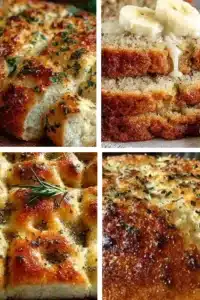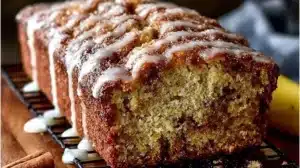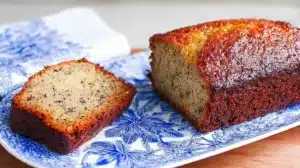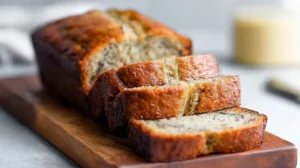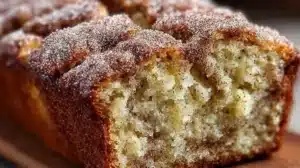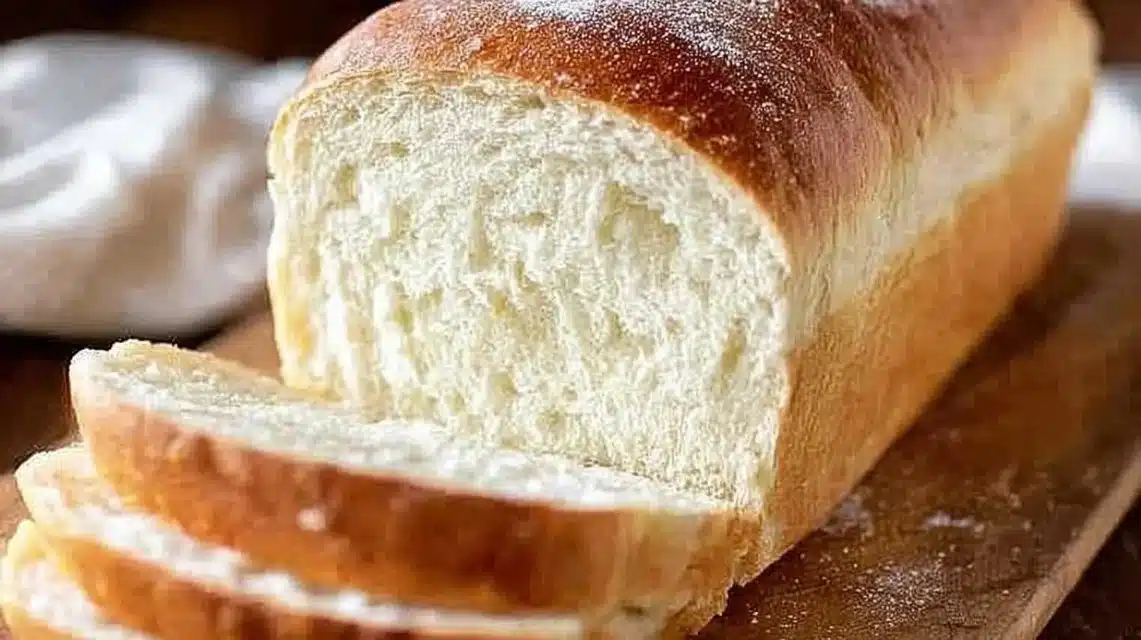
This bread bakes up with a thin, golden crust and a soft, springy crumb that tears into warm, pillowy slices. The honey (or sugar) adds a light sweetness while the oil keeps the loaf tender and moist for several days. It’s an easy, reliable everyday loaf you can make with common pantry staples and a little time for two rises. Slice it for sandwiches, toast it for breakfast, or serve warm with butter and jam. If you want a different quick loaf idea, try a similar method with our cinnamon swirl banana bread for a sweet morning treat.
Why You’ll Love This Homemade Bread
- Simple pantry ingredients you likely already have on hand.
- A soft, slightly chewy crumb perfect for sandwiches and toasting.
- Honey or sugar option to control sweetness and flavor.
- Oil keeps the loaf moist so it stays fresh for days.
- Two short rises develop flavor without complicated steps.
- Works with all-purpose or bread flour depending on what you have.
- Hands-on kneading is short — 4–8 minutes total — or let a stand mixer do the work.
- No specialty equipment required beyond a bowl and two 9×5" loaf pans.
What Is Homemade Bread?
Homemade bread here means a classic white-style loaf made from yeast, water, a sweetener, oil, salt, and flour. It tastes mildly sweet and wheaty with a soft interior and a light crust. The method uses active dry yeast that is first proofed, a short mixing and kneading period, then two rises before baking in 9×5" pans. The vibe is simple comfort food — weeknight sandwiches, weekend toast, brunch, or a warm loaf next to soup. It’s approachable for beginner bakers and easy to scale or adapt.
Ingredients for Homemade Bread
For the Dough
- 2 cups warm water (105-115 degrees) ((474g))
- 1 Tablespoon active dry yeast*
- 1/4 cup honey or sugar ((85g honey, 50g sugar))
- 2 teaspoons salt
- 2 Tablespoons oil (canola or vegetable) ((30 ml))
- 4 – 5 1/2 cups all-purpose or bread flour* ((500g-688g))
Notes: Use the honey measurement if using honey (85g), or the sugar measurement if using sugar (50g). The flour range allows for small adjustments based on humidity and flour type.
Ingredient Notes (Substitutions, Healthy Swaps)
- Yeast: Active dry yeast is listed. Instant yeast can be used at the same amount but skip the initial proof step; instead add yeast directly to the dry ingredients and increase water by a tablespoon if dough seems stiff.
- Sweetener: Swap honey for sugar using the quantities given. For a milder flavor, use light corn syrup or maple syrup in the same weight as honey (about 85g).
- Oil: Use canola, vegetable, or light olive oil. For a richer flavor, substitute melted butter (same volume).
- Flour: Bread flour gives more chew and rise; all-purpose works fine for a softer crumb. If using whole wheat, substitute up to 25% of the flour and add an extra tablespoon or two of water.
- Salt: Keep the listed salt amount for flavor and proper yeast activity. For low-sodium diets, reduce to 1 teaspoon but note flavor will be milder.
- Gluten-free: This recipe is not set up for gluten-free flours without significant changes (different binders and proportions needed).
Step-by-Step Instructions
Step 1 – Proof the yeast
In a large bowl or the bowl of a stand mixer, add the yeast, warm water (105–115°F), and a small pinch of the sugar or honey. Let sit 5–10 minutes until foamy and bubbly. This confirms the yeast is active.
Visual cue: The mixture should form a frothy layer on top; no foam means the yeast is inactive.
Step 2 – Mix the dough
Add the remaining sugar or honey, salt, oil, and 3 cups of flour to the yeast mixture. Stir to combine into a rough batter. Add another cup of flour and mix again until the dough starts to come together.
Visual cue: Dough will be sticky but should begin to pull away from the bowl.
Step 3 – Add flour to reach the right texture
With the mixer running (or by hand), add more flour ½ cup at a time until the dough pulls away from the sides. The dough should be smooth, elastic, and slightly tacky but not overly sticky. If mixing by hand, work on a lightly floured surface.
Pro cue: Aim for dough that clings slightly to a clean finger but doesn’t leave a lot of residue.
Step 4 – Knead the dough
Knead the dough for 4–5 minutes on medium speed in a stand mixer, or 5–8 minutes by hand until elastic and slightly springy.
Visual cue: Dough becomes smooth and holds its shape when stretched.
Step 5 – First rise
Grease a large bowl with oil or spray. Place the dough in the bowl, turning to coat all sides. Cover with a dish towel or plastic wrap and let rise in a warm spot until doubled, about 1 1/2 hours.
Pro cue: A warm oven (turned off) with the light on makes a great spot; avoid drafts.
Step 6 – Shape and second rise
Punch the dough down to remove large air bubbles. Divide into two equal portions. Shape each portion into a long log and place into two greased 9×5" loaf pans (line bottoms with parchment if desired). Cover with a dry towel or lightly sprayed plastic wrap and let rise about 45 minutes to 1 hour, until the dough rises about 1" above the pans.
Step 7 – Bake and cool
Preheat oven to 350°F. Bake for 30–33 minutes until golden brown on top. Tap the top — it should sound hollow. Remove from pans, invert onto a wire rack, brush the tops with butter, and cool at least 10 minutes before slicing.
Visual cue: Golden top and hollow sound indicate doneness.

Pro Tips for Success
- Check water temperature: 105–115°F is ideal — too hot kills yeast, too cool slows it.
- Measure flour by weight (500g–688g) or spoon and level dry measuring cups to avoid dense loaves.
- Don’t over-flour: add flour gradually; dough should remain slightly tacky.
- Proof in a warm, draft-free spot; if your kitchen is cool, use the oven with only the light on.
- Use the dough’s feel, not the clock: doubled size for first rise, about 1" above pan for the second.
- Brush with melted butter right after baking for soft, flavorful crust.
- If your crust browns too quickly, tent with foil for the last 10 minutes of baking.
Flavor Variations
- OPTIONAL: Garlic-Herb — Mix 1–2 teaspoons garlic powder and 1 tablespoon mixed dried herbs into the flour.
- OPTIONAL: Honey-Butter Swirl — Brush the dough lightly with melted butter and a teaspoon of honey before the second rise for a sweeter crust.
- OPTIONAL: Seeded Top — Brush loaves with water and sprinkle sesame, poppy, or mixed seeds before baking.
- OPTIONAL: Cinnamon-Sugar Twist — For a light sweet bread, spread a thin layer of butter and sprinkle a mixture of 2 tbsp sugar + 1 tsp cinnamon before shaping.
- OPTIONAL: Olive & Rosemary — Fold in 1/2 cup chopped olives and 1 tablespoon chopped fresh rosemary during the last stage of kneading.
Serving Suggestions
- Classic sandwich bread: cool completely, slice, and use for deli-style sandwiches.
- Toast and butter: slice thick, toast, and spread with butter or jam for breakfast.
- Soup and stew companion: serve warm slices with hearty soups or stews.
- French toast: use day-old slices for a rich French toast batter.
- Bruschetta base: slice, toast, rub with garlic, drizzle with olive oil, and top with tomato.
- Bread basket: warm slices brushed with herb butter for a dinner table centerpiece.
Make-Ahead, Storage & Reheating
- Make-ahead: Dough can be bulk-proofed in the fridge overnight (slow rise) — shape and let rise in pans before baking the next day.
- Storage: Store cooled loaves in an airtight bag at room temperature for 2–3 days. For slightly longer, keep in the refrigerator up to 5 days.
- Reheating: Reheat slices in a toaster or warm a whole loaf wrapped in foil at 300°F for 10–15 minutes. For a quick refresh, microwave a slice 10–12 seconds then toast.
- Texture note: Refrigeration can dry bread slightly; reheat or toast to restore softness.
Storage and Freezing Instructions
- To freeze: Cool loaves completely. Wrap each loaf tightly in plastic wrap and then in foil or place in a freezer bag. Freeze up to 3 months.
- Thawing: Thaw at room temperature for several hours or overnight in the fridge. Rewarm in a 325°F oven for 10–15 minutes wrapped in foil.
- If freezing slices: Place parchment between slices or freeze whole and slice after thawing for best texture.
- If you prefer not to freeze: Store at room temperature for 2–3 days and use within that window or refrigerate for up to 5 days with possible slight drying.
Nutrition Facts (Per Serving)
Estimated per slice (assuming 16 slices per recipe)
Calories | Protein | Carbs | Fat | Fiber | Sodium
—|—:|—:|—:|—:|—:
165 | 4 g | 28 g | 4.5 g | 1.5 g | 210 mg
Estimates vary by brands and portions.
FAQ About Homemade Bread
Why didn’t my yeast foam?
Yeast may be old or water too hot/cold. Use water 105–115°F and fresh active dry yeast. Try proofing again with new yeast.My dough is too sticky after adding flour. What now?
Add flour 1 tablespoon at a time until it feels slightly tacky but manageable. Don’t add too much — the dough should remain soft.Bread didn’t rise enough. Why?
Room temperature too cool, yeast weak, or too much salt/oil. Move dough to a warmer spot or let it rise longer.The inside is gummy after baking. How to fix?
Dough might be underbaked. Check that internal temperature reaches 190–200°F or bake a few minutes longer. Also avoid excess moisture in the dough.Can I make one large loaf instead of two?
Yes, you can use a larger pan, but baking times will increase. Check doneness by hollow sound and internal temperature.Can I use instant yeast instead of active dry yeast?
Yes. Use the same amount, but you can add it directly to dry ingredients and skip proofing. Slightly adjust water if dough seems dry.
TastyInspo Notes
- Slice after cooling: Wait at least 10 minutes before slicing to keep crumb from compressing; overnight cooling yields cleaner slices.
- Use kitchen scale: Weighing flour avoids dense bread and keeps consistency batch to batch.
- Warm butter soak: Brushing tops with melted butter right after baking adds shine and softness.
- Even shaping: Roll loaves with the same tension for even rise and uniform slices.
- Test for doneness: A thermometer gives trustable results; shoot for 190–200°F in the center.
Troubleshooting
- Dense loaf: Likely too much flour or under-kneaded. Reduce added flour and knead until elastic.
- Bread falls after baking: Over-proofed dough can collapse; watch rise times and final height before baking.
- Dry texture: Too much flour or over-baking. Use proper flour amounts and check earlier for doneness.
- Bitter or odd flavor: Check the yeast and honey/sugar freshness. Too much salt will also make it taste off.
- Burnt crust but raw middle: Oven temperature may be uneven. Lower temperature by 10–15°F and bake longer; tent with foil if top browns too fast.
- Loaf sticks to pan: Grease well and use parchment on the bottom for easier removal.
Final Thoughts
This homemade bread recipe is straightforward, forgiving, and delivers a soft, tasty loaf perfect for many uses. With a little practice you’ll find the right flour feel and rise times for your kitchen. Baking your own bread is simple, satisfying, and fills the home with great aroma.
Conclusion
For another classic loaf example and tips, see Homemade Bread Recipe – Tastes Better from Scratch.

Homemade Bread

This bread bakes up with a thin, golden crust and a soft, springy crumb, perfect for sandwiches and toasting. Made with simple pantry ingredients, it’s an easy everyday loaf.
For the Dough
- 2 cups warm water (105-115 °F) (Use a thermometer to check the temperature.)
- 1 Tablespoon active dry yeast (Ensure it is fresh for best results.)
- 1/4 cup honey or sugar (Use honey (85g) or sugar (50g) as per preference.)
- 2 teaspoons salt (Essential for flavor and proper yeast activity.)
- 2 Tablespoons oil (canola or vegetable) (Can also use light olive oil or melted butter.)
- 4 – 5 1/2 cups all-purpose or bread flour (Adjust according to humidity and flour type.)
Preparation
- In a large bowl, combine yeast, warm water, and a pinch of sugar or honey. Let sit for 5–10 minutes until foamy.
- Add remaining sweetener, salt, oil, and 3 cups of flour to the yeast mixture. Stir until combined.
- Gradually add more flour, ½ cup at a time, until the dough pulls away from the bowl and is smooth.
- Knead the dough for 4–5 minutes using a stand mixer or 5–8 minutes by hand until elastic.
Rising
- Grease a bowl with oil and place the dough inside, covering it to let it rise in a warm area for about 1.5 hours or until doubled.
- After the first rise, punch down the dough and divide it into two portions. Shape into logs for loaf pans.
- Cover the shaped dough and let rise again for about 45 minutes to 1 hour.
Baking
- Preheat oven to 350 °F. Bake loaves for 30–33 minutes until golden brown and hollow sounding when tapped.
- Remove from pans, brush with butter, and let cool before slicing.
Store cooled loaves in an airtight bag for 2–3 days or refrigerate up to 5 days. This bread can also be frozen for up to 3 months.