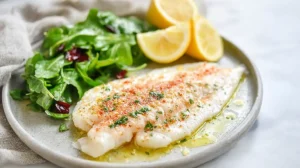
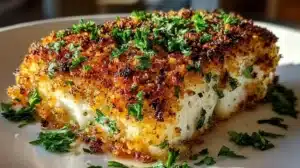
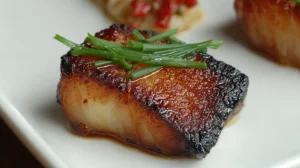
The keyword baked red snapper points to a bright, weeknight-friendly way to cook tender, flaky fish with bold lemon–garlic flavor and a whisper of warm spices. This complete guide gives you a reliable base method—simple enough for beginners, flavorful enough for guests—and layers in smart variations, chef tips, and serving ideas so you can adapt it to any season. We’ll bake the fillets at high heat for juicy texture, finish under the broiler for a golden top, and balance everything with fresh citrus and herbs. It’s the kind of recipe you’ll memorize after one try.
Why You’ll Love This Baked Red Snapper
Fast from pantry to plate. Red snapper cooks quickly and evenly. With olive oil, lemon, garlic, and a savory seasoning blend, dinner is ready in about 25–30 minutes, start to finish.
Flaky and moist—not dry. A hot oven sets the proteins gently, while a short broil at the end adds color. The result is tender flesh that flakes with a fork but stays juicy.
Beginner-friendly, fail-safe steps. You’ll rub, bake, and broil—no special equipment needed. The timing is forgiving, and we include thermometer targets and visual cues.
Endless flavor options. Start with lemon–garlic and a mild Creole or herb blend, then branch out with cilantro-lime, paprika-garlic, tomato–caper, or dill–orange. One method, many dinners.
Pairs with almost anything. From roasted asparagus and herbed rice to a lemony pasta or crisp salad, baked red snapper plays well with simple sides and seasonal produce.
Easy cleanup. Line your pan with parchment or foil, and you’ll only wash a knife, a board, and the sheet pan. Perfect for busy nights.
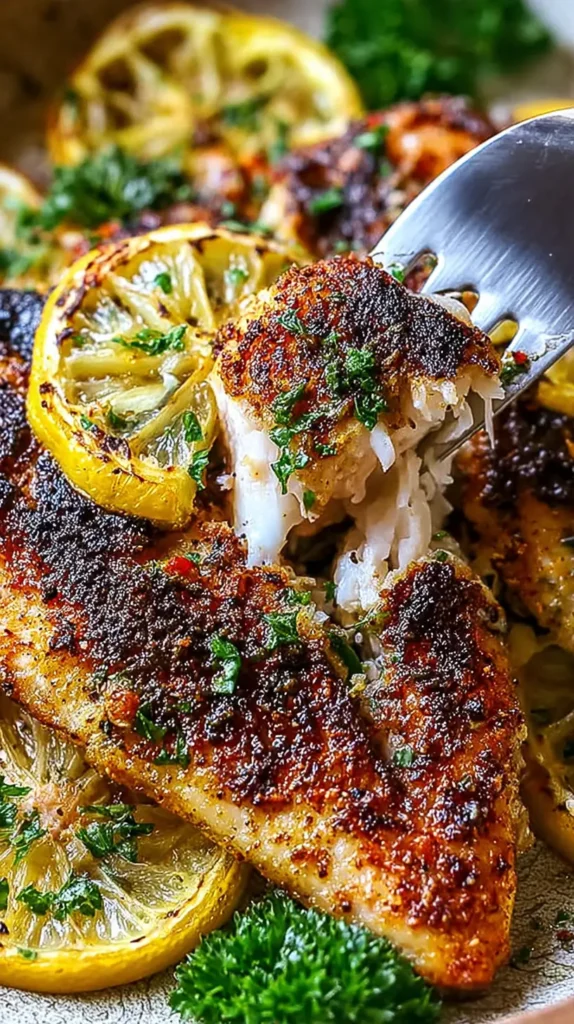
Ingredients for Baked Red Snapper
For the Fish
- 4 red snapper fillets, 6–8 oz (170–225 g) each, pin bones removed
- 2 tablespoons extra-virgin olive oil
- 2 teaspoons fresh lemon juice, plus 1 lemon thinly sliced
- 3 cloves garlic, finely minced or grated
- 1–1½ teaspoons Creole or Cajun-style seasoning (mild to medium)
- ½ teaspoon fine sea salt (reduce if seasoning is salty)
- ¼ teaspoon freshly ground black pepper
For Finishing
- 2 tablespoons chopped fresh parsley (or a mix of parsley and chives)
- Extra lemon wedges for serving
Optional Pan Veggies (choose 1–2; match the bake time)
- 1 bunch asparagus, trimmed
- 1 pint cherry tomatoes
- 1 small fennel bulb, very thinly sliced
- 1 small red onion or 2 shallots, thinly sliced
- Zucchini or yellow squash coins
Shopping tip: Look for fillets that are firm and moist with a fresh, clean scent. If thickness varies, place thicker pieces toward the center of the pan and start checking the thinner fillets a few minutes early.
Ingredient Notes (Substitutions & Helpful Swaps)
Fish alternatives. If red snapper isn’t available, the same recipe works for cod, haddock, rockfish, mahi mahi, or redfish. Adjust time by thickness; thinner fillets finish faster.
Oil choices. Extra-virgin olive oil adds fruity richness. Avocado oil or another neutral oil works if you prefer a milder profile. For a richer finish without changing the method, brush a tiny pat of softened butter over the hot fillets right after baking.
Seasoning blends. Creole or Cajun-style blends bring gentle warmth and garlic-herb depth. If heat-sensitive, use a garlic-herb seasoning or lemon pepper instead and reduce extra salt. Want more citrus? Add lemon zest to the rub.
Citrus. Lemon is classic and bright. Lime gives zippy freshness (great with cilantro). Orange lends a round sweetness; grapefruit adds subtle bitterness that pairs with dill or tarragon.
Garlic texture. Grated garlic melts into the oil for an even coating; minced garlic gives tiny flavor pops. Press it lightly into the fish so it doesn’t dry out on top.
Fresh herbs. Add delicate herbs (parsley, chives, cilantro, dill) after baking for vivid color and aroma. Sturdier herbs like thyme can be tucked under the fillets before baking to perfume from below.
Salt awareness. Many seasoning blends include salt. Taste a pinch of your blend: if it’s quite salty, cut the added salt by half or omit it.
Vegetables on the pan. Choose quick-roasting veggies so fish and sides finish together. Asparagus, cherry tomatoes, zucchini coins, or snap peas are ideal. For potatoes or thicker carrots, give them a 10–15 minute head start before adding the fish.
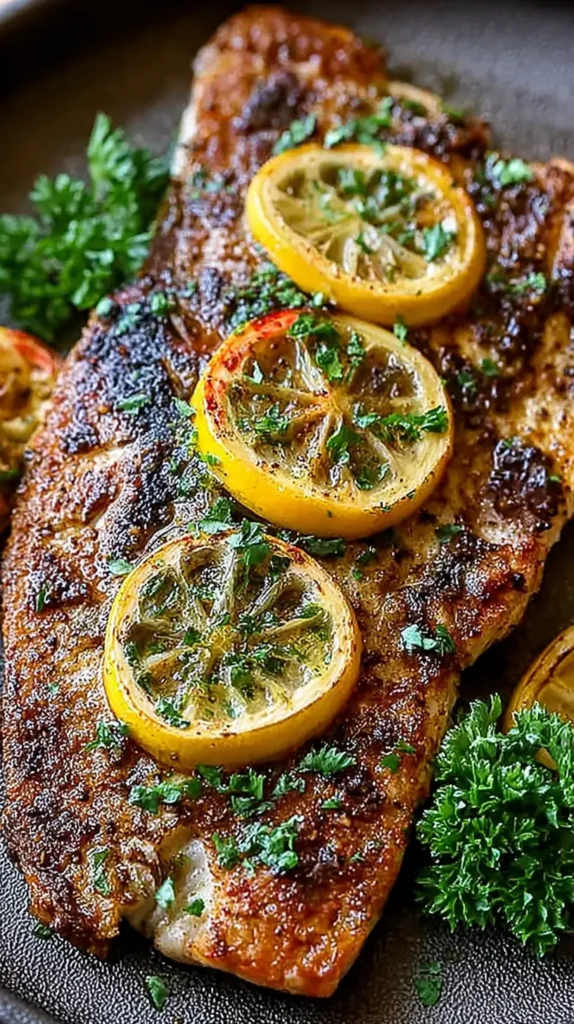
Step-by-Step Instructions
Yield: 4 servings
Active Time: 10 minutes
Total Time: 25–30 minutes
Equipment: Large rimmed sheet pan or 9×13-inch (23×33 cm) baking dish; parchment or foil; microplane (optional); instant-read thermometer (helpful)
Step 1 – Preheat and Prep the Pan
Heat the oven to 400°F (204°C). Line a rimmed sheet pan with parchment or foil for easy cleanup. If you like a slightly firmer edge on the fish, slide the empty, lined pan into the oven to preheat for 3–4 minutes while you mix the seasoning.
Step 2 – Season the Fillets
Pat the fish very dry on both sides—this helps the rub adhere and prevents watery pan juices. In a small bowl, stir together the olive oil, lemon juice, garlic, seasoning blend, salt, and pepper. Place fillets on the pan skin-side down if the skin is on. Spoon the mixture evenly over the tops and sides, rubbing gently to coat. Lay 2 lemon slices on each fillet.
Thickness note: For very thin fillets (~½ inch / 1.25 cm), go lighter on the lemon juice in the rub so the surface doesn’t “cook” before hitting the oven.
Step 3 – Bake Until Nearly Flaky
Bake on the center rack for 15–20 minutes, depending on thickness, until the fish looks opaque at the edges and just begins to flake when nudged with a fork. If using a thermometer, aim for 125–130°F (52–54°C) in the thickest part at the end of this step; it will climb during the broil.
Step 4 – Broil for a Golden Finish
Switch the oven to broil and move the pan to the upper rack. Broil for 2–4 minutes, watching closely so the garlic doesn’t scorch. You want light browning on the lemon slices and a touch of color on top. The internal temperature should reach 130–135°F (54–57°C)—juicy and flaky.
Step 5 – Rest, Garnish, and Serve
Let the fish rest 2 minutes to settle the juices. Squeeze the roasted lemon wedges over the fillets for mellow, sweet-tart brightness. Shower with parsley or your herb of choice. Taste a flake and add a tiny pinch of salt or pepper only if needed. Serve immediately.
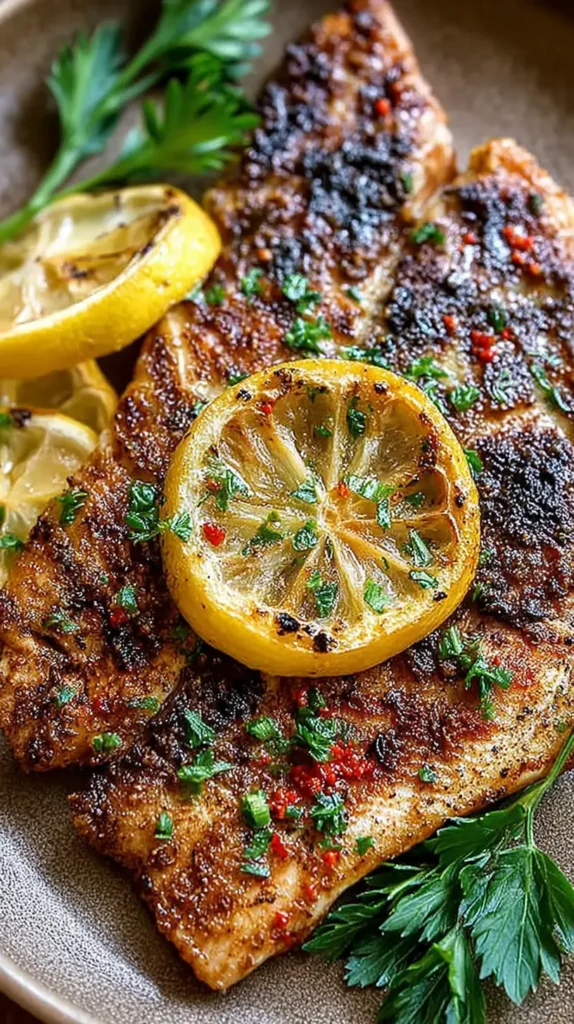
Pro Tips for Success
- Pat dry—really dry. Surface moisture dilutes flavors and slows browning. Two paper towels per fillet is not overkill.
- Use the right pan. A sturdy, light-colored sheet pan promotes even heat. Dark pans brown faster—check early.
- Don’t overbake. Fish goes from perfect to dry fast. Start checking at 12 minutes for thin fillets, at 15 minutes for ¾-inch pieces, and use internal temperature as a guide.
- Broil with care. Keep the oven door ajar if your broiler allows, and watch continuously—garlic can brown quickly. Pull the pan the second the top has color.
- Balance the salt. If your seasoning blend contains salt, reduce extra salt up front. You can always add a finishing pinch at the table.
- Finish with fresh. Fresh herbs and a final squeeze of citrus lift the whole plate and make leftovers taste lively, too.
- One-pan sides. Toss quick veggies with a drizzle of oil and a pinch of salt. Scatter them around the fish so they roast without steaming beneath the fillets.
Flavor Variations
Lemon–Herb Classic
Keep the base rub as written (olive oil, lemon juice, garlic, mild seasoning). Finish with chopped parsley and extra lemon zest. Pair with roasted baby potatoes and green beans.
Dill & Orange Coastal
Mix lemon and orange juice in the rub, then finish with dill and a touch of orange zest. The sweet citrus rounds out the fish’s delicate flavor. Serve with herbed rice and sautéed spinach.
Smoky Paprika & Garlic
Add ½–1 teaspoon sweet paprika (or smoked sweet if you enjoy a hint of campfire) to the rub. Finish with parsley and a pinch of red pepper flakes for warmth. Great with cumin-scented carrots and fluffy couscous.
Lime & Cilantro Brightness
Swap lemon for lime in the rub. Finish with cilantro and lime zest. Serve with corn-and-tomato salad and avocado slices for a sunny, zesty plate.
Tomato–Caper Pan Bake
Scatter cherry tomatoes and capers around the fish with a drizzle of olive oil and a pinch of pepper. Bake and broil as directed, then finish with chopped basil or parsley. Serve with orzo or crusty bread to catch the pan juices.
Herb-Crusted Snapper (Quick)
Stir panko, parsley, lemon zest, and a teaspoon of olive oil in a bowl. After seasoning the fish, pat a thin layer of crumbs on top and bake as directed; broil briefly to crisp. It adds light crunch without deep frying.
Fennel & Shallot Bed
Toss thinly sliced fennel and shallots with olive oil, lemon, and salt. Spread as a bed under the fillets. As they bake, the aromatics soften, sweeten, and perfume the fish.
Serving Suggestions
Starches that love citrusy fish
- Herbed rice: Stir chopped parsley and chives into hot rice with a splash of lemon.
- Lemony pasta: Toss linguine with olive oil, garlic, a splash of pasta water, and lemon zest; nestle the fish on top.
- Roasted potatoes: Crispy baby potatoes or wedges pair beautifully with the juicy, lemony pan juices.
- Creamy polenta or mashed cauliflower: A soft base that soaks up every drop of flavor.
Vegetables that sing with snapper
- Asparagus or green beans: Roast on the same tray so everything finishes together.
- Zucchini or summer squash: Quick-roasts in coins until just tender.
- Cherry tomatoes: They burst into sweet juices that mingle with the citrus.
- Crisp salad: Mixed greens, cucumber, and radish with a lemon-olive oil dressing for cool crunch.
Plate like a pro
Lay a bed of herbed rice or greens, top with a fillet, spoon any pan juices over, and finish with citrus zest and fresh herbs. Add a lemon wedge at the side so everyone can dial in brightness.
Storage and Freezing Instructions
Refrigerate: Cool leftovers completely, then store in an airtight container for 2–3 days.
Reheat: Warm gently in a covered skillet over low heat with a splash of water or broth. High heat can dry the fish; slow and gentle keeps flakes tender.
Freeze (optional): For best texture, enjoy fresh. If needed, freeze portions (well wrapped) for up to 2 months. Thaw overnight in the refrigerator and reheat gently.
Meal-prep tip: Bake extra lemon wedges. Their mellow, roasted juice is perfect for refreshing leftovers without additional cooking.
Nutrition Facts (Per Serving)
Approximate values for 1 of 4 servings, prepared as written without optional add-ins or sides.
| Calories | Protein | Carbs | Fat | Fiber | Sodium |
|---|---|---|---|---|---|
| 220 | 32 g | 3 g | 9 g | 1 g | 360 mg |
Values vary with fillet thickness, the exact oil amount, and the salt level of your seasoning blend.
FAQ About Baked Red Snapper
What’s the best oven temperature for baked red snapper?
A 400°F (204°C) oven is ideal. It’s hot enough to cook the fish quickly and keep it moist, while a brief broil adds color. For very thin fillets, you can bake at 375°F (190°C) and start checking at 10–12 minutes.
How do I know when the fish is done?
Look for flaking and opaqueness in the center. An instant-read thermometer should read 130–135°F (54–57°C) after the broil. If the center looks translucent and resists flaking, bake or broil 1–2 minutes more.
Skin on or off?
Both work. Skin-on helps retain moisture and structural integrity; it separates easily after baking if you prefer not to eat it. Skinless cooks a touch faster—use parchment to prevent sticking.
Can I bake red snapper from frozen?
For best results, thaw completely in the refrigerator (preferably overnight). Baking from frozen can lead to uneven doneness and extra moisture on the pan.
What flavors pair well with baked red snapper?
Snapper shines with citrus, garlic, fresh herbs (parsley, chives, dill, cilantro), mild spice blends, and gentle heat from red pepper flakes. Keep flavors bright and clean to highlight the fish’s natural sweetness.
Can I add vegetables on the same pan?
Yes—choose quick-roasting vegetables like asparagus, cherry tomatoes, zucchini coins, or snap peas. Toss with oil and salt and scatter around the fish. For sturdier vegetables, give them a head start so everything finishes together.
How can I scale the recipe for a crowd?
Use a large sheet pan (or two) and avoid overlapping fillets. Season in a single layer and rotate pans halfway through for even heat. A very full oven may need 2–3 extra minutes; start checking at the usual time and rely on visual cues.
How do I prevent watery pan juices?
Pat fillets very dry, use just enough oil and lemon juice to coat, and avoid piling watery vegetables directly under the fish. If cherry tomatoes are on the pan, keep them to the side.
How do I get a lightly crisp top without drying the fish?
Finish with a short broil (2–4 minutes) on the upper rack and watch closely. Pull as soon as you see light browning on the lemon slices and the surface of the fish.
Are there bones in red snapper fillets?
Most fillets are trimmed, but always check for pin bones by running fingers along the surface. Remove any you find with clean tweezers before seasoning.
Final Thoughts
If you’ve been hunting for a reliable, flexible way to make baked red snapper, this method is your new go-to. The steps are simple—season, bake, broil, finish—and the results are bright, flaky, and consistently delicious. Once you get the feel for thickness and timing, you can pivot to any flavor lane: herb-lemon classic, dill–orange coastal, cilantro–lime, smoky paprika, or tomato–caper. Keep fillets in the freezer, lemons in the crisper, and a favorite seasoning blend in the pantry, and a nourishing seafood dinner is always within reach. With a single pan, minimal prep, and a clean finish, baked red snapper becomes the kind of weeknight recipe that feels special without slowing you down.
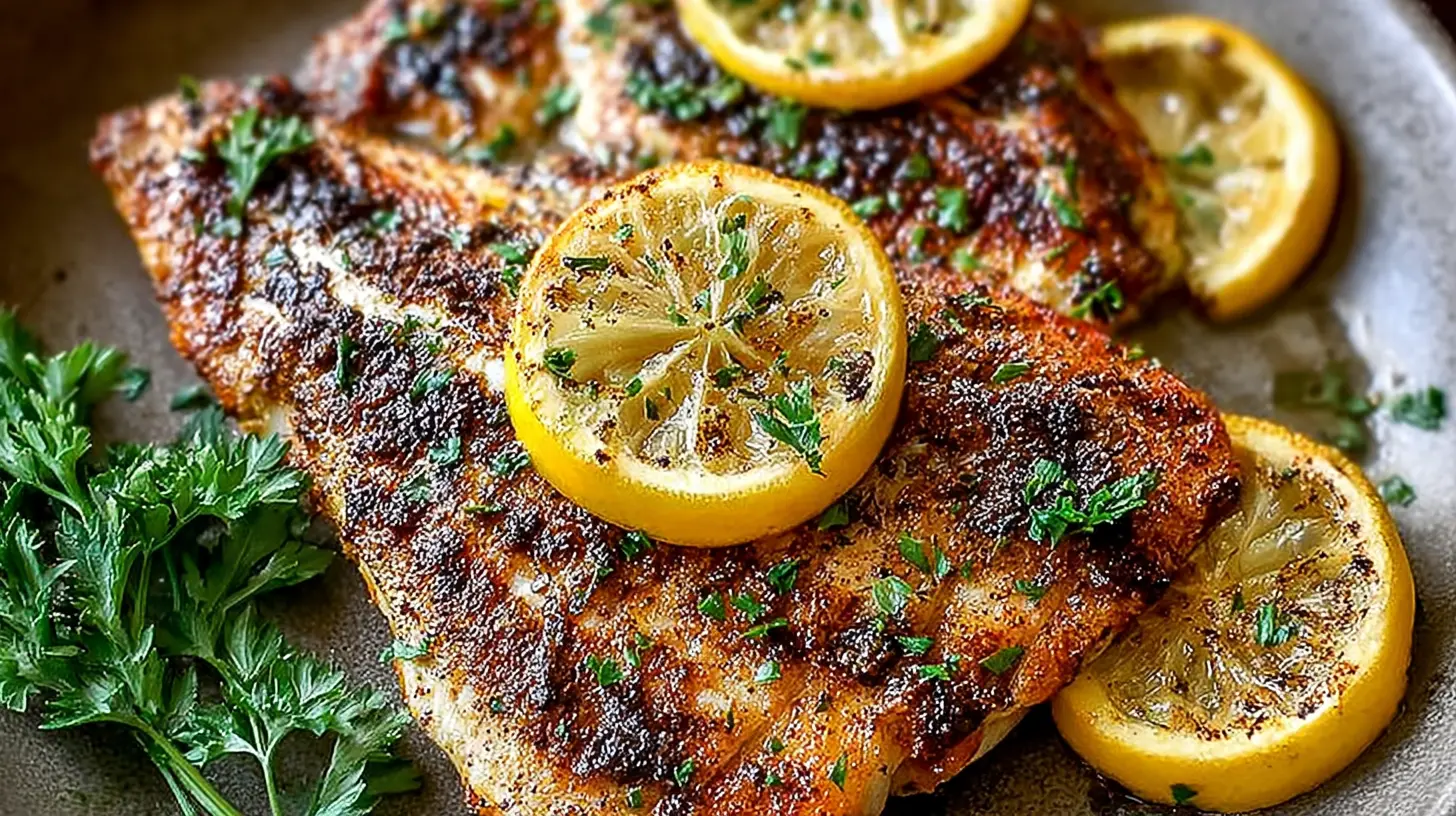
Baked Red Snapper: Quick, Zesty, Outstanding
Ingredients
For the Fish
- 4 fillets red snapper 6–8 oz (170–225 g) each, pin bones removed
- 2 tablespoons extra-virgin olive oil
- 2 teaspoons fresh lemon juice plus 1 lemon thinly sliced
- 3 cloves garlic finely minced or grated
- 1.25 teaspoons Creole or Cajun-style seasoning mild to medium
- 0.5 teaspoon fine sea salt reduce if seasoning is salty
- 0.25 teaspoon freshly ground black pepper
For Finishing
- 2 tablespoons chopped fresh parsley or a mix of parsley and chives
- to serve extra lemon wedges
Optional Pan Veggies
- 1 bunch asparagus trimmed
- 1 pint cherry tomatoes
- 1 small fennel bulb very thinly sliced
- 1 small red onion or 2 shallots, thinly sliced
- 1 medium zucchini or yellow squash sliced into coins
Instructions
- Step 1 – Preheat and Prep the Pan: Heat oven to 400°F (204°C). Line a sheet pan with parchment or foil. Optionally, preheat the empty lined pan for 3–4 minutes.
- Step 2 – Season the Fillets: Pat fillets dry. Mix olive oil, lemon juice, garlic, seasoning blend, salt, and pepper. Place fillets skin-side down. Rub mixture over tops and sides. Lay 2 lemon slices on each fillet.
- Step 3 – Bake Until Nearly Flaky: Bake 15–20 minutes depending on thickness. Fish should look opaque at edges and start flaking. Target internal temp: 125–130°F (52–54°C).
- Step 4 – Broil for a Golden Finish: Broil 2–4 minutes on the upper rack until lightly golden on top. Watch closely to avoid scorching.
- Step 5 – Rest, Garnish, and Serve: Rest fish 2 minutes. Squeeze roasted lemon wedges over top. Garnish with parsley. Adjust salt and pepper to taste and serve immediately.
Notes
• Preheat your pan for a firmer edge.
• Watch the broiler to avoid burning garlic.
• Finish with fresh herbs and lemon juice for brightness.
• Choose quick-roasting veggies to bake alongside the fish.