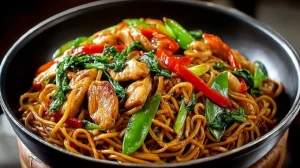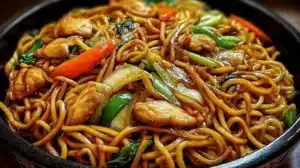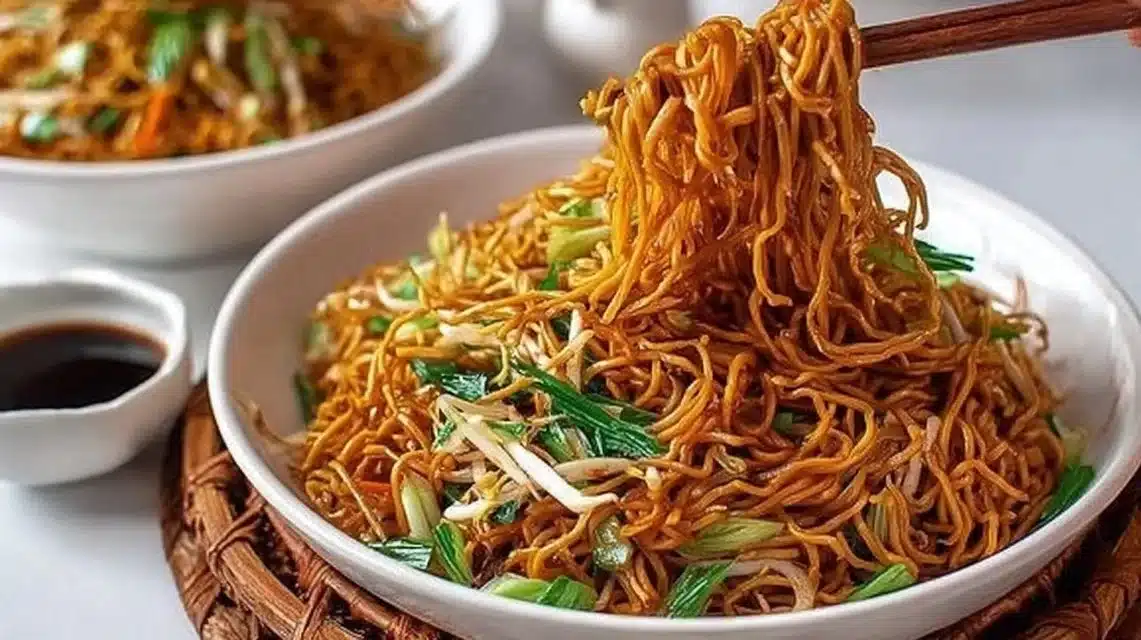
Classic Chinese Fried Noodles deliver a springy, savory bite with crisp-tender vegetables and a glossy, salty soy coating. The noodles are chewy and slightly caramelized where they hit the hot pan, while the mixed vegetables add bright color and a fresh crunch. This recipe is simple and fast—ready in about 15–20 minutes once the noodles are cooked—and it’s perfect for a no-fuss weeknight meal. Serve it plain as a veggie-forward main, or pair it with a protein on the side for a fuller plate. If you enjoy similar takeout-style noodle dishes, you might also like this better-than-takeout chicken lo mein as another quick option.
Why You’ll Love This Classic Chinese Fried Noodles
- Fast and pantry-friendly: uses basic pantry items and cooks quickly once noodles are ready.
- Great texture contrast: chewy noodles plus tender-crisp mixed vegetables.
- Simple seasoning: soy sauce provides deep umami without a long ingredient list.
- Flexible: works with many vegetable combos and add-ins if you want to customize.
- Easy cleanup: one large skillet or wok is all you need.
- Weeknight winner: quick to assemble, satisfying, and keeps well for leftovers.
- Light yet filling: vegetable-forward but still substantial from the noodles.
- Family-friendly: mild, comforting flavors that kids and adults both enjoy.
What Is Classic Chinese Fried Noodles?
Classic Chinese Fried Noodles are a stir-fry of cooked chow mein noodles tossed with vegetables, aromatics, oil, and soy sauce over high heat. The dish tastes savory and slightly smoky from the sear, with the flexible chew of the noodles balanced by crunchy vegetables. It’s not saucy like soup noodles; instead it’s coated and glossy, with each strand flavored. The cooking method—high-heat stir-frying—gives quick caramelization and keeps vegetables crisp. The vibe is simple comfort food: perfect for a quick weeknight dinner, a casual lunch, or a simple side for a larger Chinese-style meal.
Ingredients for Classic Chinese Fried Noodles
For the Base
- 8 oz chow mein noodles
For the Stir-Fry
- 2 tablespoons vegetable oil
- 1 cup mixed vegetables (bell peppers, carrots, cabbage, etc.)
- 2 cloves garlic, minced
- 1 teaspoon ginger, minced
For the Seasoning
- 3 tablespoons soy sauce
- Salt and pepper to taste
To Serve
- Green onions for garnish (optional)
Ingredient Notes (Substitutions, Healthy Swaps)
- Noodles: If you can’t find chow mein noodles, use egg noodles or thin spaghetti as a last resort. Fresh Asian-style noodles work well too. Cooking times may vary.
- Oil: Vegetable oil tolerates high heat. Swap for canola, peanut, or sunflower oil if preferred. Avoid extra-virgin olive oil—it smokes at high heat and has a strong flavor.
- Mixed vegetables: Use whatever you have: snap peas, broccoli florets, bok choy, or thinly sliced onions work well. Keep pieces small and uniform for even cooking.
- Soy sauce: For lower sodium, use low-sodium soy sauce and taste before adding extra salt. Tamari can be used for a gluten-free option if your noodles are also gluten-free.
- Garlic and ginger: Fresh is best for bright flavor. Ground or paste forms can work but use sparingly—about 1/4 teaspoon ginger paste per 1 teaspoon fresh.
- Optional add-ins: Cooked chicken, shrimp, or tofu can be added after step 3 (see Flavor Variations). Keep these optional and pre-cooked so they don’t water down the pan.
Step-by-Step Instructions
Step 1 – Cook the noodles
Cook the chow mein noodles according to package instructions; drain and set aside. Rinse briefly under warm water if the package recommends, then toss lightly with a teaspoon of oil to prevent sticking.
Visual cue: Noodles should be separate and pliable, not clumped or mushy.
Step 2 – Heat the pan
In a large skillet or wok, heat the 2 tablespoons of vegetable oil over medium-high heat until shimmering but not smoking. A very hot pan gives a quick sear and better texture.
Pro cue: Test by dropping a small piece of vegetable in—if it sizzles immediately, the pan is ready.
Step 3 – Stir-fry the vegetables
Add the mixed vegetables and stir-fry for 3–4 minutes until tender-crisp. Keep them moving in the pan so they cook quickly and evenly without steaming.
Visual cue: Vegetables should shrink slightly and develop light browning at the edges while staying bright in color.
Step 4 – Add garlic and ginger
Add the minced garlic and ginger, cooking for an additional 30 seconds while stirring. Don’t let them burn; they should become aromatic and just softened.
Step 5 – Combine noodles and sauce
Stir in the cooked noodles and 3 tablespoons soy sauce; toss to combine and let the noodles heat through for 1–2 minutes. Lift and turn the noodles so the soy coats them evenly and the pan gets a little caramelization.
Pro cue: Allow a few seconds of contact with the hot pan between tosses to get slight browning on noodle edges.
Step 6 – Season
Season with salt and pepper to taste. Remember soy sauce adds salt, so taste first before adding extra salt.
Step 7 – Serve
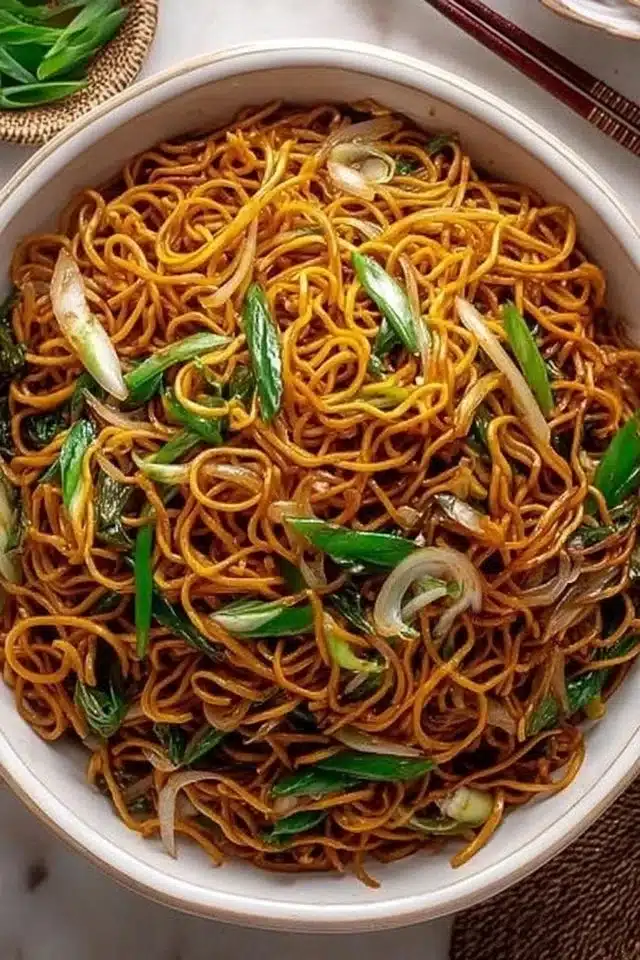
Serve hot, garnished with green onions if desired. Plate immediately for the best texture and temperature.
Pro Tips for Success
- Preheat the pan: A properly hot skillet or wok gives the pan-sear that makes the noodles taste “takeout-like.”
- Dry noodles: Make sure cooked noodles are drained and not overly wet; excess water cools the pan and steams ingredients.
- Cut veg uniformly: Same-size pieces cook evenly and look better on the plate.
- Don’t overcrowd: Use a large pan so ingredients can move freely for quick stir-frying.
- Build flavor in order: Vegetables first, then aromatics, then noodles and sauce for balanced flavor.
- Taste and adjust: Always taste before adding salt; soy sauce is salty so seasoning may not need much.
- Finish hot: Serve immediately to keep noodles springy and vegetables crisp.
Flavor Variations
- Optional: Garlic-Chili Kick — Add 1 teaspoon chili garlic sauce or a pinch of red pepper flakes with the soy sauce for heat.
- Optional: Sesame Boost — Drizzle 1 teaspoon toasted sesame oil at the end for a nutty aroma (use sparingly).
- Optional: Protein Add-In — Stir in pre-cooked sliced chicken, shrimp, or pan-fried tofu when you add the noodles; toss just until heated through.
- Optional: Citrus Lift — Add 1 teaspoon rice vinegar or a squeeze of lime right after tossing for a bright finish.
- Optional: Sweet-Salty — Add 1 teaspoon sugar or honey with the soy sauce for a touch of balanced sweetness.
Serving Suggestions
- Pair with steamed dumplings and a light cucumber salad for a simple Chinese-style meal.
- Serve alongside stir-fried bok choy or garlic green beans for extra greens.
- Plate with a fried egg on top for a hearty breakfast or brunch twist.
- Offer chili oil, soy sauce, and sesame seeds at the table for guests to customize.
- Add sliced protein on top (grilled chicken or tofu) to make it a complete main.
- Pack in a lunch box with a lime wedge and extra green onions for a tasty midday meal.
Make-Ahead, Storage & Reheating
- Make-ahead: Cook the noodles and chop vegetables ahead of time. Keep noodles lightly oiled and refrigerated up to 24 hours. Store vegetables in a sealed container.
- Storage: Refrigerate cooked fried noodles in an airtight container for up to 3–4 days.
- Reheating: Reheat in a hot skillet with a teaspoon of oil to restore crisp edges and heat through. Microwave works but may soften textures—stir after 30–45 seconds and finish in a pan if you can.
- Texture changes: Noodles will lose some chew and vegetables will soften after refrigeration. Quick, high-heat reheating helps restore some bite.
Storage and Freezing Instructions
- Refrigeration: Store in an airtight container for 3–4 days. This is the preferred method.
- Freezing: Freezing cooked fried noodles is not recommended because the texture of both noodles and vegetables degrades when frozen and reheated. If you must freeze, separate into portions and freeze for up to 1 month; thaw overnight in the fridge and reheat quickly in a hot skillet. Expect softer noodles and limp vegetables.
- Best practice: For best texture, freeze raw components separately (noodles and vegetables) only if they are par-cooked and you accept some loss in texture.
Nutrition Facts (Per Serving)
Calories | Protein | Carbs | Fat | Fiber | Sodium
— | —:| —:| —:| —:| —:
Approx. 580 kcal | 15 g | 85 g | 17 g | 3.5 g | 1,400–1,500 mg
Estimates vary by brands and portions.
FAQ About Classic Chinese Fried Noodles
- How do I prevent noodles from getting soggy?
- Drain well and toss with a little oil after cooking. Use a very hot pan to fry so moisture evaporates quickly.
- My dish tastes bland—what happened?
- Likely under-seasoned or not enough soy sauce. Taste midway and add more soy or a pinch of salt. A dash of sesame oil at the end can brighten flavor.
- Can I use leftover cooked noodles?
- Yes. Cold leftover noodles work well and often fry better because they are drier.
- How do I keep vegetables crisp?
- Cut them small and cook on high heat for a short time. Add quick-cooking items last if using a mix.
- Can I make this gluten-free?
- Use gluten-free noodles and tamari or a gluten-free soy sauce alternative.
- How many servings does this recipe make?
- The recipe typically serves 2 as a main or 3–4 as a side, depending on portion size.
TastyInspo Notes
- Finish with thinly sliced green onions for a fresh color and mild onion bite.
- For a glossy finish, toss the noodles once off heat with a small splash of oil before plating.
- Use a wide, flat spatula to lift and turn noodles for even browning and minimal breakage.
- If you want a restaurant look, mound the noodles in the center of a warm plate and sprinkle chopped scallions on top.
- Clean, simple plating makes the dish look more appetizing—avoid over-saucing or mixing in too many garnishes.
Troubleshooting
- Bland flavor: Add a bit more soy sauce or a pinch of salt; finish with a small drizzle of sesame oil for depth.
- Soggy noodles: Cause is too much water or low heat. Drain noodles well and reheat in a very hot pan to restore texture.
- Watery pan: Too many wet vegetables or noodles released water. Remove excess liquid by tilting the pan and spooning it off, then turn up the heat.
- Burnt garlic: Garlic burns quickly and turns bitter; add it only after vegetables have mostly cooked and keep it moving.
- Vegetables too soft: Reduce stir-fry time and use higher heat; add vegetables in batches if needed.
- Noodles clumping: Toss cooked noodles with a little oil and separate before adding to the pan.
Final Thoughts
This Classic Chinese Fried Noodles recipe is a fast, flexible dish that balances chewy noodles with crisp vegetables and simple savory seasoning. It’s easy to adapt, quick to make, and reliably satisfying—perfect for busy nights and for anyone who loves a good stir-fry. For a quick video demo and another take on classic chow mein preparation, see Classic Chinese Chow Mein Recipe [VIDEO] – Dinner, then Dessert. 
Classic Chinese Fried Noodles
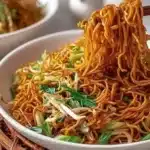
Delicious stir-fried chow mein noodles with mixed vegetables in a savory soy sauce coating, perfect for a quick weeknight dinner.
For the Base
- 8 oz chow mein noodles (Use fresh Asian-style noodles if available.)
For the Stir-Fry
- 2 tablespoons vegetable oil (Can substitute with canola or peanut oil.)
- 1 cup mixed vegetables (bell peppers, carrots, cabbage, etc.) (Use any vegetables you have on hand.)
- 2 cloves garlic, minced (Fresh garlic is recommended.)
- 1 teaspoon ginger, minced (Fresh ginger is preferred for flavor.)
For the Seasoning
- 3 tablespoons soy sauce (Use low-sodium for a healthier option.)
- to taste Salt and pepper (Adjust seasoning according to preference.)
To Serve
- Green onions for garnish (optional) (Chop finely for garnish.)
Preparation
- Cook the chow mein noodles according to package instructions; drain and set aside. Rinse briefly under warm water if necessary, and toss lightly with a teaspoon of oil.
- In a large skillet or wok, heat the vegetable oil over medium-high heat until shimmering.
- Add the mixed vegetables and stir-fry for 3–4 minutes until tender-crisp, keeping them moving in the pan.
- Add the minced garlic and ginger, stirring for an additional 30 seconds until aromatic.
- Stir in the cooked noodles and soy sauce; toss to combine and let heat through for 1–2 minutes.
- Season with salt and pepper to taste before serving hot, garnished with green onions if desired.
For a spicy kick, add chili garlic sauce. Store leftovers in an airtight container for up to 3–4 days.