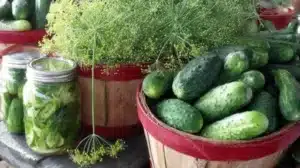
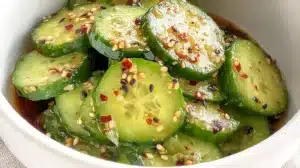
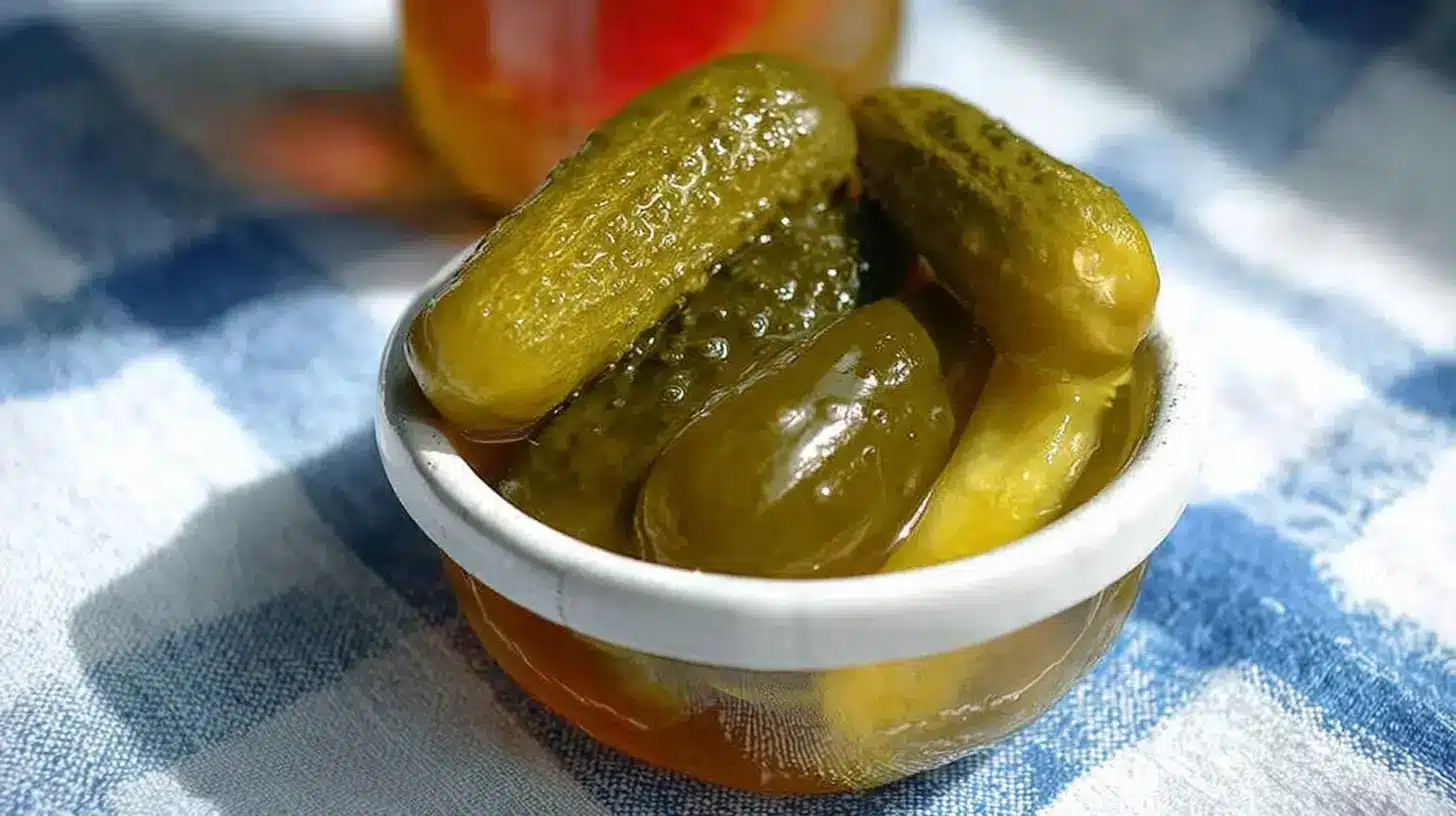
This sun pickle recipe captures the bright tang of classic dill pickles using nothing more than salt, water, sunshine, and time—no stovetop, no canning, and hardly any effort. If you love crisp cucumbers with a clean, garlicky snap, you’ll love this old-world method that lets nature do the work. The process is as simple as packing jars, making a light brine, adding dill and garlic, then letting the sun coax gentle fermentation over a few warm days. What you get at the end is a jar of crunchy, refreshing pickles that taste like summer.
Why You’ll Love This Sun Pickle Recipe
- Hands-off and no-boil: No heating the kitchen. The sun (and wild fermentation) does the heavy lifting.
- Authentic flavor: Dill, garlic, and just the right level of salt bring a traditional, European-style pickle vibe.
- Remarkably crisp: The short, sun-warmed ferment keeps cucumbers firm and snappy.
- Simple ingredients: Cucumbers, salt, water, dill, and garlic—plus a small slice of bread as a classic ferment “starter.”
- Flexible and family-friendly: Easy to adjust saltiness, garlic level, and dill intensity; gluten-free and bread-free options included.
- Quick results: Typically ready in about 3 sunny days (weather may shift this by a day or two).
Ingredients for Sun Pickles
Quantities below make roughly two large 2-liter jars (or similar capacity). Scale up or down as needed.
For the Pickles
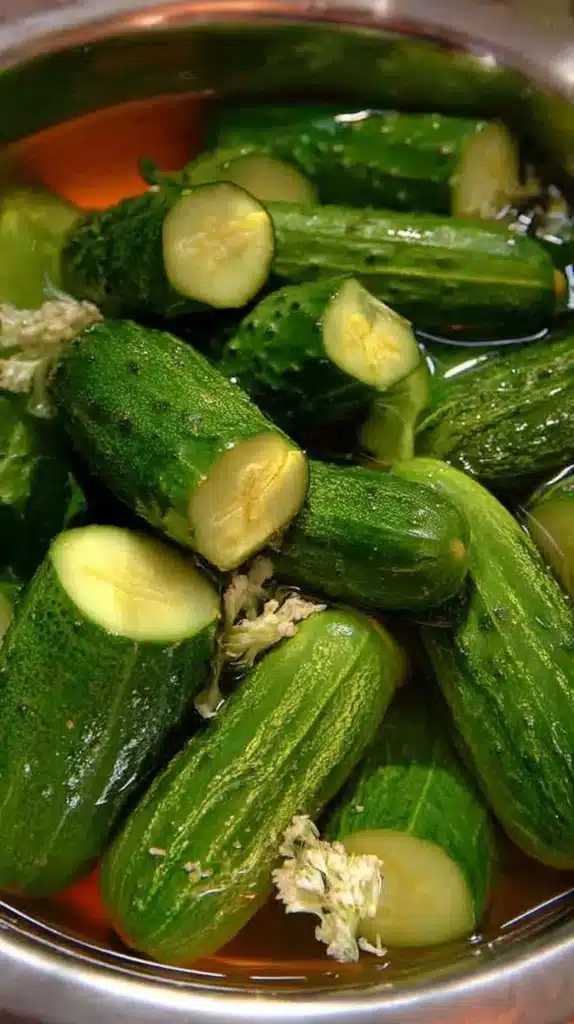
- Cucumbers – about 2 kg / 4.4 lb, medium to small, firm and fresh (Kirby/pickling cucumbers preferred)
- Non-iodized sea or pickling salt – 2½ tablespoons
- Water – 2 liters (about 8½ cups), warm or recently boiled and cooled slightly (to dissolve salt)
- Fresh dill – 1 large bunch (divide between jars)
- Garlic – 6 cloves, lightly crushed (3 per jar)
- Bread – 2 slices (1 per jar, traditionally rye; helps kick-start fermentation)
Optional Aromatics
- A few sprigs of summer savory (traditional in some regions)
- Black peppercorns, mustard seeds, or a pinch of red pepper flakes for gentle heat
- Grape leaves (1–2 per jar) to help maintain crunch
Ingredient Notes (Substitutions, Healthy Swaps)
- Salt matters: Use non-iodized salt (sea or pickling) to keep the brine clear and the fermentation happy. Iodine and anti-caking agents can cloud the brine and sometimes inhibit fermentation.
- Cucumbers: Look for small, firm cucumbers with thin skin and minimal seeds. Avoid waxed cucumbers, which can soften more quickly. If using larger cucumbers, halve or quarter them lengthwise and scrape out very large seeds.
- Dill: Dill fronds deliver aroma, while stems add structure—use both.
- Garlic: Lightly crush the cloves to release flavor, but avoid mincing (which can muddy the brine).
- Bread (starter): A small slice of bread supplies wild yeasts that nudge the ferment along. For gluten-free, use a gluten-free bread slice. Alternatively, skip bread and add 1–2 tablespoons of active sauerkraut brine or whey per jar. Grape leaves or a few extra dill stems won’t replace the yeasts but do help keep the pickles crisp.
- No alcohol / no pork: This recipe is naturally alcohol- and pork-free. To add smokiness without pork, try a pinch of smoked paprika or a sliver of smoked chili (optional).
- Crunch boosters: A couple of grape leaves add tannins that keep cell walls intact. A few black tea leaves can play a similar role if grape leaves aren’t available (use sparingly—½ teaspoon loose tea per jar, in a tea bag for easy removal).
- Heat level: For a gentle kick, add red pepper flakes or a sliced jalapeño to each jar.
Step-by-Step Instructions
Step 1 – Prep the Cucumbers and Jars
- Wash cucumbers thoroughly. Trim the blossom end (the end opposite the stem) by about ⅛ inch—enzymes in the blossom end can soften pickles.
- If cucumbers are large, halve or quarter them lengthwise.
- Clean your jars (2-liter jars or a couple of 1–1.5 liter jars). They don’t need to be sterilized for a short ferment, but they should be very clean.
- Rinse the dill and lightly crush the garlic cloves to release aroma.
Step 2 – Make the Brine
- In a large jug or bowl, combine 2 liters water with 2½ tablespoons non-iodized salt.
- Stir until fully dissolved. Warm water helps the salt dissolve faster; allow it to cool for a few minutes before pouring if it’s piping hot.
Step 3 – Pack the Jars
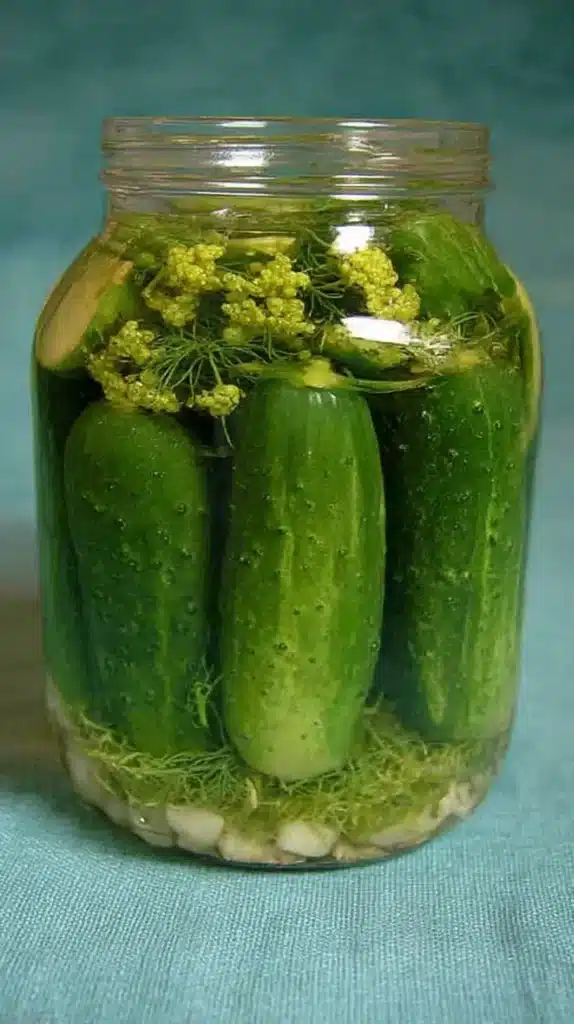
- Add a layer of dill to the bottom of each jar, followed by 3 garlic cloves.
- Pack cucumbers vertically and snugly. Tight packing helps keep them submerged later.
- Tuck in a few more dill stems/fronds and any optional aromatics of your choice (peppercorns, mustard seeds, grape leaves, or a pinch of red pepper flakes).
- Pour in the brine to cover the cucumbers completely, leaving about 1 inch of headspace.
- Add the bread: Place 1 small slice on top per jar. Ensure it becomes fully saturated and sinks beneath the brine (or is weighed down) so it doesn’t mold. If needed, use a small food-safe weight or a folded cabbage leaf to keep everything submerged.
- Cover the jar loosely—a clean cloth with a rubber band, a fermentation lid, or a regular lid set on but not tightened (so gas can escape).
Step 4 – Sun-Ferment (About 3 Days)
- Place jars in a warm, sunny spot—a windowsill or a porch with indirect sun is ideal. Aim for daily temperatures above ~70°F / 21°C.
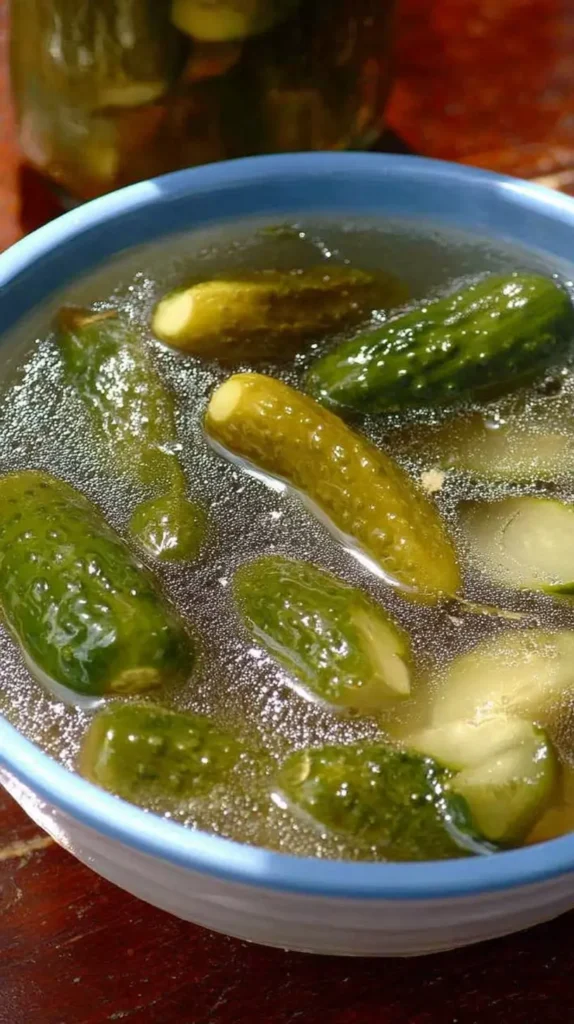
- You should see tiny bubbles within 12–36 hours—a sign that fermentation is active. The brine may turn slightly cloudy, which is normal.
- Day 2: Open the jars, remove the bread, and make sure cucumbers are still fully submerged. Taste the brine—it should be lightly salty and pleasantly tangy.
- Day 3: Taste a pickle. If you want more tang or if the weather has been cooler, continue fermenting another 1–2 days, tasting daily. Warmer, sunnier conditions speed things up; cooler days slow them down.
Step 5 – Finish and Store
- When the flavor is where you like it, strain or lift out the cucumbers and discard aromatics (or keep a little dill if you enjoy the look and flavor).
- Transfer pickles to clean jars and top with fresh brine (you can reuse the brine after straining or mix a quick new batch at the same salt ratio if you’d like it clearer).
- Refrigerate. The cold slows fermentation, locking in that crisp, bright taste. Properly stored, sun pickles keep well for several weeks and often up to a couple of months.
Pro Tips for Success
- Trim the blossom end: Enzymes at that end are the number-one cause of soft pickles.
- Keep it submerged: Anything poking above the brine is a target for surface mold. Use a small weight, folded cabbage leaf, or dill stems to tuck everything under.
- Don’t over-salt: The ratio here is mild and balanced. More salt slows fermentation and can overwhelm the delicate cucumber flavor.
- Taste daily: Fermentation is dynamic. Your perfect tang could arrive on day 3—or day 4 if it’s cooler.
- Temperature matters: Between 70–80°F (21–27°C) is the sweet spot. Too hot and they ferment fast (and can soften); too cool and they crawl along.
- Clarity check: A slightly cloudy brine is normal. If it’s excessively cloudy or smells off, strain the brine and refresh with a quick batch at the same salt level, then refrigerate.
Flavor Variations
- Garlic-Dill Plus: Add mustard seeds and black peppercorns for classic deli depth.
- Lemon-Dill Bright: Tuck a few lemon slices into the jar for citrusy lift (remove them at refrigeration time).
- Spicy Summer: Use sliced jalapeño or red pepper flakes for gentle heat; add coriander seeds for warm spice.
- Garden Herb Mix: Swap part of the dill for fresh tarragon or summer savory for a nuanced herbal finish.
- Smoky Paprika: A small pinch of smoked paprika gives whisper-light smokiness without any meat.
Serving Suggestions
- Snack board star: Serve with cheeses, olives, and crusty bread (or gluten-free crackers).
- Cookout companion: Pile onto burgers, grilled chicken sandwiches, or veggie dogs.
- Chopped into salads: Dice and toss with tomatoes, red onion, and a splash of olive oil for a refreshing side.
- Tartar upgrade: Finely chop and fold into Greek yogurt or mayo with capers and herbs for a quick sauce.
- Picnic jars: Pack whole or halved pickles in small jars for road trips and beach days.
Storage and Freezing Instructions
- Refrigerator: Once they reach your preferred tang, refrigerate the pickles in their brine. Expect several weeks of bright flavor; many batches remain excellent 1–2 months under cold storage.
- Freezing: Not recommended. Freezing breaks down cucumber cell walls, resulting in mushy texture after thawing.
- Shelf-stable canning: This is a fresh, fermented pickle meant for short-term refrigeration. If you want shelf-stable jars, use a tested vinegar-based canning recipe instead.
Nutrition Facts (Per Serving)
These values are estimated for one medium pickle spear.
| Calories | Protein | Carbs | Fat | Fiber | Sodium |
|---|---|---|---|---|---|
| 20 | 1 g | 4 g | 0 g | 1 g | 380 mg |
Note: Sodium varies by soak time and personal taste. Rinsing a spear briefly can reduce surface salt before serving.
FAQ About Sun Pickle Recipe
What makes a sun pickle different from a regular quick pickle?
Quick pickles are usually made by heating a vinegar brine and pouring it over cucumbers, which are then refrigerated to absorb flavor. Sun pickles, by contrast, rely on a light salt brine and warmth to encourage natural fermentation—no vinegar is added. The result is a complex, gently sour flavor that tastes especially fresh and cucumber-forward. Because there’s no boiling, the cucumbers stay pleasantly crisp.
How long do sun pickles take to ferment?
Most batches are ready in about 3 sunny days, though the exact time depends on temperature and cucumber size. Warm days around 70–80°F (21–27°C) speed things up. Cooler days may stretch the ferment to 4–5 days. Taste on day 3; if you want more tang, give them another day and taste again.
Do I have to use bread, and what if I’m gluten-free?
You can skip bread and add 1–2 tablespoons of active sauerkraut brine or live whey per jar to introduce friendly microbes. Alternatively, a slice of gluten-free bread works well. If you omit all starters, the ferment should still proceed, though it may take a bit longer to kick off, especially in cooler weather.
Why did my brine turn cloudy?
A slightly cloudy brine is normal and usually indicates active fermentation. If the brine becomes extremely cloudy, smells off, or develops surface film that isn’t just harmless yeast, strain it through a fine sieve, refresh with a quick batch of clear brine at the same salt level, and refrigerate the pickles. Always ensure everything stays submerged.
How do I keep the pickles crisp?
Start with fresh, firm cucumbers, trim the blossom end, and keep the cucumbers fully submerged. Consider adding grape leaves for tannins that help maintain crunch. Also, avoid overly long ferments in very hot conditions—pull them into the fridge once they taste right.
Can I reuse the brine?
Yes—if it smells and tastes clean. After straining out any bread bits and spent aromatics, you can reuse the brine to store your finished pickles or as a base for a fresh jar (top up with a bit of new brine if needed). For a crystal-clear look, many people prefer to mix a fresh batch of brine for storage.
Are sun pickles safe?
When made with clean equipment, non-iodized salt, and proper submersion, short ferments like this are widely practiced at home. The acidity rises naturally as lactic acid bacteria grow. If anything smells unpleasant, looks slimy, or grows fuzzy mold, discard and start again. As with all ferments, refrigeration slows microbial activity and helps preserve quality once your pickles are ready.
Can I add vinegar to speed things up?
Vinegar makes a quick pickle, not a traditional sun (lacto-fermented) pickle. If you crave that bright vinegar pop, you can add a teaspoon or two of mild vinegar to your serving bowl, but keep the fermentation jar vinegar-free so the lactic acid bacteria can do their job.
What if I don’t have much sun?
Fermentation depends more on ambient warmth than direct rays. A warm kitchen counter works fine. If your home is on the cool side, expect an extra day or two; just taste and move the jar to the fridge when the flavor is right.
Can I use zucchinis or other vegetables?
Yes, you can apply the same brine to zucchini spears, green beans, cauliflower florets, or carrot sticks. Harder vegetables may take a little longer to soften and sour; slice into thinner pieces and taste daily.
Final Thoughts
If you’re after a beautifully simple, authentic pickle with a clean dill-garlic aroma and a satisfying snap, this sun pickle recipe is a wonderful place to start. With just a handful of ingredients, a warm spot, and a few days of patience, you’ll have jars of crisp, tangy cucumbers that taste like they came from a farm kitchen—because in spirit, they did. Once you make your first batch, try a variation or two: add peppercorns for deli depth, tuck in lemon slices for sparkle, or give them a gentle kick with red pepper flakes. However you spin it, this is a practical, proven method you’ll come back to all summer long.
Lemon Tartlets
Ingredients
For the Mini Tart Shells
- 3 refrigerated pie crusts or 34–36 pre-baked mini tart shells
- all-purpose flour for dusting if rolling
- nonstick spray or softened butter for the mini muffin pan if baking crusts
For the Lemon Curd Filling
- 6 large egg yolks
- 1 large whole egg
- 1.25 cups granulated sugar
- 0.5 cup freshly squeezed lemon juice about 3–4 lemons
- 1 tablespoon finely grated lemon zest optional, for extra zing
- 1 cup unsalted butter cut into small cubes
- 1 pinch fine sea salt
For Topping & Garnish
- 1 cup whipped topping or lightly sweetened whipped cream
- 36 fresh raspberries one per tartlet
- powdered sugar for dusting, optional
- extra lemon zest strips or mint leaves optional for garnish
Instructions
- Step 1 – Prepare the Tart Shells: Preheat oven to 375°F (190°C). Lightly grease a mini muffin pan. Roll out pie dough and cut into 2½-inch rounds. Press into muffin cups, prick bottoms, and blind-bake with parchment and weights for 8–10 minutes. Remove weights and bake 2–4 more minutes until golden. Cool completely.
- Step 2 – Make the Lemon Curd: In a saucepan, whisk together yolks, whole egg, sugar, lemon juice, zest, and salt. Cook over medium-low heat, whisking constantly, until thickened (6–10 minutes). Remove from heat and whisk in butter until smooth. Strain through a fine-mesh sieve. Chill with plastic wrap pressed on surface for at least 2 hours.
- Step 3 – Assemble and Garnish: Spoon or pipe cold lemon curd into cooled shells. Top with whipped cream and a raspberry. Dust with powdered sugar and garnish with zest or mint if desired. Serve chilled or at cool room temp.