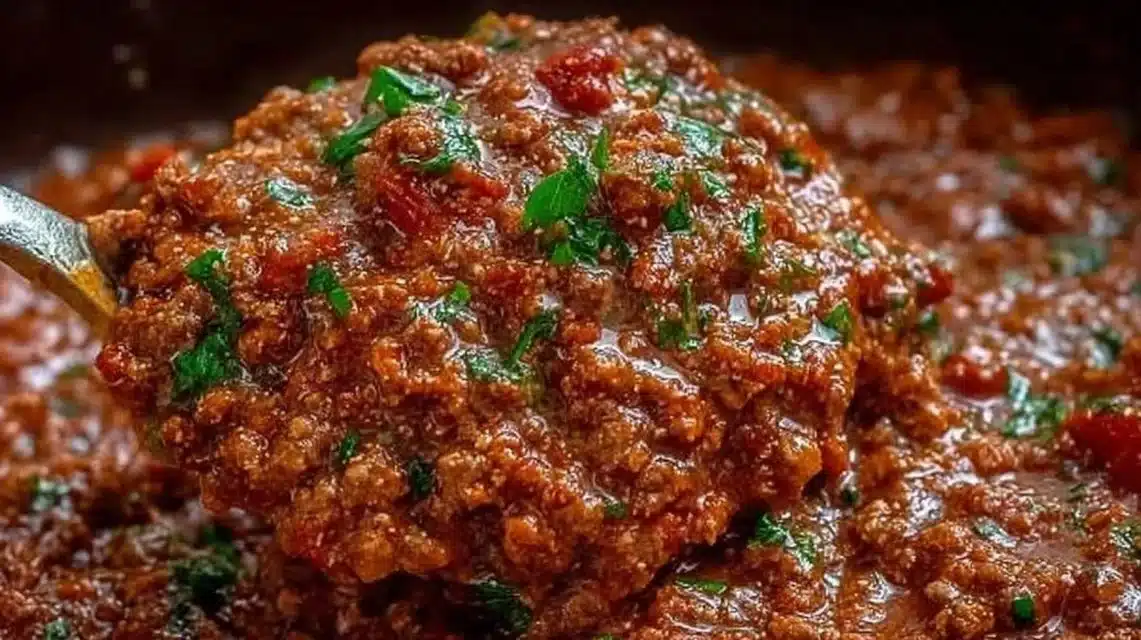
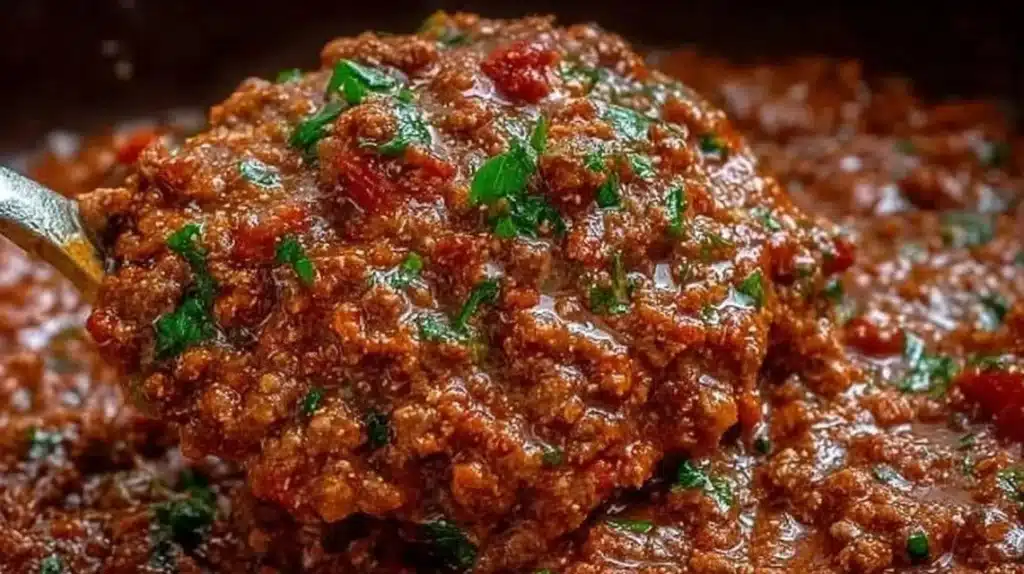
This rich, slow-cooked Bolognese builds deep tomato and beef flavor with a silky, comforting texture. The sauce is thick but glossy, with tender browned ground beef and soft, sweet vegetables in each spoonful. It’s easy because it uses simple steps and a single pot, and the long simmer lets flavors develop without constant work. Serve it over your favorite pasta or spoon it onto polenta for a cozy meal. For tips on keeping proteins juicy during browning, check these tips for keeping meat juicy.
Why You’ll Love This How to Make Bolognese Sauce
- Hands-off slow simmer: once it’s on low heat, it develops flavor with minimal checking.
- Deep, layered taste from simple ingredients you likely have on hand.
- Silky texture thanks to milk added to the sauce for balance and richness.
- Flexible: pairs with pasta, polenta, or as a filling for lasagna.
- Budget-friendly: ground beef and canned tomatoes give big flavor for little cost.
- Family-friendly comfort food everyone recognizes and loves.
- One-pot cooking keeps cleanup easy.
- Easy to scale up for meal prep or a dinner party.
What Is How to Make Bolognese Sauce?
Bolognese is a meat-based Italian sauce that’s savory, slightly sweet, and rich. This version uses ground beef cooked with a classic soffritto of onion, carrot, and celery, then simmered with canned tomatoes, tomato paste, red wine, and a splash of milk. The result is a thick, molasses-like sauce with tender meat and a clean tomato finish. The cooking method is browning, deglazing, and slow simmering—perfect for a weeknight or a lazy weekend dinner. The vibe is pure comfort food: warm, filling, and very satisfying.
Ingredients for How to Make Bolognese Sauce
For the Base
- Olive oil
- Onion
- Carrot
- Celery
- Garlic
For the Sauce
- Ground beef
- Red wine
- Canned tomatoes
- Tomato paste
- Milk
- Salt
- Pepper
- Italian herbs
To Serve
- Cooked pasta (not listed as an ingredient in the recipe list but used as served)
Optional garnish ideas (optional, not required): grated cheese, fresh basil.
Ingredient Notes (Substitutions, Healthy Swaps)
- Ground beef: swap for lean ground turkey or ground chicken for a lighter option. Keep in mind flavor and fat differ.
- Canned tomatoes: whole or crushed both work. Crush whole tomatoes by hand or with a spoon for texture.
- Red wine: optional for deglazing; if you avoid alcohol, use an equal amount of beef or chicken broth. (Alcohol is listed in the recipe, so this is an optional swap.)
- Milk: adds silkiness. For dairy-free, use a splash of unsweetened plant milk, but flavor and texture will be slightly different.
- Italian herbs: use a mix of dried oregano, basil, and thyme if a blend is not on hand. Fresh herbs can be added at the end.
- Onion/celery/carrot ratio: adjust to taste. More carrot will bring gentle sweetness; more celery gives more savory depth.
- Salt and pepper: season gradually and taste after simmering; flavors concentrate as the sauce reduces.
Step-by-Step Instructions
Step 1 – Prepare the vegetables and heat the oil
Heat olive oil in a large pot over medium heat. Chop the onion, carrot, and celery into small, even pieces so they cook evenly.
Visual cue: the oil should shimmer but not smoke.
Step 2 – Sauté the soffritto
Add the chopped onions, carrots, and celery to the pot and sauté until soft, about 5–8 minutes. Stir occasionally so they don’t brown too quickly.
Visual cue: vegetables should look translucent and slightly golden at the edges.
Step 3 – Add garlic
Stir in minced garlic and cook for an additional minute until fragrant. Be careful not to let it burn.
Step 4 – Brown the ground beef
Add ground beef, breaking it up with a spoon or spatula. Cook until browned and no pink remains. Push meat around so it browns evenly.
Pro cue: Use medium-high heat at first to get good browning, then reduce if the pot gets too hot.
Step 5 – Deglaze with red wine
Pour in red wine and let it simmer for a few minutes to reduce slightly and lift any browned bits from the bottom of the pot.
Step 6 – Add tomatoes and paste
Mix in canned tomatoes and tomato paste, stirring well so the paste dissolves and the mixture becomes uniform.
Step 7 – Finish with milk and seasonings
Add milk, salt, pepper, and Italian herbs. Bring the sauce to a gentle simmer.
Step 8 – Simmer slowly
Reduce heat and let it cook slowly for at least an hour, stirring occasionally. The sauce should thicken and flavors will deepen over time.
Pro cue: Keep the heat low — a long, gentle simmer makes the texture silky and merges flavors.
Step 9 – Serve
Serve over cooked pasta and enjoy! Adjust salt and pepper to taste before plating.

Pro Tips for Success
- Brown the meat well: good browning adds a rich, roasted flavor. Don’t rush this step.
- Chop vegetables small and even so they melt into the sauce.
- Use low heat for the long simmer to avoid drying out or burning.
- Stir occasionally and scrape the bottom to prevent sticking.
- Taste toward the end of cooking and adjust salt; reduction intensifies saltiness.
- Add milk near the end of initial liquid additions to soften acidity from tomatoes.
- If sauce tastes acidic, a pinch of sugar can help balance it. Use sparingly.
- For deeper flavor, simmer longer—2–3 hours if you have time.
Flavor Variations
- Optional: Add a splash of heavy cream at the end for extra richness.
- Optional: Stir in a small spoon of balsamic vinegar for a sweet-tangy lift.
- Optional: Add a pinch of red pepper flakes while sautéing for heat.
- Optional: Use a mix of ground beef and ground veal for a classic touch if you have it.
- Optional: Fold in chopped mushrooms with the beef for extra umami and texture.
- Optional: Finish with fresh chopped parsley or basil right before serving for brightness.
Serving Suggestions
- Toss with tagliatelle, spaghetti, or pappardelle to catch the sauce.
- Spoon over creamy polenta for a rustic meal.
- Use as a filling for lasagna layers or stuffed shells.
- Serve with a green salad and crusty bread to soak up sauce.
- Top with grated Parmesan or Pecorino cheese for extra savor.
- Pair with a simple roasted vegetable side for a balanced plate.
- Make sliders or sloppy-joe style sandwiches with thick bread and melted cheese.
Make-Ahead, Storage & Reheating
- Make-ahead: The sauce often tastes better after a day in the fridge. Make it up to 3 days ahead.
- Prep: Dice the vegetables and brown the meat ahead of time; store separately or combine before simmering.
- Reheating: Gently reheat on the stove over low heat with a splash of water or broth to loosen if thick. Stir occasionally until warmed through.
- Texture changes: The sauce will thicken in the fridge as fat solidifies and liquids reduce. Reheat slowly and add a little liquid if you prefer a looser sauce.
Storage and Freezing Instructions
- Fridge: Store in an airtight container for up to 3–4 days.
- Freezing: Cool completely, then freeze in portions in sealed freezer bags or airtight containers for up to 3 months. Label with date.
- Thawing: Thaw overnight in the fridge before reheating, or gently reheat from frozen over low heat with a splash of water or broth.
- Note: Freezing is recommended and works well; sauce texture holds up because it’s tomato and meat based.
Nutrition Facts (Per Serving)
Calories | Protein | Carbs | Fat | Fiber | Sodium
—|—:|—:|—:|—:|—:
Approx. 380 | 28 g | 12 g | 25 g | 3 g | 520 mg
Estimates vary by brands and portions.
FAQ About How to Make Bolognese Sauce
Q: My sauce is too thin — how do I thicken it?
A: Simmer uncovered on low heat to reduce liquid. Stir occasionally and give it more time.
Q: The sauce tastes too acidic. What can I do?
A: Stir in a pinch of sugar or a small splash of milk to mellow acidity. Taste as you go.
Q: How do I know the beef is cooked through?
A: No pink should remain and juices run clear as you break it up and brown it.
Q: Can I skip the wine?
A: Yes. Substitute equal parts beef or chicken broth for a non-alcohol version.
Q: Why add milk to a tomato sauce?
A: Milk softens the tomato’s acidity and gives a smoother, richer texture.
Q: Can I double the recipe for a crowd?
A: Yes. Use a larger pot, and increase simmer time slightly to let flavors meld.
TastyInspo Notes
- Finish with a drizzle of good olive oil for shine and aroma.
- Reserve a little pasta water to loosen sauce when tossing with pasta.
- For a rustic look, leave some tomato texture and meat chunks rather than blending smooth.
- Grate fresh cheese over each serving instead of pre-grated for better melt and flavor.
- Warm your serving bowl; hot bowls keep the sauce at the right temperature longer.
Troubleshooting
- Bland sauce: Add more salt in small amounts and a splash of acid (wine or a little vinegar) to brighten.
- Sauce too watery: Increase simmer time uncovered to reduce and concentrate flavors.
- Burnt bottom: If only a bit burnt, transfer sauce to a new pot leaving burned bits behind; continue cooking.
- Overcooked vegetables: Sauté until soft, not brown. If they overcook, add a little tomato and continue simmering to recover texture.
- Greasy surface: Skim excess fat with a spoon or refrigerate and remove solidified fat before reheating.
- Sauce too salty: Add peeled, raw potato piece while simmering briefly to absorb salt, or add a little extra tomato or unsalted liquid.
Final Thoughts
This simple Bolognese method gives you a deep, comforting sauce with minimal fuss. It’s forgiving, full-flavored, and works well for weeknight dinners or make-ahead meals—perfect for feeding a crowd or saving for busy nights. For another tried-and-true approach and extra tips, see The Kitchn Bolognese Sauce Recipe.
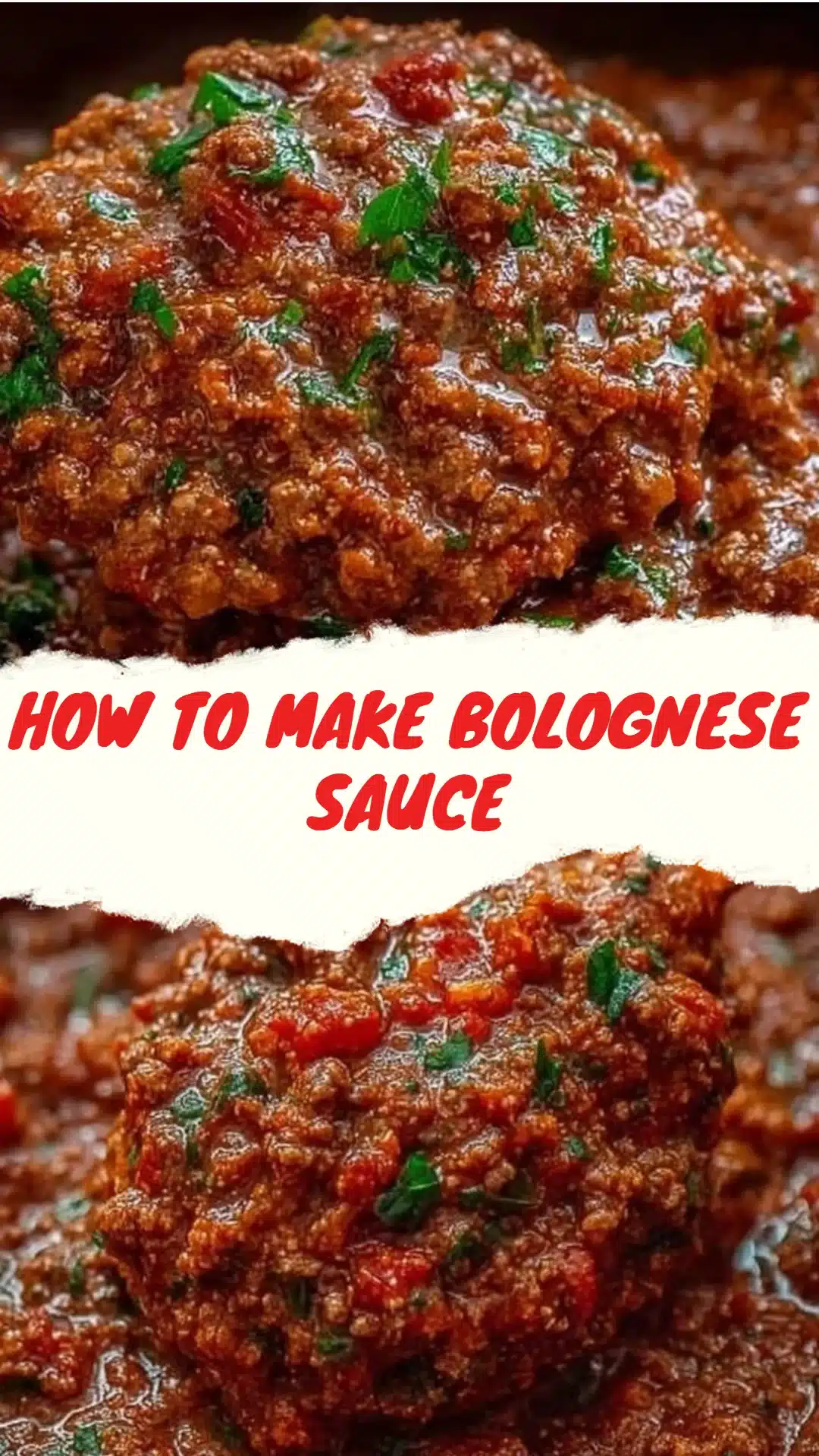
Bolognese Sauce
Ingredients
For the Base
- 2 tablespoons Olive oil To sauté the vegetables.
- 1 medium Onion, chopped
- 1 medium Carrot, chopped
- 1 stalk Celery, chopped
- 2 cloves Garlic, minced
For the Sauce
- 1 pound Ground beef Can substitute for ground turkey or ground chicken.
- 1 cup Red wine Optional; can substitute with broth.
- 28 ounces Canned tomatoes Whole or crushed work well.
- 2 tablespoons Tomato paste
- 1 cup Milk For creaminess; can use plant milk for dairy-free.
- 1 teaspoon Salt To taste.
- 1 teaspoon Pepper To taste.
- 1 teaspoon Italian herbs Use a mix of dried oregano, basil, and thyme.
To Serve
- 4 cups Cooked pasta Can use tagliatelle, spaghetti, or pappardelle.
Instructions
Preparation
- Heat olive oil in a large pot over medium heat. Chop the onion, carrot, and celery into small, even pieces.
- Add the chopped onions, carrots, and celery to the pot and sauté until soft, about 5–8 minutes.
- Stir in minced garlic and cook for an additional minute until fragrant.
- Add ground beef, breaking it up with a spoon or spatula. Cook until browned, making sure no pink remains.
Cooking
- Pour in red wine and let it simmer for a few minutes to reduce slightly.
- Mix in canned tomatoes and tomato paste, stirring well.
- Add milk, salt, pepper, and Italian herbs. Bring the sauce to a gentle simmer.
- Reduce heat and let it cook slowly for at least an hour, stirring occasionally.
- Serve over cooked pasta and enjoy!