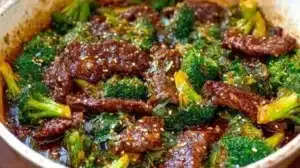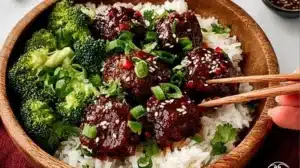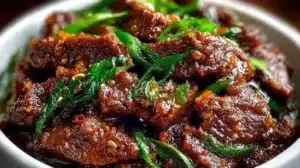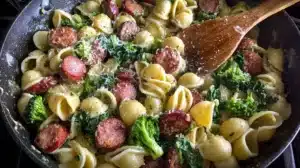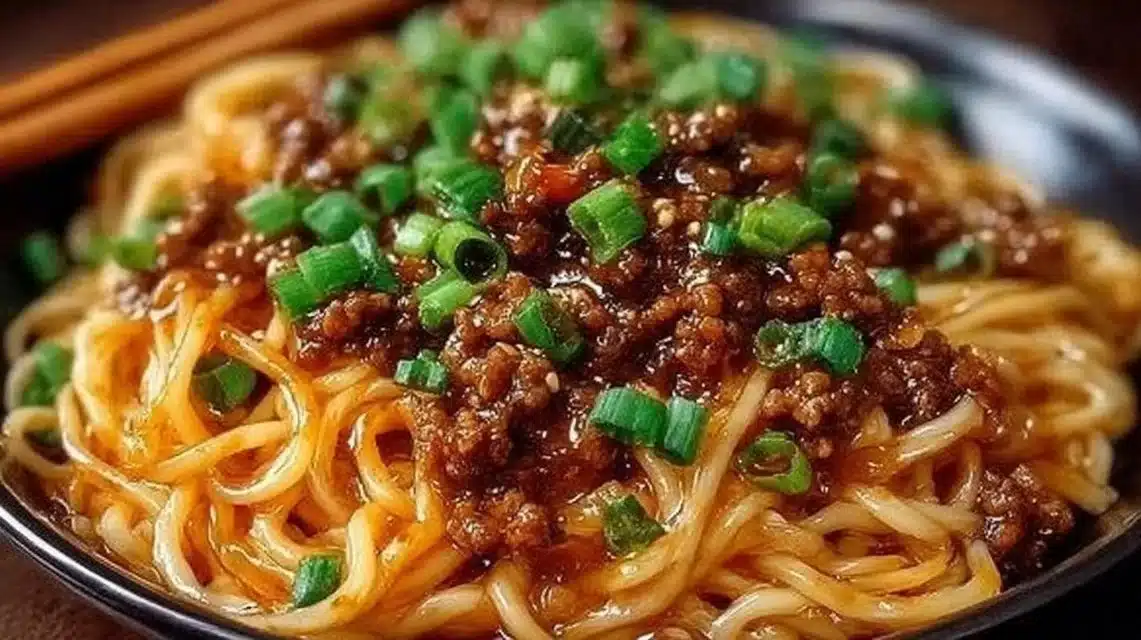
Mongolian Ground Beef Noodles are a fast, savory weeknight meal that pairs caramelized sweetness, garlic punch, and a glossy soy-based sauce with hearty linguine and seasoned ground beef. The noodles soak up a sticky brown-sugar-forward sauce while the beef gives a satisfying chew and savory depth. Texture comes from tender pasta, small browned beef pieces, and bright sliced green onions on top. This recipe is easy because it uses one skillet for the sauce and beef, and a simple cornstarch slurry to thicken, making cleanup quick. Serve it with steamed broccoli or a light cucumber salad for a full meal, or add extra green onions and sesame seeds for a final pop — and if you like related comfort food ideas, check this cheesy ground beef and rice casserole for another simple weeknight option.
Why You’ll Love This Mongolian Ground Beef Noodles
- Ready in about 30 minutes — great for busy weeknights.
- Sweet-savory sauce made with brown sugar, soy, and hoisin gives deep flavor without long simmering.
- Ground beef cooks quickly and distributes flavor through the noodles.
- Cornstarch slurry creates a glossy, clingy sauce that coats every strand of linguine.
- Flexible — easy to add vegetables or swap proteins (see variations).
- Uses pantry staples many cooks already have.
- Garnish of green onions adds freshness and color.
- Scales well for leftovers and meal prep.
What Is Mongolian Ground Beef Noodles?
Mongolian Ground Beef Noodles takes the bold, sweet-savory flavors often found in “Mongolian” noodle dishes and pairs them with quick-cooking ground beef and linguine. It tastes rich and slightly sweet from brown sugar, salty and umami from soy and hoisin, and savory from garlic and beef. The sauce is glossy and clings to noodles after a cornstarch slurry thickens it. This dish feels like comfort food and fits perfectly as a fast weeknight dinner, but it’s also homey enough to serve at casual gatherings. The cooking method is straightforward: boil the pasta, brown the beef in a skillet, build the sauce in the pan, thicken, then toss in the noodles to coat.
Ingredients for Mongolian Ground Beef Noodles
For the Base
- 1 lb ground beef
- 10 oz linguine
For the Sauce
- 5 cloves garlic, minced
- 1/3 cup brown sugar
- 1/4 cup beef broth
- 1/3 cup soy sauce
- 3 tablespoons hoisin sauce
- 1/2 teaspoon ground ginger
- 1/2 teaspoon ground black pepper
- Pinch of red pepper flakes (optional for a spicy kick)
- 1 tablespoon cornstarch
- 2 tablespoons water
To Serve
- 4 green onions, sliced for garnish
Ingredient Notes (Substitutions, Healthy Swaps)
- Ground beef: Use leaner ground beef (90/10) to cut fat, but drain less fat will reduce flavor slightly. Ground turkey or chicken work in a pinch — flavor will be milder.
- Linguine: Any long pasta works — spaghetti, fettuccine, or even rice noodles for a gluten-free swap (adjust cook time).
- Brown sugar: Light brown sugar works best; for lower sugar, reduce to 1/4 cup and add 1–2 teaspoons honey or maple if needed.
- Soy sauce: For lower sodium, use low-sodium soy sauce and taste before serving.
- Hoisin sauce: Adds sweetness and depth; you can reduce to 2 tbsp if you prefer less sweetness. For a hoisin-free option, add 1 tbsp oyster sauce plus 1 tsp molasses.
- Cornstarch: Arrowroot can substitute 1:1 for a clearer finish.
- Red pepper flakes: Optional — use Sriracha or chili oil if you want more heat.
- Beef broth: Swap with chicken broth or water + 1/8 tsp beef bouillon if needed.
Step-by-Step Instructions
Step 1 – Cook the linguine
- Bring a large pot of salted water to a boil. Add 10 oz linguine and cook according to package directions until al dente. Drain and set aside.
- Visual cue: The pasta should be pliable but still firm in the center when bitten.
Step 2 – Brown the beef
- Heat a large skillet over medium heat. Add 1 lb ground beef and cook, breaking it up, until browned and cooked through, about 6–8 minutes. Drain any excess fat.
- Visual cue: Beef pieces should be evenly browned with no pink spots.
Step 3 – Add aromatics and build the sauce
- Add 5 cloves minced garlic to the skillet and cook about 1 minute until fragrant. Stir in 1/3 cup brown sugar, 1/4 cup beef broth, 1/3 cup soy sauce, 3 tbsp hoisin sauce, 1/2 tsp ground ginger, 1/2 tsp ground black pepper, and a pinch of red pepper flakes if using. Mix well and bring to a gentle simmer.
Step 4 – Thicken the sauce
- In a small bowl, mix 1 tbsp cornstarch with 2 tbsp water to make a slurry. Pour the slurry into the skillet and stir continuously until the sauce thickens, about 2–3 minutes.
- Pro cue: If the sauce thickens too fast, add a splash of beef broth to loosen it. If it stays thin, give it another minute of simmer after stirring in more slurry (1 tsp cornstarch + 1 tsp water).
Step 5 – Combine with pasta and finish
- Add the cooked linguine to the skillet. Toss well so the noodles are fully coated in the sauce and warmed through. Taste and adjust seasoning if needed.
- Visual cue: The sauce should cling to the noodles and coat them with a glossy sheen.
Step 6 – Garnish and serve
- Transfer to plates or a serving bowl. Sprinkle sliced green onions on top and serve hot.
- Pro cue: Serve immediately for best texture; noodles will absorb sauce over time.
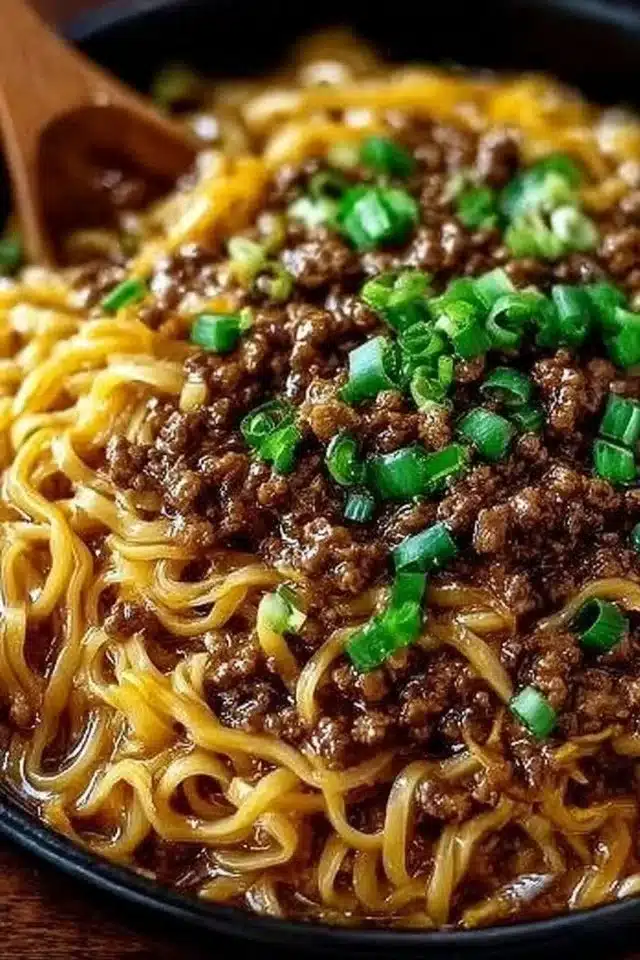
Pro Tips for Success
- Use medium heat when browning beef to develop flavor without burning the garlic.
- Drain excess fat after browning to avoid a greasy sauce, but leave a little to boost flavor.
- Measure the soy sauce and hoisin — these add a lot of sodium and sweetness; taste before adding extras.
- Mix cornstarch into cold water first to prevent lumps when adding to the hot sauce.
- Toss noodles quickly in the skillet; hot sauce will cling better to warm pasta.
- If making larger batches, keep sauce slightly looser before adding more pasta — it will thicken as it cools.
- Slice green onions diagonally for a nicer presentation and better bite.
Flavor Variations
- Optional: Add steamed broccoli or snap peas in Step 5 for color and crunch.
- Optional: Stir in 1 cup shredded carrots when adding garlic for sweetness and texture.
- Optional: Swap half the beef for ground pork or ground turkey for a lighter flavor profile.
- Optional: Add 1 tsp toasted sesame oil at the end for a nutty finish.
- Optional: For a bolder chili flavor, add 1–2 tsp chili garlic sauce to the sauce mixture.
- Optional: Finish with a squeeze of lime for a bright contrast to the sweet sauce.
Serving Suggestions
- Serve with steamed or roasted broccoli for a balanced meal.
- Pair with a simple cucumber salad tossed in rice vinegar and a pinch of sugar for freshness.
- Top with toasted sesame seeds and extra sliced green onions for texture and color.
- Offer pickled vegetables as a side to cut the richness.
- Plate with a wedge of lime for diners who like acidity.
- Great for casual dinner nights or a hearty lunch.
Make-Ahead, Storage & Reheating
- Make-ahead: Cook the beef and sauce up to the thickening step and cool. Store sauce and cooked pasta separately for best texture.
- Storage: Keep in an airtight container in the refrigerator for up to 3–4 days.
- Reheating: Gently reheat in a skillet over medium-low heat. Add a splash of beef broth or water if the sauce has thickened too much. Toss until heated through.
- Texture changes: Pasta will absorb sauce and soften over time. For best texture, reheat gently and add a little liquid to refresh the sauce.
Storage and Freezing Instructions
- Freezing prepared pasta with sauce is not recommended because textures change and the pasta can become mushy.
- Instead, freeze the cooked sauce (without pasta) in a freezer-safe container for up to 3 months. Thaw in the refrigerator overnight.
- To serve from frozen sauce: reheat gently in a skillet, add cooked pasta, and toss to combine.
- If you must freeze the full dish, expect softer noodles; thaw in fridge overnight and reheat with added liquid to improve texture.
Nutrition Facts (Per Serving)
Calories | Protein | Carbs | Fat | Fiber | Sodium
—|—:|—:|—:|—:|—:
~650 kcal | ~28 g | ~70 g | ~25 g | ~3 g | ~1,400 mg
Estimates vary by brands and portions.
FAQ About Mongolian Ground Beef Noodles
- Q: My sauce is too thin — what now?
A: Make another small cornstarch slurry (1 tsp cornstarch + 1 tsp water), stir into simmering sauce, and cook 1–2 minutes until it thickens. - Q: My sauce is too thick — how to loosen it?
A: Stir in 1–2 tablespoons of beef broth or water at a time until you reach the desired consistency. - Q: How can I reduce the sodium?
A: Use low-sodium soy sauce and taste before adding any extra salt. Reduce hoisin slightly or use a low-sodium hoisin if available. - Q: How to know when the beef is done?
A: Ground beef is done when no pink remains and its internal temperature reaches 160°F (71°C), or when pieces are uniformly browned. - Q: Can I use a different noodle?
A: Yes — spaghetti, fettuccine, or rice noodles work. Cook times will vary by pasta type. - Q: Can I make this gluten-free?
A: Use gluten-free pasta and replace soy sauce with tamari or a gluten-free soy alternative. Check hoisin for gluten content or use a gluten-free substitute.
TastyInspo Notes
- Add a final drizzle of sesame oil just before serving for a restaurant-style aroma.
- For a bright finish, scatter a few cilantro leaves with the green onions.
- Plate in a shallow bowl to show off the glossy sauce and make tossing at the table easy.
- Use a wide skillet to toss noodles evenly in the sauce instead of a deep pot.
- Offer small tasting spoons so guests can adjust heat with chili flakes or sauce.
Troubleshooting
- Bland flavor: Make sure to brown the beef well and taste the sauce — add a pinch more brown sugar or a splash of soy to balance.
- Overcooked pasta: Cook linguine 1–2 minutes less than package directions if you plan to toss and reheat in the skillet.
- Greasy sauce: Drain excess fat from the browned beef, or blot with a paper towel before adding sauce.
- Burnt garlic: Add garlic after the beef has browned and reduce heat to medium-low; garlic cooks fast and burns easily.
- Sauce won’t thicken: Ensure your slurry is well mixed and added to simmering sauce. If sauce is too cool, cornstarch won’t activate.
- Too salty: Add a small amount of sugar or a squeeze of lime to balance, or add more cooked pasta to dilute.
Final Thoughts
This Mongolian Ground Beef Noodles recipe gives you fast, satisfying comfort food with a sticky, sweet-savory sauce and simple, reliable steps. It’s easy to adapt, quick to make, and makes great leftovers when stored properly. Try the optional add-ins to make it your own and enjoy a simple, bold dinner any night of the week.
Conclusion
For a simple, crowd-pleasing dinner that comes together fast, this Mongolian Ground Beef Noodles recipe delivers big flavor with minimal fuss — and for another take on bold weeknight meals, see the original Mongolian Ground Beef Noodles – 12 Tomatoes recipe for more inspiration.
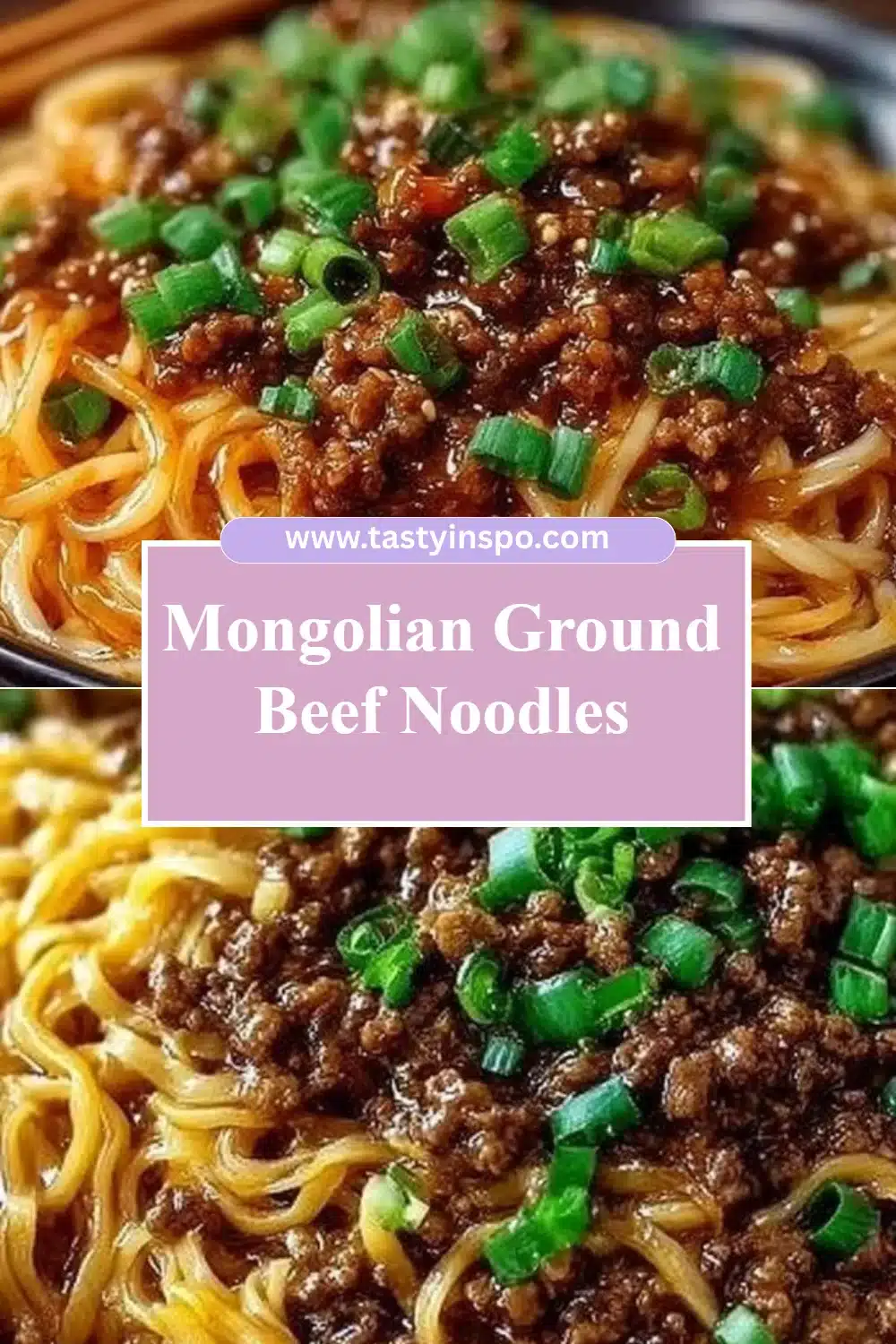
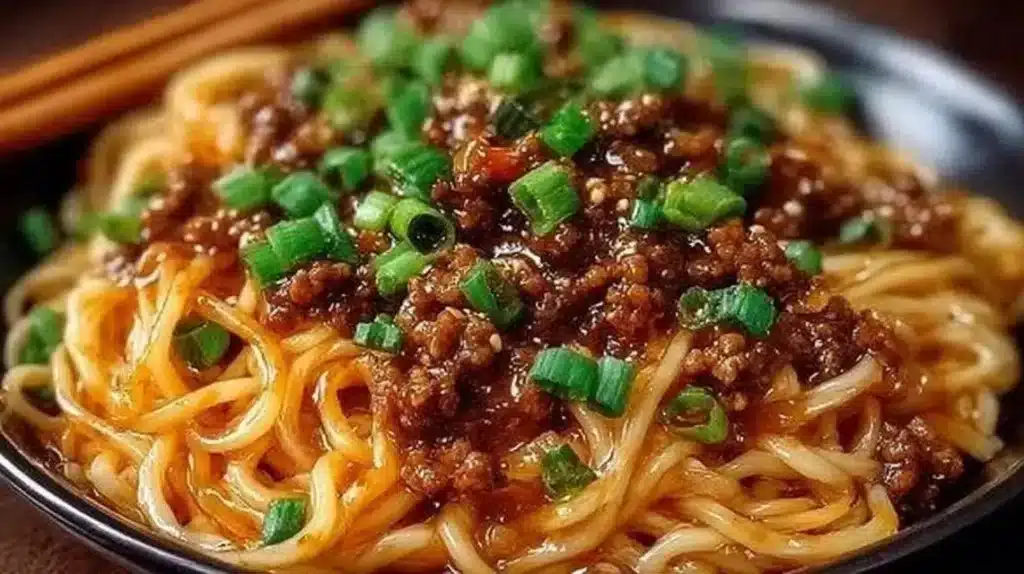
Mongolian Ground Beef Noodles
Ingredients
For the Base
- 1 lb ground beef Use leaner ground beef (90/10) for less fat.
- 10 oz linguine Any long pasta works — spaghetti, fettuccine, or rice noodles for gluten-free.
For the Sauce
- 5 cloves garlic, minced Adds aromatic flavor.
- 1/3 cup brown sugar Light brown sugar works best.
- 1/4 cup beef broth Can be swapped with chicken broth.
- 1/3 cup soy sauce Use low-sodium for reduced salt.
- 3 tablespoons hoisin sauce Can substitute with oyster sauce and molasses.
- 1/2 teaspoon ground ginger
- 1/2 teaspoon ground black pepper
- pinch red pepper flakes Optional for heat.
- 1 tablespoon cornstarch To create a slurry for thickening.
- 2 tablespoons water To mix with cornstarch for slurry.
To Serve
- 4 green onions, sliced for garnish Adds freshness and color.
Instructions
Preparation
- Bring a large pot of salted water to a boil. Add linguine and cook until al dente. Drain and set aside.
- Heat a large skillet over medium heat. Add ground beef and cook until browned, about 6-8 minutes. Drain excess fat.
Sauce Preparation
- Add minced garlic to the skillet and cook 1 minute until fragrant. Stir in brown sugar, beef broth, soy sauce, hoisin sauce, ground ginger, ground black pepper, and red pepper flakes if using. Mix and bring to a gentle simmer.
- Mix cornstarch with water to make a slurry. Pour the slurry into the skillet, stirring continuously until the sauce thickens, about 2-3 minutes.
Final Steps
- Add the cooked linguine to the skillet, tossing well to coat the noodles in the sauce. Adjust seasoning if needed.
- Transfer to serving plates or bowls, garnish with sliced green onions, and serve hot.