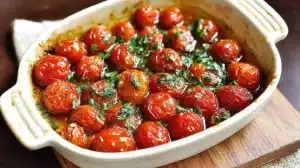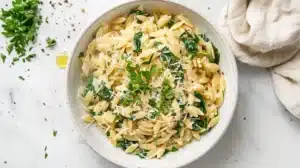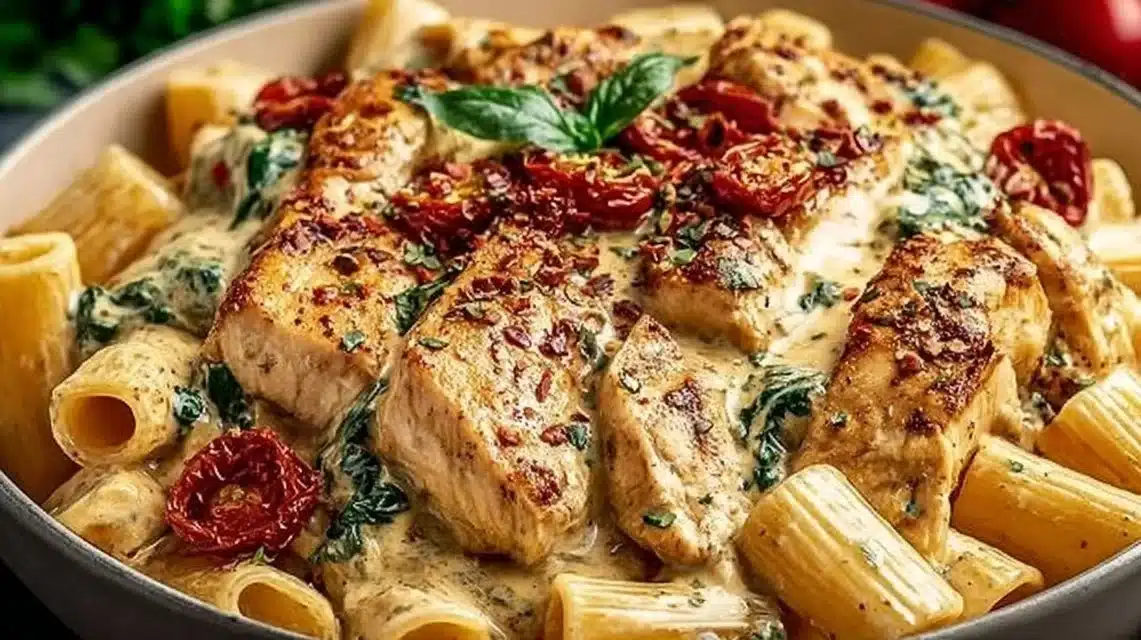
This Best Tuscan Chicken Pasta brings together a rich, creamy sauce, tender browned chicken, bright cherry tomatoes, and wilted spinach tossed with pasta for a comforting, flavorful one-pan meal. The sauce is silky from heavy cream and Parmesan, with garlic and olive oil building the savory base, while fresh basil adds a clean finish. It’s simple to make and comes together in about the time it takes to cook the pasta, so it’s perfect for busy weeknights or an easy dinner with friends. Serve it with a crisp green salad or warm crusty bread for a complete meal.
Why You’ll Love This Best Tuscan Chicken Pasta
- Rich, creamy sauce without complicated steps — heavy cream and Parmesan melt into a silky coating.
- Quick weeknight prep: pasta cooks while you brown the chicken and make the sauce.
- Balanced flavors: garlicky, savory chicken with sweet cherry tomatoes and fresh basil.
- One-skillet finish makes clean-up fast and keeps the dish cohesive.
- Flexible: works with common pantry pasta and basic proteins.
- Crowd-pleasing texture contrast — juicy chicken, tender pasta, and soft wilted spinach.
- Easy to scale up for more people or to use leftovers for lunches.
What Is Best Tuscan Chicken Pasta?
Best Tuscan Chicken Pasta is a creamy pasta dish that pairs diced, pan-seared chicken with a Parmesan and heavy-cream sauce, bright cherry tomatoes, and spinach. It tastes buttery and savory with a mild tang from the cheese and a fresh pop from basil. The cooking method is straightforward: cook pasta, brown the chicken, sauté aromatics and vegetables, then combine everything in the skillet with cream and cheese. The vibe is cozy comfort food that still feels a bit elegant — great for weeknights, casual dinner guests, or a relaxed weekend meal.
For a similar quick idea, check this pesto pasta with chicken for busy weeknights that uses many of the same steps but a different flavor profile.
Ingredients for Best Tuscan Chicken Pasta
For the Base
- 8 oz pasta
For the Chicken
- 2 chicken breasts, diced
- 2 tbsp olive oil
- Salt and pepper to taste
For the Sauce & Veg
- 2 cloves garlic, minced
- 1 cup cherry tomatoes, halved
- 1 cup spinach
- 1 cup heavy cream
- 1/2 cup Parmesan cheese, grated
To Serve
- Fresh basil for garnish
Ingredient Notes (Substitutions, Healthy Swaps)
- Pasta: Use any short pasta (penne, fusilli, farfalle). Whole-wheat or legume pasta work to add fiber and protein. Cooking time may change; follow package for al dente.
- Chicken breasts: You can use boneless skinless thighs (diced) for more fat and flavor. If using pre-cooked rotisserie chicken, add it at the end to warm through.
- Olive oil: Substitute an equal amount of avocado oil or another neutral oil.
- Heavy cream: For a lighter version, use half-and-half combined with a small tablespoon of cornstarch dissolved in cold water to help thicken, but texture will be lighter.
- Parmesan: Any hard Italian-style grated cheese (Pecorino Romano in small amounts) can work but will change saltiness.
- Spinach: Baby kale or arugula can substitute; kale will need slightly longer to wilt.
- Salt and pepper: Season at multiple stages — on the chicken, and taste the finished dish before serving.
Step-by-Step Instructions
Step 1 – Cook the pasta
- Bring a large pot of salted water to a boil.
- Add 8 oz pasta and cook according to package instructions until al dente. Drain and set aside.
Visual cue: Pasta should be tender with a slight bite (not mushy).
Step 2 – Brown the chicken
- Heat 2 tbsp olive oil in a large skillet over medium heat.
- Add diced chicken breasts, season with salt and pepper, and cook until browned and cooked through, about 5–8 minutes depending on dice size. Remove the chicken from the skillet and set aside.
Step 3 – Sauté garlic
- In the same skillet, add minced garlic and sauté 30–60 seconds until fragrant. Do not let it brown too much.
Step 4 – Cook tomatoes and spinach
- Add halved cherry tomatoes and 1 cup spinach to the skillet.
- Cook until tomatoes soften and spinach wilts, about 2–3 minutes.
Step 5 – Make the sauce and finish
- Pour in 1 cup heavy cream and bring to a gentle simmer. Stir in 1/2 cup grated Parmesan until melted and creamy. Return the cooked chicken to the skillet and mix well.
Step 6 – Combine with pasta
- Add the drained pasta to the skillet and toss to combine. Season with additional salt and pepper if needed.
Step 7 – Serve
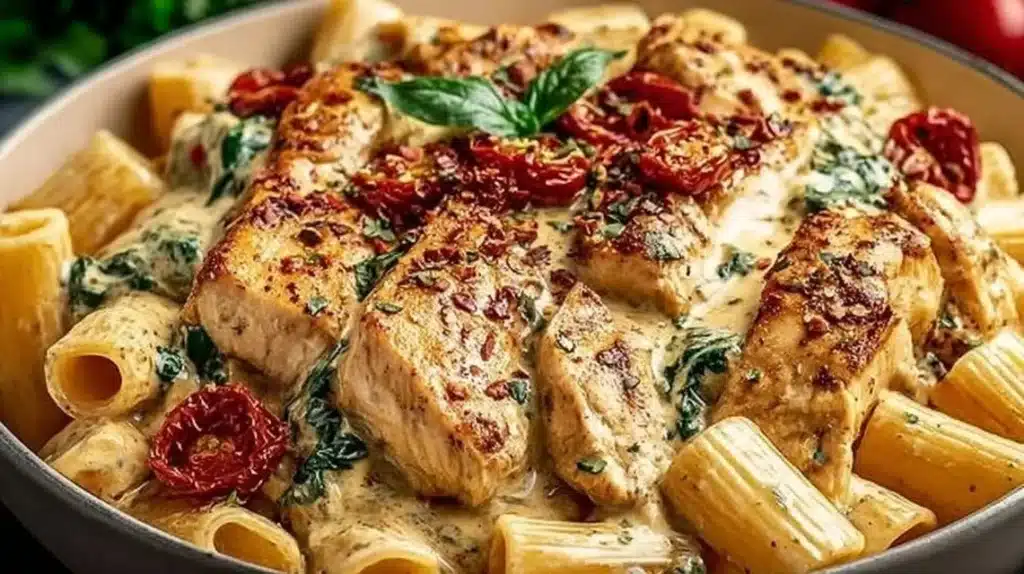
- Serve hot, garnished with fresh basil leaves.
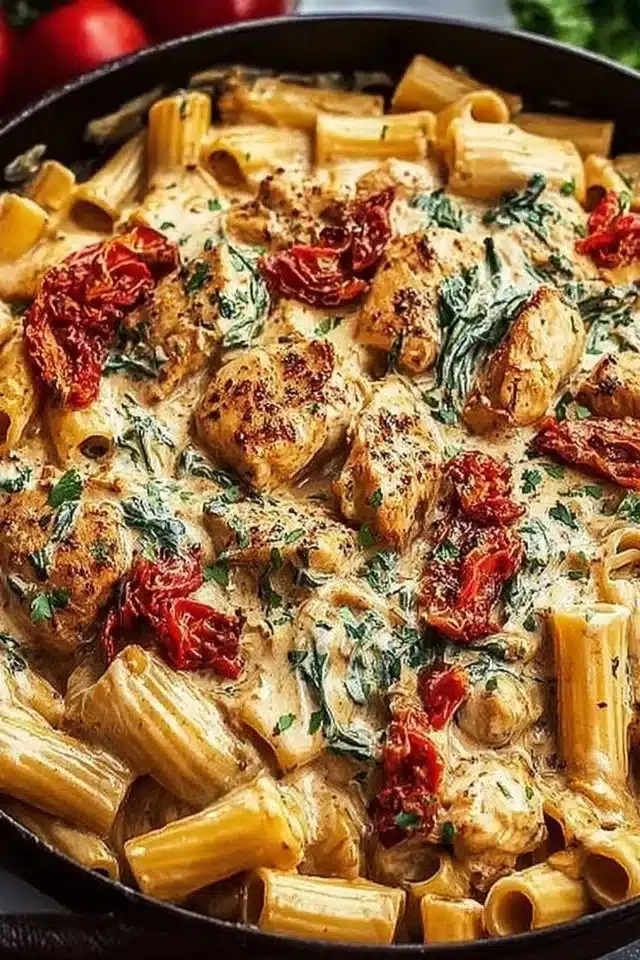
Visual cue: Sauce should cling to the pasta and chicken and have a glossy, creamy look.
Pro cue: If sauce looks too thick, add a splash of pasta cooking water to loosen; if too thin, simmer a minute to reduce.
Pro Tips for Success
- Dice the chicken evenly so pieces cook at the same rate.
- Don’t overcrowd the skillet when browning chicken — work in batches or use high enough heat for a quick sear.
- Taste and adjust salt after adding Parmesan — the cheese adds saltiness.
- Use freshly grated Parmesan for smoother melting and cleaner flavor. Pre-grated powders don’t melt as well.
- Warm the cream slightly before adding if your skillet is very hot to avoid curdling.
- Save 1/4 cup pasta water before draining to loosen the sauce if needed.
- Finish with fresh basil just before serving to keep the flavor bright.
Flavor Variations
- Optional: Add a pinch of red pepper flakes when sautéing garlic for a mild heat boost.
- Optional: Stir in a tablespoon of sun-dried tomato paste (chopped) for deeper tomato flavor without changing the steps.
- Optional: Swap spinach for baby arugula at the end for a peppery lift. Add arugula just before serving so it wilts lightly.
- Optional: Stir in a handful of frozen peas with the spinach for extra sweetness and color.
- Optional: Mix in a teaspoon of lemon zest at the end for a citrus twang that brightens the cream.
Serving Suggestions
- Serve with a simple green salad dressed with lemon and olive oil.
- Offer warm crusty bread or garlic bread to mop up the sauce.
- Pair with a light white wine or sparkling water with lemon for an easy dinner.
- Plate in shallow bowls to show chicken and tomatoes on top for a restaurant feel.
- Great for casual family dinners, meal-share nights, or when you want comfort without fuss.
Make-Ahead, Storage & Reheating
- Make-ahead: Cook the chicken and prepare the sauce without adding cream; cool and store separately from pasta. Reheat sauce and add cream and Parmesan when ready, then toss with freshly cooked pasta.
- Refrigerate: Store leftovers in an airtight container for up to 3–4 days. Keep pasta and sauce together or store sauce separately if you prefer.
- Reheating: Reheat gently on the stove over low heat with a splash of milk or water to loosen the sauce. Microwave in short intervals, stirring and adding liquid if the sauce tightens. Expect the cream to thicken after chilling; add liquid to restore creaminess.
- Texture note: Pasta can absorb sauce after sitting; loosening with a bit of water or milk restores the sauce consistency.
Storage and Freezing Instructions
- Freezing the full dish is not recommended because heavy cream and Parmesan can change texture when frozen and reheated (sauces may separate).
- If you must freeze, separate components: freeze cooked, unseasoned pasta and cooked chicken in airtight containers for up to 2 months; freeze sauce separately in a freezer-safe container with some extra cream. Thaw overnight in the fridge and reheat slowly, whisking to recombine.
- Best practice: Refrigerate for short-term storage (3–4 days) and reheat fresh for best texture.
Nutrition Facts (Per Serving)
Calories | Protein | Carbs | Fat | Fiber | Sodium
—|—:|—:|—:|—:|—:
Approx. 620 kcal | 38 g | 55 g | 24 g | 3 g | 560 mg
Estimates vary by brands and portions.
FAQ About Best Tuscan Chicken Pasta
Q: My sauce is too thin. What do I do?
A: Simmer gently a few more minutes to reduce and thicken. You can also stir in a small grated handful of Parmesan to thicken or add 1 tsp cornstarch mixed with cold water.Q: My sauce split or looks grainy after adding cream. How to fix it?
A: Lower the heat and stir constantly. Add a splash of cold cream or milk and whisk; gentle heat helps recombine. Avoid boiling cream.Q: How do I know when the chicken is cooked?
A: Dice should be browned and register 165°F (74°C) internally. Cut a piece to check — it should be opaque and firm.Q: Can I use frozen spinach?
A: Yes, but thaw and squeeze out excess water before adding so the sauce doesn’t get watery.Q: The dish is bland. Where to adjust flavor?
A: Add salt gradually and taste after mixing Parmesan. Fresh black pepper or a squeeze of lemon can brighten flavors.Q: Can I make this dairy-free?
A: Use a shelf-stable dairy-free cream substitute and dairy-free Parmesan alternative; texture and flavor will differ but the method remains the same.
TastyInspo Notes
- Finish with a light drizzle of good olive oil for sheen and flavor.
- Tear basil with your hands to release oils rather than just slicing.
- For prettier plating, reserve a few whole cherry tomato halves to place on top.
- Serve in warmed bowls to keep the sauce creamy longer at the table.
- Grate extra Parmesan at the table for guests to add as desired.
Troubleshooting
- Problem: Chicken is dry or overcooked. Fix: Reduce cooking time, use slightly higher heat to sear quickly, and cut larger cubes to avoid drying. Rest chicken off heat before adding to sauce.
- Problem: Sauce is too salty. Fix: Add more cream or a small splash of unsalted milk, or add extra pasta to absorb salt. Serve with unsalted side like plain bread.
- Problem: Garlic burned and tastes bitter. Fix: Remove burnt garlic bits, add a fresh clove and cook briefly, keeping heat lower.
- Problem: Sauce sticks or burns in skillet. Fix: Lower heat and deglaze with a tablespoon of pasta water, scraping brown bits gently. Use a nonstick or well-seasoned pan.
- Problem: Pasta clumps after mixing. Fix: Toss with a little olive oil or a splash of hot pasta water before combining with sauce.
Final Thoughts
This Best Tuscan Chicken Pasta is a straightforward, high-reward dish that balances creamy comfort, fresh tomatoes, and tender chicken. It’s fast enough for weeknights and flexible enough to tweak for tastes or ingredients on hand. Follow the simple steps and keep an eye on seasoning for a reliable favorite.
Conclusion
For another take on quick chicken pasta dinners that save time and deliver flavor, see this helpful recipe for Tuscan Chicken Pasta – I Am Homesteader.
Best Tuscan Chicken Pasta
Ingredients
For the Pasta
- 8 oz pasta Use any short pasta like penne, fusilli, or farfalle.
For the Chicken
- 2 pieces chicken breasts, diced Boneless, skinless. You can substitute with thighs for more flavor.
- 2 tbsp olive oil Can substitute with avocado oil.
- Salt and pepper to taste Season at multiple stages during cooking.
For the Sauce & Veg
- 2 cloves garlic, minced
- 1 cup cherry tomatoes, halved
- 1 cup spinach Can substitute with baby kale or arugula.
- 1 cup heavy cream For a lighter version, use half-and-half with cornstarch.
- 1/2 cup Parmesan cheese, grated Use freshly grated for better melting.
To Serve
- Fresh basil for garnish Tear basil leaves for better flavor release.
Instructions
Preparation
- Bring a large pot of salted water to a boil.
- Add 8 oz pasta and cook according to package instructions until al dente. Drain and set aside.
Cooking the Chicken
- Heat 2 tbsp olive oil in a large skillet over medium heat.
- Add diced chicken breasts, season with salt and pepper, and cook until browned and cooked through, about 5–8 minutes based on the size of the dice. Remove the chicken from the skillet and set aside.
Making the Sauce
- In the same skillet, add minced garlic and sauté for 30–60 seconds until fragrant, being careful not to let it brown.
- Add halved cherry tomatoes and spinach to the skillet and cook until the tomatoes soften and the spinach wilts, about 2–3 minutes.
- Pour in 1 cup heavy cream and bring to a gentle simmer. Stir in 1/2 cup grated Parmesan until melted and creamy.
- Return the cooked chicken to the skillet and mix well.
Combining Everything
- Add the drained pasta to the skillet and toss to combine. Season with additional salt and pepper if needed.
Serving
- Serve hot, garnished with fresh basil leaves.