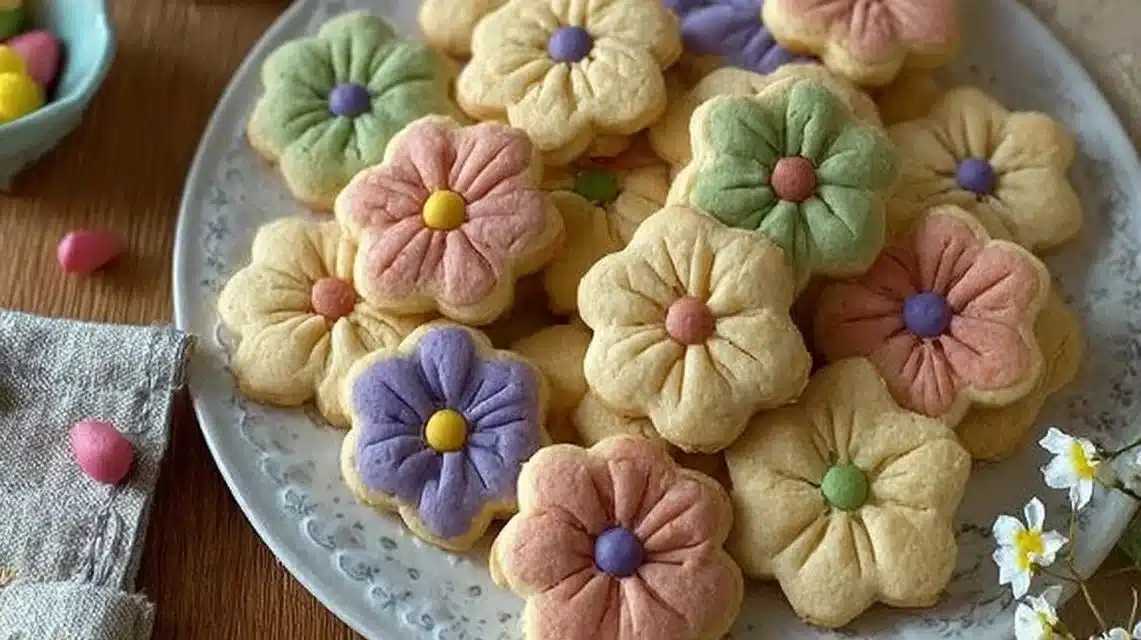
These spring flower shortbread cookies are tender, buttery, and melt-in-your-mouth with a gentle crumb that holds a delicate floral shape. The taste is classic shortbread—rich butter, a whisper of sugar, and a hint of vanilla—perfect for tea time or a bright spring dessert plate. The texture is crisp on the edges with a soft, sandy center that breaks cleanly when bitten. They’re simple to make and forgiving, so even a busy cook can shape a tray of pretty cookies in an afternoon. Serve with a dusting of powdered sugar, a smear of jam, or alongside a light tea for a fresh, pretty presentation. For more inspiration on simple cookies to bake alongside these, see this easy and chewy chocolate chip cookie recipe.
Why You’ll Love This Spring Flower Shortbread Cookies
- Buttery, classic shortbread flavor that never overpowers tea or coffee.
- Light, sandy texture that melts in your mouth while keeping its flower shape.
- Quick to prepare—minimal ingredients and simple steps.
- Frosts and jams easily for a decorative spring look.
- Great for make-ahead baking; they keep their texture well.
- Kid-friendly cutting and decorating for family baking time.
- Flexible: easy to add citrus zest or almond extract for gentle twists.
- Perfect for brunches, showers, or gifting in a pretty box.
What Is Spring Flower Shortbread Cookies?
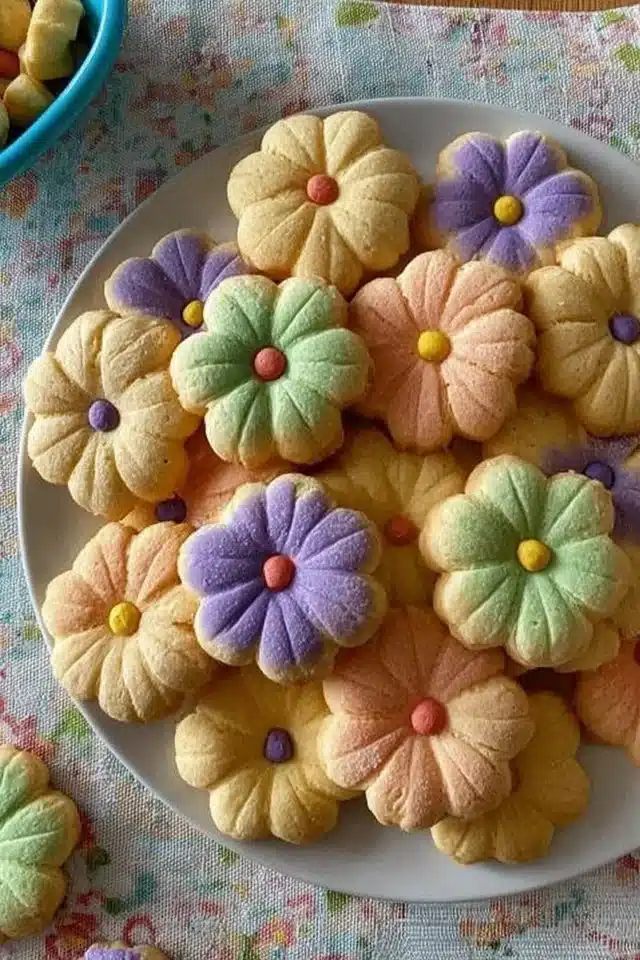
Spring flower shortbread cookies are shaped butter cookies made from basic shortbread dough and cut with flower-shaped cookie cutters. They taste like classic shortbread: rich butter, a touch of sugar, and a mild vanilla note. The cookies are baked to a pale golden edge and remain soft and crumbly inside. What makes them special is the visual charm—flower shapes that can be dusted with powdered sugar, lightly glazed, or topped with a small dot of jam for a simple but elegant look. The cooking method is straightforward: cream, mix, roll, cut, and bake. The vibe is relaxed and bright—great for weekend baking, tea parties, or casual entertaining.
Ingredients for Spring Flower Shortbread Cookies
- 1 cup (2 sticks) unsalted butter, softened
- 1/2 cup powdered sugar, sifted
- 1/2 teaspoon salt
- 1 teaspoon vanilla extract
- 2 cups all-purpose flour
- Optional: lemon or orange zest (1 teaspoon) or 1/4 teaspoon almond extract for a subtle twist
Ingredient Notes (Substitutions, Healthy Swaps)
- Butter: Use unsalted butter and add a pinch more salt if using salted butter. For a lower-fat swap, you can try 3/4 cup butter + 1/4 cup unsweetened applesauce, but texture will be softer and less classic.
- Powdered sugar: Gives a smoother shortbread texture. Granulated sugar can be used (1/2 cup) but expect a slightly grainier bite.
- Flour: All-purpose flour is best for the right structure. For a gluten-free option, use a 1:1 gluten-free baking blend—results are good but may be more fragile.
- Vanilla: Pure vanilla extract is preferred. Optional almond extract works well but use less (1/4 teaspoon) so it doesn’t overpower.
- Zest: Citrus zest brightens the flavor—use fresh zest only. This is optional and recommended for spring flavor.
Step-by-Step Instructions
Step 1 – Soften and measure your ingredients
- Make sure the butter is soft but not melted. Sift the powdered sugar to remove lumps. Preheat oven to 325°F (160°C).
- Visual cue: Butter should yield slightly when pressed but keep its shape.
Step 2 – Cream butter and sugar
- In a large bowl, beat the softened butter and powdered sugar until light and pale, about 2–3 minutes. Add the vanilla and optional zest and mix briefly.
- Visual cue: Mixture looks airy and lighter in color.
Step 3 – Add flour and form dough
- Gradually add the flour and salt, mixing on low until just combined. The dough will come together and may be slightly crumbly but should hold when pinched.
- Pro cue: Do not overmix—stop as soon as the dough forms to keep cookies tender.
Step 4 – Chill, roll, and cut
- Shape dough into a disk, wrap in plastic, and chill 20–30 minutes for easier rolling. On a lightly floured surface, roll to about 1/4 inch thick. Cut with a flower-shaped cookie cutter and transfer to a baking sheet lined with parchment.
- Visual cue: Edges remain clean and cutter leaves a defined petal shape.
Step 5 – Bake
- Bake at 325°F (160°C) for 12–15 minutes, until the edges are just beginning to show a faint golden hue. Rotate the pan halfway through baking for even color.
- Pro cue: For best texture, avoid browning—watch carefully in the final minutes.
Step 6 – Cool and finish
- Cool on the baking sheet for 5 minutes, then transfer to a wire rack to cool completely. Dust with powdered sugar or add a small dollop of jam to the center of each flower once cooled.
- Visual cue: Cookies should feel firm at the edges and slightly soft in the center when warm; they set as they cool.
Pro Tips for Success
- Use room-temperature butter for even creaming and a light texture.
- Sift powdered sugar to avoid lumps that can affect the dough’s smoothness.
- Chill the dough if it becomes sticky—cold dough cuts cleaner and keeps shapes.
- Roll dough between two sheets of parchment for easier handling and less flour pickup.
- Keep thickness consistent—1/4 inch gives the best balance between crisp edges and tender center.
- Bake in the center of the oven and avoid overcrowding the pan for even heat circulation.
- Let cookies cool on the pan briefly to set their shape; they are fragile when hot.
- Store cooled cookies in an airtight container with a layer of parchment between layers to prevent sticking.
Flavor Variations
- Optional: Lemon Zest & Glaze — Add 1 teaspoon lemon zest to the dough and drizzle with a thin lemon glaze after cooling.
- Optional: Almond Shortbread — Replace 1/4 teaspoon vanilla with 1/4 teaspoon almond extract for a nutty note.
- Optional: Lavender Shortbread — Fold in 1/2 teaspoon culinary lavender (finely ground) with the flour for a floral hint; use sparingly.
- Optional: Jam-Filled Flowers — Cut out center circle before baking or create a small indentation after baking and fill with your favorite jam.
- Optional: Chocolate-Dipped Edges — Dip half of each cooled cookie in melted chocolate and let set for a richer finish.
- Optional: Citrus-Sugar Rim — Roll cookie edges in a little granulated sugar mixed with finely grated citrus zest before baking for sparkle.
Serving Suggestions
- Serve with a pot of tea (earl grey or chamomile) for a classic pairing.
- Arrange on a tiered tray for bridal showers or spring brunches.
- Pair with fresh berries and whipped cream for a light dessert plate.
- Package in clear boxes with tissue for a simple homemade gift.
- Serve alongside light cheeses (ricotta or mascarpone) and honey for a grown-up spread.
- Use as a base for mini cookie sandwiches with lemon curd or buttercream.
Make-Ahead, Storage & Reheating
- Make-ahead: Dough can be made and chilled up to 2 days before rolling and cutting. You can also cut shapes and freeze them on a tray, then bag for later baking.
- Storage (room temp): Store baked cookies in an airtight container at room temperature for up to 5 days.
- Refrigerator: Not necessary; refrigeration can dry shortbread. If your kitchen is very warm, store in the fridge in an airtight container for up to 7 days, but allow cookies to come to room temperature before serving to regain tenderness.
- Reheating: Warm in a 300°F oven for 3–5 minutes to refresh crispness. Avoid microwaving—shortbread can become gummy.
- Texture changes: Shortbread firms slightly as it cools; crispness will soften slightly over days if humidity is high.
Storage and Freezing Instructions
- Freeze unbaked cut cookies: Place them on a baking sheet and freeze until solid, then transfer to a freezer bag for up to 3 months. Bake from frozen, adding 1–2 minutes to bake time.
- Freeze baked cookies: Layer cookies between parchment in an airtight container or freezer-safe bag and freeze up to 2 months. Thaw at room temperature.
- If freezing is not recommended: None—freezing works well. However, highly decorated cookies with fresh jam or soft icing are best stored in the fridge for short term rather than frozen to protect toppings.
Nutrition Facts (Per Serving)
Calories | Protein | Carbs | Fat | Fiber | Sodium
—|—:|—:|—:|—:|—:
120 | 1 g | 12 g | 8 g | 0.3 g | 55 mg
Estimates vary by brands and portions.
FAQ About Spring Flower Shortbread Cookies
Q: Why are my shortbread cookies spreading too much?
A: Butter may be too soft or dough warm. Chill dough 20–30 minutes before cutting and use cool baking sheets.
Q: How do I keep the flower shape sharp?
A: Roll to an even 1/4 inch and press cutter straight down without twisting. Chill cut shapes on the tray before baking.
Q: Can I use granulated sugar instead of powdered sugar?
A: Yes, but texture will be slightly grainier and less silky. Use the same amount and a bit more creaming time.
Q: How do I know when they’re done?
A: Edges should show a faint golden color while centers remain pale. They firm as they cool.
Q: Can I add spices or cocoa?
A: Optional—add up to 1 teaspoon ground spice (like cinnamon) or replace 1–2 tablespoons flour with cocoa for a chocolate note, but this changes texture slightly.
Q: Can I make them dairy-free?
A: Substitute a vegan butter stick with similar properties. Texture should be similar, but always test one batch first.
TastyInspo Notes
- Press a small edible flower or a nut in the center before baking for a pretty natural garnish.
- For uniform cookies, weigh dough portions with a small scoop before rolling.
- Use a sharp, metal cutter for cleaner petal edges—plastic can drag the dough.
- Chill cookie sheet between batches if it becomes warm to keep shapes consistent.
- Try decorating a few with colored sanding sugar for a festive look.
Troubleshooting
Problem: Cookies are too crumbly and fall apart.
Fix: Add a teaspoon of milk or cream to the dough and mix gently; this adds moisture and binding. Chill before cutting.Problem: Cookies browned too quickly on the bottom.
Fix: Reduce oven temp by 10–15°F and bake a bit longer; use lighter-colored baking sheets.Problem: Texture is tough, not tender.
Fix: Do not overmix after adding flour. Overworking develops gluten—mix only until combined.Problem: Centers sink or puff oddly.
Fix: Dough may be too warm or over-creamed. Chill well and avoid overbeating.Problem: Jam oozes during baking.
Fix: Add jam after baking when cookies are cool, or use a thicker jam and a small amount in the center.Problem: Decorated cookies stick together.
Fix: Separate layers with parchment paper and store in a single layer or with space between them.
Final Thoughts
These spring flower shortbread cookies are simple, pretty, and reliable—small efforts yield lovely results for gatherings or everyday treats. The basic dough is forgiving and adapts to small flavor changes, so experiment with zests or gentle extracts for new favorites. For a quick take on a similar theme, see this external recipe for inspiration: 3 Ingredient Flower Shortbread Cookies – Kirbie’s Cravings.
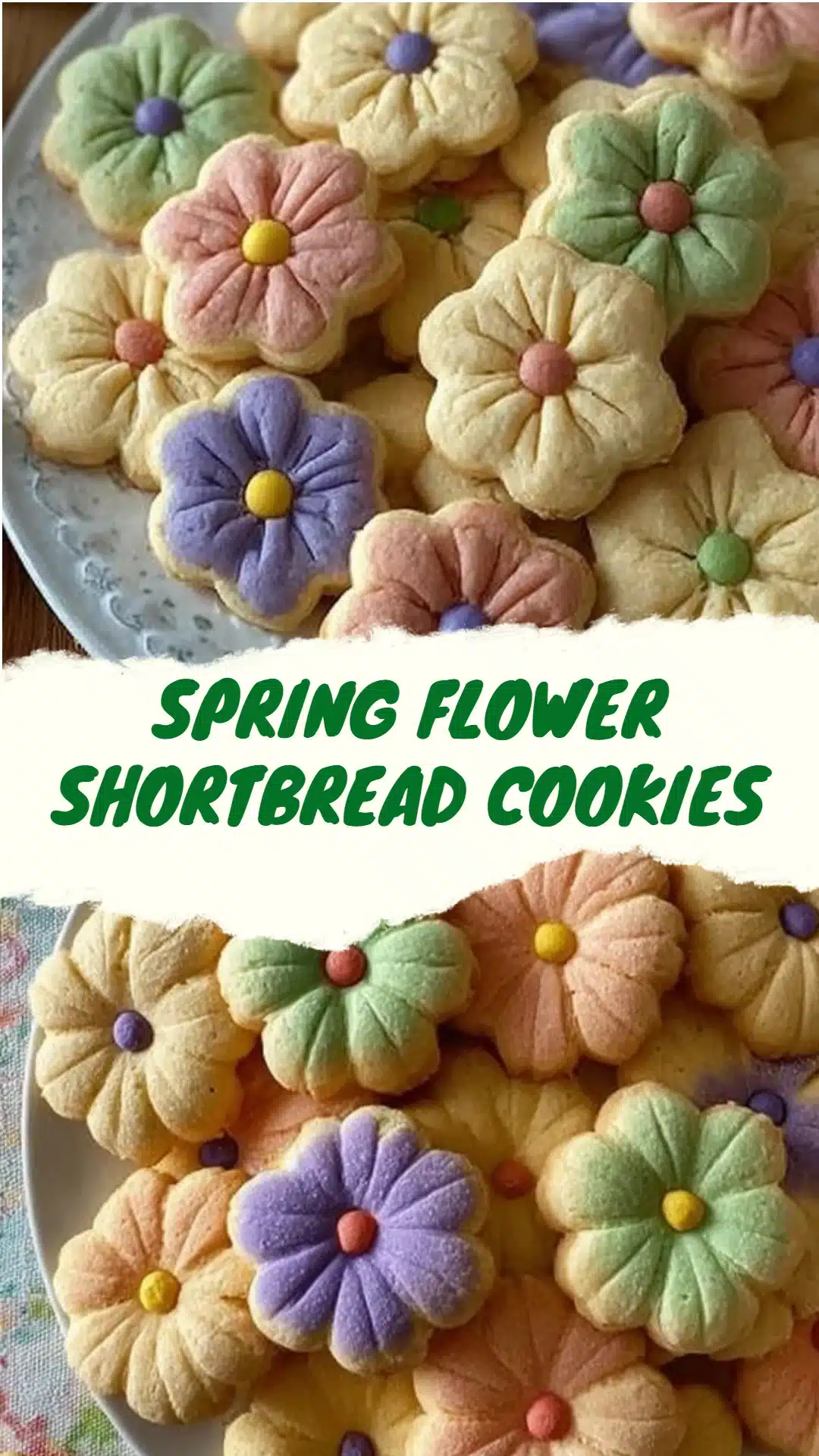
Spring Flower Shortbread Cookies
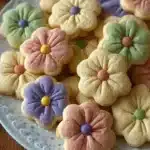
These tender, buttery cookies are shaped like flowers and perfect for springtime gatherings, offering a classic shortbread flavor and melt-in-your-mouth texture.
Main Ingredients
- 1 cup unsalted butter, softened (Use unsalted butter and add a pinch more salt if using salted butter.)
- 1/2 cup powdered sugar, sifted (Granulated sugar can be used but will yield a slightly grainier texture.)
- 1/2 teaspoon salt (Use more salt if using salted butter.)
- 1 teaspoon vanilla extract (Pure vanilla extract is preferred.)
- 2 cups all-purpose flour (For a gluten-free alternative, use a 1:1 gluten-free baking blend.)
- 1 teaspoon lemon or orange zest (Optional for added flavor.)
- 1/4 teaspoon almond extract (Optional for a subtle twist.)
Preparation
- Soften the butter to room temperature but do not melt it. Sift the powdered sugar to remove lumps. Preheat the oven to 325°F (160°C).
Creaming
- In a large bowl, beat the softened butter and powdered sugar until light and pale, about 2–3 minutes. Add the vanilla and optional zest, mixing briefly.
Dough Formation
- Gradually add the flour and salt, mixing on low until just combined. The dough will come together and should hold when pinched.
Chilling and Rolling
- Shape the dough into a disk, wrap in plastic, and chill for 20–30 minutes. Roll on a lightly floured surface to about 1/4 inch thick. Cut with a flower-shaped cookie cutter and transfer to a baking sheet lined with parchment.
Baking
- Bake at 325°F (160°C) for 12–15 minutes until the edges are just beginning to show a faint golden hue.
Cooling and Finishing
- Cool on the baking sheet for 5 minutes before transferring to a wire rack to cool completely. Dust with powdered sugar or add a small dollop of jam if desired.
These cookies can be decorated with edible flowers or citrus zest for added flavor or visual appeal. Store them in an airtight container with parchment to prevent sticking.