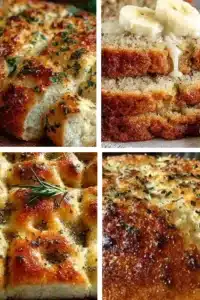
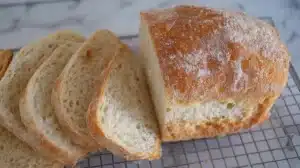
If you’ve been nurturing a jar of bubbly goodness on your counter, this guide to recipes using potato flake sourdough starter will show you how to turn that gentle, sweet-leaning culture into pillowy loaves, dinner rolls, cinnamon rolls, sandwich bread, pizza crust, and more. Unlike a classic tangy flour-and-water sourdough, a potato flake starter is lightly sweet, extra-forgiving, and perfect for bakers who want soft, cloudlike crumb with reliable oven spring. In the pages below, you’ll find a complete ingredients list, detailed step-by-step instructions, flavor variations, pro tips, storage guidance, nutrition info, and a deep-dive FAQ—everything you need to bake with confidence.
Why You’ll Love This Recipes Using Potato Flake Sourdough Starter
- Beginner-friendly, forgiving fermentation: Potato flakes and a touch of sugar make this style of starter stable and predictable, with a mild aroma and dependable rise.
- Soft, tender crumb every time: Great for sandwich bread, rolls, and enriched doughs that stay fresh for days.
- Flexible timing: Long, hands-off rises (often overnight) fit real life. The dough is resilient to small timing shifts.
- One starter, many bakes: From everyday loaves to celebration buns, you can create both savory and sweet recipes from the same base.
- Family-approved flavor: The subtle sweetness and delicate tang win over picky eaters and sourdough skeptics alike.
- Scale it up or pare it down: The formulas below work for two sandwich loaves, a pan of rolls, or a single celebratory swirl bread.
Ingredients for Recipes Using Potato Flake Sourdough Starter
Below are flexible master lists. You can bake one “base” dough and shape it multiple ways, or jump straight to a variation. Amounts yield two loaves (9×5-inch pans) or 24 rolls; halve for a single loaf.
For the Starter (Feed Before Baking)
- 1 cup active potato flake sourdough starter, fed 12–24 hours earlier and bubbly
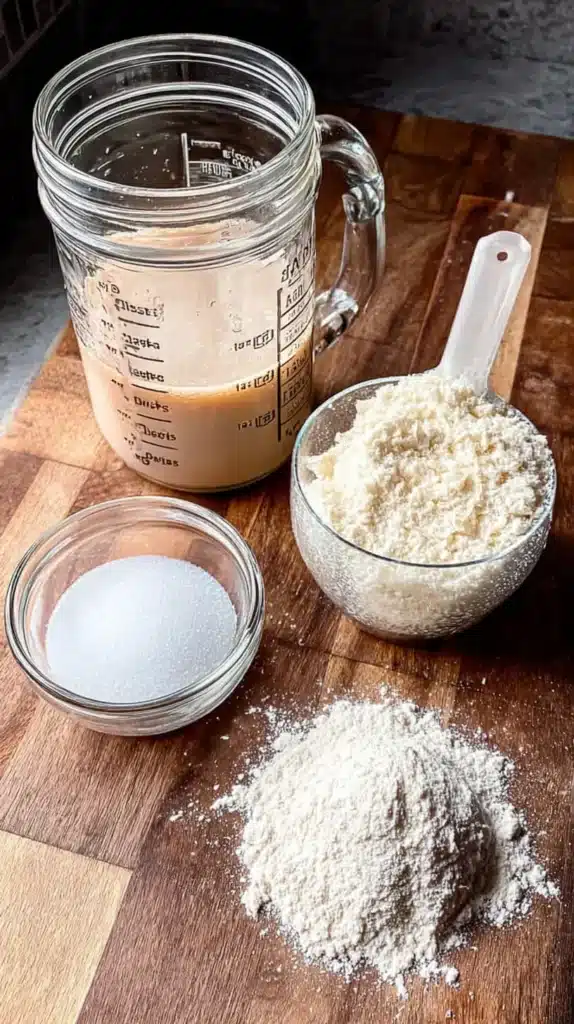
- To feed weekly (reference only): warm water, sugar, and instant potato flakes
Tip: Always bake with fed, bubbly starter. If your jar has been resting in the fridge, feed it, let it stand at room temperature until lively, then use.
Base Soft Bread Dough (for Loaves or Rolls)
- 1 cup fed starter (stir well, then measure)
- 1½ cups warm water (about 100°F / 38°C)
- ⅓ cup sugar (reduce slightly for less sweetness)
- ½ tablespoon fine salt
- ½ cup neutral oil (or light olive oil; part can be melted butter)
- 6 to 7 cups all-purpose flour (start with 6; add only as needed to reach a soft, slightly tacky dough)
- Soft butter for brushing tops after baking (optional)
Cinnamon Roll Add-On
- Filling: ½ cup very soft butter, 1 cup brown sugar, 1½ tablespoons ground cinnamon
- Icing (optional): 2 cups powdered sugar, 3–4 tablespoons milk, 1 teaspoon vanilla
Savory Dinner Roll Add-Ons (Choose One or Mix & Match)
- 1–2 tablespoons sesame or poppy seeds
- 2 tablespoons chopped fresh herbs (rosemary, chives, or parsley)
- 2 cloves garlic, minced, mixed into a little melted butter for brushing
- ½ cup shredded cheese (mild cheddar, mozzarella, or parmesan) folded into the last minute of kneading
Pizza or Flatbread Variation
- Reduce sugar in base dough to 1 tablespoon
- Add 1 tablespoon olive oil (instead of ½ cup neutral oil) for a chewier crust
Ingredient Notes (Substitutions, Healthy Swaps)
- Flour: Standard all-purpose flour yields the softest crumb. For more fiber, replace up to 25% with whole wheat flour; add 1–2 teaspoons extra water per cup of whole wheat to maintain softness.
- Sweetness level: The base dough has a touch of sweetness that enhances browning and tenderness. For sandwich bread that’s less sweet, reduce sugar to 2–3 tablespoons and keep the rest of the formula the same.
- Fats: Neutral oil keeps the crumb soft and moist. Melting in ¼ cup butter (replacing part of the oil) adds richer flavor. Use all oil for longer shelf life.
- Dairy-free: The dough contains no milk by default. For a richer, ultra-soft crumb, you can substitute ½–1 cup milk for part of the water.
- Salt: Use fine sea salt or table salt; if switching to kosher salt, increase slightly by volume because crystals are larger.
- Spice & aroma: Ground cinnamon, cardamom, lemon zest, orange zest, or vanilla can be added to the base dough for sweet bakes. For savory loaves, try garlic powder, onion powder, or dried herbs.
- Starter readiness: If your starter looks sluggish, give it two feeds 12 hours apart before baking. Use it when it’s expanded, airy, and smells pleasantly yeasty.
Step-by-Step Instructions
The path below teaches you to mix a base soft dough once and shape it into loaves, dinner rolls, or cinnamon rolls. If you’re aiming for pizza or flatbread, see the dedicated variation after Step 7.
Step 1 – Wake and Feed the Starter
- Remove your potato flake starter from the fridge (if stored cold).
- Feed it according to your usual ratio with warm water, a little sugar, and instant potato flakes.
- Leave it at room temperature until bubbly and aromatic—typically 12–24 hours.
- When the starter is visibly active, measure 1 cup for the dough. Return the rest to its jar and refrigerate.
Step 2 – Mix the Base Dough
- In a large bowl, whisk together 1½ cups warm water, ⅓ cup sugar, ½ tablespoon salt, and ½ cup oil.
- Stir in 1 cup fed starter until well combined.
- Add 4 cups flour and mix with a spatula or dough whisk until a shaggy mass forms.
- Add remaining flour ½ cup at a time, mixing until the dough gathers and is soft, slightly tacky, and clears the sides of the bowl.
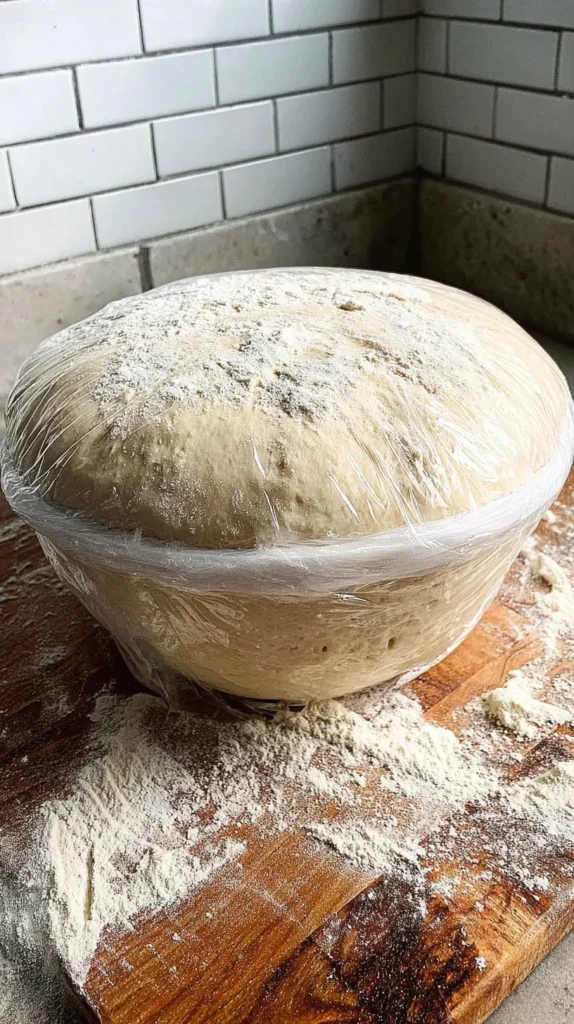
Step 3 – Knead to Smooth
- By hand: Turn the dough onto a lightly floured surface and knead 6–8 minutes until smooth and elastic, adding just enough flour to prevent sticking.
- By mixer: Knead on medium-low with a dough hook 6–8 minutes. Stop when the dough feels springy and supple.
The dough should feel soft like a marshmallow, not dry. Over-flouring leads to dense loaves.
Step 4 – First Rise (Long Ferment)
- Oil a large bowl. Place dough inside, turning to coat.
- Cover loosely and let rise 8–12 hours at cool room temperature (overnight is perfect).
- The dough should double and feel airy when gently pressed.
Step 5 – Degas and Divide
- Turn risen dough onto a clean surface.
- Press gently to release excess gas—do not mash.
- Divide according to your goal:
- Two sandwich loaves: split in half.
- Dinner rolls: portion into 24 equal pieces.
- Cinnamon rolls: roll into a rectangle for filling and rolling up.
Step 6A – Shape Sandwich Loaves
- Pat each half into a rough rectangle.
- Roll up tightly from the short end, pinching the seam.
- Place seam-side down in greased 9×5-inch loaf pans.
- Brush tops lightly with oil.
Step 6B – Shape Dinner Rolls
- Divide the dough into 24 pieces (about 60–65 g each).
- Cup your hand over each piece and circle on the counter to create a tight boule.
- Arrange in a greased 13×9-inch pan (4×6 grid), or spaced on two greased baking sheets for domed rolls.
- Brush with a touch of oil; sprinkle seeds or herbs if desired.
Step 6C – Shape Cinnamon Rolls
- Roll the entire dough (or half for a smaller pan) into a 12×18-inch rectangle.
- Spread with ½ cup very soft butter.
- Sprinkle 1 cup brown sugar mixed with 1½ tablespoons cinnamon evenly over the surface.
- Roll up tightly from the long edge.
- Slice into 12 generous spirals (or 18 smaller).
- Set into a buttered 13×9-inch pan with a little space between spirals.
Step 7 – Proof (Second Rise)
- Cover loosely and let shaped dough rise 3–5 hours at room temperature, until visibly puffy and almost doubled.
- A gentle finger poke should spring back slowly, leaving a faint impression.
Step 8 – Bake
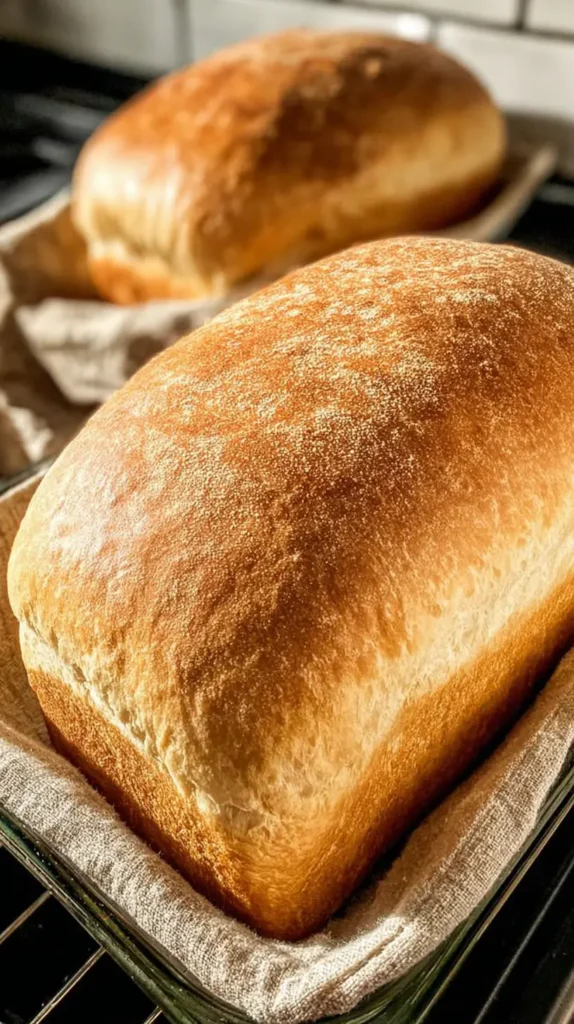
- Loaves: Bake at 350°F (175°C) for 30–40 minutes, until tops are deep golden and internal temperature reads 190°F (88–90°C).
- Dinner rolls: Bake at 350°F for 18–24 minutes, until lightly golden with set centers.
- Cinnamon rolls: Bake at 350°F for 22–28 minutes, until edges are golden and centers are just cooked through.
Brush hot loaves or rolls with soft butter for a glossy finish (optional). Let cool at least 45 minutes before slicing loaves for cleaner cuts. For cinnamon rolls, whisk 2 cups powdered sugar, 3–4 tablespoons milk, and 1 teaspoon vanilla, then drizzle over warm rolls.
Pro Tips for Success
- Use starter at its peak: Plan your feed so the starter is bubbly and domed when you mix the dough.
- Soft dough = soft bread: Add flour gradually and stop as soon as the dough is cohesive and slightly tacky.
- Long, cool rise builds flavor: Overnight fermentation develops complexity without excessive sourness.
- Temperature controls timing: Warmer kitchens shorten proof times; cooler rooms extend them. Trust the dough’s look and feel over the clock.
- Pan size matters: For tall slices, use 9×5-inch pans and fill only halfway before proofing; too much dough leads to mushroom tops and cramped crumb.
- Check internal temp: A 190°F center ensures doneness without drying.
- Slice when cool: Steam trapped inside hot loaves can gum up the crumb. Cooling sets the structure for clean slices.
- Flavor layer: For rolls, brush with herb butter after baking; for loaves, rub a cut garlic clove lightly over the crust for subtle aroma.
Flavor Variations
Try these easy twists on the base dough:
- Honey-Oat Sandwich Bread: Replace 2 tablespoons sugar with 2 tablespoons honey; knead in ½ cup quick oats after the first 4 cups of flour. Brush the top with milk and press on extra oats before baking.
- Garlic-Herb Dinner Rolls: Mix 1 teaspoon garlic powder, ½ teaspoon onion powder, and 2 tablespoons chopped parsley into the last minute of kneading. Finish with an herbed butter brush after baking.
- Cheddar Swirl Loaf: Sprinkle 1 cup shredded cheddar over the rectangle before shaping into a loaf; roll up and seam-pinched like a cinnamon swirl—savory style.
- Orange-Cardamom Sweet Bread: Add 1 teaspoon vanilla, 1 teaspoon cardamom, and 1 tablespoon orange zest to the dough. Glaze the baked loaf with a light orange icing.
- Everything-Style Rolls: Brush proofed rolls with egg wash and top with everything bagel seasoning; bake as directed for deli-worthy dinner rolls.
- Seeded Sandwich Bread: Mix in 2 tablespoons each of sunflower, pumpkin, and flax seeds for nutty texture and extra bite.
Serving Suggestions
- Everyday sandwiches: Soft slices cradle delicate fillings—turkey, cheese, tomato, or roasted veggies.
- Breakfast toast: Spread with nut butter, jam, or honey; the tender crumb toasts beautifully.
- Soup & salad partner: Dinner rolls are perfect alongside tomato soup, creamy chowders, or leafy salads.
- Brunch tray: Cinnamon rolls, fresh fruit, and a simple frittata make a complete weekend spread.
- Party sliders: Bake rolls in a 13×9 pan; split the slab horizontally, fill, and cut into tidy sliders for game day.
Storage and Freezing Instructions
- Room temperature: Keep loaves or rolls, well wrapped, at room temp for 2–3 days. Avoid the fridge (it stales bread faster).
- Freezing baked bread: Cool completely. Wrap tightly in plastic, then in foil, or place in a freezer bag. Freeze up to 3 months. Thaw at room temperature in the wrapper; refresh in a warm oven for 5–10 minutes.
- Freezing unbaked rolls: Shape rolls after the first rise. Freeze on a lined tray until firm, then pack into freezer bags for up to 2 months. Thaw overnight in the fridge or at cool room temperature, then proof until puffy before baking.
- Slicing for the week: For sandwiches, slice the loaf when fully cool and freeze slices with parchment between layers so you can pull exactly what you need.
Nutrition Facts (Per Serving)
Approximate values; will vary with add-ins and portion size.
| Item | Calories | Protein | Carbs | Fat | Fiber | Sodium |
|---|---|---|---|---|---|---|
| Sandwich Bread Slice (1 of 24) | 176 | 5 g | 30 g | 4 g | 1 g | 200 mg |
| Dinner Roll (1 of 24) | 165 | 5 g | 28 g | 3.5 g | 1 g | 190 mg |
| Cinnamon Roll (1 of 12, iced) | 320 | 5 g | 55 g | 9 g | 1 g | 230 mg |
For lighter cinnamon rolls, reduce icing or make a simple vanilla drizzle with milk and powdered sugar.
FAQ About Recipes Using Potato Flake Sourdough Starter
What is a potato flake sourdough starter, and how is it different?
It’s a yeasted, fed starter built with instant potato flakes and a bit of sugar. The culture develops friendly microbes and yeasts that help dough rise, but the overall flavor is milder and slightly sweet, not sharply sour. The result is bread with a soft, tender crumb—perfect for sandwich loaves and rolls.
How do I know my starter is ready to bake with?
Look for bubbles, volume increase, and a pleasantly yeasty aroma. If a spoonful floats in room-temperature water (the “float test”), that’s a good sign, though not mandatory. If unsure, give your starter two feeds 12 hours apart and bake with it at peak activity.
Why is my dough sticky, and should I add more flour?
A little stickiness is normal and actually helps create a tender crumb. Add flour only until the dough is soft and just clears the bowl. Over-flouring makes dense bread. Oil your hands lightly during kneading to manage stickiness without extra flour.
My loaves didn’t rise much. What went wrong?
Common culprits include under-active starter, cool kitchen temperatures, too much flour, or cutting the proof short. Ensure your starter is lively, the dough is soft (not stiff), and you proof until the dough looks puffy and nearly doubled—even if it takes longer than expected.
Can I bake this dough the same day?
You can shorten the first rise to 3–4 hours in a warm spot, but flavor will be simpler and the crumb slightly tighter. The overnight rise is more flavorful and forgiving. If you’re in a rush, consider making dinner rolls, which proof faster after shaping.
How do I adapt the base dough for pizza or flatbread?
Reduce sugar to 1 tablespoon, switch to 1 tablespoon olive oil, and knead as usual. After the first rise, divide into 2–3 pieces, rest 20 minutes, then stretch. Top and bake on a preheated stone or steel at 475–500°F (245–260°C) for 10–14 minutes, until edges are blistered and browned.
Final Thoughts
Baking with a potato flake sourdough starter feels like having a friendly coach in your kitchen—supportive, patient, and reliable. The dough is cooperative, the crumb is luxuriously soft, and the results stay fresh longer than many lean breads. With these recipes using potato flake sourdough starter, you can bake everything from weeknight sandwich bread to brunch-worthy cinnamon rolls, herb-studded dinner rolls to Friday pizza. Start with the base dough, learn its look and feel, and then shape it any way your table needs. Once you’ve tasted the tender slices and pull-apart rolls, you’ll understand why this style of starter has such a loyal following among home bakers.
Potato Flake Sourdough Starter – Soft Bread Dough and Variations

If you’ve been nurturing a jar of bubbly goodness on your counter, this guide to recipes using potato flake sourdough starter will show you how to turn that gentle, sweet‑leaning culture into pillowy loaves, dinner rolls, cinnamon rolls, sandwich bread, pizza crust, and more. Unlike a classic tangy flour‑and‑water sourdough, a potato flake starter is lightly sweet, extra‑forgiving, and perfect for bakers who want soft, cloudlike crumb with reliable oven spring.
Starter (fed potato flake sourdough starter)
- 1 cup active potato flake sourdough starter (fed and bubbly, stir well before measuring)
Base Soft Bread Dough
- 1.5 cups warm water (about 100°F / 38°C)
- 0.33 cup sugar (reduce slightly for less sweetness)
- 0.5 tablespoon fine salt
- 0.5 cup neutral oil (or light olive oil; part can be melted butter)
- 6 to 7 cups all-purpose flour (start with 6; add only as needed)
- soft butter (for brushing tops after baking (optional))
Cinnamon Roll Add-On
- 0.5 cup very soft butter
- 1 cup brown sugar
- 1.5 tablespoons ground cinnamon
Icing (optional)
- 2 cups powdered sugar
- 3 to 4 tablespoons milk
- 1 teaspoon vanilla extract
Step 1: Feed the starter 12–24 hours before baking and use when bubbly and active.
Step 2: Mix warm water, sugar, salt, oil, starter, and flour until a soft, tacky dough forms.
Step 3: Knead by hand or mixer until smooth and elastic, 6–8 minutes.
Step 4: Let rise 8–12 hours at cool room temperature until doubled in size.
Step 5: Degas and divide for loaves, rolls, or cinnamon rolls.
Step 6: Shape as desired. Loaves: roll tightly and place in pans. Rolls: shape into 24 pieces. Cinnamon rolls: roll out, fill, and slice.
Step 7: Proof 3–5 hours until puffy and nearly doubled.
Step 8: Bake at 350°F/175°C. Loaves: 30–40 min, Rolls: 18–24 min, Cinnamon rolls: 22–28 min.
Use the starter when it’s bubbly and domed. Long fermentation enhances flavor. For variation ideas: add herbs, seeds, or swap sweeteners. Dough is freezer-friendly at shaping stage. Cool loaves before slicing for clean cuts.