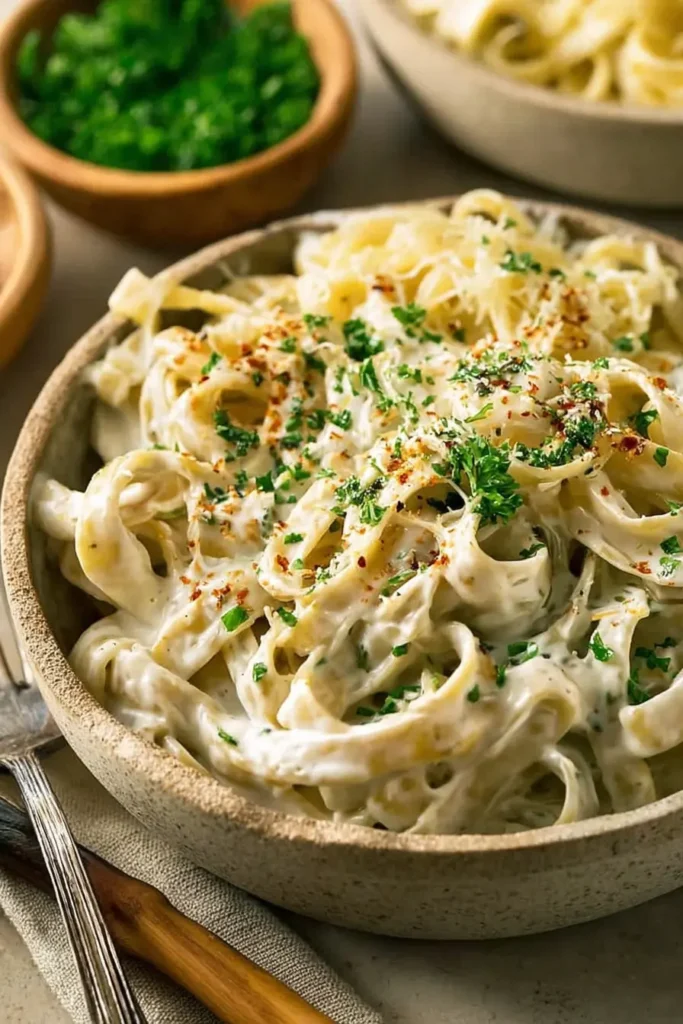
High Protein Alfredo Sauce is the fast, blender-easy way to get luscious, cheesy alfredo flavor with a protein boost—ready in about 10 minutes and perfect for busy weeknights.
Why You’ll Love This High Protein Alfredo Sauce
- Protein-packed comfort: Cottage cheese and parmesan deliver satisfying creaminess with notable protein.
- Blender-quick: Toss everything in the blender, then warm—no roux, no fuss.
- Silky and classic-tasting: Smooth, cheesy, gently garlicky sauce that coats noodles beautifully.
- Weeknight simple: Pantry staples, minimal dishes, ready by the time pasta finishes.
- Flexible: Works with regular pasta, protein pasta, veggies, or lean proteins.
- Budget-friendly: Everyday ingredients stretch into generous portions.
- Customizable: Tweak thickness, seasoning, and richness to your taste.
What Is High Protein Alfredo Sauce?
High Protein Alfredo Sauce captures the creamy, cheesy essence of traditional alfredo while leaning on cottage cheese for body and protein instead of a heavy butter-and-cream base. The ingredients get blended until satiny, then warmed just long enough for the thickener to activate and the cheese to melt into a glossy sauce. The flavor stays familiar—mellow garlic, parmesan depth, and that comforting, spoon-coating texture—only lighter-feeling and more weeknight-friendly.
Unlike classic versions that start with a stovetop reduction, this method front-loads the work in the blender. It’s difficult to overcook or separate, and the sauce reheats gently without losing its velvety feel. If you want restaurant comfort with Tuesday-night energy, this is your blueprint.
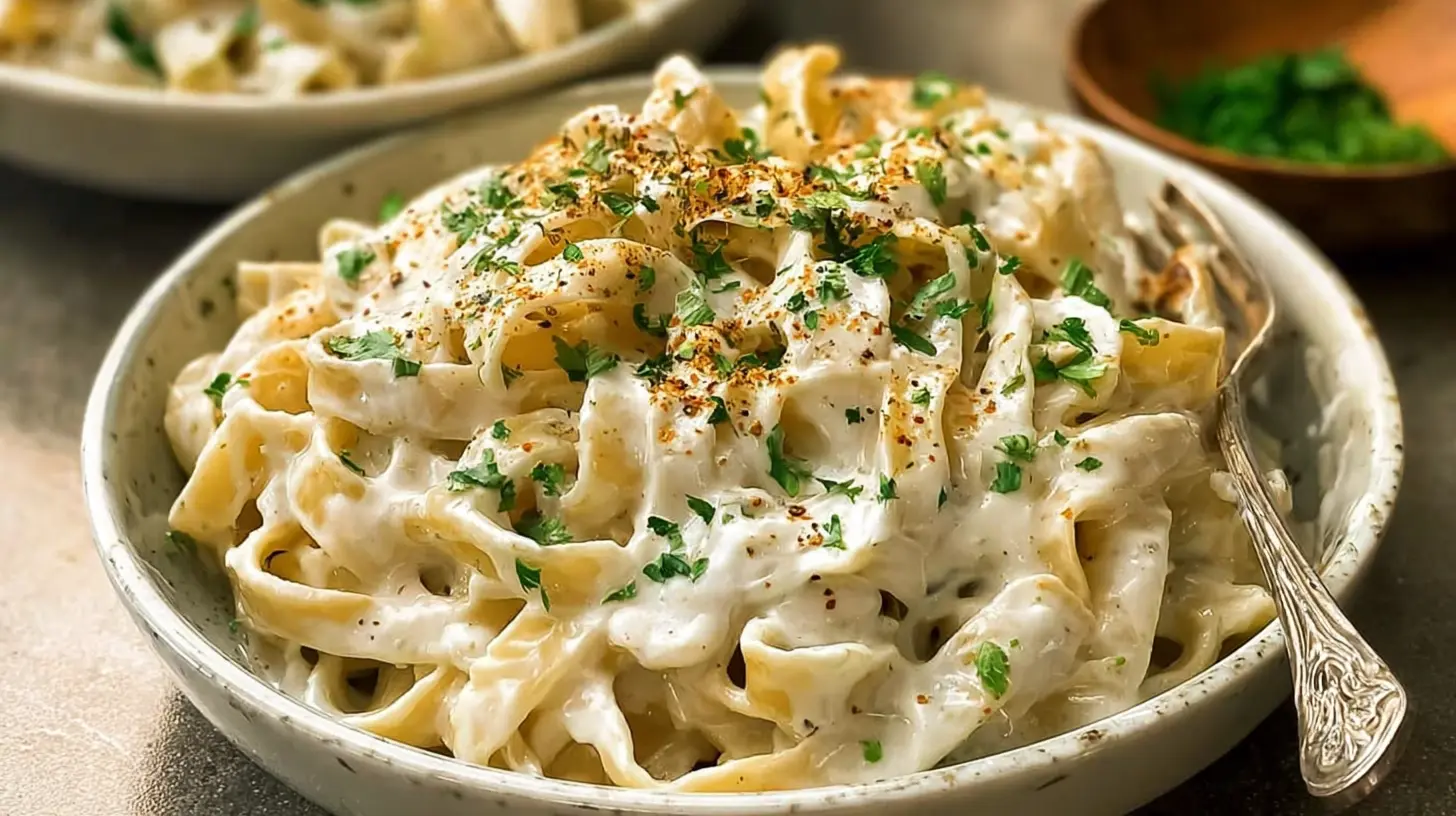
High Protein Alfredo Sauce
Ingredients
Sauce Base
- 1 cup cottage cheese 2% or whole milk
- 1 cup milk dairy or unsweetened plant milk
- 0.5 cup parmesan cheese freshly grated
- 2 garlic cloves minced
- 1 tsp arrowroot powder or cornstarch
- 0.5 tsp Italian seasoning optional
- 0.5 tsp fine salt plus more to taste
- 0.25 tsp black pepper to taste
Optional Serving Add-Ins
- 12 oz pasta of choice regular, protein, or gluten-free
- to taste chopped parsley for garnish
- to taste extra parmesan for finishing
Instructions
- Step 1 — Blend the Sauce: Add cottage cheese, milk, parmesan, garlic, arrowroot (or cornstarch), Italian seasoning, salt, and pepper to a blender. Blend 30–60 seconds until completely smooth and silky.
- Step 2 — Warm Gently: Pour the blended sauce into a wide skillet over medium‑low heat. Stir continuously for 2–4 minutes until the sauce loosens slightly then thickens and turns glossy. Avoid boiling.
- Step 3 — Adjust Texture: If too thick, whisk in splashes of milk or reserved pasta water until it coats a spoon and drapes ribbons back into the pan. If too thin, simmer 30–60 seconds longer.
- Step 4 — Combine and Serve: Add cooked pasta or vegetables/protein to the skillet and toss until evenly coated. Finish with extra parmesan and chopped parsley; serve immediately.
Notes
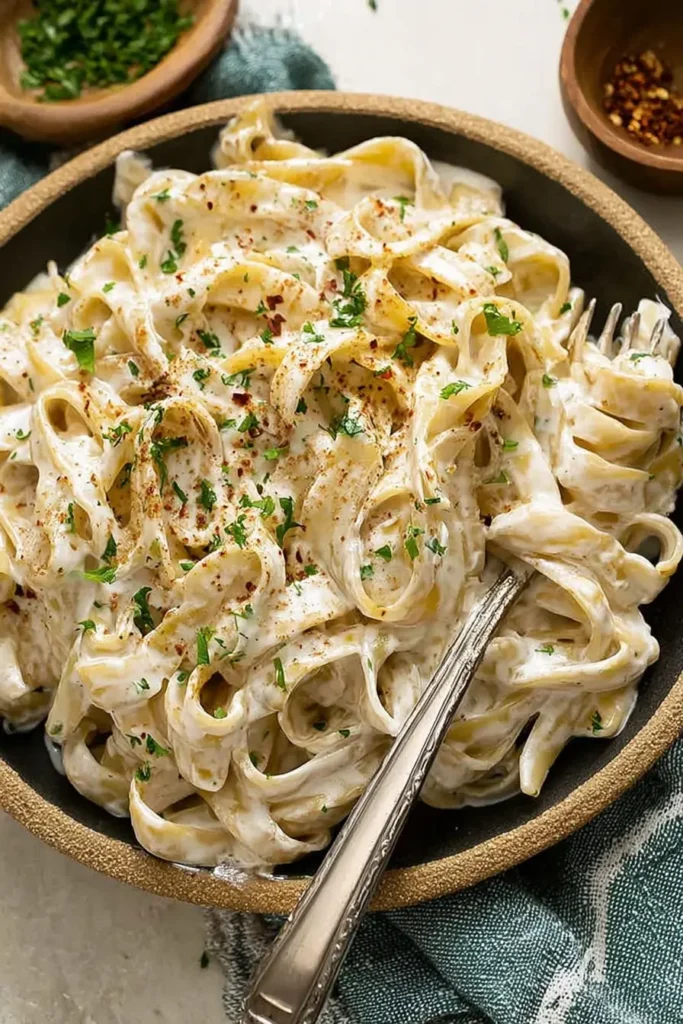
Ingredients for High Protein Alfredo Sauce
- 1 cup cottage cheese (2% or whole milk; small- or large-curd)
- 1 cup milk (dairy or unsweetened plant milk)
- ½ cup freshly grated parmesan or similar hard cheese
- 2 cloves garlic, minced (or ½–1 tsp garlic powder)
- 1 tsp arrowroot powder (or 1 tsp cornstarch)
- ½ tsp Italian seasoning (optional)
- ½ tsp fine salt, ¼ tsp black pepper, to taste
Optional for Serving
- 12 oz (340 g) pasta of choice (regular, protein pasta, or gluten-free)
- Chopped parsley, extra parmesan, lemon wedge
- Cooked chicken, shrimp substitute, or tofu cubes for added protein
- Steamed broccoli, peas, spinach, or roasted vegetables
Ingredient Notes
- Cottage cheese: 2% strikes a great balance of richness and calories. Whole milk cottage cheese produces the most luscious texture; nonfat works but tastes leaner.
- Milk: Any milk blends in—dairy makes a classic flavor, while unsweetened plant options keep it lighter.
- Parmesan: Freshly grated melts best and seasons the sauce deeply; pre-grated can be clumpier.
- Arrowroot vs. cornstarch: Both thicken quickly. Arrowroot yields a slightly clearer, glossy finish; cornstarch is more common and still excellent.
- Garlic: Fresh garlic tastes mellow once simmered. If using powder, start small and add more to taste.
- Italian seasoning: Optional, but a pinch adds cozy herbal notes without overpowering.
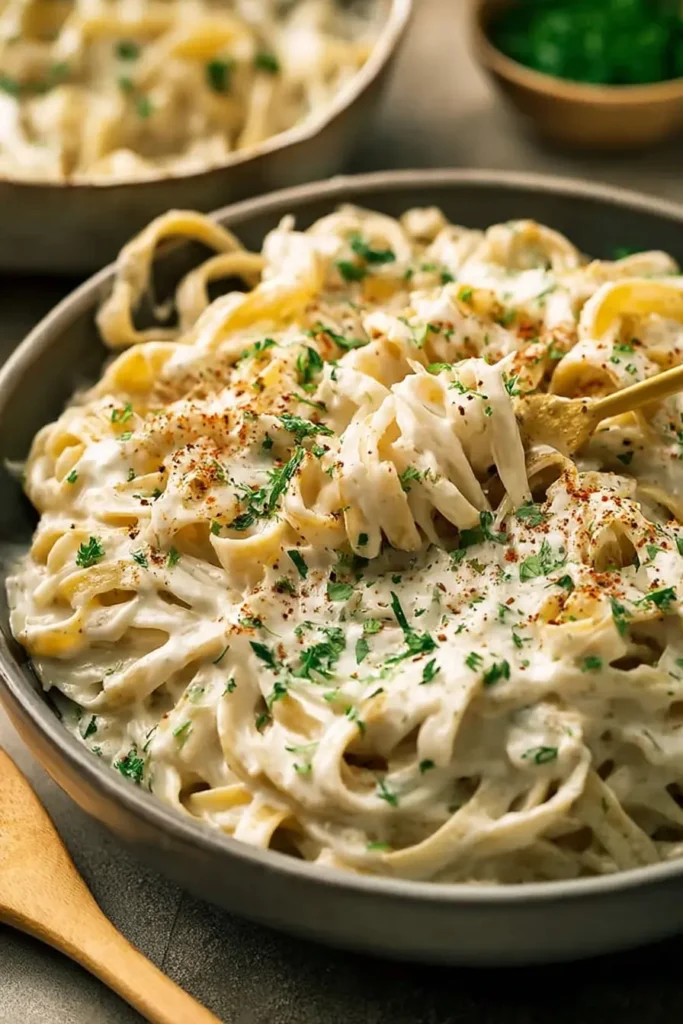
Step-by-Step Instructions
Step 1 – Cook or Prep Your Base
If serving with pasta, bring a large pot of salted water to a boil and cook until al dente. Reserve ½–1 cup of hot pasta water before draining. If serving with vegetables or a protein, prep those now (steam, roast, or sauté).
Step 2 – Blend the Sauce
Add cottage cheese, milk, parmesan, garlic, arrowroot (or cornstarch), Italian seasoning, salt, and pepper to a blender. Blend 30–60 seconds until absolutely smooth and silky. Taste and adjust seasoning.
Smoothness cue: If you still see tiny curds, blend another 15–30 seconds. The mix should look like thick cream.
Step 3 – Warm Gently
Pour the cold sauce into a wide skillet over medium-low heat. Stir continuously for 2–4 minutes until the sauce loosens slightly, then thickens and turns glossy as the starch activates and the cheese fully melts. Avoid vigorous boiling.
Step 4 – Adjust Texture
If the sauce seems too thick, whisk in splashes of milk or hot pasta water until it coats a spoon and drapes ribbons back into the pan. If too thin, simmer 30–60 seconds longer, stirring.
Step 5 – Combine and Serve
Add cooked pasta (or vegetables/protein) to the skillet and toss until evenly coated. Finish with a sprinkle of parmesan, chopped parsley, and a tiny squeeze of lemon to brighten if you like. Serve immediately.
Pro Tips for Success
- Blend until ultra-smooth: A long blend is your friend. Give the blender time to eliminate curds for a restaurant-smooth finish.
- Heat low and slow: Gentle heat keeps the sauce silky and prevents graininess.
- Salt thoughtfully: Parmesan adds salt. Season lightly first, then adjust after the cheese melts.
- Use pasta water: Starchy water helps the sauce cling to noodles and prevents clumping.
- Make it ahead-friendly: Blend the sauce up to 24 hours in advance. Warm gently and thin with a splash of milk or water as needed.
- Finish with acid: A few drops of lemon perks up the flavors without making the sauce tangy.
Flavor Variations
- Garlic-Lover’s Alfredo: Bloom an extra minced clove in the skillet for 30 seconds before adding the blended sauce.
- Lemon–Herb: Add 1 tsp lemon zest to the blender and finish with more parsley or basil.
- Mushroom Alfredo: Sauté 1 cup sliced mushrooms in the skillet with a pinch of salt; remove, warm the sauce, then fold mushrooms back in.
- Spinach Alfredo: Stir in 2 cups fresh spinach until wilted just before serving.
- Roasted Veggie Alfredo: Toss with roasted broccoli, zucchini, or cauliflower for texture and extra nutrients.
- Peppery Alfredo: Add ½–1 tsp coarsely ground black pepper for a cacio e pepe-inspired twist.
- Smoky Paprika Hint: A small pinch in the sauce brings cozy depth.
Serving Suggestions
- Classic pasta night: Toss with fettuccine or linguine; top with parsley and extra parmesan.
- Protein pasta boost: Use chickpea or lentil pasta to increase protein per serving.
- Veg-forward bowl: Spoon sauce over steamed broccoli and peas or spiralized zucchini.
- Grain alternative: Serve on farro or brown rice with roasted vegetables.
- Cozy casserole: Combine sauce, pasta, and vegetables; top lightly with parmesan and bake at 375°F (190°C) for 10–12 minutes to set.
Storage and Freezing Instructions
- Refrigerate: Store sauce (or sauced pasta) in an airtight container up to 3 days.
- Reheat gently: Warm over low heat with splashes of milk or water, stirring until silky again. Avoid boiling.
- Freeze (sauce only): Freeze the blended sauce up to 1 month. Thaw overnight in the fridge and warm gently, whisking in a bit of milk to restore smoothness.
Nutrition Facts (Per Serving)
Approximate values for 1 of 4 servings of the sauce only.
| Calories | Protein | Carbs | Fat | Fiber | Sodium |
|---|---|---|---|---|---|
| ~210 | ~20 g | ~8 g | ~10 g | ~0 g | ~540 mg |
Numbers vary based on milk type, cheese brand, and exact salt.
FAQ About High Protein Alfredo Sauce
Does it really taste like classic alfredo?
Yes. Parmesan provides that signature savory depth while gentle garlic rounds out the flavor, so it reads creamy, rich, and familiar. Blending cottage cheese until perfectly smooth erases any curd texture; once warmed, it melts into a satiny sauce that coats pasta like traditional alfredo. Most tasters can’t identify the cottage cheese—only that the sauce is pleasantly cheesy and comforting.
Why is my sauce grainy?
Graininess usually comes from under-blending or overheating. Blend long enough that the mixture looks completely silky—no visible curds or flecks. Then warm over low heat, stirring, and avoid a rapid simmer. If it tightens too quickly, whisk in small splashes of milk or reserved pasta water to smooth it out. Finally, add cheese gradually and off high heat so it melts cleanly.
Can I use nonfat cottage cheese?
You can, but expect a leaner mouthfeel. To restore richness, add 1–2 teaspoons olive oil or increase parmesan slightly. Nonfat versions can be a touch tangier; balance with a pinch of extra salt and a few drops of lemon only at the end, tasting as you go. Blend a little longer to ensure ultra-smooth texture.
What’s the best milk to use?
Whole milk delivers the most classic body and shine. For lighter options, use 2% or 1% and simmer a minute longer to thicken. Unsweetened, unflavored plant milks also work—oat and almond tend to blend smoothly—just confirm they’re neutral so the sauce stays savory. If your sauce tastes flat with very low-fat milk, bump the parmesan a bit.
Can I make it gluten-free?
Yes. The recipe already uses arrowroot or cornstarch, both naturally gluten-free. Pair the sauce with gluten-free pasta, zucchini noodles, or steamed veggies for a fully gluten-free meal. As always, check labels on parmesan and seasonings to ensure there are no hidden gluten-containing additives.
Can I add chicken or tofu for extra protein?
Absolutely. Fold in bite-size cooked chicken or crisp tofu cubes right before serving so they stay tender. If the sauce thickens after adding protein, loosen with a ladle of hot pasta water or a splash of milk. For a full meal, toss in steamed broccoli or peas—the sauce clings beautifully to veggies and protein alike.
How do I keep leftovers creamy?
Reheat gently over low heat with a splash of milk or water, stirring until velvety—avoid boiling, which can tighten the starch and dull the cheese. If it thickens too much, add liquid a tablespoon at a time; if it thins, simmer briefly to bring it back to a spoon-coating consistency. Store sauce and pasta separately when possible for the best next-day texture.
TastyInspo Notes
- Season pasta water: Properly salted water seasons noodles from the inside out—your sauce will taste more vibrant.
- Reserve water before draining: A ladle of starchy water is liquid gold for adjusting texture on the fly.
- Finish in the pan: Toss pasta and sauce together for 1–2 minutes so the sauce clings like a hug.
- Parmesan quality counts: Real, freshly grated parmesan melts cleaner and tastes more complex.
- Don’t chase a rolling boil: Gentle steam is enough to activate the thickener and melt cheese without graininess.
- Balance richness with greens: A handful of peas, spinach, or broccoli keeps the plate colorful and light.
- Portion control trick: Build bowls with a high ratio of vegetables to pasta; you’ll feel satisfied with less.
Final Thoughts
High Protein Alfredo Sauce proves that comfort food can be both satisfying and smart. With a blender, a skillet, and everyday ingredients, you’ll get that cherished alfredo creaminess with a welcome protein lift—and you’ll do it in minutes. The method is forgiving, the flavor is familiar, and the adaptability is endless. Keep this recipe in your weeknight rotation for cozy bowls of pasta, veggie-forward plates, or protein-packed meal prep that stays silky when reheated. Once you try it, you may never go back to heavy, labor-intensive versions again.