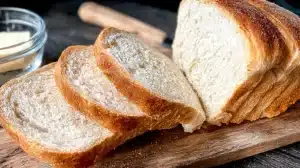
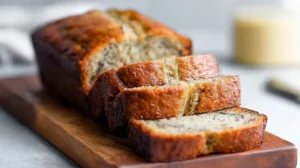
If you’re curious about a softer, more forgiving way to bake homemade bread, this complete guide to potato flake sourdough starter walks you through everything—how to build it from scratch, keep it lively week after week, and use it to bake tender sandwich loaves, pull-apart dinner rolls, and even cinnamon rolls. Unlike classic flour-and-water sourdough, this style starts with a little commercial yeast plus instant potato flakes and sugar. The result is a mild, lightly sweet starter that’s dependable for beginners and incredibly versatile for everyday baking.
Why You’ll Love This Potato Flake Sourdough Starter
- Beginner-friendly & reliable: This starter is stable, easy to maintain, and rises dough predictably—perfect if you’re new to fermentation.
- Soft, pillowy bakes: Expect a tender crumb with gentle, balanced flavor that families love.
- Flexible timing: Long, hands-off rises (often overnight) fit around busy schedules.
- One starter, many uses: Sandwich bread, dinner rolls, cinnamon rolls, and more—from the same base.
- Simple ingredients: Warm water, sugar, yeast, and instant potato flakes are easy to find and budget-friendly.
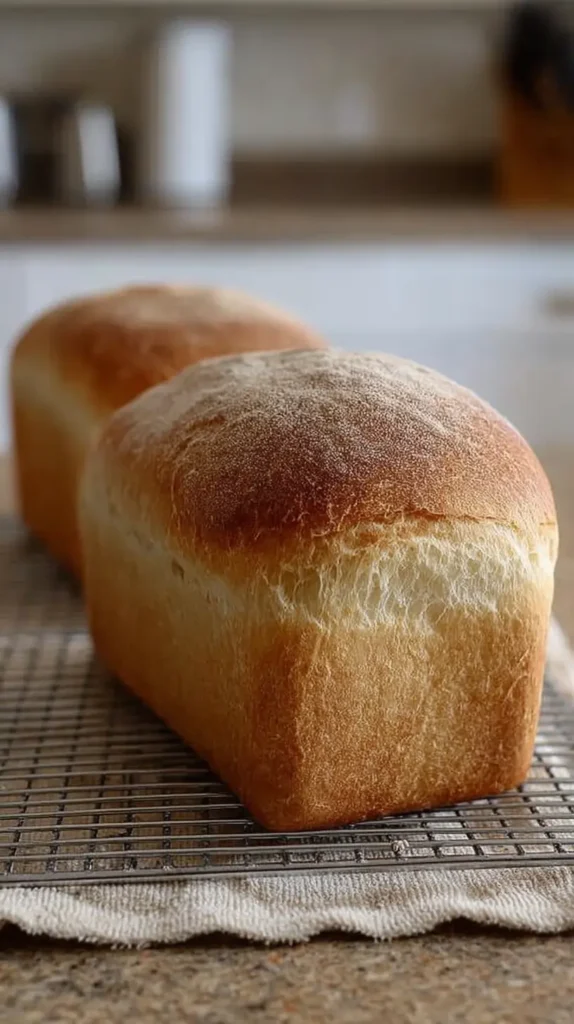
Ingredients for Potato Flake Sourdough Starter
Below is a practical, time-tested ratio for building and maintaining your starter. You’ll start it once, then keep it healthy with a simple weekly feed.
Day 1 Starter Mix
- Warm water (about 100–110°F / 38–43°C) — 1 cup
- Granulated sugar — ¼ cup
- Instant potato flakes — 3 tablespoons
- Instant yeast — 1 packet (2¼ teaspoons)
Ongoing Weekly Feed (Maintenance)
- Warm water — 1 cup
- Granulated sugar — ¼ cup
- Instant potato flakes — 3 tablespoons
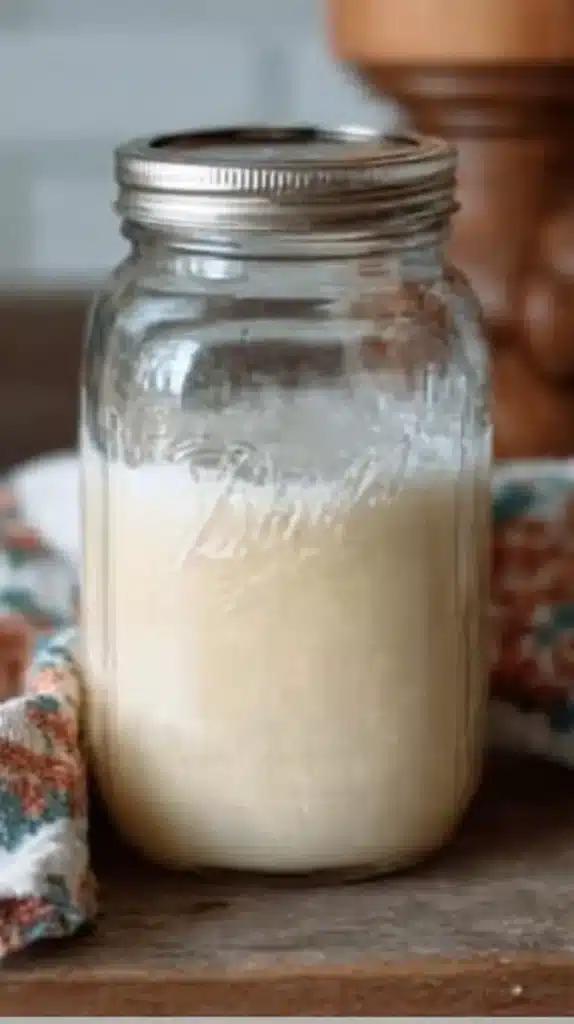
Use a large glass jar (at least 1.5–2 liters) so the starter has room to bubble and expand. Cover breathably with a cloth or a lid set on loosely—never airtight during active fermentation.
Ingredient Notes (Substitutions, Healthy Swaps)
- Potato flakes: Look for plain instant potato flakes with no flavorings. They supply starches that feed the culture and keep the starter fluid and easy to stir.
- Sugar: Essential fuel for this particular starter. For maintenance, keep the sugar amount the same; for bread dough later, you may reduce sugar slightly to taste.
- Yeast: The initial yeast packet jump-starts the culture so it becomes active quickly. You will not add yeast to the starter again—ongoing maintenance uses only water, sugar, and flakes.
- Water: Use warm, non-chlorinated water if possible. If your tap water is heavily chlorinated, let it sit out overnight or use filtered water.
- Gluten-free baking: The starter itself is not made from wheat flour, but it isn’t truly gluten-free once you bake with standard wheat flours. For gluten-free loaves, pair the starter with a tested gluten-free bread recipe.
Step-by-Step Instructions
H3: Step 1 – Mix the Starter (Day 1)
- In a clean glass jar, whisk 1 cup warm water, ¼ cup sugar, and 3 tablespoons potato flakes until dissolved.
- Sprinkle in 1 packet instant yeast and stir briefly.
- Cover loosely (cloth, paper towel, or a jar lid turned without sealing). Place the jar at room temperature away from direct sun.
What to expect: Within several hours to a day, you may see light bubbling and separation. The mixture will be thin, more like a pourable batter than a thick paste. That’s normal.
H3: Step 2 – Stir Daily (Days 1–4)
- Once a day, uncover and stir the starter well to reincorporate any settled potato flakes and distribute the yeast evenly.
- Re-cover loosely and keep at room temperature.
- No feeding yet—just once-a-day stirring for 4 full days.
Visual cues: The starter should smell gently sweet and yeasty. A little settling at the bottom is expected; stir it back in.
H3: Step 3 – Feed to Activate (Day 5)
- Add the weekly feed directly to the jar: 1 cup warm water + ¼ cup sugar + 3 tablespoons potato flakes. Stir thoroughly.
- Leave it at room temperature for 6–8 hours (up to 12 if cooler) until you see bubbling and the surface looks lively.
Time to bake: Once bubbly after this feed, you can measure out 1 cup of starter to use in your bread recipe. Refrigerate the remainder.
H3: Step 4 – Maintain the Starter (After Day 5)
- Storage: Keep the starter refrigerated in a jar with a lid.
- Weekly routine: About once a week (or every 3–5 days if baking often), take the starter out, feed with the same maintenance ratio, let it sit 6–8 hours at room temperature until bubbly, then use or return to the fridge.
- How much to keep: Maintain at least 1 to 1½ cups in the jar so you can remove 1 cup to bake and still have enough to feed and save.
Tip: If your baking schedule is irregular, set a reminder to feed weekly. Skipping feeds for too long can dull activity. Two refresh feeds, 12 hours apart, usually bring it back.
Using the Starter in Bread Dough
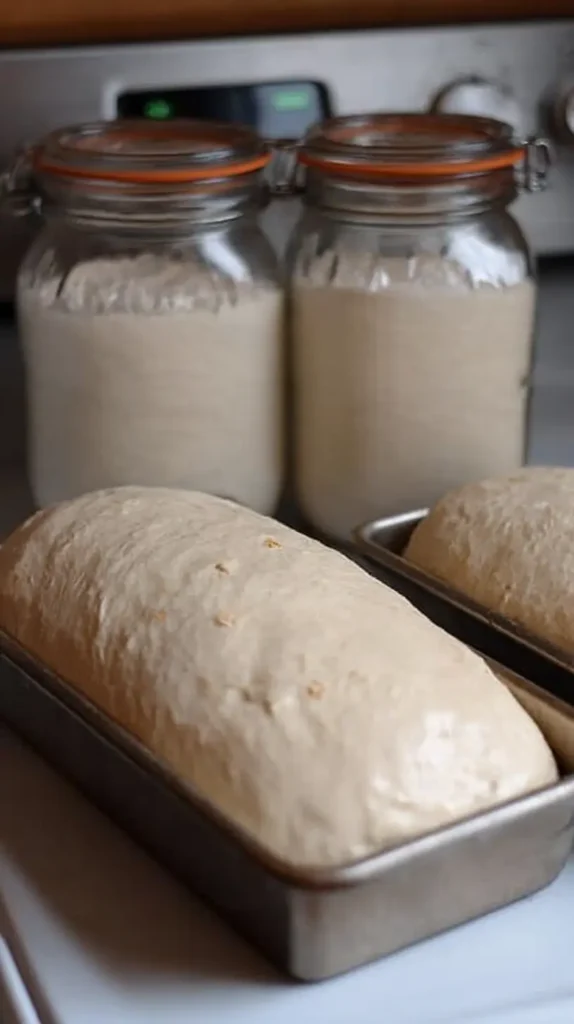
Here’s a flexible base formula that turns one cup of active starter into soft sandwich loaves, dinner rolls, or cinnamon rolls. The method leans on long, hands-off proofing for convenience and flavor.
H3: Soft Bread Base (Two 9×5 Loaves or 24 Rolls)
Dough Ingredients
- 1 cup active potato flake starter (recently fed and bubbly)
- 1½ cups warm water (about 100°F / 38°C)
- ⅓ cup sugar (reduce to 2–3 tablespoons for less sweetness)
- ½ tablespoon fine salt
- ½ cup neutral oil (or light olive oil; or replace part with melted unsalted butter)
- 6 to 7 cups all-purpose flour (start with 6; add only as needed to reach a soft, slightly tacky dough)
- Butter for brushing baked tops (optional)
Mix & First Rise
- In a large bowl, whisk water, sugar, salt, and oil. Stir in 1 cup starter.
- Add 4 cups flour and mix to a shaggy dough. Add the remaining flour ½ cup at a time until the dough gathers and is soft and slightly tacky.
- Knead 6–8 minutes (by hand or mixer) until smooth and elastic.
- Place in a lightly oiled bowl; cover. Rise at cool room temperature 8–12 hours (overnight) until doubled.
Shape & Second Rise
- For loaves: Divide dough in half, pat into rectangles, roll up tightly, seam-pinch, and place seam-side down in greased 9×5 pans.
- For dinner rolls: Divide into 24 pieces, shape into tight balls, and arrange in a greased 13×9 pan.
- For cinnamon rolls: Roll into a 12×18-inch rectangle; spread ½ cup soft butter, sprinkle 1 cup brown sugar mixed with 1½ tablespoons cinnamon, roll tightly, and slice 12–18 spirals into a buttered 13×9 pan.
- Cover and proof 3–5 hours until puffy and nearly doubled.
Bake
- Loaves: 350°F (175°C) for 30–40 minutes, to 190°F internal.
- Dinner rolls: 350°F for 18–24 minutes.
- Cinnamon rolls: 350°F for 22–28 minutes.
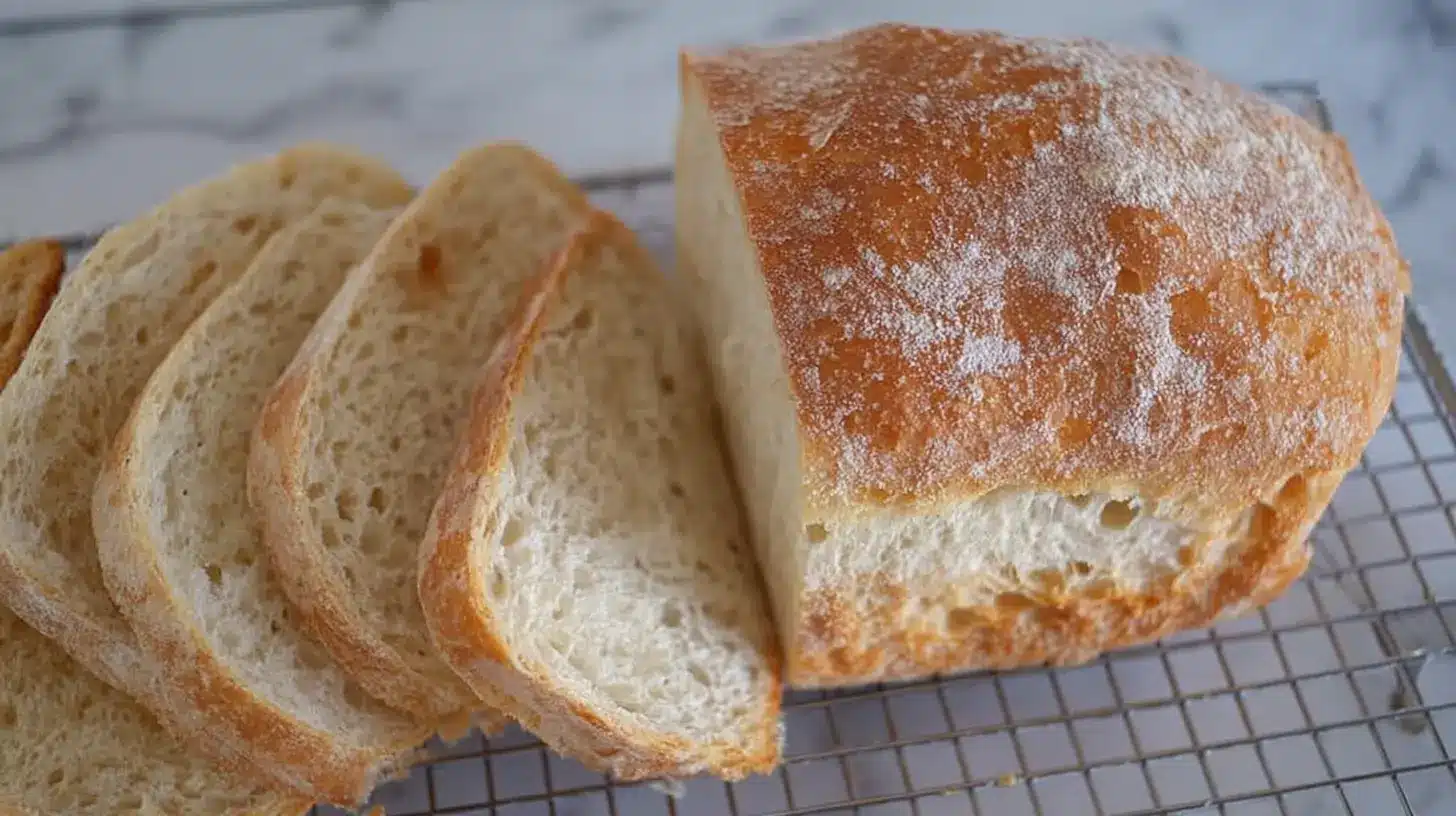
- Brush hot tops with butter if desired. Cool loaves 45 minutes before slicing.
Pro Tips for Success
- Feed to peak: Plan your feed so the starter is lively when you mix the dough. Recently fed and visibly bubbly = best rise.
- Soft dough = soft bread: Aim for a supple, slightly tacky dough. Resist adding excess flour—over-flouring tightens the crumb.
- Use time, not just the clock: Temperature shifts proofing. Trust visual cues: doubled volume, puffy surface, slow spring-back after a gentle poke.
- Oil beats flour for stickiness: Lightly oil your hands and the counter to manage tackiness during shaping without drying the dough.
- Check internal temp: A thermometer takes out guesswork—190°F (88–90°C) in the center indicates doneness for enriched loaves and rolls.
- Cool before slicing: Steam inside hot bread can gum up the crumb. Let loaves set before cutting for neat slices.
Flavor Variations
- Honey-Oat Sandwich Loaf: Replace 2 tablespoons sugar in the dough with 2 tablespoons honey; knead in ½ cup quick oats after the first 4 cups of flour. Brush the top with milk; press on extra oats.
- Garlic-Herb Rolls: Add 1 teaspoon garlic powder, ½ teaspoon onion powder, and 2 tablespoons chopped parsley in the last minute of kneading. Brush baked rolls with herb butter.
- Cheddar Swirl Loaf: Sprinkle 1 cup shredded cheddar over a dough rectangle; roll and seam-pinch like a cinnamon loaf (savory edition).
- Orange-Cardamom Breakfast Bread: Mix 1 teaspoon vanilla, 1 teaspoon cardamom, and 1 tablespoon orange zest into the dough. Glaze with a light orange icing while warm.
- Everything-Seasoned Rolls: Egg wash proofed rolls and sprinkle with everything bagel seasoning before baking.
- Seeded Sandwich Bread: Fold in 2 tablespoons each of sunflower, pumpkin, and flax seeds for a nutty, hearty slice.
Serving Suggestions
- Everyday sandwiches: The gentle flavor loves classic fillings—sliced turkey, cheddar, tomato, crisp lettuce.
- Breakfast toast: Slather with jam, nut butter, or honey; the crumb toasts beautifully.
- Soup night: Rolls pair perfectly with tomato soup, chowders, or chili.
- Brunch platters: Cinnamon rolls with fresh fruit and eggs make a complete spread.
- Party sliders: Bake rolls in a 13×9 pan; split horizontally, add fillings, and slice into tidy squares.
Storage and Freezing Instructions
- Room temperature: Keep baked loaves or rolls well-wrapped for 2–3 days. Avoid refrigerating (it accelerates staling).
- Freeze baked bread: Cool completely. Wrap in plastic, then foil (or a freezer bag). Freeze up to 3 months. Thaw in the wrapper at room temp; refresh briefly in a warm oven.
- Freeze unbaked rolls: Shape after the first rise and freeze on a tray. Once solid, store in a freezer bag up to 2 months. Thaw in the fridge overnight or at cool room temp, then proof until puffy before baking.
- Starter storage: Keep refrigerated. Feed weekly; after feeding, let it become active for 6–8 hours at room temperature before you bake or return it to the fridge.
Nutrition Facts (Per Serving)
Approximate values for typical bakes made with this starter. Actual values vary with add-ins and portion size.
| Item | Calories | Protein | Carbs | Fat | Fiber | Sodium |
|---|---|---|---|---|---|---|
| Sandwich Bread Slice (1 of 24) | 176 | 5 g | 30 g | 4 g | 1 g | 200 mg |
| Dinner Roll (1 of 24) | 165 | 5 g | 28 g | 3.5 g | 1 g | 190 mg |
| Cinnamon Roll (1 of 12, iced) | 320 | 5 g | 55 g | 9 g | 1 g | 230 mg |
Tip: For lighter cinnamon rolls, use a simple vanilla drizzle instead of full icing.
FAQ About Potato Flake Sourdough Starter
What makes potato flake sourdough different from classic sourdough?
Classic sourdough is built from flour and water with wild yeasts and bacteria only. Potato flake starters begin with a small boost of commercial yeast, plus potato flakes and sugar. The result is milder, lightly sweet, and extremely forgiving, making it ideal for soft loaves and rolls.
How do I know my starter is active enough to use?
Feed it and wait until it’s bubbly, expanded, and pleasantly yeasty—usually 6–8 hours at room temp after feeding. If it’s sluggish, give it two refresh feeds 12 hours apart.
My starter separated into layers. Is it ruined?
No. Separation in this thinner style is normal. Stir it to recombine. If it smells cleanly yeasty and not unpleasant, it’s fine. Resume your regular feed schedule.
Can I reduce the sugar?
In the bread dough, yes—drop to 2–3 tablespoons for a less-sweet loaf. In the starter feed, keep sugar at the stated amount. It’s part of what fuels this specific culture.
What if I miss a weekly feed?
Give the starter two refresh feeds (morning and evening) to restore vigor. If an unpleasant odor or mold develops, discard and rebuild with fresh ingredients.
Do I need to sterilize jars?
No strict sterilizing needed, but cleanliness matters. Wash jars with hot, soapy water, rinse well, and let them dry before use. A wide-mouth jar makes stirring easier.
Can I use this starter for pizza?
Yes. For a chewier crust, reduce dough sugar to 1 tablespoon and use 1 tablespoon olive oil. After the first rise, divide, rest 20 minutes, stretch, top, and bake hot (475–500°F / 245–260°C) until blistered and browned.
Final Thoughts
A potato flake sourdough starter is the friendliest way to bring homemade bread into your weekly routine. It’s quick to start, simple to maintain, and consistently rewarding, producing soft loaves and rolls that stay fresh longer than lean doughs. Once you’ve mixed your first batch and watched it puff to life, you’ll see why so many home bakers rely on this method for everyday bread, weekend cinnamon rolls, and everything in between. Feed it, trust the visual cues, and keep your dough on the softer side—your sandwiches, dinner plates, and brunch table will thank you.
Ultimate Potato Flake Sourdough Starter
Ingredients
Day 1 Starter Mix
- 1 cup warm water (≈100‑110 °F / 38‑43 °C)
- 0.25 cup granulated sugar
- 3 tablespoons instant potato flakes
- 1 packet instant yeast (2¼ tsp)
Weekly Maintenance Feed
- 1 cup warm water for weekly feed
- 0.25 cup granulated sugar for weekly feed
- 3 tablespoons instant potato flakes for weekly feed
Instructions
- Step 1 – Mix the Starter (Day 1): In a clean glass jar, whisk together 1 cup warm water, ¼ cup sugar, and 3 Tbsp instant potato flakes until dissolved. Sprinkle in 1 packet instant yeast and stir briefly. Cover loosely (cloth or lid not sealed) and leave at room temperature.
- Step 2 – Stir Daily (Days 1–4): For the next 4 days, uncover the jar once per day and stir to reincorporate any settled potato flakes and distribute the yeast. Cover again and keep at room temperature.
- Step 3 – Feed to Activate (Day 5): On day 5 add the weekly feed: 1 cup warm water, ¼ cup sugar, and 3 Tbsp potato flakes. Stir thoroughly and leave at room temperature for 6‑12 hours until bubbly. At this point your starter is ready to bake with: remove 1 cup for your dough, and refrigerate the remainder.
- Step 4 – Maintain the Starter (After Day 5): Store the starter in the refrigerator. About once per week (or every 3–5 days if baking often), remove it, feed it with the same maintenance mixture, let it sit 6‑12 hours at room temperature until bubbly, then either use or return it to the fridge.