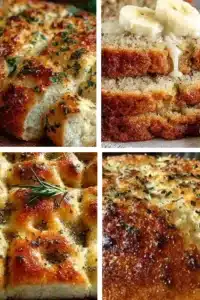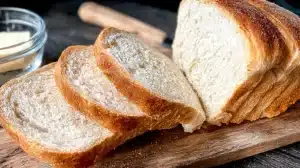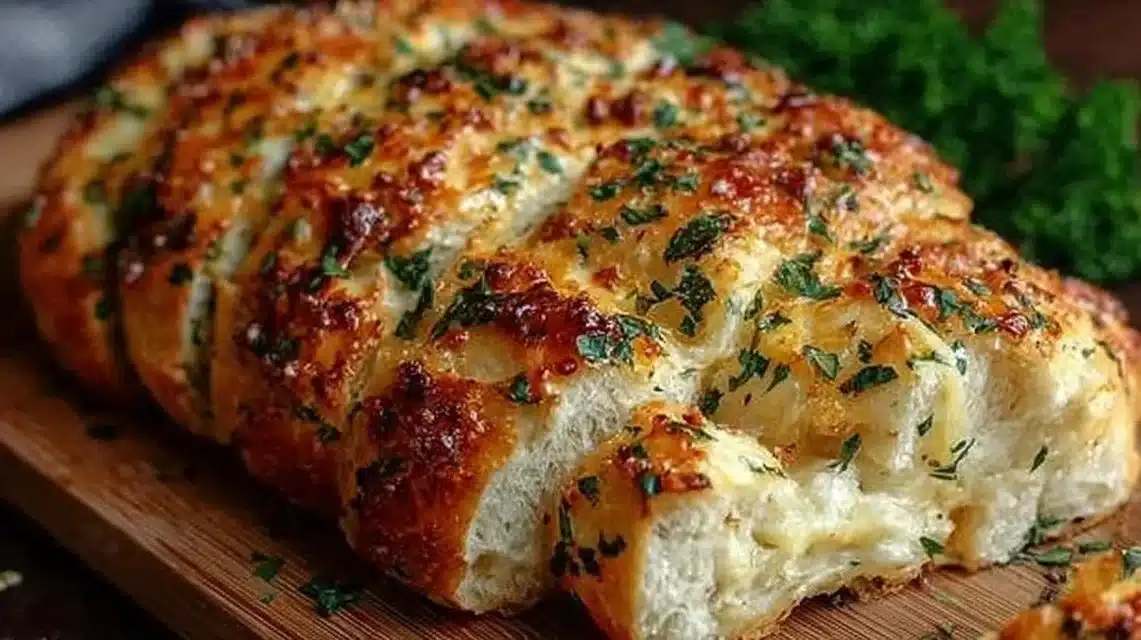
This Italian Herbs and Cheese Bread is soft inside, crisp on the outside, and bursting with savory herb and cheese flavor in every slice. The crust browns to a golden crisp while the interior stays tender thanks to a simple dough and a short steam bake. It’s easy because the recipe uses basic pantry ingredients and one straightforward rise—no complicated techniques. Serve it warm with olive oil and balsamic, use it for hearty sandwiches, or serve alongside soup for a satisfying weeknight meal. For a different sandwich idea, try pairing it with the best French dip sliders with melty cheese and roast beef for a melty, herb-forward twist.
Why You’ll Love This Italian Herbs and Cheese Bread
- Hands-off main rise: mix, knead, and let the dough double — simple timing, minimal fuss.
- Rich herb flavor: 2 tablespoons of dried Italian herbs give bright, savory notes in every bite.
- Cheese baked in: mozzarella and Parmesan create pockets of gooey melt and salty crunch.
- Crispy crust with soft crumb: a high oven temp and steam pan give a bakery-style finish.
- Flexible uses: slice for sandwiches, serve with soups, or as a party bread with dips.
- Uses pantry staples: all-purpose flour, yeast, basic seasonings — no specialty flours needed.
- Quick second rise: shape and rise for 30 minutes, then bake — fast for homemade bread.
- Easy scale and variations: optional add-ins and swaps make it adaptable to taste and diet.
What Is Italian Herbs and Cheese Bread?
Italian Herbs and Cheese Bread is a rustic yeast loaf that mixes dried Italian herbs and two cheeses directly into the dough. The taste is herby and savory with mild milky notes from shredded mozzarella and a sharp, salty edge from grated Parmesan. The texture balances a thin, crisp crust with a soft, slightly chewy interior that holds the pockets of melted cheese. It’s baked on a high heat with steam in the oven to get that golden crust and open crumb. This loaf feels like comfort food but is quick enough for weeknight baking and elegant enough for brunch or dinner sides.
Ingredients for Italian Herbs and Cheese Bread
Main Ingredients
- 4 cups all-purpose flour
- 1 packet (2¼ teaspoons) active dry yeast
- 1¾ cups warm water (about 110°F)
- 1 tablespoon salt
- 1 tablespoon sugar
- 2 tablespoons dried Italian herbs (like basil, oregano, thyme, and rosemary)
- 1 cup shredded mozzarella cheese
- ½ cup grated Parmesan cheese
- Extra flour for dusting
Ingredient Notes (Substitutions, Healthy Swaps)
- Yeast: Active dry yeast works as listed. If you only have instant yeast, reduce the amount by about 25% and mix it directly with the flour.
- Flour: All-purpose gives the right balance of chew and tenderness. For a slightly softer loaf, swap up to half the flour for bread flour. For whole-grain, replace up to 1 cup with whole wheat flour (expect denser crumb).
- Herbs: Use a single dried herb if that’s what you have (oregano or basil) — or use 1 tablespoon fresh herbs in place of 2 tablespoons dried (optional).
- Cheeses: Mozzarella gives melt; Parmesan adds sharpness. For a lighter sodium option, use low-sodium Parmesan or reduce to 1/3 cup. For a richer taste, add 1/2 cup shredded sharp provolone (optional).
- Sugar: The small amount feeds the yeast; you can swap honey in the same quantity by weight but reduce water slightly if very liquid.
- Dairy-free option: Use dairy-free shredded mozzarella and a dairy-free hard cheese substitute for similar texture (optional, but the flavor will change).
Step-by-Step Instructions
Step 1 – Activate the yeast
In a large mixing bowl, combine the warm water (about 110°F), 1 tablespoon sugar, and the yeast. Stir lightly and let sit for about 5 minutes until the surface becomes frothy.
Visual cue: The mixture should look bubbly and slightly foamy. If nothing happens after 7–10 minutes, the yeast may be dead — start over with fresh yeast.
Step 2 – Mix the dough
Add 4 cups all-purpose flour, 1 tablespoon salt, 2 tablespoons dried Italian herbs, 1 cup shredded mozzarella, and ½ cup grated Parmesan to the yeast mixture. Stir until a sticky dough forms and all ingredients are combined.
Step 3 – Knead the dough
Turn the dough out onto a floured surface and knead for about 8–10 minutes until smooth and elastic. Add a little extra flour for dusting only if the dough is too sticky to handle.
Pro cue: The dough should be tacky but not cling to your fingers. A smooth, slightly springy surface means you’re done kneading.
Step 4 – First proof
Place the kneaded dough in a greased bowl, turning once so the top is lightly oiled. Cover with a clean kitchen towel and let rise in a warm place for about 1–2 hours, or until it doubles in size.
Step 5 – Shape and second rise
Punch down the risen dough to release air. Shape it into a loaf or place it in a greased bread pan. Cover and let rise again for 30 minutes.
Step 6 – Preheat and steam
Preheat your oven to 450°F (230°C). Place a shallow pan of water at the bottom of the oven to create steam — this helps a crisp crust form while keeping the inside moist.
Step 7 – Bake
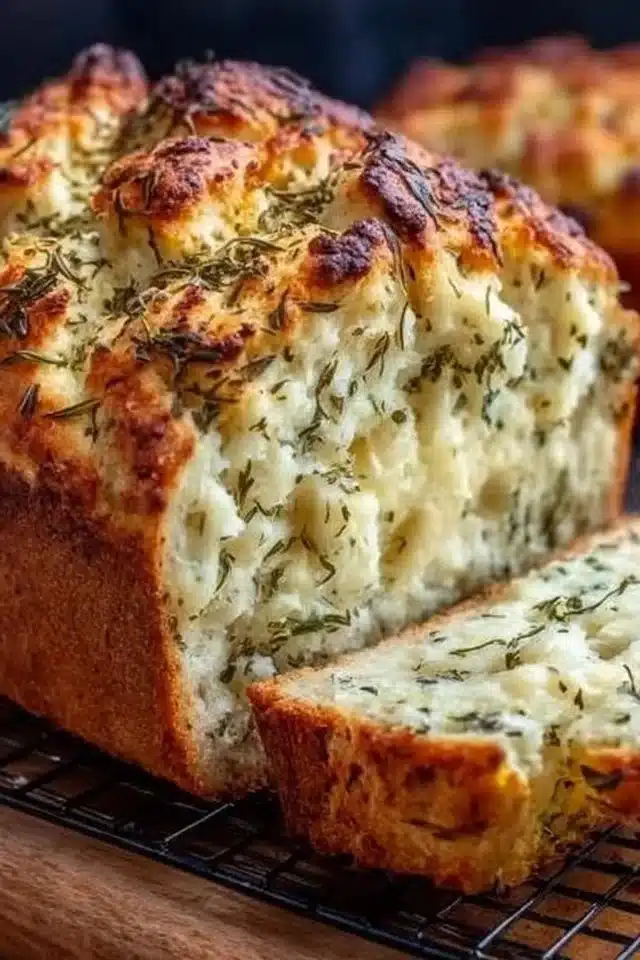
Bake the bread for 25–30 minutes or until golden brown. It should sound hollow when tapped. The internal temperature should reach 200–210°F. Remove from oven and cool on a wire rack before slicing.
Visual cue: The crust turns a deep golden color and the bottom sounds hollow when tapped.
Pro cue: Use an instant-read thermometer in the center for a reliable doneness check (200–210°F).
Pro Tips for Success
- Measure flour by spooning into the cup and leveling with a knife to avoid dry, heavy dough.
- Keep water around 110°F for proper yeast activation; too hot will kill the yeast, too cold will slow it.
- Use a warm, draft-free spot (like an oven with just the light on) for consistent rising.
- Watch the second rise — overproofing can lead to a flat loaf. Shape and bake when slightly puffed.
- Add steam during the first minutes of baking to help the crust form; remove the water pan after 10–12 minutes if you want a thicker crust.
- Rotate the pan halfway through baking for even browning if your oven has hot spots.
- Let the loaf cool at least 20 minutes before slicing to set the crumb and prevent a gummy texture.
Flavor Variations
- Optional: Sun-dried tomato and basil — fold 1/3 cup chopped sun-dried tomatoes into the dough and use extra basil.
- Optional: Garlic and herb — add 1–2 teaspoons garlic powder to the dry ingredients and brush the top with olive oil before baking.
- Optional: Olive and rosemary — fold 1/2 cup chopped pitted olives and 1 tablespoon extra chopped rosemary into the dough.
- Optional: Spicy kick — add 1 teaspoon red pepper flakes to the dry mix for heat.
- Optional: Honey and herb — substitute the sugar for honey and add 1 teaspoon finely grated lemon zest for a sweet-herb contrast.
- Optional: Seeded top — brush top with water and press sesame or poppy seeds before the second rise.
Serving Suggestions
- Slice thick and serve warm with extra-virgin olive oil and a splash of balsamic vinegar.
- Use as sandwich bread for hot Italian-style or grilled veggie sandwiches.
- Pair with a tomato basil soup or creamy bisque for a comforting meal.
- Serve alongside a cheese board — the bread’s herbs and cheeses echo the cheeses on the board.
- Toast slices and top with avocado and chili flakes for a savory breakfast.
- Cut into chunks and use for herb bread croutons or warm bread salad (panzanella).
Make-Ahead, Storage & Reheating
- Make-ahead: You can prepare the dough the night before and refrigerate it after the first rise. Punch down and shape in the morning, then allow the 30-minute second rise before baking.
- Storage: Store leftover bread wrapped tightly at room temperature for up to 2 days in a cool, dry place. For longer storage, refrigerate in an airtight container up to 4 days (note: refrigeration can dry bread).
- Reheating best practice: Rewarm slices in a 350°F oven for 5–7 minutes or toast slices. For a fresh-crust feel, mist lightly with water and bake 3–5 minutes.
- Texture changes: Refrigeration will firm the crumb and dry the crust; reheating helps restore softness and crisp the crust.
Storage and Freezing Instructions
- Freezing whole loaf: Wrap tightly in plastic wrap and then aluminum foil to prevent freezer burn. Freeze up to 3 months. Thaw overnight in the fridge, then rewarm in a 350°F oven for 10–15 minutes.
- Freezing slices: Place parchment between slices, wrap in plastic, and freeze in a resealable bag for easy single-serve thawing. Toast or reheat directly from frozen.
- If you don’t want to freeze: Make smaller loaves and use within 2–3 days to avoid waste. Freezing is recommended for best long-term quality.
Nutrition Facts (Per Serving)
Calories | Protein | Carbs | Fat | Fiber | Sodium
— | —: | —: | —: | —: | —:
220 | 8 g | 28 g | 9 g | 2 g | 520 mg
Estimates vary by brands and portions.
FAQ About Italian Herbs and Cheese Bread
How can I tell if the yeast is active?
If the yeast mixture becomes frothy and bubbly within 5–10 minutes, it’s active. If not, discard and try fresh yeast.My dough is too sticky — what do I do?
Dust your hands and work surface with a small amount of flour and knead a little longer. Avoid adding too much flour; the dough should remain slightly tacky.Why did my bread collapse after baking?
Likely overproofing (the dough rose too long) or the loaf was underbaked. Check proofing times and oven temperature next time.Can I knead by hand or use a stand mixer?
Both work. Knead by hand for 8–10 minutes or mix with a dough hook on medium-low for about 6–8 minutes.What if the top browns too fast?
Cover loosely with foil for the remaining bake time and finish until internal temperature reaches 200–210°F.Can I use fresh herbs instead of dried?
Yes — use about 1 tablespoon fresh for every 2 tablespoons dried. Chop finely and fold into the dough.
TastyInspo Notes
- Finish with a light brush of olive oil and a sprinkle of flaky sea salt for an elegant touch.
- For even melt distribution, fold the shredded mozzarella in last so it doesn’t clump.
- Score the top with a sharp blade before the second rise to control expansion and create a rustic look.
- Use a thermometer to avoid guesswork — internal temp of 200–210°F is the best doneness guide.
- Serve warm with small bowls of flavored olive oils (rosemary, chili) for dipping.
Troubleshooting
- Bland flavor: Increase herbs slightly next time or add a pinch more salt to the dough.
- Dry crumb: Reduce flour slightly and avoid overbaking; check oven temperature with an oven thermometer.
- Soggy bottom: Ensure the oven is fully preheated and the loaf is baked until internal temp reaches 200–210°F.
- Heavy or dense loaf: Likely under-kneaded or over-measured flour; knead until elastic and measure flour properly.
- No rise: Yeast may be old or water too hot/cold. Test yeast first and keep water around 110°F.
- Burnt crust with raw center: Oven hot spots or uneven baking. Rotate loaf and check internal temp early.
Conclusion
This Italian Herbs and Cheese Bread gives you a quick route to a golden, savory loaf that pairs with nearly any meal. It’s straightforward to make, easy to adapt, and delivers satisfying herb and cheese flavor in every slice—perfect for family dinners or an elevated sandwich base. For a copycat take on a similar herb-and-cheese-style loaf, see this helpful recipe for a Subway-style version at Subway Bread Recipe (Italian Herb and Cheese Copycat).
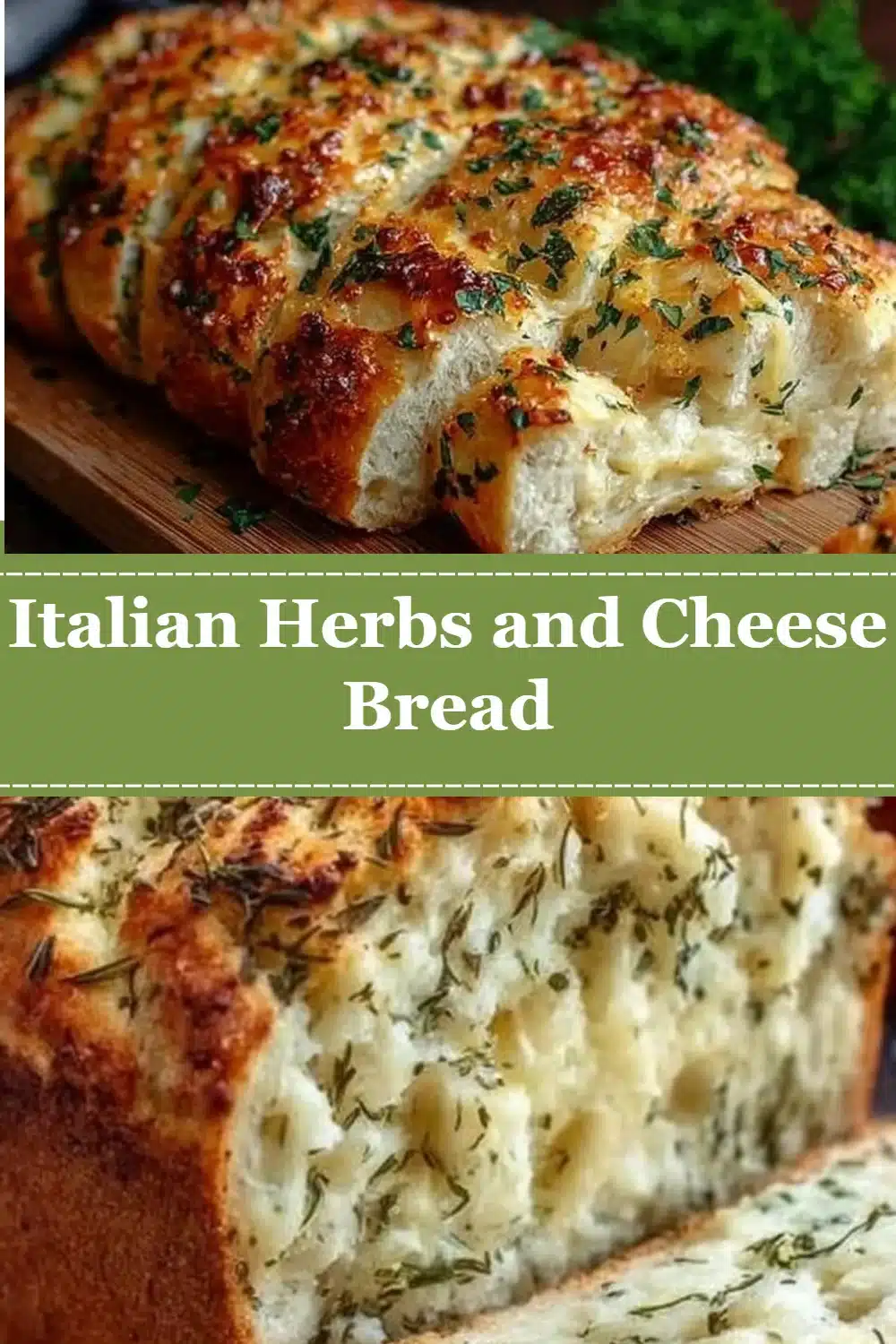
Italian Herbs and Cheese Bread
This soft, rustic bread features a crispy crust and a tender interior bursting with savory herb and cheese flavors, perfect for sandwiches or serving alongside soups.
Main Ingredients
- 4 cups all-purpose flour (For a softer loaf, swap up to half for bread flour.)
- 1 packet active dry yeast (2¼ teaspoons) (If using instant yeast, reduce by 25%.)
- 1¾ cups warm water (About 110°F for proper yeast activation.)
- 1 tablespoon salt
- 1 tablespoon sugar (Can substitute with honey.)
- 2 tablespoons dried Italian herbs (Use a mix of basil, oregano, thyme, and rosemary.)
- 1 cup shredded mozzarella cheese (Can substitute with dairy-free cheese if desired.)
- ½ cup grated Parmesan cheese (For a lower sodium option, use low-sodium Parmesan.)
- Extra flour for dusting
Preparation
- In a large mixing bowl, combine warm water, sugar, and yeast. Stir lightly and let sit for about 5 minutes until frothy.
- Add flour, salt, dried herbs, mozzarella, and Parmesan to the yeast mixture. Stir until a sticky dough forms.
- Turn the dough out onto a floured surface and knead for 8–10 minutes until smooth and elastic.
- Place the kneaded dough in a greased bowl, cover, and let rise in a warm place for about 1–2 hours, or until doubled in size.
- Punch down the risen dough and shape it into a loaf or place it in a greased bread pan. Cover and let rise again for 30 minutes.
Baking
- Preheat your oven to 450°F (230°C) and place a shallow pan of water at the bottom to create steam.
- Bake the bread for 25–30 minutes until golden brown and hollow-sounding when tapped. The internal temperature should reach 200–210°F.
- Cool on a wire rack before slicing.
Serve warm with olive oil and balsamic vinegar, or slice for hearty sandwiches and soups. Can be adapted with additional ingredients like sun-dried tomatoes, spices, or different cheeses.