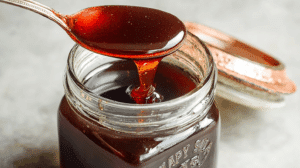
Making a great cup of coffee at home gives you rich aroma, smooth texture, and a bright or mellow taste depending on your coffee and brew strength. You get control over boldness and milk or sugar additions, and the result can be a clean, balanced cup or a deep, full-bodied sip. This recipe is simple, fast, and reliable — heat fresh water, measure your grounds, pour slowly, and steep. It’s perfect for a relaxed morning, a quick pick-me-up, or a cozy brunch pairing (try it with toast or a banana). For a natural sweetener idea, try this easy date syrup recipe as an alternative to sugar.
Why You’ll Love This Make Coffee at Home
- Fast and straightforward — ready in minutes with minimal gear.
- Full control of strength: use 1 to 2 tablespoons per 6 ounces of water to suit your taste.
- Clean, fresh flavor when you heat water just off boiling (about 200°F).
- Flexible: works for automatic coffee makers or a French press.
- Easy to customize with milk, sugar, or natural sweeteners like date syrup.
- Great aroma and mouthfeel when served immediately.
- Low waste and budget-friendly — use only what you need.
- Consistent results every time if you follow the simple steps.
What Is Make Coffee at Home?
This is the basic method for brewing coffee using freshly heated water and ground coffee. It produces a classic cup that can be bright and clean or rich and full-bodied depending on grind size and brew time. The core taste comes from the roast you choose — light roasts deliver brighter, fruity notes; medium roasts balance acidity and sweetness; dark roasts bring deep, roasted flavors. The method in this recipe covers both standard drip-style brewing and French press brewing, and the vibe is relaxed and comforting — ideal for weekday mornings, weekend brunch, or low-key coffee breaks.
Cooking method: pour-over style or French press technique using hot water poured slowly over coffee grounds and allowed to steep for optimal extraction.
Ingredients for Make Coffee at Home
For the Base
- Coffee grounds (your favorite roast) — 1 to 2 tablespoons per 6 ounces of water
- Water — fresh, heated to about 200°F (just off boiling)
Optional Add-ins
- Milk — to taste
- Sugar — to taste
Ingredient Notes (Substitutions, Healthy Swaps)
- Coffee grounds: Use freshly ground beans whenever possible. If you use pre-ground, store in an airtight container away from light and heat.
- Water: Use filtered or bottled water if your tap water tastes strongly of chlorine or minerals. Clean water makes a noticeable difference.
- Milk: Swap dairy milk for oat, almond, soy, or any plant milk you prefer. Heat gently before adding if you like warm milk.
- Sugar: For fewer processed sugars, use natural sweeteners such as honey, maple syrup, or the linked date syrup as an optional swap. Adjust amount to taste.
- Strength swaps: If you want a milder cup, use 1 tablespoon per 6 ounces. For a stronger cup, use up to 2 tablespoons per 6 ounces, or a finer grind for drip systems.
Step-by-Step Instructions
Step 1 – Heat the water
Heat fresh water to about 200°F — just off boiling. If you don’t have a thermometer, let the water come to a full boil and rest for 30 seconds.
Visual cue: Tiny bubbles form around the edge of the kettle and steam rises steadily.
Step 2 – Measure the coffee grounds
Place coffee grounds into your coffee maker basket or French press. Use 1 to 2 tablespoons per 6 ounces of water depending on desired strength.
Visual cue: A slightly heaped tablespoon is a good measure for medium strength.
Step 3 – Pour the hot water
Slowly pour hot water over the grounds so that all grounds are evenly saturated. For drip machines, pour into the reservoir; for French press, pour directly over the grounds.
Pro cue: Pour in a slow, circular motion for even extraction and to avoid channeling.
Step 4 – Let it steep
Let the coffee steep for a few minutes. For French press, steep 3–4 minutes before pressing. For drip or pour-over, allow the water to drip fully through the grounds.
Visual cue: Grounds settle at the bottom of the French press and the surface looks calm before you press.
Step 5 – Serve immediately
Serve the coffee right away to enjoy the best aroma and flavor.
Pro cue: Coffee begins to lose aromatic compounds within minutes; serve as soon as it’s brewed.
Step 6 – Add milk and sugar
Add milk and sugar to taste. Stir gently and enjoy.
Optional: Try a small splash of milk first, taste, then add more if needed.
Pro Tips for Success
- Use fresh beans and grind them just before brewing for the best flavor.
- Keep the water temperature close to 200°F — cooler water under-extracts (sour), hotter water over-extracts (bitter).
- Measure coffee by tablespoon or by weight if you have a scale: aim for about 10–12 grams per 6 ounces for a medium cup.
- Rinse paper filters with hot water before brewing (if using) to remove paper flavor and preheat your carafe.
- Use the correct grind: medium-fine for drip, coarse for French press.
- Clean your equipment regularly — old oils and residue make coffee taste stale.
- Brew only what you will drink within 20–30 minutes for peak flavor; stale coffee gets bitter and flat as it cools.
Flavor Variations
- Optional: Cinnamon touch — add a pinch of ground cinnamon to the coffee grounds before brewing for warm spice notes.
- Optional: Vanilla hint — stir in a drop of pure vanilla extract or a split vanilla bean into the grounds.
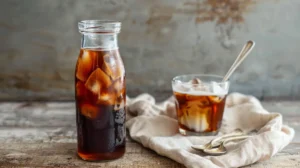
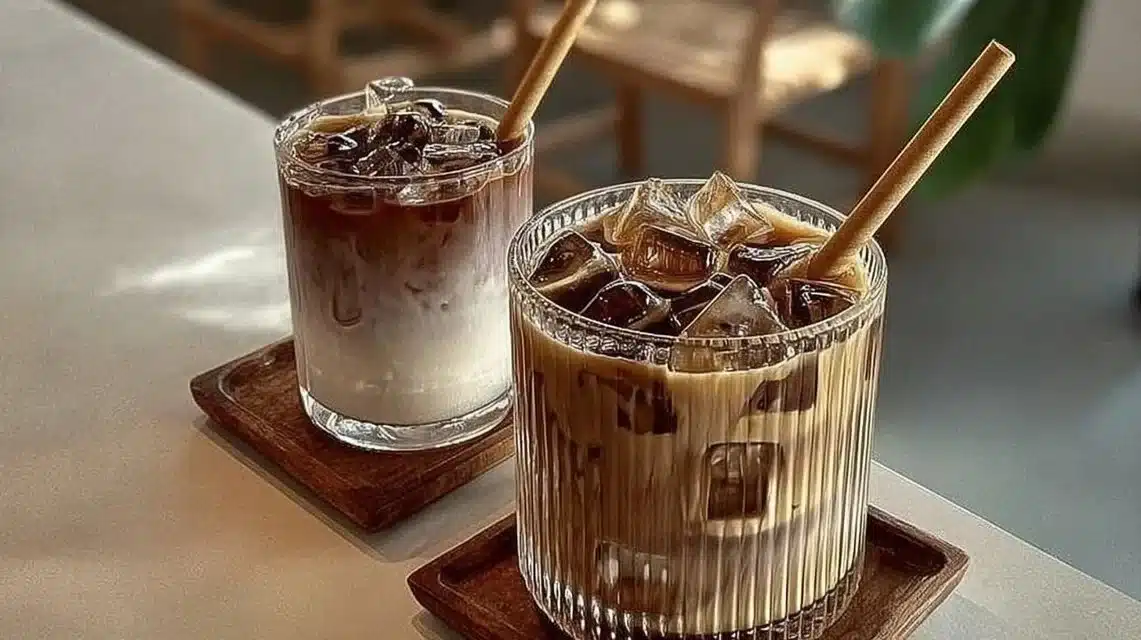
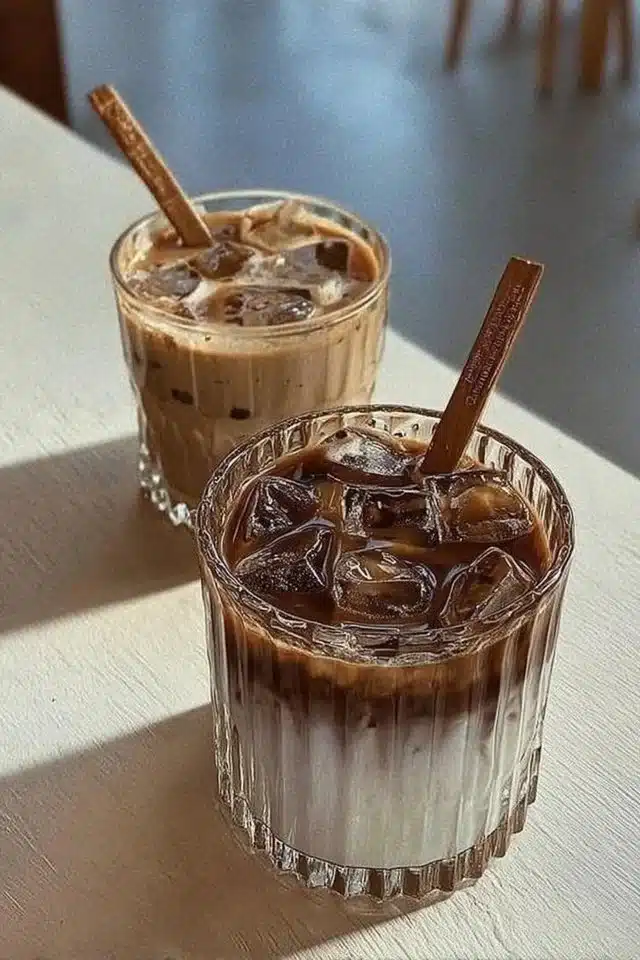
- Optional: Iced coffee — double-brew strength, cool quickly over ice for a clean, cold cup.
- Optional: Spiced cardamom — add a crushed cardamom pod to the grounds for a Middle Eastern-style flavor.
- Optional: Milk-forward latte — heat and froth milk separately, then add to a stronger-brewed coffee for a quick latte.
- Optional: Natural sweetener — swap sugar for honey, maple syrup, or the linked date syrup for a different sweet profile.
Serving Suggestions
- Serve black with a side of toasted bread or a slice of lemon pound cake for brunch.
- Add warmed milk and a drizzle of date syrup for a breakfast treat.
- Pair with a simple breakfast sandwich or croissant for a classic coffee shop feel at home.
- Serve iced over a handful of ice cubes with a splash of milk for a refreshing afternoon drink.
- Offer small sugar and milk stations if serving several people — let guests customize.
- Bring coffee in a thermos for picnics or outdoor breakfasts.
Make-Ahead, Storage & Reheating
- Make-ahead: You can grind beans in advance and store them sealed for a day, but whole beans keep flavor longer. Pre-measure coffee into single-serve containers for quick morning brewing.
- Storage duration: Brewed coffee should be kept in the refrigerator up to 3–4 days if you must store it. Flavor declines quickly after the first hour.
- Reheating: Reheat gently on the stove over low heat or in a microwave in short bursts. Avoid boiling — high heat makes coffee bitter.
- Texture changes: Refrigeration can mute the aromatics; some oils may settle. Reheated coffee will be flatter than freshly brewed.
Storage and Freezing Instructions
- Freezing brewed coffee is not recommended because ice crystals break down volatile flavors and make the coffee taste dull after thawing.
- Instead of freezing, brew smaller amounts more frequently. If you must freeze, pour cooled coffee into an airtight container and use within one month, but expect a loss of aroma and complexity.
- Store unused whole beans in an opaque, airtight container in a cool, dark place; avoid the fridge or freezer for daily beans to prevent moisture and flavor loss.
Nutrition Facts (Per Serving)
Calories | Protein | Carbs | Fat | Fiber | Sodium
—|—:|—:|—:|—:|—:
2 | 0.3 g | 0 g | 0 g | 0 g | 5 mg
Estimates vary by brands and portions. (Nutrition shown is for plain black coffee; adding milk or sugar changes values.)
FAQ About Make Coffee at Home
Q: Why does my coffee taste bitter?
A: Bitter coffee often comes from too-hot water, over-extraction, or using too-fine a grind. Lower water temperature slightly, shorten steep time, or use a coarser grind.
Q: Why is my coffee weak or watery?
A: Use more coffee per water volume or a finer grind. Start with 1.5 tablespoons per 6 ounces and adjust.
Q: How long should I steep coffee in a French press?
A: Aim for 3–4 minutes. Longer steeping pulls out more bitter compounds.
Q: Can I use tap water?
A: You can, but if it tastes off, use filtered or bottled water to avoid unwanted flavors in your coffee.
Q: How do I store coffee grounds?
A: Keep grounds in an airtight container away from heat, light, and moisture. Use within a week for best flavor.
Q: Is milk required?
A: No. Milk is optional and changes texture and flavor. Add to taste or leave coffee black.
TastyInspo Notes
- Warm your cup before pouring to keep the coffee hot longer and maintain aroma.
- For a richer mouthfeel, add a small splash of warmed milk rather than cold milk.
- Use a gooseneck kettle if you have it — it gives better control when pouring over grounds.
- Keep a small spoon by the machine to stir in sweeteners evenly right after brewing.
- When serving guests, offer simple add-ins (milk, sugar, a cinnamon stick) for easy personalization.
Troubleshooting
Issue: Coffee is flat and lacks aroma — Fix: Brew fresh beans and use hotter water; serve immediately.
Issue: Coffee tastes sour — Fix: Under-extraction; increase brew time, use slightly finer grind, or use a touch more coffee.
Issue: Grounds in cup from French press — Fix: Use a coarser grind and press slowly and evenly; pour off top liquid first.
Issue: Coffee tastes burnt — Fix: Water too hot or beans over-roasted; lower temperature and try a lighter roast.
Issue: Bitter after reheating — Fix: Avoid reheating; brew smaller amounts or reheat gently without boiling.
Issue: Strange off-flavors — Fix: Clean the coffee maker thoroughly and use fresh water.
Final Thoughts
This easy home-brew method gives you a reliable, tasty cup every time while letting you control strength, milk, and sweetness. With simple steps and small adjustments, you can make coffee that fits your morning routine or relax-time ritual. Try small tweaks to grind, water, and steep time until you find your perfect balance.
Conclusion
If you want to learn more about how brewing methods change the flavor and which method might make the best cup for your taste, check out this helpful guide on What Coffee-Brewing Method Makes the Best-Tasting Cup?