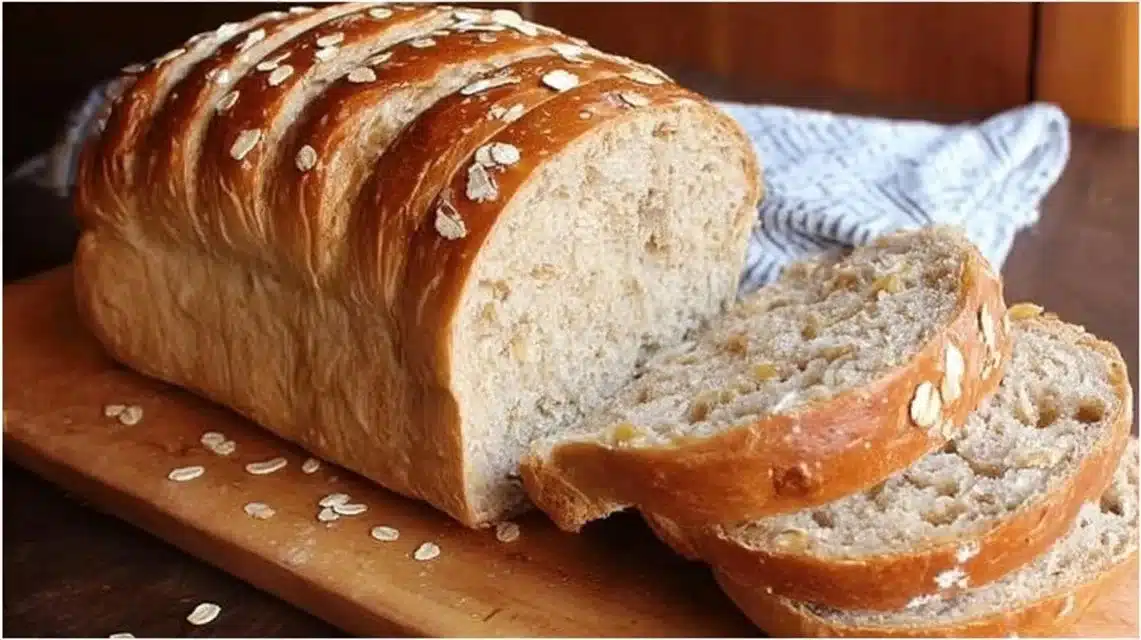
This Potato Flake Sourdough Whole Wheat Sandwich Bread is chewy, slightly tangy, and warmly nutty from whole wheat. It has a soft crumb thanks to potato flakes, a crisp golden crust, and a hearty texture that holds up to sandwiches. The long, slow rises make it mostly hands-off, so you get deep flavor with simple work. Toast a slice and smear with butter and jam, or use it for a sturdy deli sandwich — either way it stays moist and keeps well. If you want more ideas for potato flake sourdough recipes, see this helpful guide to recipes using a potato-flake sourdough starter: recipes using potato-flake sourdough starter.
Why You’ll Love This Potato Flake Sourdough Whole Wheat Sandwich Bread
- Hands-off fermentation: long rises build flavor without constant kneading.
- Soft crumb with a slight tang from the sourdough starter.
- Potato flakes add moisture and a tender texture that keeps slices fresh.
- Whole wheat gives a nutty, wholesome flavor and extra fiber.
- Flexible add-ins: sunflower seeds and oats add crunch and visual appeal.
- Easy to shape into a loaf for perfect sandwich slices.
- Great for meal prep — makes reliable sandwiches, toast, and French toast.
- Uses simple pantry ingredients and one fed, active starter.
What Is Potato Flake Sourdough Whole Wheat Sandwich Bread?
Potato Flake Sourdough Whole Wheat Sandwich Bread is a yeast-free sourdough loaf that uses a fed potato flake sourdough starter for rise and flavor. The potato flakes help the crumb stay soft and moist, while whole wheat flour adds a toasty, nutty note. The result is a sandwich-ready loaf with a gentle tang, tender crumb, and golden crust. It’s made with a stand mixer or by hand, using two long bulk rises instead of fast yeast fermentation. The vibe is cozy and practical — perfect for weeknight sandwiches, brunch toast, or packed lunches.
Ingredients for Potato Flake Sourdough Whole Wheat Sandwich Bread
Main Dough
- 1/2 cup potato flake starter (fed and active)
- 1 1/2 cups whole wheat flour
- 1 1/2 cups bread flour
- 1/4 cup sugar
- 1/4 cup canola oil
- 1/2 Tablespoon salt
- 3/4 cup warm water
Optional Add-ins
- 1/4 cup Sunflower seeds (unsalted)
- 2 Tablespoons Rolled oats (for topping)
- 1 beaten egg (for egg wash)
Ingredient Notes (Substitutions, Healthy Swaps)
- Starter: Use an active, fed potato flake starter. If it isn’t bubbly, feed it and wait until it rises before starting.
- Whole wheat flour: You can use whole wheat pastry flour for a slightly lighter crumb, though the loaf will be less dense.
- Bread flour: All-purpose can replace bread flour, but expect a slightly softer structure and less chew.
- Sugar: Swap for honey or maple syrup (optional) at a 1:1 ratio if you want natural sweetener notes.
- Canola oil: Substitute neutral oils (vegetable, grapeseed) or use light olive oil for a bit more flavor; do not use strong-flavored oils.
- Sunflower seeds: Optional. Use pumpkin seeds or chopped nuts instead for texture.
- Egg wash: Optional. Brush with beaten egg for a glossy crust; omit if you want a matte finish or egg-free loaf.
Step-by-Step Instructions
Step 1 – Feed your starter ahead of time
- 36 hours before baking, feed the potato flake starter so it will be nice and bubbly when used.
- After feeding, let it sit at room temperature. When it’s very active and bubbly (usually about 8 hours after feeding), it’s ready to use.
- Visual cue: The starter should double or show lots of bubbles on the surface and smell mildly tangy and slightly sweet.
Step 2 – Mix the dough
- Add all ingredients except sunflower seeds to your stand mixer bowl when the starter is active: the potato flake starter, whole wheat flour, bread flour, sugar, canola oil, salt, and warm water.
- Mix on low with the dough hook until ingredients are almost combined.
- Visual cue: The dough will start to pull away from the bowl but still look slightly rough before adding seeds.
Step 3 – Add seeds and knead
- Once ingredients are mostly combined, add the 1/4 cup sunflower seeds and knead until they’re evenly incorporated and the dough is smooth.
- Knead until the dough is elastic but still slightly tacky; about 5–8 minutes in a stand mixer on low-medium.
- Pro cue: If the dough sticks too much, wet your hands lightly or dust the bowl with a touch of flour — avoid adding too much flour which can dry the loaf.
Step 4 – First rise
- Oil a large bowl and place the dough inside. Cover tightly with plastic wrap to hold moisture.
- Allow the dough to rise in a warm place for about 8–12 hours, or until doubled in size.
- Visual cue: The dough should look puffy and show some doming and small surface bubbles.
Step 5 – Shape and second rise
- After the first rise, grease a bread pan or line it with parchment paper.
- Shape the loaf by pressing the dough into a rectangle, then tightly roll it into a loaf shape. Pinch the seam and the ends to seal.
- Place the shaped loaf into the pan and cover with plastic wrap.
- Allow it to rise again for 8–10 hours until doubled.
- Pro cue: Second rise timing varies with room temperature; look for a clear doubling rather than relying on hours alone.
Step 6 – Egg wash and bake
- Once the loaf has doubled, baste the top with a beaten egg (optional) and sprinkle the 2 tablespoons rolled oats on top. Lightly press the oats so they stick.
- Bake in a 350 °F oven for 25 minutes, or until the top is golden brown and the loaf sounds hollow when thumped.
- Let cool in the pan for 10 minutes, then remove to a wire rack to cool completely before slicing.
- Visual cue: A hollow sound when tapped on the bottom and a deep golden top indicate doneness.
Pro Tips for Success
- Use an active starter: Make sure the potato flake starter is bubbly and active before mixing. Inactive starter means slow rise and dense bread.
- Warm water: Use warm water (not hot) to help the starter wake up — about 95–105 °F is good.
- Temperature matters: Keep the dough in a warm, draft-free spot for rising. Cooler rooms need longer rises.
- Don’t over-flour: Avoid adding too much flour during kneading. Slightly tacky dough yields a softer loaf.
- Seal the seam: When shaping, pinch the back seam tightly so the loaf holds shape during the second rise.
- Bake for full time: If unsure, bake a couple minutes longer; check for hollow sound and golden color.
- Rest before slicing: Cool completely for best texture when slicing clean sandwich pieces.
Flavor Variations
- OPTIONAL: Seed and grain loaf – Increase seeds to 1/2 cup total (mix sunflower, flax, and sesame) for extra crunch.
- OPTIONAL: Honey-whole wheat – Replace sugar with 1/4 cup honey for floral sweetness.
- OPTIONAL: Oat-crusted top – Add a thin layer of butter before sprinkling oats for a toasted oat finish.
- OPTIONAL: Herb loaf – Fold in 1–2 teaspoons dried herbs (rosemary, thyme) for savory toast.
- OPTIONAL: Nutty boost – Fold in 1/4 cup chopped walnuts or pecans for texture (keep sunflower seeds if desired).
- OPTIONAL: Egg-free finish – Skip the egg wash and brush with a thin milk alternative or water for a matte crust.
Serving Suggestions
- Classic sandwich: Use thick slices for turkey, lettuce, tomato, and mustard.
- Breakfast toast: Top with mashed avocado, salt, pepper, and a squeeze of lemon.
- French toast: Day-old slices make excellent, custardy French toast.
- Grilled cheese: The dense crumb holds up well to melting cheese and grilling.
- Soup companion: Serve thick slices with hearty soups or stews for dipping.
- Snack board: Cut into cubes, toast, and serve with dips and cheeses.
Make-Ahead, Storage & Reheating
- Make-ahead: You can complete the first rise and refrigerate the shaped dough overnight for a slower second rise; bring to room temp and finish rising before baking.
- Storage: Store baked bread at room temperature in a bread bag or airtight container for 3–4 days.
- Refrigeration: Refrigerating whole loaves is not ideal — it speeds staling. Only refrigerate if your kitchen is very humid.
- Reheating: For soft slices, warm in a 350 °F oven for 5–7 minutes or toast slices until warm. Microwaving will make slices gummy.
Storage and Freezing Instructions
- To freeze whole loaf: Cool completely, wrap tightly in plastic wrap, then aluminum foil. Freeze up to 3 months.
- To freeze slices: Slice first, separate with parchment, place in freezer bag, and press out air. Toast directly from frozen.
- Thawing: Thaw wrapped loaf at room temperature for a few hours or overnight in the fridge. Refresh in a 325–350 °F oven for 10–12 minutes to restore crust.
- If you prefer not to freeze: Keep the loaf in a cool, dry place and use within 3–4 days. Freezing is recommended for longer storage to retain texture.
Nutrition Facts (Per Serving)
Calories | Protein | Carbs | Fat | Fiber | Sodium —|—:|—:|—:|—:|—: About 200 kcal | 5 g | 32 g | 7 g | 3 g | 220 mg
Estimates vary by brands and portions.
FAQ About Potato Flake Sourdough Whole Wheat Sandwich Bread
Q: My dough didn’t rise much after 12 hours. What now? A: Your starter may not have been active enough or the room is too cool. Warm the dough in a warmer spot (near a warm oven or turned-off oven with the light on) and give it more time.
Q: The crumb is too dense. How can I fix it next time? A: Ensure your starter is very bubbly before mixing, and knead until elastic. Also avoid adding too much extra flour.
Q: The top browns but the inside is doughy. What should I do? A: Lower oven temperature by 10–15 °F and bake a few minutes longer, or cover the top with foil if the crust gets too dark.
Q: Can I skip the sunflower seeds? A: Yes. Sunflower seeds are optional. The loaf still bakes well without them.
Q: Can I make this without an egg wash? A: Yes. Egg wash is optional. Omit it if you want a matte crust or to keep the recipe egg-free.
Q: How long will this bread keep on the counter? A: Kept in a bread bag or airtight container, it will stay good for about 3–4 days at room temperature.
TastyInspo Notes
- Lightly toast slices and rub with garlic for a quick bruschetta-style snack.
- Use the heel for dipping into olive oil and balsamic — it soaks up flavors without falling apart.
- For even slices, chill the loaf for 30 minutes before slicing.
- Brush crust with a little melted butter after baking for a softer, richer exterior.
- Toasted sunflower seeds on top give a visually rustic look and added crunch.
Troubleshooting
- Problem: Bland flavor. Fix: Make sure starter was active; longer fermentation deepens tang and aroma.
- Problem: Dough too sticky to shape. Fix: Let it rest 10–15 minutes; the gluten will relax and be easier to handle.
- Problem: Bread too tough. Fix: Reduce kneading time slightly and avoid over-baking. Ensure not to add extra flour.
- Problem: Oats fall off after baking. Fix: Press oats firmly into the egg-washed surface before baking.
- Problem: Crust too hard. Fix: Brush with butter after baking or wrap the loaf while still slightly warm in a clean towel to soften crust.
- Problem: Surface cracks in loaf. Fix: Seal seams tightly when shaping and avoid drafty rise spots.
Final Thoughts
This Potato Flake Sourdough Whole Wheat Sandwich Bread is a reliable, hands-off loaf that yields soft, tangy slices perfect for sandwiches and toast. The potato flakes and whole wheat create a pleasing texture that stays moist, while slow fermentation builds flavor with minimal active time. Try it for your next meal prep or weekend baking session — it’s simple, wholesome, and very rewarding. For more baking notes and the original inspiration behind this loaf, see the full recipe page: Whole Wheat Bread Loaf using a Potato Flake Starter.
Potato Flake Sourdough Whole Wheat Sandwich Bread

A chewy, tangy, and nutty sandwich bread made with potato flakes and whole wheat flour for a soft crumb and crisp crust, perfect for sandwiches and toasting.
Main Dough
- 1/2 cup potato flake starter (fed and active)
- 1 1/2 cups whole wheat flour (Can use whole wheat pastry flour for a lighter crumb.)
- 1 1/2 cups bread flour (All-purpose can replace bread flour for a softer structure.)
- 1/4 cup sugar (Swap for honey or maple syrup at a 1:1 ratio.)
- 1/4 cup canola oil (Can substitute with neutral oils or light olive oil.)
- 1/2 Tablespoon salt
- 3/4 cup warm water (About 95–105 °F is ideal.)
Optional Add-ins
- 1/4 cup sunflower seeds (unsalted) (Can replace with pumpkin seeds or chopped nuts.)
- 2 tablespoons rolled oats (For topping.)
- 1 beaten egg for egg wash (Optional for a glossy finish.)
Preparation
- Feed your potato flake starter 36 hours before baking to ensure it is bubbly and active.
- Mix the potato flake starter, whole wheat flour, bread flour, sugar, canola oil, salt, and warm water in a stand mixer until almost combined.
- Add the sunflower seeds and knead until the dough is smooth and elastic, approximately 5–8 minutes.
- Oil a large bowl, place the dough inside, cover tightly with plastic wrap, and allow to rise in a warm place for 8–12 hours.
- After the first rise, shape the dough and place it in a greased bread pan, cover with plastic wrap, and let rise for another 8–10 hours.
- Once risen, baste the top with the beaten egg (if using) and sprinkle rolled oats before baking.
- Bake in a preheated oven at 350 °F for 25 minutes, until golden brown and hollow sounding when tapped. Cool on a rack.
Store baked bread at room temperature in a bread bag or airtight container for 3-4 days. To freeze, wrap tightly and store for up to 3 months.