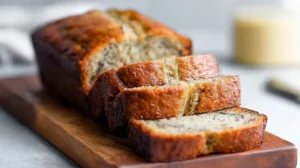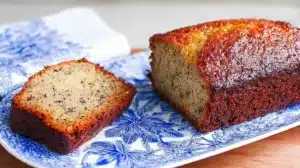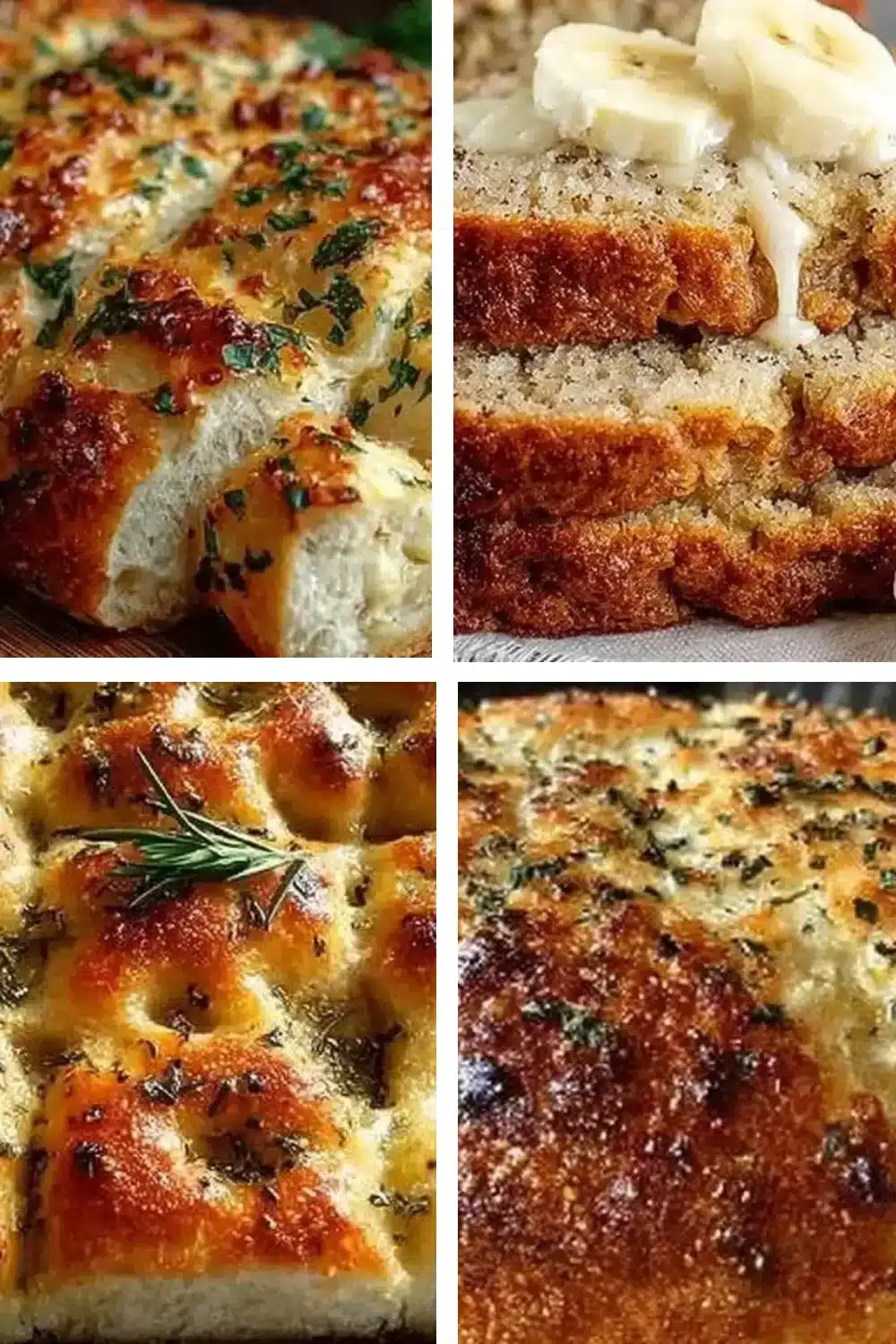
There's something undeniably comforting about the smell of freshly baked bread wafting through my kitchen, and I'm excited to share my favorite easy bread recipes that will bring that delightful experience straight to your home. Each recipe is designed for simplicity, ensuring even novice bakers can create delicious loaves without stress. From the savory allure of Italian herbs and cheese to sweet indulgences like moist banana bread, I've gathered a collection that promises to excite your taste buds and elevate your cooking game. Join me on this delicious journey, and discover how easy it can be to impress your family and friends with homemade bread that rivals any bakery!
1. Easy Italian Herbs and Cheese Bread (No-Fail Recipe)
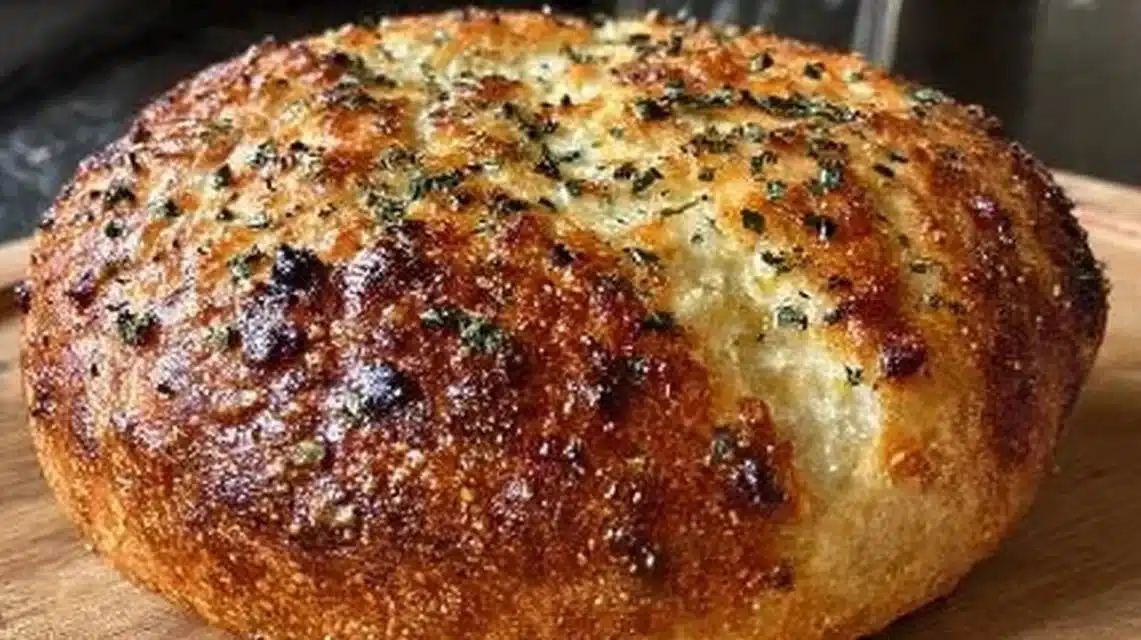
This Italian Herbs and Cheese Bread brings warm, garlicky herb flavor and melty cheese into a crisp, golden crust with a soft, chewy crumb. The outer crust is lightly crisp and browned, while the inside stays tender thanks to a good knead and resting time. It’s an easy loaf to make at home with simple steps and minimal fuss—perfect for a weeknight dinner, picnic, or to serve with soup. Serve warm with olive oil or butter, or slice for sandwiches. If you like pull-apart cheese breads, you’ll enjoy this, and for a related sandwich idea try this best French dip sliders with melty cheese for pairing inspiration.
Why You’ll Love This Italian Herbs and Cheese Bread
- Simple pantry ingredients and one dough make a flavorful artisan-style loaf.
- A soft, chewy interior with a crisp, golden crust—classic bread comfort.
- Melty mozzarella pockets and salty Parmesan in every bite add rich depth.
- Italian herb mix gives bright, savory notes without extra work.
- Hands-on kneading time is short and rewarding; most time is inactive rise time.
- Versatile: serve with soup, use for sandwiches, or enjoy plain with butter.
- Easy to scale: double the batch for guests or freeze extra loaves.
- No special equipment required—just a mixing bowl, baking sheet, and oven.
What Is Italian Herbs and Cheese Bread?
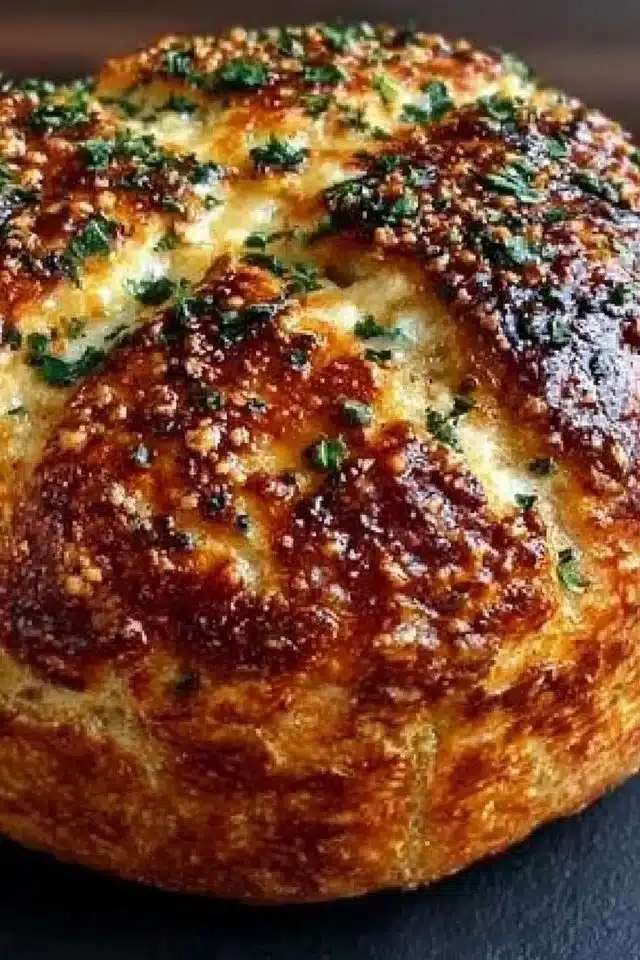
Italian Herbs and Cheese Bread is a home-baked round loaf flavored with a classic mix of oregano, basil, and thyme and folded through with shredded mozzarella and grated Parmesan. It tastes savory, cheesy, and herb-forward with a tender crumb that yields to melty cheese. The crust becomes golden and slightly crisp from baking at 425°F (220°C). This bread feels like comfort food with a simple, rustic vibe—great for weeknight dinners, brunch spreads, or as a baked appetizer. It blends the warmth of freshly baked bread with Italian-style seasoning and is satisfying for both family meals and casual entertaining.
Ingredients for Italian Herbs and Cheese Bread
For the Dough
- 4 cups all-purpose flour (480 grams)
- 1 ½ cups warm water (360 ml, about 110°F or 43°C)
- 2 ¼ teaspoons active dry yeast (1 packet)
- 1 teaspoon salt (6 grams)
- 2 tablespoons olive oil (30 ml)
- 2 teaspoons Italian herbs (oregano, basil, thyme) (10 grams, mixed)
For the Cheese
- 1 cup shredded mozzarella cheese (100 grams)
- ½ cup grated Parmesan cheese (50 grams)
Ingredient Notes (Substitutions, Healthy Swaps)
- Flour: All-purpose works perfectly. You can substitute up to half the flour with bread flour for a chewier texture (not required).
- Water temperature: Aim for about 110°F (43°C) to activate yeast. Too hot will kill yeast; too cool slows activation.
- Yeast: Active dry yeast is specified. If using instant yeast, reduce proofing time slightly and add directly to dry ingredients. Use 2 teaspoons instant yeast in place of 2 ¼ teaspoons active and skip the initial bloom step if desired.
- Oil: Olive oil gives flavor. You can use a neutral oil (canola) if preferred, but olive oil complements the herbs.
- Cheese: Use fresh shredded mozzarella and real grated Parmesan for best melt and flavor. Pre-shredded cheese with anti-caking agents can be used but may be less creamy.
- Herbs: The recipe uses a mixed Italian herb blend; use dried oregano, basil, and thyme in equal parts if you don’t have a mix. Fresh herbs can be used as an optional variation (see Variations).
Step-by-Step Instructions
Step 1 – Bloom the yeast
In a small bowl, combine 1 ½ cups warm water (360 ml, about 110°F/43°C) and 2 ¼ teaspoons active dry yeast. Let sit 5–10 minutes until frothy. This confirms the yeast is active.
Visual cue: The mixture should look foamy and smell slightly yeasty.
Step 2 – Mix dry ingredients
In a large mixing bowl, whisk together 4 cups all-purpose flour (480 g), 1 teaspoon salt (6 g), and 2 teaspoons Italian herbs (10 g). Make a well in the center to receive the wet ingredients.
Step 3 – Combine and form dough
Add the frothy yeast mixture and 2 tablespoons olive oil (30 ml) to the dry ingredients. Stir until a shaggy dough forms. Turn the dough onto a lightly floured surface and knead for 8–10 minutes until smooth and elastic.
Step 4 – Incorporate the cheeses
Flatten the dough slightly and spread 1 cup shredded mozzarella (100 g) and ½ cup grated Parmesan (50 g) over it. Fold the dough over the cheese and knead gently until the cheeses are evenly distributed in the dough. Don’t overwork to avoid squeezing all melted pockets out.
Step 5 – First rise
Oil a clean bowl, place the dough inside, and cover with a damp cloth. Let rise in a warm place for 1–2 hours until doubled in size.
Step 6 – Shape and second rise
Punch down the dough gently, shape it into a round boule, and place on a parchment-lined baking sheet. Cover and let rise for 30–45 minutes until puffed.
Step 7 – Bake
Preheat the oven to 425°F (220°C). Score the top with shallow slashes. Bake 25–30 minutes until the crust is deep golden and the internal temperature reaches 190°F (88°C). Cool on a wire rack at least 20 minutes before slicing.
Pro cue: If the crust browns too fast, tent loosely with foil for the last 5–10 minutes.
Pro Tips for Success
- Always proof yeast in warm (not hot) water to confirm it’s active before mixing.
- Measure flour by weight (480 g) if possible; spoon-flour-into-cup if using volume to avoid dense dough.
- Knead until the dough is smooth and elastic—8–10 minutes by hand. Under-kneaded dough will be sticky and lack structure.
- Keep the dough covered during rises to prevent a dry skin forming. A damp towel or plastic wrap works well.
- Use a thermometer to check doneness: 190°F (88°C) internal for a fully baked loaf.
- Add the cheese last in small batches to avoid creating large pockets that leak during bake.
- Cool at least 20 minutes before slicing to finish the crumb set and avoid gummy texture.
Flavor Variations
- OPTIONAL: Garlic and herb butter swirl — brush softened garlic butter on the dough before folding in cheese.
- OPTIONAL: Sun-dried tomatoes — chop and fold in ¼ cup for a savory, tangy boost.
- OPTIONAL: Fresh herbs — replace half the dried herbs with 2 tablespoons chopped fresh basil and oregano for brighter flavor.
- OPTIONAL: Spicy kick — add ¼ teaspoon red pepper flakes to the dough for mild heat.
- OPTIONAL: Whole-grain mix — replace up to 25% of the flour with whole wheat for nuttier taste (expect denser crumb).
- OPTIONAL: Cheesy top — sprinkle extra Parmesan on top before baking for a crisp, salty crust.
Serving Suggestions
- Warm slices with a small dish of extra virgin olive oil and balsamic for dipping.
- Serve alongside tomato or vegetable soup for a hearty meal.
- Use sliced loaf for rustic sandwiches with deli meats and roasted vegetables.
- Offer as part of a brunch spread with cheeses, olives, and cured meats.
- Cut into thick slices, toast them lightly, and top with avocado and tomato.
- Pair with a simple green salad and vinaigrette for a balanced plate.
Make-Ahead, Storage & Reheating
- Make-ahead: You can mix and knead the dough, then refrigerate it overnight for a slow rise. Bring to room temperature and complete shaping and second rise before baking.
- Fridge storage: Store baked bread in a bread box or loosely wrapped at room temperature for 2–3 days. Refrigeration accelerates staling.
- Reheating: Reheat slices in a 350°F (175°C) oven for 8–10 minutes to refresh crust and melt cheese slightly. For single slices, toast until warmed through. Avoid microwave reheating for long times; it makes bread chewy.
Note: The crumb will be freshest the day it’s baked; expect a gradual firming of the crumb over 1–3 days.
Storage and Freezing Instructions
- To freeze: Cool the baked loaf completely. Wrap tightly in plastic wrap and then in foil or a freezer bag. Freeze up to 3 months.
- To thaw: Remove wrapping and thaw overnight in the refrigerator or at room temperature for a few hours. Reheat in a 350°F (175°C) oven for 10–15 minutes to refresh crust and soften the crumb.
- If you prefer to freeze dough: After the first rise, punch down, shape, wrap well, and freeze. Thaw in the fridge overnight, then allow a full second rise and bake.
- If freezing is not desired: Keep at room temperature for up to 2 days and finish by reheating; freezing is recommended for longer storage to preserve texture.
Nutrition Facts (Per Serving)
Calories | Protein | Carbs | Fat | Fiber | Sodium
—|—:|—:|—:|—:|—:
~250 kcal | ~9 g | ~45 g | ~8 g | ~2 g | ~420 mg
Estimates vary by brands and portions.
FAQ About Italian Herbs and Cheese Bread
Q: My dough is too sticky—what do I do?
A: Add a tablespoon of flour at a time while kneading until it’s tacky but manageable. Don’t over-flour or bread will be dense.
Q: The loaf is dense after baking—why?
A: Likely under-kneaded or under-proofed. Knead until smooth and allow full rise (doubled) in a warm spot before shaping.
Q: How do I know when the loaf is done?
A: Use a digital thermometer—internal temp should be 190°F (88°C). The crust should be nicely browned and sound hollow when tapped.
Q: Can I use instant yeast instead of active dry?
A: Yes. Use 2 teaspoons instant yeast and add directly to the dry ingredients. You can skip the bloom step or still proof for reassurance.
Q: Can I omit the Parmesan or mozzarella?
A: You can reduce or omit cheeses, but that changes flavor and texture. Try reducing rather than removing for best results.
Q: The cheese leaked out and burned on the sheet—how to avoid this?
A: Fold cheese well into the dough and avoid placing large chunks near the surface. Use a parchment-lined baking sheet to catch any drips and make cleanup easy.
TastyInspo Notes
- Finish with a light brush of olive oil right after baking for a soft sheen and richer mouthfeel.
- Right before serving, sprinkle a pinch of flaky sea salt to highlight the cheese and herbs.
- For even browning, rotate the pan halfway through baking.
- Serve on a wooden board with a serrated knife for rustic presentation.
- Let guests tear warm pieces—melty cheese and herbs make it an interactive snack.
Troubleshooting
- Problem: Bread didn’t rise much. Fix: Check yeast freshness, water temperature, and proof time. Warm, draft-free place helps.
- Problem: Interior is gummy. Fix: Likely under-baked—bake longer or check internal temp to reach 190°F (88°C).
- Problem: Crust too hard. Fix: Reduce oven time slightly or tent with foil during the last minutes. Store loaf covered with a clean cloth to soften crust.
- Problem: Too salty. Fix: Use low-sodium Parmesan or reduce added salt to ¾ teaspoon next time. Balance with unsalted butter when serving.
- Problem: Cheese pockets large and oozed out. Fix: Cut cheese into smaller shreds and fold gently to distribute evenly.
Final Thoughts
This Italian Herbs and Cheese Bread is a simple, satisfying loaf that combines classic herb flavors and two kinds of cheese for a cozy, flavorful result. It’s forgiving for home bakers and flexible enough for small flavor tweaks. With a little time for rising you’ll have a warm, aromatic loaf that pairs well with many meals and makes any table feel special.
Conclusion
If you want to explore a similar flavor profile or try a copycat commercial recipe for inspiration, see this Subway Bread Recipe (Italian Herb and Cheese Copycat) for comparison and ideas. 
Italian Herbs and Cheese Bread

This Italian Herbs and Cheese Bread features warm, garlicky herb flavor, melty cheese, and a crisp, golden crust with a soft, chewy crumb. Perfect for dinner, picnics, or serving with soup.
For the Dough
- 4 cups all-purpose flour (480 grams) (You can substitute up to half the flour with bread flour for a chewier texture.)
- 1.5 cups warm water (360 ml, about 110°F or 43°C) (Aim for about 110°F (43°C) to activate yeast.)
- 2.25 teaspoons active dry yeast (1 packet) (If using instant yeast, use 2 teaspoons and skip the initial bloom step.)
- 1 teaspoon salt (6 grams)
- 2 tablespoons olive oil (30 ml) (Olive oil complements the herbs.)
- 2 teaspoons Italian herbs (oregano, basil, thyme) (10 grams, mixed) (Use fresh herbs for brighter flavor, if desired.)
For the Cheese
- 1 cup shredded mozzarella cheese (100 grams) (Use fresh shredded for best melt.)
- 0.5 cup grated Parmesan cheese (50 grams) (Use real grated for best flavor.)
Preparation
- In a small bowl, combine warm water and active dry yeast. Let sit for 5–10 minutes until frothy.
- In a large mixing bowl, whisk together all-purpose flour, salt, and Italian herbs. Make a well in the center.
- Add the frothy yeast mixture and olive oil to the dry ingredients. Stir until a shaggy dough forms.
- Turn the dough onto a lightly floured surface and knead for 8–10 minutes until smooth and elastic.
- Flatten the dough and spread shredded mozzarella and grated Parmesan over it. Fold the dough over the cheese and knead gently until the cheeses are distributed.
- Oil a clean bowl, place the dough inside, and cover with a damp cloth. Let rise in a warm place for 1–2 hours until doubled in size.
- Punch down the dough gently, shape it into a round boule, and place on a parchment-lined baking sheet. Cover and let rise for 30–45 minutes until puffed.
Baking
- Preheat the oven to 425°F (220°C). Score the top with shallow slashes.
- Bake for 25–30 minutes until the crust is deep golden and the internal temperature reaches 190°F (88°C).
- Cool on a wire rack for at least 20 minutes before slicing.
Serve warm with olive oil or butter, or use slices for sandwiches. To refresh crust after storing, reheat slices in a 350°F (175°C) oven for 8–10 minutes.
2. Homemade Focaccia Bread Easy No-Fail Recipe

This focaccia is soft inside with a crisp, golden crust and a fragrant olive oil aroma. The crumb is open and pillowy, studded with dimples that hold pools of oil and rosemary flavor. It’s an easy, forgiving loaf that comes together with simple ingredients and a little patience — perfect for a weeknight or a casual weekend bake. Serve warm with olive oil for dipping, use slices for sandwiches, or tear it alongside soups and salads. For another simple, comforting loaf to try, see this moist cinnamon swirl banana bread that uses a similar hands-on approach.
Why You’ll Love This Homemade Focaccia Bread
- Simple pantry ingredients: bread flour, yeast, salt, water, olive oil, and rosemary. No eggs or dairy needed.
- Soft, open crumb with a chewy bite and a golden, slightly crisp top.
- Plenty of hands-off time: most of the work is waiting for the dough to rise.
- Flexible: serve plain, with herbs, or use as sandwich bread.
- Great for beginners — forgiving dough that tolerates slight variations.
- Works as both a main (sandwich base) and a side (soup, salad, charcuterie).
- Uses easy tools: a large bowl and a baking sheet, no fancy equipment.
- Quick bake: about 25 minutes in a hot oven gives great color and texture.
What Is Homemade Focaccia Bread?
Focaccia is an Italian flatbread that’s loved for its airy inside and olive oil–kissed crust. It tastes mildly salty and herbaceous when topped with rosemary, with a rich, slightly fruity note from the olive oil. The cooking method is simple: a yeasted dough is mixed, left to rise, spread into a pan, dimpled by hand to trap oil, and baked at high heat until golden. The vibe is casual comfort food — a weeknight staple, a picnic loaf, or a cozy brunch item. It’s rustic, shareable, and endlessly adaptable.
Ingredients for Homemade Focaccia Bread
For the Base
- 4 cups bread flour (about 480 g)
- 2 tsp active dry yeast
- 2 tsp salt
- 1/4 cup olive oil (60 ml), plus more for drizzling
- 1 1/2 cups warm water (about 350 ml)
- 1 tbsp fresh rosemary (finely chopped or whole sprigs to taste)
Ingredient Notes (Substitutions, Healthy Swaps)
- Bread flour: Use all-purpose flour if that’s all you have. The loaf will be slightly less chewy but still tasty.
- Active dry yeast: Instant yeast can be used at the same amount; skip the 5-minute proof and add it directly to the flour and water.
- Olive oil: Use a good extra-virgin olive oil for flavor. For a lighter flavor, use a mild olive oil.
- Warm water: Aim for 100–110°F (38–43°C). Too hot will kill yeast; too cool will slow the rise.
- Rosemary: Optional; substitute with thyme, oregano, sliced olives, or thinly sliced onions for different flavors. Keep toppings optional so the base recipe remains the same.
Step-by-Step Instructions
Step 1 – Activate the yeast and mix liquids
In a large bowl, pour the warm water and sprinkle the active dry yeast over the surface. Let sit 5 minutes until frothy and slightly bubbly. Stir in 1/4 cup olive oil and the salt. This gives flavor and helps form the dough.
Visual cue: Frothy, slightly domed surface on the water after about 5 minutes.
Step 2 – Add the flour and form the dough
Gradually add the bread flour, stirring until a sticky dough forms. The dough should hold together but feel tacky. Use a wooden spoon or your hand to bring the dough into one mass.
Step 3 – Knead until smooth
Turn the dough onto a lightly floured surface and knead about 10 minutes until smooth and elastic. If the dough is very sticky, dust hands lightly with flour, but avoid adding too much — the dough should remain soft and slightly tacky.
Step 4 – First rise
Place the dough in a greased bowl, turn once to coat with oil, cover with a clean cloth, and let rise in a warm area for about 2 hours, or until doubled in size. The dough should feel airy and soft when ready.
Step 5 – Shape and top
Preheat the oven to 425°F (220°C). Punch down the dough gently and spread it onto a greased baking sheet, stretching it to fit the pan. Use your fingers to dimple the surface all over. Drizzle with olive oil and sprinkle the fresh rosemary evenly across the top.
Step 6 – Second rise
Let the prepared dough rise for another 30 minutes on the baking sheet. This short second rise adds lift and creates the classic focaccia texture.
Pro cue: The dough should puff a bit during this rest and feel slightly springy to the touch before baking.
Step 7 – Bake until golden
Bake in the preheated 425°F (220°C) oven for about 25 minutes, or until golden brown on top and cooked through. Remove from the oven and cool slightly on a rack before slicing.

Pro Tips for Success
- Measure flour by weight or spoon-and-level the cup: too much flour makes dry bread.
- Keep water temperature between 100–110°F (38–43°C) for best yeast activation. Use a thermometer if unsure.
- Use olive oil liberally on the pan and in the dimples; it gives flavor and a crisp edge.
- Don’t skip the second rise; it keeps the crumb open and light.
- For even browning, place the sheet on the center rack and rotate once if your oven has hot spots.
- Taste the oil: good-quality olive oil makes a noticeable difference.
- If the top browns too fast, tent loosely with foil for the last 5–10 minutes.
Flavor Variations
All of these are optional and keep the base recipe the same:
- Rosemary & Sea Salt: Increase rosemary slightly and finish with a pinch of flaked sea salt after baking.
- Garlic & Herb: Mix 1–2 minced garlic cloves with the olive oil and brush over the dough before baking.
- Olive & Thyme: Scatter sliced kalamata or green olives and fresh thyme on top.
- Caramelized Onion: Top with thinly sliced onions sautéed until soft and golden (drain before using).
- Cherry Tomato & Basil: Halve cherry tomatoes and press them into the dough with basil leaves for a summer twist.
- Za’atar: Sprinkle a light dusting of za’atar spice blend in place of rosemary for a Middle Eastern flavor.
Serving Suggestions
- Tear and dip in extra virgin olive oil with a pinch of salt and pepper.
- Slice thin for sandwiches filled with roasted vegetables, mozzarella, or deli meats.
- Serve warm alongside a bowl of tomato soup or minestrone.
- Cut into strips and serve with hummus and spreads on a party platter.
- Use as a base for flatbread-style pizzas — add sauce and toppings after a brief prebake.
- Pair with a simple salad and grilled chicken for a light weeknight meal.
- Bring to a picnic: it travels well and tastes great at room temperature.
Make-Ahead, Storage & Reheating
- Make-ahead: You can prepare the dough and do the first rise, then cover and refrigerate for up to 24 hours. Bring to room temperature, shape, and continue with the recipe.
- Storage: Store baked focaccia wrapped tightly in plastic wrap or in an airtight container at room temperature for up to 2 days. In the refrigerator, it will keep 4–5 days but may dry out faster.
- Reheating: Warm slices in a 350°F (175°C) oven for 8–10 minutes to refresh the crust. For a quick reheat, toast slices in a skillet with a drizzle of olive oil until warm and crisp.
- Texture changes: Refrigeration makes the crumb firmer and the crust less crisp. Reheating restores some crunch and softness.
Storage and Freezing Instructions
- To freeze: Cool the focaccia completely, then wrap tightly in plastic wrap and a layer of foil. Freeze for up to 3 months.
- To thaw and reheat: Thaw overnight in the refrigerator or at room temperature for a few hours, then reheat in a 350°F (175°C) oven for 10–15 minutes until warmed through and crisped.
- If you prefer not to freeze: Slice and store refrigerated for a few days, then refresh in a hot oven or skillet when ready to eat. Freezing preserves texture better than refrigeration for more than a couple of days.
Nutrition Facts (Per Serving)
Calories | Protein | Carbs | Fat | Fiber | Sodium
— | — | — | — | — | —
≈ 280 kcal | 8 g | 46 g | 7 g | 2 g | 575 mg
Estimates vary by brands and portions.
FAQ About Homemade Focaccia Bread
Q: Why is my focaccia too dense?
A: Likely under-kneaded or under-proofed. Knead until smooth and allow the full first rise until doubled.
Q: Why is the dough too sticky to handle?
A: A tacky dough is normal. Lightly flour your hands and surface, but avoid adding too much flour or the bread will be dry.
Q: How do I know when it’s baked through?
A: The top should be golden brown and the bottom should sound hollow when tapped. Internal temperature around 200°F (93°C) is done.
Q: Can I use instant yeast instead of active dry yeast?
A: Yes. Use the same amount and add directly to the flour; reduce or skip the proof step.
Q: My focaccia is too salty. How can I fix it next time?
A: Reduce the salt slightly in the dough and finish with light sea salt after baking instead of mixing all salt in.
Q: Can I make this gluten-free?
A: Not directly. Gluten-free flours require different ratios and often a binder like xanthan gum. Try a tested gluten-free focaccia recipe instead.
TastyInspo Notes
- Finish with a sprinkle of flaky sea salt right after baking for a bright, crunchy contrast.
- For a chewier crust, brush the top with olive oil while it’s hot from the oven.
- Slice hot or warm; cold slices are firmer and less aromatic.
- Use a rimmed baking sheet for even edges and easy handling.
- If you want deep dimples, press firmly with fingertips while shaping and before the second rise.
- Try leaving some rosemary whole and some chopped for both aroma and texture.
Troubleshooting
Issue: Bread is pale on top.
Fix: Oven may be too cool — increase heat to 425°F (220°C) and bake until golden. Check oven temperature with an oven thermometer.
Issue: Overly oily top puddles.
Fix: Too much oil in dimples or added too early. Drain excess oil before baking or reduce drizzle.
Issue: Bread is gummy inside.
Fix: Under-baked or too dense. Bake longer and check for a hollow sound at the bottom. Ensure adequate rise time.
Issue: Dough won’t rise.
Fix: Yeast may be old or water too hot/cold. Test yeast beforehand in warm water; replace if it doesn’t froth.
Issue: Tough crust.
Fix: Over-kneading or over-baking can cause toughness. Knead until elastic but not stiff; remove from oven as soon as golden.
Issue: Uneven browning.
Fix: Rotate the pan halfway through baking or move to a different rack to avoid oven hot spots.
Final Thoughts
This homemade focaccia is simple, flexible, and reliably delicious — a great starter recipe for anyone learning to bake yeasted breads. The combination of soft crumb, olive oil richness, and rosemary fragrance makes it a crowd-pleaser every time. Try the basic recipe first, then experiment with optional toppings to make it your own.
Conclusion
For another easy take on herb-forward focaccia and to compare techniques, see this Easy Focaccia Bread Recipe – Inspired Taste which offers a helpful parallel method and topping ideas. 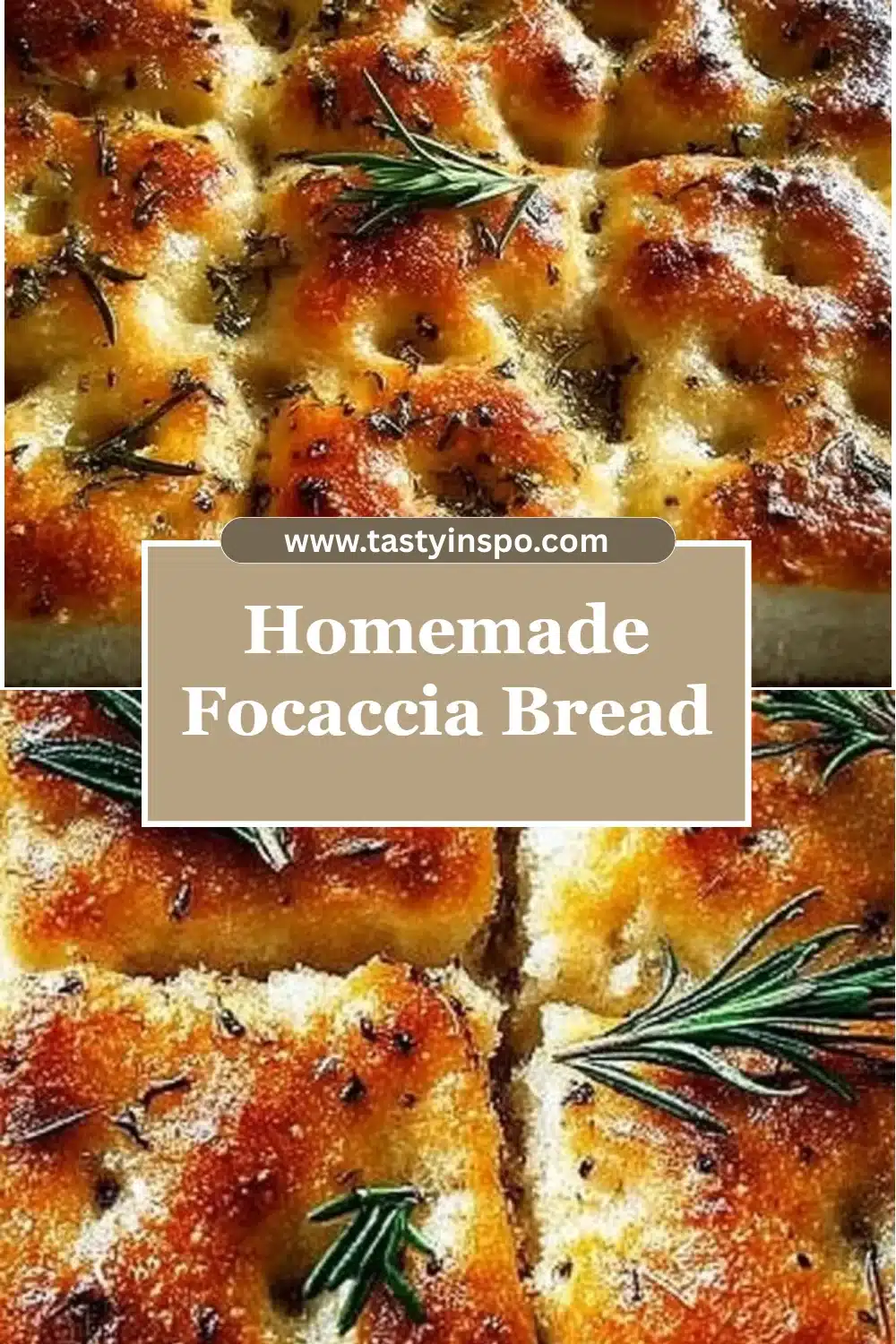
Focaccia Bread

This homemade focaccia bread features a soft and pillowy interior with a crisp, golden crust, perfect for dipping or as a sandwich base.
For the Dough
- 4 cups bread flour (Use all-purpose flour as a substitute if needed.)
- 2 tsp active dry yeast (Instant yeast can also be used.)
- 2 tsp salt (Adjust to taste if needed.)
- 1/4 cup olive oil (Use good quality extra-virgin olive oil for flavor.)
- 1 1/2 cups warm water (Aim for a temperature of 100–110°F (38–43°C).)
- 1 tbsp fresh rosemary (Can be substituted with thyme or other herbs.)
Preparation
- In a large bowl, pour the warm water and sprinkle the active dry yeast over the surface. Let sit for 5 minutes until frothy and bubbly.
- Stir in 1/4 cup olive oil and the salt.
- Gradually add the bread flour, stirring until a sticky dough forms.
- Turn the dough onto a lightly floured surface and knead for about 10 minutes until smooth and elastic.
Rising
- Place the dough in a greased bowl, cover, and let rise in a warm area for about 2 hours or until doubled in size.
- Preheat the oven to 425°F (220°C).
- Punch down the dough and spread it onto a greased baking sheet. Dimple the surface with your fingers.
- Drizzle with olive oil and sprinkle fresh rosemary on top.
- Let the prepared dough rise for another 30 minutes on the baking sheet.
Baking
- Bake in the preheated oven for about 25 minutes or until golden brown on top.
- Remove from the oven and cool slightly on a rack before slicing.
Store baked focaccia wrapped in plastic or in an airtight container for up to 2 days. It can be refrigerated for up to 5 days but is best served fresh.
3. Easy Moist Banana Bread That Stays Soft for Days
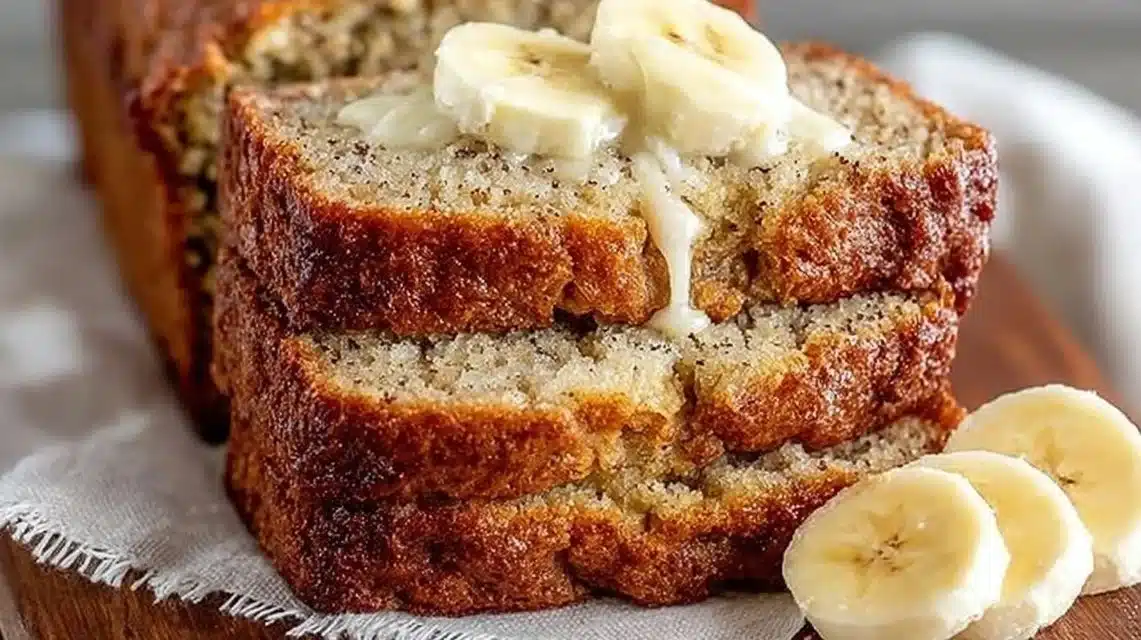
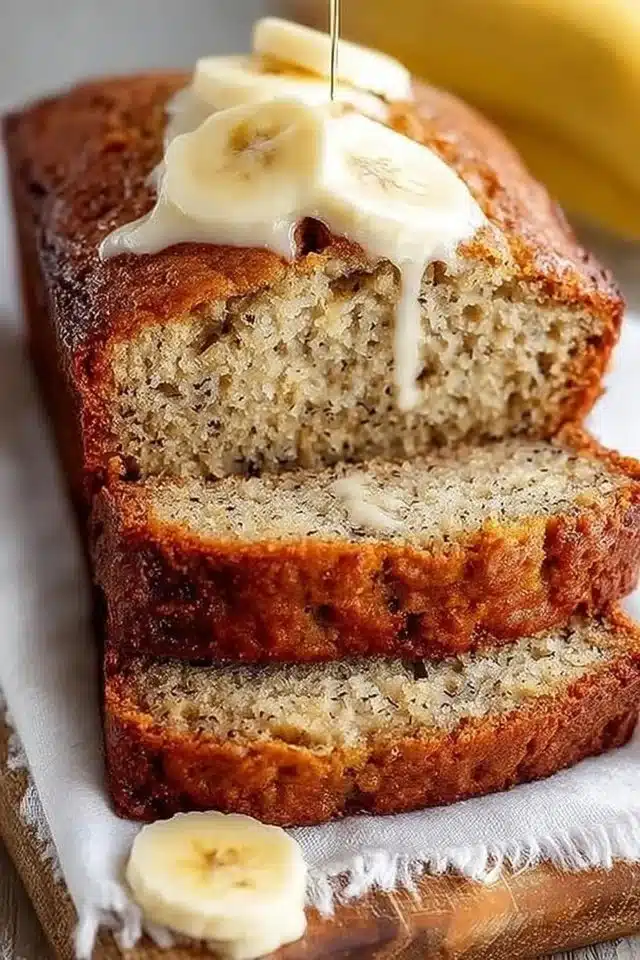
This banana bread is soft, tender, and packed with natural banana flavor. The crumb stays moist without any fuss, and the crust gets a light golden edge that adds a gentle chew. It tastes lightly sweet with warm banana notes and a hint of vanilla, and it slices cleanly for toast, snacking, or a simple dessert. This recipe is easy because it uses a single bowl for mixing and basic pantry ingredients. Serve a warm slice with butter or cream cheese for a quick, cozy treat.
Why You’ll Love This Easy Moist Banana Bread
- One-bowl mixing keeps cleanup fast and simple.
- Uses just 3 ripe bananas for a true banana flavor and built-in moisture.
- No special equipment or hard-to-find ingredients required.
- Reliable bake time: 50–60 minutes for a fully set loaf.
- Balanced sweetness that pairs well with coffee or tea.
- Flexible base that accepts optional add-ins without breaking the texture.
- Great for using overripe bananas and reducing food waste.
- Easy to slice and store; holds moisture for days when wrapped well.
What Is Easy Moist Banana Bread?
Easy Moist Banana Bread is a classic quick bread made with mashed ripe bananas, melted butter, sugar, an egg, and a simple blend of flour and leavening. It tastes sweet but not cloying, with pronounced banana notes and a soft, tender crumb. The crust browns lightly for a pleasing contrast to the moist interior. The cooking method is simple: mix in one bowl, pour into a loaf pan, and bake at 350°F (175°C). The vibe is warm and familiar — great for weekday breakfasts, a relaxed brunch, or a comforting snack.
If you like a chocolate twist, try our easy super moist chocolate chip banana bread for a simple variation that keeps the same moist texture.
Ingredients for Easy Moist Banana Bread
For the Base
- 3 ripe bananas, mashed
- 1/3 cup melted butter
- 3/4 cup sugar
- 1 large egg, beaten
- 1 teaspoon vanilla extract
- 1 teaspoon baking soda
- 1/4 teaspoon salt
- 1 1/2 cups all-purpose flour
These are the full ingredients you need. Keep measurements exact for best texture.
Ingredient Notes (Substitutions, Healthy Swaps)
- Bananas: Use very ripe bananas with brown spots for maximum sweetness and moisture. Less ripe bananas will reduce flavor and sweetness.
- Butter: You can swap melted butter for an equal amount of neutral oil (vegetable or canola) for a slightly softer crumb. Butter gives richer flavor.
- Sugar: White granulated sugar is listed. For a richer note, use light brown sugar in a 1:1 swap. Reduce sugar by 1–2 tablespoons if you prefer less sweet.
- Egg: For an egg-free option, use 1/4 cup applesauce plus 1 tablespoon ground flaxseed mixed with 3 tablespoons water (let sit 5 minutes) — results may be slightly denser.
- Flour: Stick to all-purpose flour for structure. For a whole-wheat swap, replace up to half the flour with whole-wheat flour, but expect a heartier, less tender loaf.
- Salt & Baking Soda: Do not skip these — they balance sweetness and help the loaf rise. If you only have baking powder, use 3 teaspoons (but the flavor and rise will differ).
Step-by-Step Instructions
Follow these steps closely for a moist, even loaf.
Step 1 – Preheat and prepare the pan
Preheat oven to 350°F (175°C). Grease a 9×5-inch loaf pan or line it with parchment paper so the bread lifts out easily.
Visual cue: The oven should be fully preheated before you put the loaf in.
Step 2 – Mash the bananas
In a large bowl, mash the 3 ripe bananas with a fork until mostly smooth with a few small lumps remaining. This keeps some texture and helps moisture distribute evenly.
Step 3 – Add butter, sugar, egg, and vanilla
Stir the 1/3 cup melted butter into the mashed bananas until well combined. Add 3/4 cup sugar, the beaten large egg, and 1 teaspoon vanilla extract. Mix until everything is evenly blended and uniform in color.
Step 4 – Add dry leavening and salt
Sprinkle 1 teaspoon baking soda and 1/4 teaspoon salt over the wet mixture, then stir gently to combine. This helps distribute the baking soda so the bread rises evenly.
Step 5 – Fold in the flour
Add 1 1/2 cups all-purpose flour and stir just until the flour disappears into the batter. Do not overmix; stop when no dry streaks remain. Overmixing develops gluten and can make the bread tough.
Pro cue: A few small lumps in the batter are fine — they melt during baking and keep the crumb tender.
Step 6 – Pour and bake
Pour the batter into the prepared loaf pan and spread it evenly. Bake for 50 to 60 minutes, or until a toothpick inserted into the center comes out clean. Rotate the pan once halfway through baking if your oven has hot spots.
Pro cue: If the top is browning too fast after 40–45 minutes, tent the pan loosely with foil and finish baking.
Step 7 – Cool and slice
Let the banana bread cool in the pan for 10 minutes. Run a knife around the edges if needed, then transfer the loaf to a wire rack to cool completely before slicing. This final rest firms the crumb and makes clean slices.
Pro Tips for Success
- Use very ripe bananas for best flavor and natural sweetness. Brown-spotted bananas are ideal.
- Measure flour properly: spoon into the cup and level off to avoid a dry, dense loaf.
- Melted butter should be warm, not hot, when added to the eggs and banana to prevent cooking the egg.
- Do not overmix once you add flour — mix just until combined.
- Check doneness with a toothpick in the center; if it has a few moist crumbs, it’s done. Wet batter means more baking time.
- If the top browns too much, tent with foil for the last 10–15 minutes.
- Let the loaf cool before slicing; warm centers can seem underbaked but will set as they cool.
- For even slices, chill the loaf for 30 minutes then use a serrated knife in a sawing motion.
Flavor Variations
Each of these is optional and keeps the base intact.
- Banana-Nut (optional): Stir in 1/2 to 3/4 cup chopped walnuts or pecans folded in with the flour. Toast nuts first for more flavor.
- Chocolate Chip (optional): Add 1/2 to 3/4 cup chocolate chips and fold in gently. Reduce sugar slightly if you prefer less sweet.
- Cinnamon Swirl (optional): Mix 2 tablespoons brown sugar with 1 teaspoon ground cinnamon and swirl into batter before baking for a spiced ribbon.
- Blueberry Banana (optional): Fold in 3/4 cup fresh or frozen blueberries tossed in 1 tablespoon flour to prevent sinking.
- Peanut Butter Marble (optional): Drop dollops of 1/4 cup peanut butter on top of batter and swirl gently for a nutty ribbon.
- Oat Crunch Top (optional): Sprinkle 2 tablespoons oats mixed with 1 teaspoon sugar on top before baking for a crunchy top.
Serving Suggestions
- Serve warm with a thin spread of butter or cream cheese for breakfast.
- Slice and serve with a cup of coffee or tea for a simple brunch.
- Make into French toast slices for a weekend treat.
- Offer plain slices at a casual gathering or pack slices into snack boxes.
- Top a slice with a scoop of vanilla ice cream for a quick dessert.
- Use thin slices in sandwiches with almond butter and banana for a grown-up PB&J twist.
Make-Ahead, Storage & Reheating
- Make-ahead: Mix the batter up to 24 hours in advance and refrigerate covered. Bring to room temperature before baking; add 5–10 minutes to bake time if cold.
- Storage (room temp): Wrap cooled banana bread in plastic wrap or store in an airtight container at room temperature for 2–3 days.
- Storage (fridge): Keep wrapped or in a sealed container in the fridge for up to 5 days. Cold storage slows staling but may firm the crumb.
- Reheating: Warm single slices in a toaster oven or microwave for 10–20 seconds to revive softness. For a crisp top, pop slices under a broiler for 30–60 seconds, watching closely.
- Texture notes: Refrigeration can dry bread slightly; always wrap tightly and reheat briefly to restore softness.
Storage and Freezing Instructions
- Freeze whole: Wrap the fully cooled loaf tightly in plastic wrap, then in aluminum foil, and freeze for up to 3 months. Thaw overnight in the fridge or at room temperature for a few hours.
- Freeze slices: Wrap each slice in plastic wrap and store in a freezer bag to pull out single servings. Thaw or reheat from frozen for 20–30 seconds in the microwave.
- Avoid freezing the loaf while still warm — it traps steam and can make the bread soggy.
- If you prefer not to freeze, keep in the fridge and toast slices when needed.
Nutrition Facts (Per Serving)
Calories | Protein | Carbs | Fat | Fiber | Sodium
—|—:|—:|—:|—:|—:
~210 | ~3 g | ~32 g | ~9 g | ~1.5 g | ~160 mg
Estimates vary by brands and portions.
FAQ About Easy Moist Banana Bread
Q: Why is my banana bread too dense?
A: Likely too much flour or overmixing. Measure flour by spooning it into the cup and stop stirring as soon as flour disappears.
Q: Why did my loaf sink in the middle?
A: Underbaked center or too much leavening. Use ripe bananas, measure baking soda correctly, and test with a toothpick.
Q: Why is my bread wet or gummy in the center?
A: It needs more bake time. Check with a toothpick and bake in 5–10 minute increments until done. Allow cooling time; the center firms as it cools.
Q: Can I use frozen bananas?
A: Yes. Thaw, drain excess liquid, and mash. If very watery, drain some liquid to avoid adding excess moisture.
Q: Can I substitute oil for butter?
A: Yes, use an equal amount of neutral oil. The crumb will be slightly different but still moist.
Q: Can I halve the recipe for a smaller loaf?
A: Yes. Use a small loaf pan and reduce baking time; start checking at 30–35 minutes.
TastyInspo Notes
- Slice with a serrated knife in a gentle sawing motion for clean pieces.
- For a glossy top, brush a little melted butter over the warm loaf right out of the oven.
- Toast thin slices and spread with ricotta and honey for a light dessert.
- For an even bake, let the batter sit 5 minutes before putting in oven to relax air pockets.
- If you like a crunchy top, sprinkle a teaspoon of coarse sugar on the batter before baking.
Troubleshooting
- Bland flavor: Use riper bananas and add vanilla; consider a touch of brown sugar for depth.
- Overcooked or dry: Reduce bake time slightly and tent with foil in the final minutes to avoid over-browning.
- Watery batter: Drain excess liquid from overripe bananas or reduce added liquid if using swaps.
- Burning edges: Use an oven thermometer and line pan with parchment to protect sides; tent with foil if needed.
- Sinking center: Ensure accurate baking soda amount and full bake time; avoid opening the oven early.
- Crumbly texture: Check flour measurement and avoid overbaking; a little underbake is better than dry.
Final Thoughts
This Easy Moist Banana Bread delivers a dependable, soft loaf using simple steps and everyday ingredients. It’s forgiving, quick to make, and cozy on any table — perfect for busy mornings or casual gatherings. Try it plain first to learn the texture, then add optional mix-ins to match your taste.
Conclusion
For a visual guide to technique and texture, watch the Moist Banana Bread Recipe (VIDEO) – NatashasKitchen.com which shows the steps in action and tips that match the method used here.

Easy Moist Banana Bread

This banana bread is soft, tender, and packed with natural banana flavor, making it a perfect treat for breakfast or dessert.
For the Base
- 3 ripe bananas, mashed (Use very ripe bananas with brown spots for maximum sweetness and moisture.)
- 1/3 cup melted butter (You can swap melted butter for an equal amount of neutral oil for a slightly softer crumb.)
- 3/4 cup sugar (White granulated sugar is listed; for a richer note, use light brown sugar.)
- 1 large egg, beaten (For an egg-free option, use 1/4 cup applesauce plus 1 tablespoon ground flaxseed mixed with water.)
- 1 teaspoon vanilla extract
- 1 teaspoon baking soda (Don’t skip, as it helps the loaf rise.)
- 1/4 teaspoon salt (Balances sweetness.)
- 1 1/2 cups all-purpose flour (Stick to all-purpose flour for structure.)
Preparation
- Preheat oven to 350°F (175°C). Grease a 9×5-inch loaf pan or line it with parchment paper.
- In a large bowl, mash the ripe bananas with a fork until mostly smooth with a few small lumps remaining.
- Stir the melted butter into the mashed bananas until well combined.
- Add sugar, beaten egg, and vanilla extract. Mix until evenly blended.
- Sprinkle baking soda and salt over the wet mixture, then stir gently to combine.
- Add flour and stir just until the flour disappears into the batter. Do not overmix.
- Pour the batter into the prepared loaf pan and spread evenly.
- Bake for 50 to 60 minutes, or until a toothpick inserted into the center comes out clean. Rotate the pan halfway through baking if needed.
- Let the banana bread cool in the pan for 10 minutes before transferring to a wire rack to cool completely.
Serve warm with butter or cream cheese, and enjoy for breakfast or as a snack. For best results, use very ripe bananas and avoid overmixing the batter.
4. Italian Herbs and Cheese Bread Easy Copycat Recipe
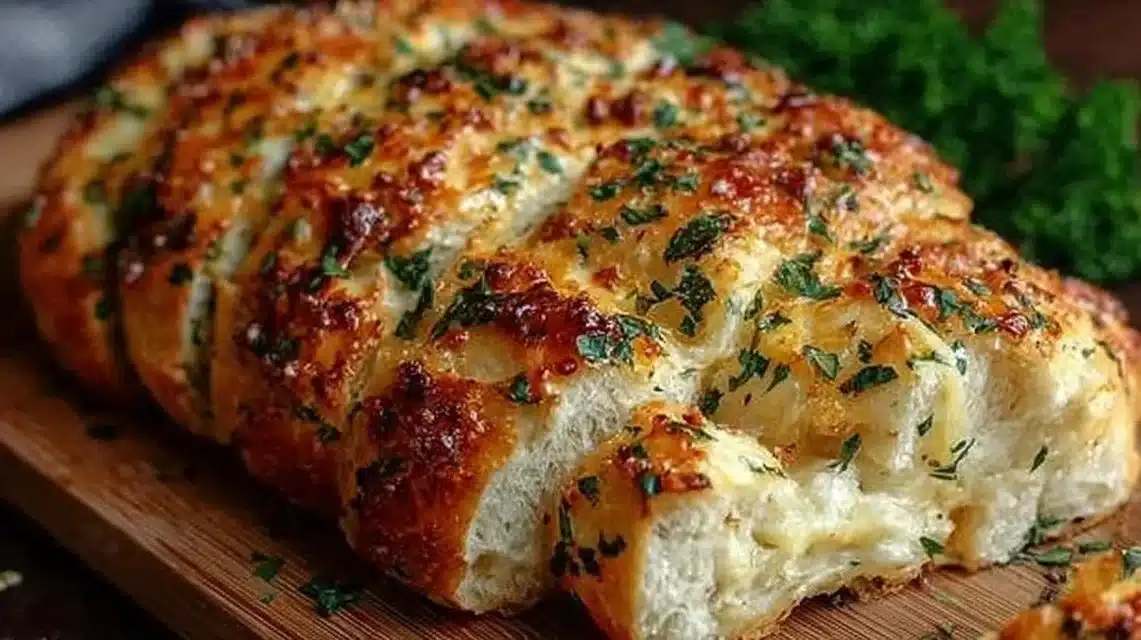
This Italian Herbs and Cheese Bread is soft inside, crisp on the outside, and bursting with savory herb and cheese flavor in every slice. The crust browns to a golden crisp while the interior stays tender thanks to a simple dough and a short steam bake. It’s easy because the recipe uses basic pantry ingredients and one straightforward rise—no complicated techniques. Serve it warm with olive oil and balsamic, use it for hearty sandwiches, or serve alongside soup for a satisfying weeknight meal. For a different sandwich idea, try pairing it with the best French dip sliders with melty cheese and roast beef for a melty, herb-forward twist.
Why You’ll Love This Italian Herbs and Cheese Bread
- Hands-off main rise: mix, knead, and let the dough double — simple timing, minimal fuss.
- Rich herb flavor: 2 tablespoons of dried Italian herbs give bright, savory notes in every bite.
- Cheese baked in: mozzarella and Parmesan create pockets of gooey melt and salty crunch.
- Crispy crust with soft crumb: a high oven temp and steam pan give a bakery-style finish.
- Flexible uses: slice for sandwiches, serve with soups, or as a party bread with dips.
- Uses pantry staples: all-purpose flour, yeast, basic seasonings — no specialty flours needed.
- Quick second rise: shape and rise for 30 minutes, then bake — fast for homemade bread.
- Easy scale and variations: optional add-ins and swaps make it adaptable to taste and diet.
What Is Italian Herbs and Cheese Bread?
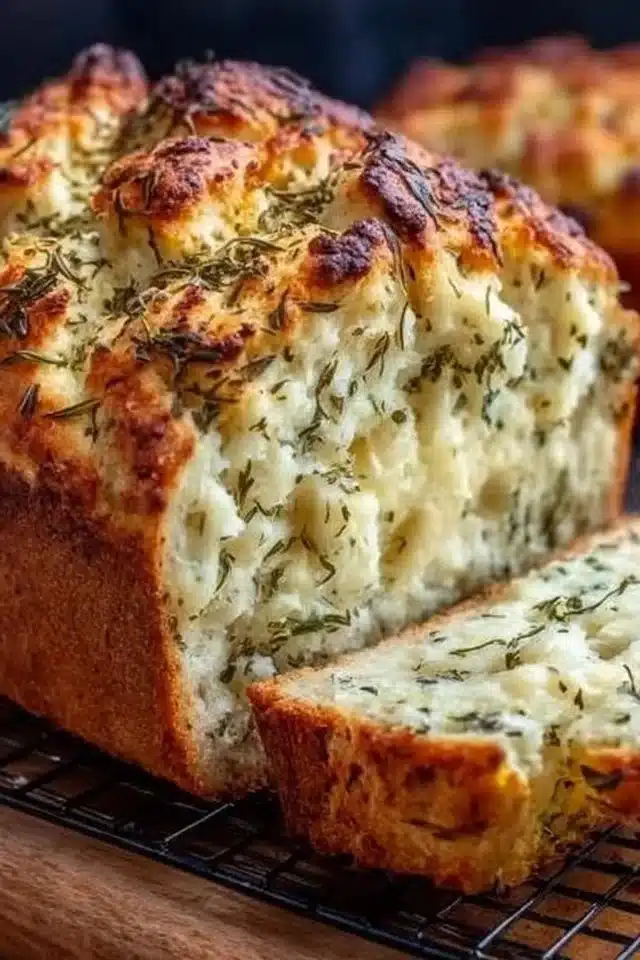
Italian Herbs and Cheese Bread is a rustic yeast loaf that mixes dried Italian herbs and two cheeses directly into the dough. The taste is herby and savory with mild milky notes from shredded mozzarella and a sharp, salty edge from grated Parmesan. The texture balances a thin, crisp crust with a soft, slightly chewy interior that holds the pockets of melted cheese. It’s baked on a high heat with steam in the oven to get that golden crust and open crumb. This loaf feels like comfort food but is quick enough for weeknight baking and elegant enough for brunch or dinner sides.
Ingredients for Italian Herbs and Cheese Bread
Main Ingredients
- 4 cups all-purpose flour
- 1 packet (2¼ teaspoons) active dry yeast
- 1¾ cups warm water (about 110°F)
- 1 tablespoon salt
- 1 tablespoon sugar
- 2 tablespoons dried Italian herbs (like basil, oregano, thyme, and rosemary)
- 1 cup shredded mozzarella cheese
- ½ cup grated Parmesan cheese
- Extra flour for dusting
Ingredient Notes (Substitutions, Healthy Swaps)
- Yeast: Active dry yeast works as listed. If you only have instant yeast, reduce the amount by about 25% and mix it directly with the flour.
- Flour: All-purpose gives the right balance of chew and tenderness. For a slightly softer loaf, swap up to half the flour for bread flour. For whole-grain, replace up to 1 cup with whole wheat flour (expect denser crumb).
- Herbs: Use a single dried herb if that’s what you have (oregano or basil) — or use 1 tablespoon fresh herbs in place of 2 tablespoons dried (optional).
- Cheeses: Mozzarella gives melt; Parmesan adds sharpness. For a lighter sodium option, use low-sodium Parmesan or reduce to 1/3 cup. For a richer taste, add 1/2 cup shredded sharp provolone (optional).
- Sugar: The small amount feeds the yeast; you can swap honey in the same quantity by weight but reduce water slightly if very liquid.
- Dairy-free option: Use dairy-free shredded mozzarella and a dairy-free hard cheese substitute for similar texture (optional, but the flavor will change).
Step-by-Step Instructions
Step 1 – Activate the yeast
In a large mixing bowl, combine the warm water (about 110°F), 1 tablespoon sugar, and the yeast. Stir lightly and let sit for about 5 minutes until the surface becomes frothy.
Visual cue: The mixture should look bubbly and slightly foamy. If nothing happens after 7–10 minutes, the yeast may be dead — start over with fresh yeast.
Step 2 – Mix the dough
Add 4 cups all-purpose flour, 1 tablespoon salt, 2 tablespoons dried Italian herbs, 1 cup shredded mozzarella, and ½ cup grated Parmesan to the yeast mixture. Stir until a sticky dough forms and all ingredients are combined.
Step 3 – Knead the dough
Turn the dough out onto a floured surface and knead for about 8–10 minutes until smooth and elastic. Add a little extra flour for dusting only if the dough is too sticky to handle.
Pro cue: The dough should be tacky but not cling to your fingers. A smooth, slightly springy surface means you’re done kneading.
Step 4 – First proof
Place the kneaded dough in a greased bowl, turning once so the top is lightly oiled. Cover with a clean kitchen towel and let rise in a warm place for about 1–2 hours, or until it doubles in size.
Step 5 – Shape and second rise
Punch down the risen dough to release air. Shape it into a loaf or place it in a greased bread pan. Cover and let rise again for 30 minutes.
Step 6 – Preheat and steam
Preheat your oven to 450°F (230°C). Place a shallow pan of water at the bottom of the oven to create steam — this helps a crisp crust form while keeping the inside moist.
Step 7 – Bake
Bake the bread for 25–30 minutes or until golden brown. It should sound hollow when tapped. The internal temperature should reach 200–210°F. Remove from oven and cool on a wire rack before slicing.
Visual cue: The crust turns a deep golden color and the bottom sounds hollow when tapped.
Pro cue: Use an instant-read thermometer in the center for a reliable doneness check (200–210°F).
Pro Tips for Success
- Measure flour by spooning into the cup and leveling with a knife to avoid dry, heavy dough.
- Keep water around 110°F for proper yeast activation; too hot will kill the yeast, too cold will slow it.
- Use a warm, draft-free spot (like an oven with just the light on) for consistent rising.
- Watch the second rise — overproofing can lead to a flat loaf. Shape and bake when slightly puffed.
- Add steam during the first minutes of baking to help the crust form; remove the water pan after 10–12 minutes if you want a thicker crust.
- Rotate the pan halfway through baking for even browning if your oven has hot spots.
- Let the loaf cool at least 20 minutes before slicing to set the crumb and prevent a gummy texture.
Flavor Variations
- Optional: Sun-dried tomato and basil — fold 1/3 cup chopped sun-dried tomatoes into the dough and use extra basil.
- Optional: Garlic and herb — add 1–2 teaspoons garlic powder to the dry ingredients and brush the top with olive oil before baking.
- Optional: Olive and rosemary — fold 1/2 cup chopped pitted olives and 1 tablespoon extra chopped rosemary into the dough.
- Optional: Spicy kick — add 1 teaspoon red pepper flakes to the dry mix for heat.
- Optional: Honey and herb — substitute the sugar for honey and add 1 teaspoon finely grated lemon zest for a sweet-herb contrast.
- Optional: Seeded top — brush top with water and press sesame or poppy seeds before the second rise.
Serving Suggestions
- Slice thick and serve warm with extra-virgin olive oil and a splash of balsamic vinegar.
- Use as sandwich bread for hot Italian-style or grilled veggie sandwiches.
- Pair with a tomato basil soup or creamy bisque for a comforting meal.
- Serve alongside a cheese board — the bread’s herbs and cheeses echo the cheeses on the board.
- Toast slices and top with avocado and chili flakes for a savory breakfast.
- Cut into chunks and use for herb bread croutons or warm bread salad (panzanella).
Make-Ahead, Storage & Reheating
- Make-ahead: You can prepare the dough the night before and refrigerate it after the first rise. Punch down and shape in the morning, then allow the 30-minute second rise before baking.
- Storage: Store leftover bread wrapped tightly at room temperature for up to 2 days in a cool, dry place. For longer storage, refrigerate in an airtight container up to 4 days (note: refrigeration can dry bread).
- Reheating best practice: Rewarm slices in a 350°F oven for 5–7 minutes or toast slices. For a fresh-crust feel, mist lightly with water and bake 3–5 minutes.
- Texture changes: Refrigeration will firm the crumb and dry the crust; reheating helps restore softness and crisp the crust.
Storage and Freezing Instructions
- Freezing whole loaf: Wrap tightly in plastic wrap and then aluminum foil to prevent freezer burn. Freeze up to 3 months. Thaw overnight in the fridge, then rewarm in a 350°F oven for 10–15 minutes.
- Freezing slices: Place parchment between slices, wrap in plastic, and freeze in a resealable bag for easy single-serve thawing. Toast or reheat directly from frozen.
- If you don’t want to freeze: Make smaller loaves and use within 2–3 days to avoid waste. Freezing is recommended for best long-term quality.
Nutrition Facts (Per Serving)
Calories | Protein | Carbs | Fat | Fiber | Sodium
— | —: | —: | —: | —: | —:
220 | 8 g | 28 g | 9 g | 2 g | 520 mg
Estimates vary by brands and portions.
FAQ About Italian Herbs and Cheese Bread
How can I tell if the yeast is active?
If the yeast mixture becomes frothy and bubbly within 5–10 minutes, it’s active. If not, discard and try fresh yeast.My dough is too sticky — what do I do?
Dust your hands and work surface with a small amount of flour and knead a little longer. Avoid adding too much flour; the dough should remain slightly tacky.Why did my bread collapse after baking?
Likely overproofing (the dough rose too long) or the loaf was underbaked. Check proofing times and oven temperature next time.Can I knead by hand or use a stand mixer?
Both work. Knead by hand for 8–10 minutes or mix with a dough hook on medium-low for about 6–8 minutes.What if the top browns too fast?
Cover loosely with foil for the remaining bake time and finish until internal temperature reaches 200–210°F.Can I use fresh herbs instead of dried?
Yes — use about 1 tablespoon fresh for every 2 tablespoons dried. Chop finely and fold into the dough.
TastyInspo Notes
- Finish with a light brush of olive oil and a sprinkle of flaky sea salt for an elegant touch.
- For even melt distribution, fold the shredded mozzarella in last so it doesn’t clump.
- Score the top with a sharp blade before the second rise to control expansion and create a rustic look.
- Use a thermometer to avoid guesswork — internal temp of 200–210°F is the best doneness guide.
- Serve warm with small bowls of flavored olive oils (rosemary, chili) for dipping.
Troubleshooting
- Bland flavor: Increase herbs slightly next time or add a pinch more salt to the dough.
- Dry crumb: Reduce flour slightly and avoid overbaking; check oven temperature with an oven thermometer.
- Soggy bottom: Ensure the oven is fully preheated and the loaf is baked until internal temp reaches 200–210°F.
- Heavy or dense loaf: Likely under-kneaded or over-measured flour; knead until elastic and measure flour properly.
- No rise: Yeast may be old or water too hot/cold. Test yeast first and keep water around 110°F.
- Burnt crust with raw center: Oven hot spots or uneven baking. Rotate loaf and check internal temp early.
Conclusion
This Italian Herbs and Cheese Bread gives you a quick route to a golden, savory loaf that pairs with nearly any meal. It’s straightforward to make, easy to adapt, and delivers satisfying herb and cheese flavor in every slice—perfect for family dinners or an elevated sandwich base. For a copycat take on a similar herb-and-cheese-style loaf, see this helpful recipe for a Subway-style version at Subway Bread Recipe (Italian Herb and Cheese Copycat).

Italian Herbs and Cheese Bread

This soft, rustic bread features a crispy crust and a tender interior bursting with savory herb and cheese flavors, perfect for sandwiches or serving alongside soups.
Main Ingredients
- 4 cups all-purpose flour (For a softer loaf, swap up to half for bread flour.)
- 1 packet active dry yeast (2¼ teaspoons) (If using instant yeast, reduce by 25%.)
- 1¾ cups warm water (About 110°F for proper yeast activation.)
- 1 tablespoon salt
- 1 tablespoon sugar (Can substitute with honey.)
- 2 tablespoons dried Italian herbs (Use a mix of basil, oregano, thyme, and rosemary.)
- 1 cup shredded mozzarella cheese (Can substitute with dairy-free cheese if desired.)
- ½ cup grated Parmesan cheese (For a lower sodium option, use low-sodium Parmesan.)
- Extra flour for dusting
Preparation
- In a large mixing bowl, combine warm water, sugar, and yeast. Stir lightly and let sit for about 5 minutes until frothy.
- Add flour, salt, dried herbs, mozzarella, and Parmesan to the yeast mixture. Stir until a sticky dough forms.
- Turn the dough out onto a floured surface and knead for 8–10 minutes until smooth and elastic.
- Place the kneaded dough in a greased bowl, cover, and let rise in a warm place for about 1–2 hours, or until doubled in size.
- Punch down the risen dough and shape it into a loaf or place it in a greased bread pan. Cover and let rise again for 30 minutes.
Baking
- Preheat your oven to 450°F (230°C) and place a shallow pan of water at the bottom to create steam.
- Bake the bread for 25–30 minutes until golden brown and hollow-sounding when tapped. The internal temperature should reach 200–210°F.
- Cool on a wire rack before slicing.
Serve warm with olive oil and balsamic vinegar, or slice for hearty sandwiches and soups. Can be adapted with additional ingredients like sun-dried tomatoes, spices, or different cheeses.
5. Butter Chicken Flatbread for a Flavor Packed Dinner

Butter Chicken Flatbread is a delicious fusion of tender, spiced chicken served atop warm, freshly made flatbreads. This dish combines the rich flavors of traditional butter chicken with the satisfying chew of homemade flatbread, making it a comforting option for any meal of the day. It’s special because it brings restaurant-quality taste right into your kitchen without requiring any culinary expertise. Perfect for a weeknight dinner or a casual weekend gathering, this flatbread is sure to impress your family and friends. Try it with a side of yogurt dip for an extra layer of flavor!
Why You’ll Love This Butter Chicken Flatbread
- Easy to Prepare: In just a few steps, you can create a mouthwatering meal.
- Flavorful Comfort: The combination of butter chicken and fresh flatbread is irresistibly comforting.
- Customizable: Add your favorite toppings or adjust spices to suit your tastes.
- Perfect for Any Occasion: Ideal for weeknight dinners, brunch, or casual gatherings.
- Family-Friendly: Kids love this tasty twist on a classic dish.
- Quick Cooking Time: Get a hearty meal on the table in under 30 minutes.
What Is Butter Chicken Flatbread?
Butter Chicken Flatbread is a delightful dish that presents the essence of Indian butter chicken on a light and fluffy flatbread. The flatbread acts as a base, soaking up the creamy and spiced butter chicken sauce, delivering a satisfying bite. The cooking method utilizes a skillet, which speeds up preparation while ensuring the flatbreads are perfectly cooked. This dish is ultimate comfort food, making it a great go-to for a cozy weeknight dinner or enjoyable brunch.
Ingredients for Butter Chicken Flatbread
For the Base
- 2 cups all-purpose flour
- 1 tsp salt
- 1 tsp baking powder
- 1/2 cup water
- 2 tbsp olive oil
For the Sauce
- 2 cups butter chicken (prepared)
To Serve
- Fresh cilantro (for garnish)
Ingredient Notes (Substitutions, Healthy Swaps)
- Flour: You can use whole wheat flour for a healthier option, but expect a different texture.
- Olive Oil: Swap with melted butter or ghee for a richer flavor.
- Butter Chicken: Homemade or store-bought versions work well. For a vegetarian option, try using paneer or chickpeas in a similar sauce.
- Toppings: Fresh herbs like mint or green onions can add a fresh note.
Step-by-Step Instructions
Step 1 – Mix the Dry Ingredients
In a mixing bowl, combine the all-purpose flour, salt, and baking powder.
Visual cue: Ensure there are no lumps in the dry ingredients.
Step 2 – Form the Dough
Gradually add the water and olive oil to the dry mix, stirring until a soft dough forms.
Pro cue: Aim for a dough that’s slightly sticky but manageable.
Step 3 – Knead the Dough
Transfer the dough to a floured surface and knead for about 5 minutes until it becomes smooth and elastic.
Step 4 – Shape the Flatbreads
Divide the dough into small balls, then roll each ball into flatbreads of your desired thickness.
Step 5 – Cook the Flatbreads
Heat a skillet over medium-high heat. Cook each flatbread for 2–3 minutes on each side until golden brown.
Pro cue: Bubbles will form on the surface when they are ready to flip.
Step 6 – Prepare to Serve
Top each warm flatbread with the prepared butter chicken and garnish with fresh cilantro.

Pro Tips for Success
- Ensure your dough is not overworked; this keeps the flatbreads tender.
- Use a hot skillet for nice charring on the bread, which enhances flavor.
- Let the flatbreads cool on a wire rack to maintain their softness.
- Experiment with the thickness of the flatbread; thinner breads will be crispier, while thicker ones are chewier.
- Always taste your butter chicken before serving; adjust seasoning if necessary.
Flavor Variations
- Spicy Version: Add crushed red pepper or chili powder to the butter chicken for a heat boost.
- Cheesy Flatbread: Sprinkle shredded cheese on the flatbread before the butter chicken for a melty finish.
- Veggie Delight: Incorporate sautéed vegetables like bell peppers or spinach into the butter chicken.
- Herbed Flatbread: Mix fresh herbs like chopped basil or parsley into the dough for an aromatic twist.
Serving Suggestions
- Pair with cucumber yogurt sauce for a refreshing contrast.
- Serve with a side salad for added crunch and freshness.
- Use as a base for other toppings, such as grilled meats or roasted vegetables.
- Great for casual dining; allow guests to build their own flatbread with toppings.
Make-Ahead, Storage & Reheating
- Make-Ahead: Prepare the dough and store it wrapped in plastic wrap in the refrigerator for up to 24 hours.
- Storage: Cooked flatbreads can be kept in an airtight container in the fridge for up to 3 days.
- Reheating: Warm flatbreads in a skillet or the microwave just until heated through. Avoid prolonged heating to prevent dryness.
Storage and Freezing Instructions
- Flatbreads can be frozen in a single layer, then transferred to a zip-top bag for up to 2 months. This maintains quality.
- Butter chicken can also be frozen, making it convenient for future meals. Simply reheat on the stovetop or in the microwave when ready to serve.
Nutrition Facts (Per Serving)
| Calories | Protein | Carbs | Fat | Fiber | Sodium |
|———-|———|——-|—–|——-|——–|
| 430 | 22g | 58g | 14g | 3g | 680mg |
Estimates vary by brands and portions.
FAQ About Butter Chicken Flatbread
Why is my dough too sticky?
A sticky dough can be adjusted by adding a little more flour until you achieve the right consistency.How thick should I roll the flatbreads?
It’s best to roll them about 1/4 inch thick for a good balance between chewy and crispy.What if my butter chicken is too watery?
Simmer it longer to thicken the sauce or stir in a cornstarch slurry to achieve a creamier consistency.Can I use store-bought flatbreads?
Yes, using pre-made flatbreads can save time, but they may not have the same texture as homemade.How do I know if the flatbreads are done?
Look for a golden-brown color and bubbles forming on the surface. They should feel firm yet soft.What kind of sides go well with this dish?
Consider serving with rice, a fresh salad, or roasted vegetables for a complete meal.
TastyInspo Notes
- For an elevated presentation, sprinkle microgreens atop each flatbread.
- A drizzle of lime juice can brighten the flavors before serving.
- Serve with a small dish of mango chutney for a delicious contrast.
- To save time, prepare the butter chicken in a slow cooker for an easy shortcut.
Troubleshooting
- Bland Flavor: Always taste the butter chicken; adding salt or spices can elevate the dish.
- Overcooked Flatbread: If they burn, reduce the heat and keep an eye on cooking time.
- Dough Not Rising: Ensure the baking powder is fresh; old ingredients won’t work effectively.
- Watery Sauce: Thicken with cornstarch or simmer for a longer time without a lid.
Final Thoughts
Butter Chicken Flatbread provides a perfect blend of flavor, comfort, and convenience. You’ll love how easy it is to prepare this delicious meal, making it a fantastic option for any day of the week. Enjoy the bold flavors and comforting textures this dish offers!
Conclusion
If you’re looking for more variations or inspirations, check out this easy butter chicken flatbread recipe for additional tips.
Butter Chicken Flatbread

Butter Chicken Flatbread is a delicious fusion of tender, spiced chicken served atop warm, freshly made flatbreads, combining rich flavors of traditional butter chicken with comforting flatbread.
For the Flatbread
- 2 cups all-purpose flour (You can use whole wheat flour for a healthier option, but expect a different texture.)
- 1 tsp salt
- 1 tsp baking powder
- 1/2 cup water
- 2 tbsp olive oil (Swap with melted butter or ghee for a richer flavor.)
For the Topping
- 2 cups butter chicken (prepared) (Homemade or store-bought versions work well. For a vegetarian option, try using paneer or chickpeas in a similar sauce.)
- Fresh cilantro (for garnish)
Preparation
- In a mixing bowl, combine the all-purpose flour, salt, and baking powder.
- Gradually add the water and olive oil to the dry mix, stirring until a soft dough forms.
- Transfer the dough to a floured surface and knead for about 5 minutes until it becomes smooth and elastic.
- Divide the dough into small balls, then roll each ball into flatbreads of your desired thickness.
Cooking
- Heat a skillet over medium-high heat. Cook each flatbread for 2–3 minutes on each side until golden brown.
- Top each warm flatbread with the prepared butter chicken and garnish with fresh cilantro.
Ensure your dough is not overworked; this keeps the flatbreads tender. Experiment with the thickness of the flatbread; thinner breads will be crispier, while thicker ones are chewier.
6. Homemade Bread (Easy No-Fail Recipe for Beginners)
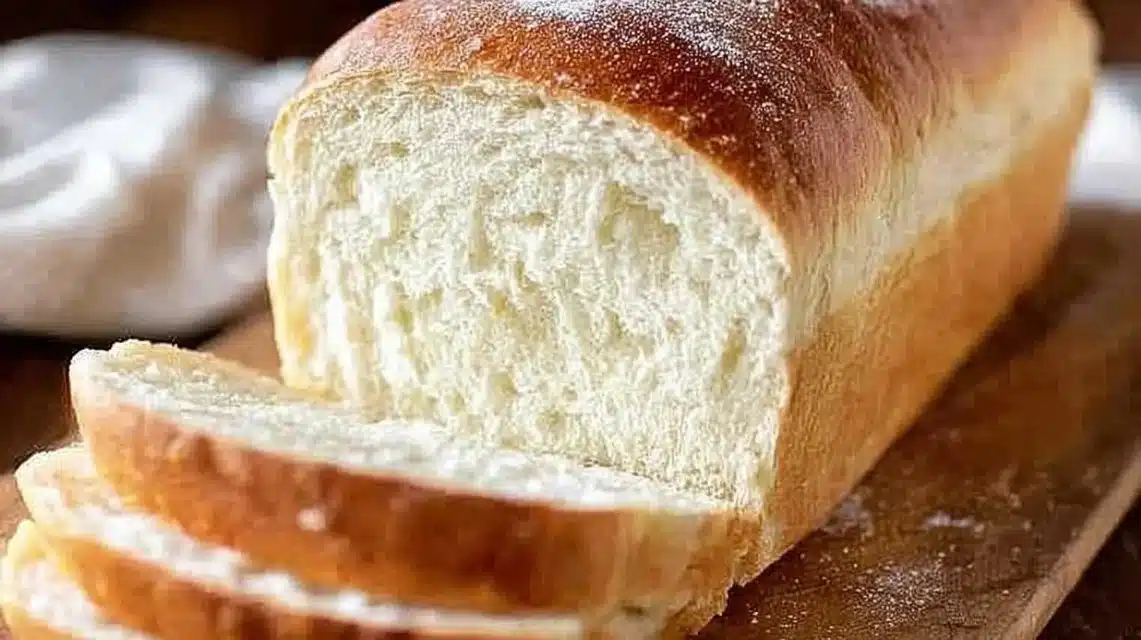
This bread bakes up with a thin, golden crust and a soft, springy crumb that tears into warm, pillowy slices. The honey (or sugar) adds a light sweetness while the oil keeps the loaf tender and moist for several days. It’s an easy, reliable everyday loaf you can make with common pantry staples and a little time for two rises. Slice it for sandwiches, toast it for breakfast, or serve warm with butter and jam. If you want a different quick loaf idea, try a similar method with our cinnamon swirl banana bread for a sweet morning treat.
Why You’ll Love This Homemade Bread
- Simple pantry ingredients you likely already have on hand.
- A soft, slightly chewy crumb perfect for sandwiches and toasting.
- Honey or sugar option to control sweetness and flavor.
- Oil keeps the loaf moist so it stays fresh for days.
- Two short rises develop flavor without complicated steps.
- Works with all-purpose or bread flour depending on what you have.
- Hands-on kneading is short — 4–8 minutes total — or let a stand mixer do the work.
- No specialty equipment required beyond a bowl and two 9×5" loaf pans.
What Is Homemade Bread?
Homemade bread here means a classic white-style loaf made from yeast, water, a sweetener, oil, salt, and flour. It tastes mildly sweet and wheaty with a soft interior and a light crust. The method uses active dry yeast that is first proofed, a short mixing and kneading period, then two rises before baking in 9×5" pans. The vibe is simple comfort food — weeknight sandwiches, weekend toast, brunch, or a warm loaf next to soup. It’s approachable for beginner bakers and easy to scale or adapt.
Ingredients for Homemade Bread
For the Dough
- 2 cups warm water (105-115 degrees) ((474g))
- 1 Tablespoon active dry yeast*
- 1/4 cup honey or sugar ((85g honey, 50g sugar))
- 2 teaspoons salt
- 2 Tablespoons oil (canola or vegetable) ((30 ml))
- 4 – 5 1/2 cups all-purpose or bread flour* ((500g-688g))
Notes: Use the honey measurement if using honey (85g), or the sugar measurement if using sugar (50g). The flour range allows for small adjustments based on humidity and flour type.
Ingredient Notes (Substitutions, Healthy Swaps)
- Yeast: Active dry yeast is listed. Instant yeast can be used at the same amount but skip the initial proof step; instead add yeast directly to the dry ingredients and increase water by a tablespoon if dough seems stiff.
- Sweetener: Swap honey for sugar using the quantities given. For a milder flavor, use light corn syrup or maple syrup in the same weight as honey (about 85g).
- Oil: Use canola, vegetable, or light olive oil. For a richer flavor, substitute melted butter (same volume).
- Flour: Bread flour gives more chew and rise; all-purpose works fine for a softer crumb. If using whole wheat, substitute up to 25% of the flour and add an extra tablespoon or two of water.
- Salt: Keep the listed salt amount for flavor and proper yeast activity. For low-sodium diets, reduce to 1 teaspoon but note flavor will be milder.
- Gluten-free: This recipe is not set up for gluten-free flours without significant changes (different binders and proportions needed).
Step-by-Step Instructions
Step 1 – Proof the yeast
In a large bowl or the bowl of a stand mixer, add the yeast, warm water (105–115°F), and a small pinch of the sugar or honey. Let sit 5–10 minutes until foamy and bubbly. This confirms the yeast is active.
Visual cue: The mixture should form a frothy layer on top; no foam means the yeast is inactive.
Step 2 – Mix the dough
Add the remaining sugar or honey, salt, oil, and 3 cups of flour to the yeast mixture. Stir to combine into a rough batter. Add another cup of flour and mix again until the dough starts to come together.
Visual cue: Dough will be sticky but should begin to pull away from the bowl.
Step 3 – Add flour to reach the right texture
With the mixer running (or by hand), add more flour ½ cup at a time until the dough pulls away from the sides. The dough should be smooth, elastic, and slightly tacky but not overly sticky. If mixing by hand, work on a lightly floured surface.
Pro cue: Aim for dough that clings slightly to a clean finger but doesn’t leave a lot of residue.
Step 4 – Knead the dough
Knead the dough for 4–5 minutes on medium speed in a stand mixer, or 5–8 minutes by hand until elastic and slightly springy.
Visual cue: Dough becomes smooth and holds its shape when stretched.
Step 5 – First rise
Grease a large bowl with oil or spray. Place the dough in the bowl, turning to coat all sides. Cover with a dish towel or plastic wrap and let rise in a warm spot until doubled, about 1 1/2 hours.
Pro cue: A warm oven (turned off) with the light on makes a great spot; avoid drafts.
Step 6 – Shape and second rise
Punch the dough down to remove large air bubbles. Divide into two equal portions. Shape each portion into a long log and place into two greased 9×5" loaf pans (line bottoms with parchment if desired). Cover with a dry towel or lightly sprayed plastic wrap and let rise about 45 minutes to 1 hour, until the dough rises about 1" above the pans.
Step 7 – Bake and cool
Preheat oven to 350°F. Bake for 30–33 minutes until golden brown on top. Tap the top — it should sound hollow. Remove from pans, invert onto a wire rack, brush the tops with butter, and cool at least 10 minutes before slicing.
Visual cue: Golden top and hollow sound indicate doneness.

Pro Tips for Success
- Check water temperature: 105–115°F is ideal — too hot kills yeast, too cool slows it.
- Measure flour by weight (500g–688g) or spoon and level dry measuring cups to avoid dense loaves.
- Don’t over-flour: add flour gradually; dough should remain slightly tacky.
- Proof in a warm, draft-free spot; if your kitchen is cool, use the oven with only the light on.
- Use the dough’s feel, not the clock: doubled size for first rise, about 1" above pan for the second.
- Brush with melted butter right after baking for soft, flavorful crust.
- If your crust browns too quickly, tent with foil for the last 10 minutes of baking.
Flavor Variations
- OPTIONAL: Garlic-Herb — Mix 1–2 teaspoons garlic powder and 1 tablespoon mixed dried herbs into the flour.
- OPTIONAL: Honey-Butter Swirl — Brush the dough lightly with melted butter and a teaspoon of honey before the second rise for a sweeter crust.
- OPTIONAL: Seeded Top — Brush loaves with water and sprinkle sesame, poppy, or mixed seeds before baking.
- OPTIONAL: Cinnamon-Sugar Twist — For a light sweet bread, spread a thin layer of butter and sprinkle a mixture of 2 tbsp sugar + 1 tsp cinnamon before shaping.
- OPTIONAL: Olive & Rosemary — Fold in 1/2 cup chopped olives and 1 tablespoon chopped fresh rosemary during the last stage of kneading.
Serving Suggestions
- Classic sandwich bread: cool completely, slice, and use for deli-style sandwiches.
- Toast and butter: slice thick, toast, and spread with butter or jam for breakfast.
- Soup and stew companion: serve warm slices with hearty soups or stews.
- French toast: use day-old slices for a rich French toast batter.
- Bruschetta base: slice, toast, rub with garlic, drizzle with olive oil, and top with tomato.
- Bread basket: warm slices brushed with herb butter for a dinner table centerpiece.
Make-Ahead, Storage & Reheating
- Make-ahead: Dough can be bulk-proofed in the fridge overnight (slow rise) — shape and let rise in pans before baking the next day.
- Storage: Store cooled loaves in an airtight bag at room temperature for 2–3 days. For slightly longer, keep in the refrigerator up to 5 days.
- Reheating: Reheat slices in a toaster or warm a whole loaf wrapped in foil at 300°F for 10–15 minutes. For a quick refresh, microwave a slice 10–12 seconds then toast.
- Texture note: Refrigeration can dry bread slightly; reheat or toast to restore softness.
Storage and Freezing Instructions
- To freeze: Cool loaves completely. Wrap each loaf tightly in plastic wrap and then in foil or place in a freezer bag. Freeze up to 3 months.
- Thawing: Thaw at room temperature for several hours or overnight in the fridge. Rewarm in a 325°F oven for 10–15 minutes wrapped in foil.
- If freezing slices: Place parchment between slices or freeze whole and slice after thawing for best texture.
- If you prefer not to freeze: Store at room temperature for 2–3 days and use within that window or refrigerate for up to 5 days with possible slight drying.
Nutrition Facts (Per Serving)
Estimated per slice (assuming 16 slices per recipe)
Calories | Protein | Carbs | Fat | Fiber | Sodium
—|—:|—:|—:|—:|—:
165 | 4 g | 28 g | 4.5 g | 1.5 g | 210 mg
Estimates vary by brands and portions.
FAQ About Homemade Bread
Why didn’t my yeast foam?
Yeast may be old or water too hot/cold. Use water 105–115°F and fresh active dry yeast. Try proofing again with new yeast.My dough is too sticky after adding flour. What now?
Add flour 1 tablespoon at a time until it feels slightly tacky but manageable. Don’t add too much — the dough should remain soft.Bread didn’t rise enough. Why?
Room temperature too cool, yeast weak, or too much salt/oil. Move dough to a warmer spot or let it rise longer.The inside is gummy after baking. How to fix?
Dough might be underbaked. Check that internal temperature reaches 190–200°F or bake a few minutes longer. Also avoid excess moisture in the dough.Can I make one large loaf instead of two?
Yes, you can use a larger pan, but baking times will increase. Check doneness by hollow sound and internal temperature.Can I use instant yeast instead of active dry yeast?
Yes. Use the same amount, but you can add it directly to dry ingredients and skip proofing. Slightly adjust water if dough seems dry.
TastyInspo Notes
- Slice after cooling: Wait at least 10 minutes before slicing to keep crumb from compressing; overnight cooling yields cleaner slices.
- Use kitchen scale: Weighing flour avoids dense bread and keeps consistency batch to batch.
- Warm butter soak: Brushing tops with melted butter right after baking adds shine and softness.
- Even shaping: Roll loaves with the same tension for even rise and uniform slices.
- Test for doneness: A thermometer gives trustable results; shoot for 190–200°F in the center.
Troubleshooting
- Dense loaf: Likely too much flour or under-kneaded. Reduce added flour and knead until elastic.
- Bread falls after baking: Over-proofed dough can collapse; watch rise times and final height before baking.
- Dry texture: Too much flour or over-baking. Use proper flour amounts and check earlier for doneness.
- Bitter or odd flavor: Check the yeast and honey/sugar freshness. Too much salt will also make it taste off.
- Burnt crust but raw middle: Oven temperature may be uneven. Lower temperature by 10–15°F and bake longer; tent with foil if top browns too fast.
- Loaf sticks to pan: Grease well and use parchment on the bottom for easier removal.
Final Thoughts
This homemade bread recipe is straightforward, forgiving, and delivers a soft, tasty loaf perfect for many uses. With a little practice you’ll find the right flour feel and rise times for your kitchen. Baking your own bread is simple, satisfying, and fills the home with great aroma.
Conclusion
For another classic loaf example and tips, see Homemade Bread Recipe – Tastes Better from Scratch.

Homemade Bread

This bread bakes up with a thin, golden crust and a soft, springy crumb, perfect for sandwiches and toasting. Made with simple pantry ingredients, it’s an easy everyday loaf.
For the Dough
- 2 cups warm water (105-115 °F) (Use a thermometer to check the temperature.)
- 1 Tablespoon active dry yeast (Ensure it is fresh for best results.)
- 1/4 cup honey or sugar (Use honey (85g) or sugar (50g) as per preference.)
- 2 teaspoons salt (Essential for flavor and proper yeast activity.)
- 2 Tablespoons oil (canola or vegetable) (Can also use light olive oil or melted butter.)
- 4 – 5 1/2 cups all-purpose or bread flour (Adjust according to humidity and flour type.)
Preparation
- In a large bowl, combine yeast, warm water, and a pinch of sugar or honey. Let sit for 5–10 minutes until foamy.
- Add remaining sweetener, salt, oil, and 3 cups of flour to the yeast mixture. Stir until combined.
- Gradually add more flour, ½ cup at a time, until the dough pulls away from the bowl and is smooth.
- Knead the dough for 4–5 minutes using a stand mixer or 5–8 minutes by hand until elastic.
Rising
- Grease a bowl with oil and place the dough inside, covering it to let it rise in a warm area for about 1.5 hours or until doubled.
- After the first rise, punch down the dough and divide it into two portions. Shape into logs for loaf pans.
- Cover the shaped dough and let rise again for about 45 minutes to 1 hour.
Baking
- Preheat oven to 350 °F. Bake loaves for 30–33 minutes until golden brown and hollow sounding when tapped.
- Remove from pans, brush with butter, and let cool before slicing.
Store cooled loaves in an airtight bag for 2–3 days or refrigerate up to 5 days. This bread can also be frozen for up to 3 months.
7. Easy Super Moist Chocolate Chip Banana Bread (One-Bowl)
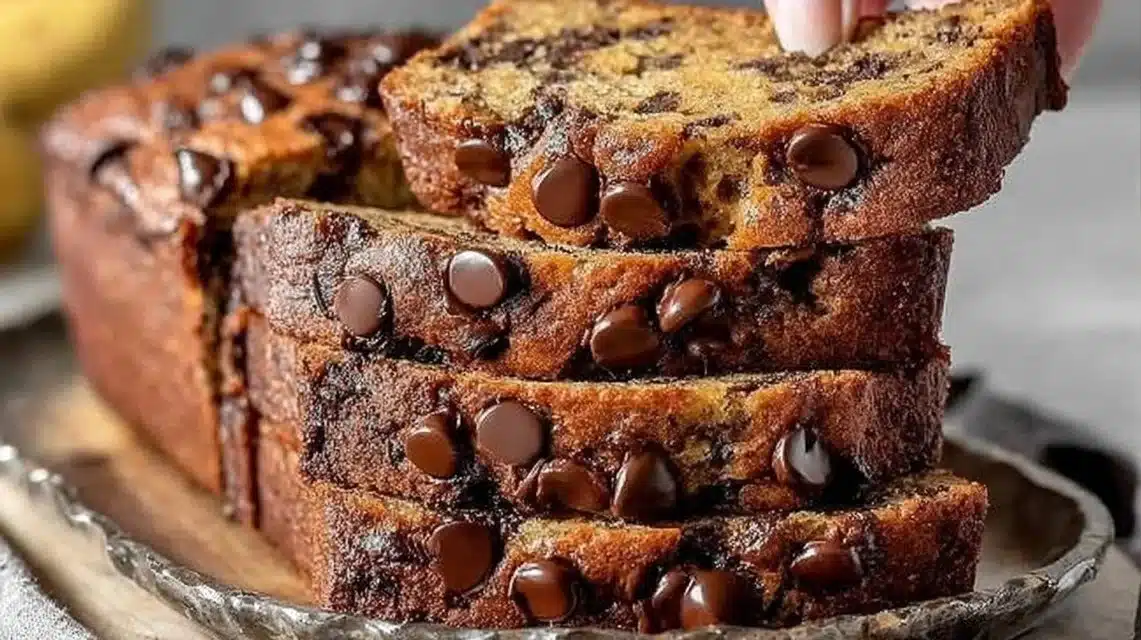
This Super Moist Chocolate Chip Banana Bread is soft, tender, and packed with sweet banana flavor and pockets of melty semi-sweet chocolate. The crumb is moist without being gummy, with a rich buttery finish and a slightly crisp top. It’s an easy one-bowl loaf that mixes quickly, so it’s perfect for busy mornings, a simple dessert, or an afternoon snack. Serve warm slices with a smear of butter or a scoop of vanilla ice cream for a cozy treat. If you want another moist banana option, try our buttermilk version for a different texture and tang: buttermilk banana bread.
Why You’ll Love This Super Moist Chocolate Chip Banana Bread Recipe
- Truly moist crumb thanks to a mix of melted butter and vegetable oil.
- Simple pantry ingredients you likely already have on hand.
- Fast to make — one bowl for wet ingredients and one for dry; very little cleanup.
- Balanced sweetness: granulated sugar plus semi-sweet chips gives great flavor without overpowering the banana.
- Texture contrast: soft interior with a slight crust and melty chocolate pockets.
- Flexible for add-ins — nuts or different chocolate types work well as optional swaps.
- Great for meal prep: freezes and reheats predictably for quick snacks or breakfast.
- Kid-friendly and crowd-pleasing for potlucks, brunch, or after-school treats.
What Is Super Moist Chocolate Chip Banana Bread Recipe?
This recipe is a classic quick bread made with mashed ripe bananas, melted butter, a touch of vegetable oil, and semi-sweet chocolate chips folded into a simple batter. It bakes in a loaf pan until the center is set but still tender, with warm chocolate scattered throughout each slice. The taste is sweet and banana-forward, with chocolate adding richness and textural pops. The method is quick-mix and bake, so the vibe is comforting, homey, and ideal for weekend baking, weeknight desserts, brunch spreads, or a cozy coffee pairing.
Ingredients for Super Moist Chocolate Chip Banana Bread Recipe
Dry ingredients
- 1 & 1/2 cups (180g) all-purpose flour, spoon and leveled
- 1 teaspoon baking soda
- 1/2 teaspoon salt
Wet ingredients
- 1/2 cup (1 stick / 115g) unsalted butter, melted and cooled slightly
- 1/4 cup (60mL) vegetable oil
- 3/4 cup (150g) granulated sugar
- 2 large eggs, at room temperature
- 1 teaspoon pure vanilla extract
- 1 & 1/2 cups (360g) mashed ripe bananas (about 3–4 medium bananas)
Mix-ins
- 1 cup (170g) semi-sweet chocolate chips
Ingredient Notes (Substitutions, Healthy Swaps)
- Butter + Oil: The combination keeps the loaf moist and gives flavor. You can use all butter or all oil, but keep total fat roughly the same if substituting.
- Sugar: Granulated sugar gives structure and caramel notes. For a slightly darker flavor, swap half the granulated sugar for light brown sugar (optional).
- Flour: All-purpose flour is best for this texture. For a slightly denser loaf, use 100% whole wheat pastry flour, but expect a change in taste and color.
- Bananas: Use very ripe bananas with brown spots — they mash easily and are sweetest. If bananas are under-ripe, the flavor and moisture will suffer.
- Chocolate chips: Semi-sweet works well; swap for dark or milk chocolate chips to change sweetness. You can reduce chips slightly if you want less chocolate in each bite.
- Eggs: For egg-free, try a tested egg substitute (like flax eggs), but texture will change; not recommended if you want the same moist crumb.
Step-by-Step Instructions
Step 1 – Prep and preheat
Preheat your oven to 350°F (175°C). Grease a 9×5-inch loaf pan or line it with parchment paper, leaving an overhang for easy removal.
Step 2 – Combine dry ingredients
In a small bowl, whisk together the flour, baking soda, and salt. Set aside.
Visual cue: the mixture should look uniformly pale with no clumps.
Step 3 – Mix the wet base
In a large bowl, combine the melted butter, vegetable oil, and granulated sugar. Whisk until smooth. Add the eggs one at a time, then whisk in the vanilla. Mix in the mashed bananas until the mixture is homogenous.
Visual cue: batter will shine slightly from the melted butter and oil and smell strongly of banana.
Step 4 – Combine wet + dry
Add the dry ingredients to the wet ingredients and fold gently until just combined. Sprinkle in the chocolate chips and fold once or twice to distribute evenly. Take care not to overmix.
Pro cue: stop mixing when no streaks of flour remain; slight lumps are okay.
Step 5 – Bake
Pour the batter into the prepared loaf pan and smooth the top. Bake in the center of your preheated oven for 50–60 minutes, or until a skewer inserted into the center comes out with a few moist crumbs (some melted chocolate on the skewer is fine). If the loaf browns too quickly, loosely tent with aluminum foil and continue baking until cooked through.
Pro cue: if the top is golden but the center is still wet after 50 minutes, tent with foil and continue for 5–10 minutes more.
Step 6 – Cool and serve
Cool the bread in the loaf pan until slightly warm or room temperature. Use the parchment overhang to lift the loaf out, slice, and serve. Warm slices briefly in the microwave for a chocolate-melty treat.
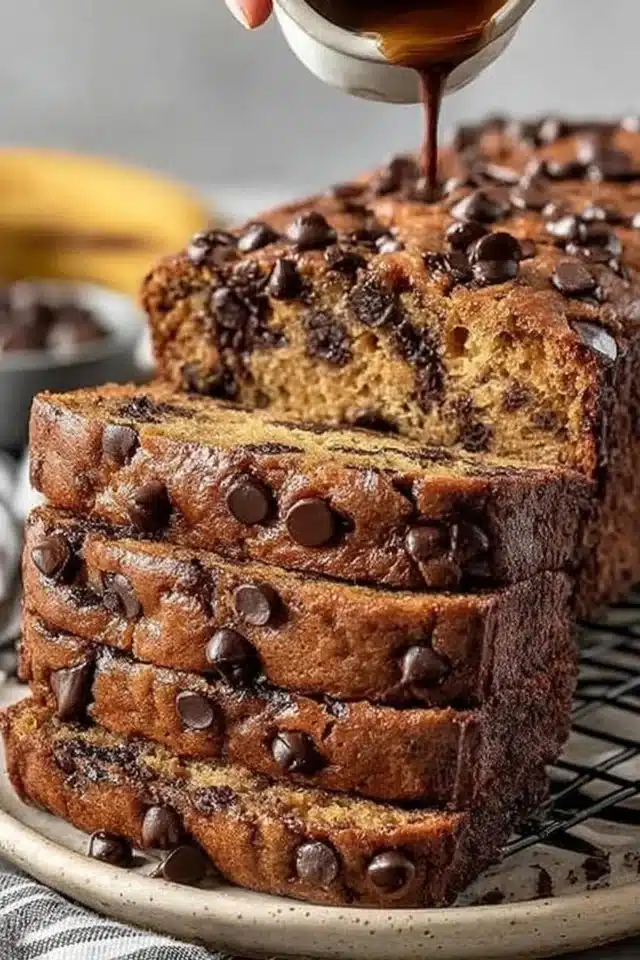
Pro Tips for Success
- Use very ripe bananas for the best flavor and natural sweetness. Brown spots = ideal.
- Measure flour by spooning it into the cup and leveling; do not pack it. Too much flour makes the loaf dry.
- Melt butter and let it cool a few minutes so it doesn’t cook the eggs when mixed.
- Mix until just combined to keep the crumb tender. Overmixing develops gluten and makes bread tough.
- Check doneness with a skewer in the center; a few moist crumbs are perfect. If skewer has raw batter, bake longer.
- Let the loaf cool before slicing for cleaner slices; the crumb sets as it cools.
- For even chocolate distribution, toss chips in a tablespoon of flour before folding in—this helps them stay suspended.
Flavor Variations
- OPTIONAL — Walnut Banana Bread: Fold in 1/2 cup chopped walnuts for crunch.
- OPTIONAL — Peanut Butter Swirl: Drop tablespoons of peanut butter on top of the batter and swirl with a knife prior to baking.
- OPTIONAL — Cinnamon Banana Bread: Add 1 teaspoon ground cinnamon to the dry ingredients for warm spice notes.
- OPTIONAL — Mixed Chips: Use half milk and half dark chocolate chips to vary sweetness and texture.
- OPTIONAL — Fruit Boost: Fold in 1/2 cup blueberries or chopped strawberries for a fruity twist (use fresh or well-drained frozen).
Serving Suggestions
- Serve warm with a dab of butter or cream cheese.
- Slice and toast lightly; top with nut butter for a filling breakfast.
- Pair with coffee, tea, or a glass of cold milk.
- Top a warm slice with vanilla ice cream for an easy dessert.
- Pack slices for school lunches or office snacks—wrap tightly to retain moisture.
- Arrange on a brunch board with fresh fruit and yogurt for guests.
Make-Ahead, Storage & Reheating
- Make-ahead: You can mix the dry ingredients and keep them in an airtight container; mash bananas and store in the fridge for 24 hours if needed. Assembled batter should be baked fresh for best rise.
- Refrigerator storage: Store cooled slices in an airtight container in the fridge for up to 4 days. The chill firms the crumb slightly but keeps it fresh.
- Reheating: Warm slices in a microwave for 12–20 seconds or in a toaster oven at 300°F for 5–8 minutes. For best melt, warm until chocolate softens. Expect the crumb to firm a bit after refrigeration; reheating restores softness.
Storage and Freezing Instructions
- To freeze whole: Wrap the completely cooled loaf tightly in plastic wrap and then aluminum foil. Freeze for up to 3 months. Thaw overnight in the fridge or at room temperature for a few hours.
- To freeze slices: Place parchment between slices and store in a freezer-safe bag for up to 3 months. Thaw single slices in the microwave for 20–30 seconds.
- Note: Freezing preserves moisture but may slightly change texture; reheat slices gently to revive softness.
Nutrition Facts (Per Serving)
Calories | Protein | Carbs | Fat | Fiber | Sodium
— | —: | —: | —: | —: | —:
~393 kcal | ~4.6 g | ~49 g | ~21 g | ~2.2 g | ~240 mg
Estimates vary by brands and portions.
FAQ About Super Moist Chocolate Chip Banana Bread Recipe
Q: Why is my banana bread too dense?
A: Likely overmixing or too much flour. Fold until just combined and spoon/level flour rather than packing.
Q: Why did the top brown too fast but the center is raw?
A: Oven too hot or loaf placed too high. Tent with foil and move to center rack. Lower oven temperature by 25°F next time if it recurs.
Q: Can I use less sugar?
A: Yes — reduce up to 1/4 cup, but expect a less sweet bread and less caramelization on top.
Q: Can I make this in a muffin tin?
A: Yes. Bake at 350°F for 18–22 minutes for standard muffins; check with a skewer.
Q: How ripe should bananas be?
A: Very ripe — lots of brown spots or fully brown skins. They mash easily and taste sweeter.
Q: Can I substitute plant-based butter or egg replacer?
A: You can try, but texture will change. Use tested vegan swaps if needed; results may be less tender.
TastyInspo Notes
- For even slices, chill the loaf for 30–45 minutes before cutting.
- Brush the top with a bit of melted butter right after baking for extra shine and flavor.
- For a pretty presentation, dust with powdered sugar or drizzle a simple glaze (optional).
- Use a serrated knife and a gentle sawing motion for clean slices.
- Serve a thin slice as a palate-pleasing sweet course after a savory dinner.
Troubleshooting
Issue: Bread collapsed in the middle.
Fix: Underbaked center or oven door opened too often. Bake until skewer shows a few moist crumbs and don’t open the door in early stages.
Issue: Bread is dry.
Fix: Reduce flour, don’t overmix, ensure bananas are ripe, and don’t overbake.
Issue: Batter too runny.
Fix: Over-ripe bananas can add excess moisture — measure mashed bananas by cup. If very watery, add a tablespoon or two of flour.
Issue: Chocolate sinks to the bottom.
Fix: Toss chips in a little flour before folding in to help suspend them.
Issue: Bitter aftertaste.
Fix: Using too-dark chocolate or burnt sugar from overheating can cause bitterness. Use quality semi-sweet chips and watch oven temperature.
Issue: Burned edges with raw middle.
Fix: Oven hot spots or too small pan. Use center rack, tent with foil, and check pan size.
Final Thoughts
This Super Moist Chocolate Chip Banana Bread is reliable, simple, and always satisfying — a go-to when you have ripe bananas and a few pantry staples. The mix of butter and oil gives the loaf its signature tenderness, and the chocolate chips make it feel indulgent without fuss. Bake one today and enjoy warm slices with your favorite spread. For another reliable moist chocolate chip banana take, check this version for inspiration: MOIST Chocolate Chip Banana Bread – Butternut Bakery.
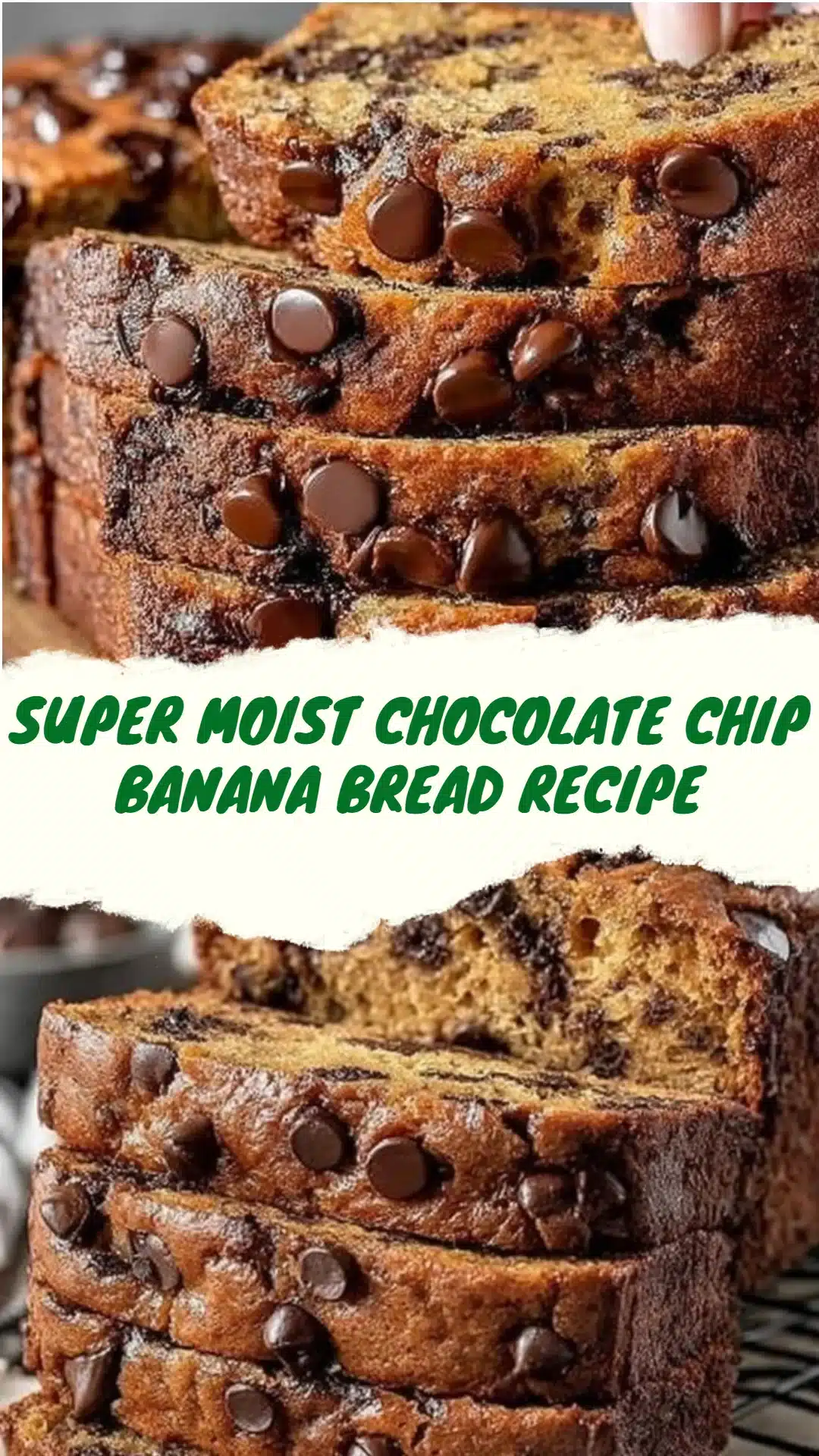
Super Moist Chocolate Chip Banana Bread

This banana bread is soft, tender, and filled with sweet banana flavor and pockets of melty semi-sweet chocolate, making it a perfect treat for breakfast or snack time.
Dry Ingredients
- 1.5 cups all-purpose flour, spoon and leveled (Measure flour by spooning it into the cup and leveling; do not pack it.)
- 1 teaspoon baking soda
- 0.5 teaspoon salt
Wet Ingredients
- 0.5 cup unsalted butter, melted and cooled slightly (Let the melted butter cool before mixing with the eggs.)
- 0.25 cup vegetable oil (Combines with butter to keep the loaf moist.)
- 0.75 cup granulated sugar (Can substitute half with light brown sugar.)
- 2 large eggs, at room temperature
- 1 teaspoon pure vanilla extract
- 1.5 cups mashed ripe bananas (about 3–4 medium bananas) (Use very ripe bananas for best flavor.)
Mix-ins
- 1 cup semi-sweet chocolate chips (Can substitute with dark or milk chocolate chips.)
Preparation
- Preheat your oven to 350°F (175°C). Grease a 9×5-inch loaf pan or line it with parchment paper, leaving an overhang for easy removal.
- In a small bowl, whisk together the flour, baking soda, and salt. Set aside.
Mix the Wet Ingredients
- In a large bowl, combine the melted butter, vegetable oil, and granulated sugar. Whisk until smooth.
- Add the eggs one at a time, whisking in the vanilla. Mix in the mashed bananas until homogenous.
Combine Ingredients
- Add the dry ingredients to the wet mixture and fold gently until just combined.
- Sprinkle in the chocolate chips and fold once or twice to distribute evenly. Be careful not to overmix.
Baking
- Pour the batter into the prepared loaf pan and smooth the top. Bake for 50–60 minutes, or until a skewer inserted into the center comes out with a few moist crumbs.
- If the loaf browns too quickly, loosely tent with aluminum foil and continue baking until cooked through.
Cooling and Serving
- Allow the bread to cool in the pan until slightly warm or at room temperature.
- Lift the loaf out using the parchment overhang, slice, and serve. For a chocolate-melty treat, warm slices briefly in the microwave.
Use very ripe bananas for best flavor and sweetness. Adjust baking time based on your oven for perfect doneness.
8. Snickerdoodle Banana Bread Recipe (Super Moist & Easy)
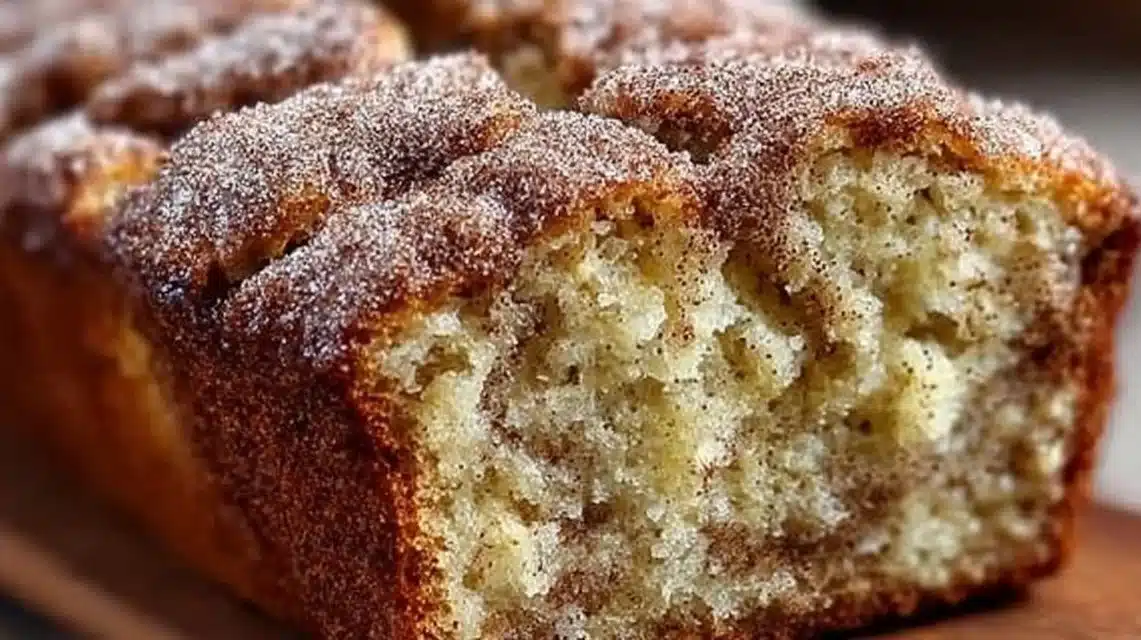
This Snickerdoodle Banana Bread blends the warm cinnamon spice of a snickerdoodle cookie with moist, sweet banana bread. Expect a soft crumb, cinnamon-sugar crust, and a gentle banana flavor that never overpowers. It’s an easy, one-loaf bake that works for breakfast, snack time, or a simple dessert. Mix wet and dry separately, fold together, sprinkle the cinnamon-sugar topping, then bake — no special tools needed. For a quick serving, slice and toast lightly with a pat of butter or a smear of cream cheese.
Why You’ll Love This Snickerdoodle Banana Bread Recipe
- Classic snickerdoodle cinnamon flavor meets moist banana bread in one loaf.
- Uses simple pantry ingredients you likely already have.
- Hands-off baking: mix, pour, top, and bake — minimal fuss.
- Soft crumb with a crisp cinnamon-sugar top for contrast.
- Flexible: add nuts or chocolate chips without changing technique.
- Works for breakfast, brunch, school lunches, or a cozy snack.
- Uses ripe bananas, so it’s a great way to avoid waste.
What Is Snickerdoodle Banana Bread Recipe?
This Snickerdoodle Banana Bread is a banana loaf flavored with ground cinnamon and finished with a cinnamon-sugar topping that gives it a cookie-like crust. It tastes like a warm cinnamon cookie crossed with classic banana bread: sweet banana, buttery crumb, and a bright cinnamon note. The cooking method is simple: mix wet ingredients, whisk dry ingredients, combine with milk, pour into a loaf pan, sprinkle the cinnamon-sugar topping, and bake until a toothpick comes out clean. The overall vibe is cozy comfort food — perfect for weeknight baking, easy brunch spreads, or an on-the-go breakfast. For more banana bread ideas, try a variation like a banana bread with buttermilk to compare textures.
Ingredients for Snickerdoodle Banana Bread Recipe
For the Base
- 3 ripe bananas, mashed
- ½ cup granulated sugar
- ¼ cup brown sugar
- ½ cup unsalted butter, melted
- 2 eggs
- 1 teaspoon vanilla extract
- 1 ¾ cups all-purpose flour
- 1 teaspoon baking powder
- ½ teaspoon baking soda
- ½ teaspoon salt
- 1 teaspoon ground cinnamon
- ¼ cup milk
Cinnamon-Sugar Topping
- 2 tablespoons granulated sugar
- 1 teaspoon ground cinnamon
Ingredient Notes (Substitutions, Healthy Swaps)
- Bananas: Use very ripe bananas with brown spots for best sweetness and moisture. Slightly green bananas will reduce sweetness.
- Sugar: For a lower-sugar loaf, reduce granulated sugar to 1/3 cup and brown sugar to 2 tablespoons; expect a less sweet result.
- Butter: Swap melted butter for the same amount of neutral oil (canola or vegetable) for a slightly lighter crumb.
- Milk: Use any dairy or plant milk (almond, oat) in the same amount. If using unsweetened plant milk, flavor will be slightly different.
- Flour: All-purpose flour is best. For a denser loaf, swap up to ¼ cup for whole wheat flour. Do not replace all flour with gluten-free blends unless the blend is formulated 1:1 for all-purpose substitution.
- Eggs: For egg-free baking, try 2 mashed banana substitutes? (Optional) — or use commercial egg replacer following package directions; texture will be different.
- Salt: Don’t skip salt; it balances sweetness and brings out banana flavor.
Step-by-Step Instructions
Step 1 – Preheat and prepare pan
Preheat oven to 350°F (175°C). Grease and flour a loaf pan or line with parchment paper. This prevents sticking and helps you lift the loaf out cleanly after baking.
Visual cue: The pan should be fully coated but not dripping with grease.
Step 2 – Mash bananas and mix wet ingredients
In a large mixing bowl, mash the 3 ripe bananas until mostly smooth. Add ½ cup granulated sugar, ¼ cup brown sugar, ½ cup melted unsalted butter, 2 eggs, and 1 teaspoon vanilla extract. Stir until combined and glossy.
Step 3 – Whisk dry ingredients
In a separate bowl whisk together 1 ¾ cups all-purpose flour, 1 teaspoon baking powder, ½ teaspoon baking soda, ½ teaspoon salt, and 1 teaspoon ground cinnamon until evenly mixed. This keeps leavening distributed so the loaf rises evenly.
Step 4 – Combine wet and dry, add milk
Gradually add the dry ingredients to the wet banana mixture, alternating with the ¼ cup milk. Mix until just combined — do not overmix. A few streaks of flour are fine; overmixing makes the bread tough.
Pro cue: Batter should be thick but pourable. If too stiff, add a tablespoon of milk at a time.
Step 5 – Pour, top, and bake
Pour batter into the prepared loaf pan and smooth the top. Mix 2 tablespoons granulated sugar with 1 teaspoon ground cinnamon, then sprinkle evenly over the batter. Bake 50–60 minutes, or until a toothpick inserted into the center comes out clean or with a few moist crumbs.
Pro cue: If the top browns too quickly, tent foil over the loaf for the last 10–15 minutes.
Step 6 – Cool and serve
Let the bread rest in the pan for 10 minutes, then transfer to a wire rack to cool completely before slicing. Cooling helps set the crumb and makes slicing neater.
Visual cue: The loaf will release slightly from the pan edges when ready to transfer.
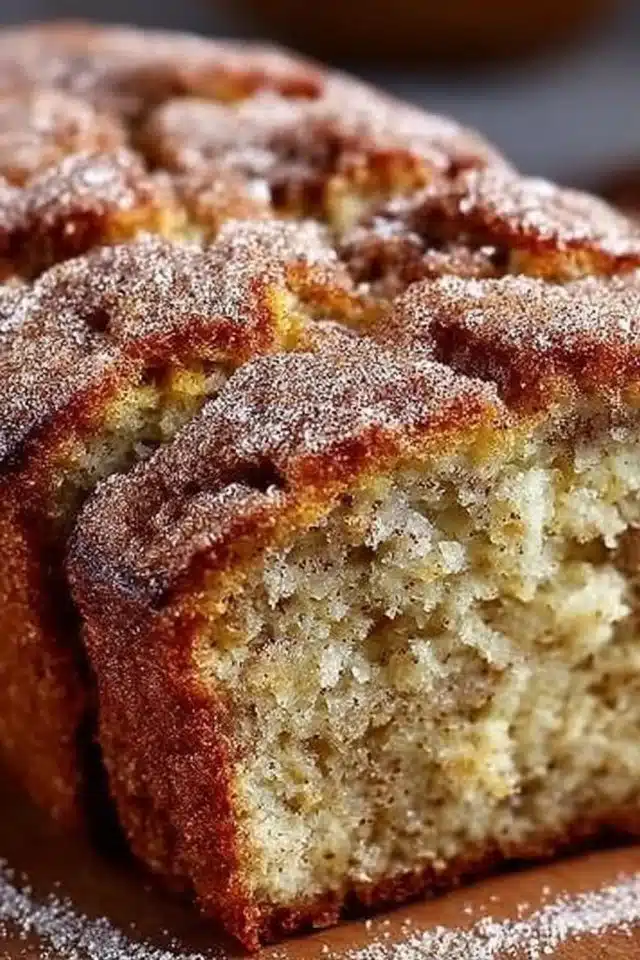
Pro Tips for Success
- Use very ripe bananas (soft with brown spots) for best sweetness and moisture.
- Measure flour by spooning into the cup and leveling off to avoid a dry, dense loaf.
- Melt butter and let it cool slightly before adding eggs to avoid scrambling.
- Don’t overmix after adding flour — stir until just combined for a tender crumb.
- Rotate the pan halfway through baking if your oven has hot spots.
- Check doneness with a toothpick in the center; a few moist crumbs are better than wet batter.
- Tent with foil if top browns too quickly.
- Let it cool at least 10 minutes in the pan to prevent tearing when you remove it.
Flavor Variations
- Optional: Chocolate Chip Snickerdoodle — fold in 1/2 to 3/4 cup semisweet chocolate chips to the batter.
- Optional: Walnut or Pecan — stir in 1/2 cup chopped nuts for crunch. Toast nuts lightly for more flavor.
- Optional: Maple Cinnamon — swap 2 tablespoons of granulated sugar for 2 tablespoons maple syrup and reduce milk by 1 tablespoon.
- Optional: Spiced — add 1/4 teaspoon nutmeg and 1/4 teaspoon ginger with the cinnamon for deeper spice notes.
- Optional: Cream Cheese Swirl — dollop softened cream cheese mixed with 1 tablespoon sugar and swirl before topping with cinnamon sugar.
Serving Suggestions
- Serve warm with a pat of butter or a smear of cream cheese for breakfast.
- Slice and toast lightly; top with a little honey or jam for a sweet start.
- Pair with a hot cup of coffee or chai for a cozy snack.
- Add a scoop of vanilla ice cream for a simple dessert.
- Pack slices in lunchboxes with fruit for a balanced midday treat.
- Serve on a brunch table alongside yogurt, fruit, and granola.
Make-Ahead, Storage & Reheating
- Make-ahead: You can mix the dry ingredients and mash bananas a day ahead; store separately in the fridge and combine before baking. Batter is best baked fresh.
- Storage (room temp): Store wrapped at room temperature for up to 2 days.
- Storage (fridge): Keep in an airtight container in the fridge for up to 5 days. The fridge preserves freshness but may dry the loaf slightly.
- Reheating: Reheat slices in a toaster or oven at 325°F (160°C) for 5–8 minutes, or microwave a slice for 12–20 seconds. Toasting restores crisp edges and warms the crumb.
- Texture changes: Refrigeration firms the crumb and may reduce perceived moisture; gentle reheating brings back softness.
Storage and Freezing Instructions
- To freeze whole loaf: Wrap tightly in plastic wrap, then in foil. Freeze up to 3 months. Thaw overnight in the fridge and reheat before serving.
- To freeze slices: Place parchment between slices and store in a freezer-safe bag for easy single-serve thawing. Use within 2–3 months for best texture.
- Avoid freezing with toppings that are overly wet (like a syrup) — the cinnamon-sugar top freezes okay. If you expect long storage, wrap twice to prevent freezer burn.
- If you prefer not to freeze: Bake smaller loaves or muffins to avoid long-term storage.
Nutrition Facts (Per Serving)
Calories | Protein | Carbs | Fat | Fiber | Sodium
— | —: | —: | —: | —: | —:
~265 kcal | ~4 g | ~38 g | ~12 g | ~2 g | ~200 mg
Estimates vary by brands and portions.
FAQ About Snickerdoodle Banana Bread Recipe
Q: My batter seems too thick — what did I do wrong?
A: You may have added too much flour. Fold in 1 tablespoon milk at a time until batter is the right consistency.
Q: The bread is undercooked in the center but browned on top. How to fix?
A: Lower oven temperature by 25°F and bake longer; tent the top with foil to prevent further browning.
Q: Can I make muffins instead of a loaf?
A: Yes. Fill muffin cups two-thirds full and bake 16–22 minutes at 350°F until a toothpick is clean.
Q: Can I use less sugar?
A: Yes. Reduce sugar amounts, but expect a less sweet and slightly denser loaf.
Q: My loaf is dry — what happened?
A: Overbaking or too much flour can dry it. Check oven temp accuracy and measure flour correctly.
Q: Can I add mix-ins like nuts or chocolate?
A: Yes. Fold in up to 3/4 cup of chips or nuts without changing baking time much.
TastyInspo Notes
- Sprinkle extra cinnamon-sugar right after the loaf comes out for a glossy, slightly crackled top.
- For even slices, chill the loaf 20–30 minutes before slicing.
- Toast leftover slices for a quick texture boost and a caramelized edge.
- Use a serrated knife and a gentle sawing motion for clean slices.
- If serving for brunch, pair with sliced fresh pears or a citrus salad to cut the sweet richness.
Troubleshooting
- Bland flavor: Add a little more cinnamon (up to 1 ¼ tsp) or a pinch more salt to brighten taste.
- Soggy center: Underbaked or too many wet mix-ins; bake longer and check with a toothpick.
- Crumb too dense: Overmixing or too much flour; mix gently and measure flour by spooning then leveling.
- Top burns: Oven too hot or placed on a high rack; move rack lower and tent with foil.
- Loaf collapses: Oven door opened too early or too little leavening; avoid opening door and check baking powder date.
- Too sweet: Reduce granulated sugar and brown sugar next time by 1/4 cup combined.
Conclusion
This Snickerdoodle Banana Bread is easy, comforting, and full of warm cinnamon flavor with a soft banana crumb and a crisp cinnamon-sugar top. It’s a great way to use ripe bananas and makes a lovely slice for breakfast, snack, or dessert. For another take on moist banana loaves and ideas, see this tried recipe on Snickerdoodle Banana Bread Recipe – Shugary Sweets for inspiration and comparison. 
Snickerdoodle Banana Bread

This Snickerdoodle Banana Bread combines the flavors of a classic snickerdoodle cookie with moist banana bread for a deliciously cozy treat.
For the Base
- 3 pieces ripe bananas, mashed (Use very ripe bananas with brown spots for best sweetness and moisture.)
- ½ cup granulated sugar (For a lower-sugar loaf, reduce to 1/3 cup.)
- ¼ cup brown sugar (For a lower-sugar loaf, reduce to 2 tablespoons.)
- ½ cup unsalted butter, melted (Can be substituted with neutral oil for a lighter crumb.)
- 2 pieces eggs (For egg-free baking, use 2 mashed bananas or commercial egg replacer.)
- 1 teaspoon vanilla extract
- 1 ¾ cups all-purpose flour (For a denser loaf, replace up to ¼ cup with whole wheat flour.)
- 1 teaspoon baking powder
- ½ teaspoon baking soda
- ½ teaspoon salt (Essential for balancing sweetness.)
- 1 teaspoon ground cinnamon
- ¼ cup milk (Any dairy or plant-based milk can be used.)
Cinnamon-Sugar Topping
- 2 tablespoons granulated sugar
- 1 teaspoon ground cinnamon
Preparation
- Preheat oven to 350°F (175°C). Grease and flour a loaf pan or line with parchment paper.
- In a large mixing bowl, mash the ripe bananas until mostly smooth. Add granulated sugar, brown sugar, melted butter, eggs, and vanilla extract. Stir until combined.
- In a separate bowl, whisk together flour, baking powder, baking soda, salt, and ground cinnamon.
- Gradually add the dry ingredients to the wet mixture, alternately adding milk, until just combined.
Baking
- Pour the batter into the prepared loaf pan and smooth the top.
- For the topping, mix granulated sugar with cinnamon and sprinkle over the batter.
- Bake for 50-60 minutes, until a toothpick comes out clean.
- Let the bread cool in the pan for 10 minutes, then transfer to a wire rack to cool completely.
Serve warm with butter or cream cheese. For variations, add chocolate chips, nuts, or spices.
9. Banana Bread Recipe with Buttermilk: Ultimate Moist
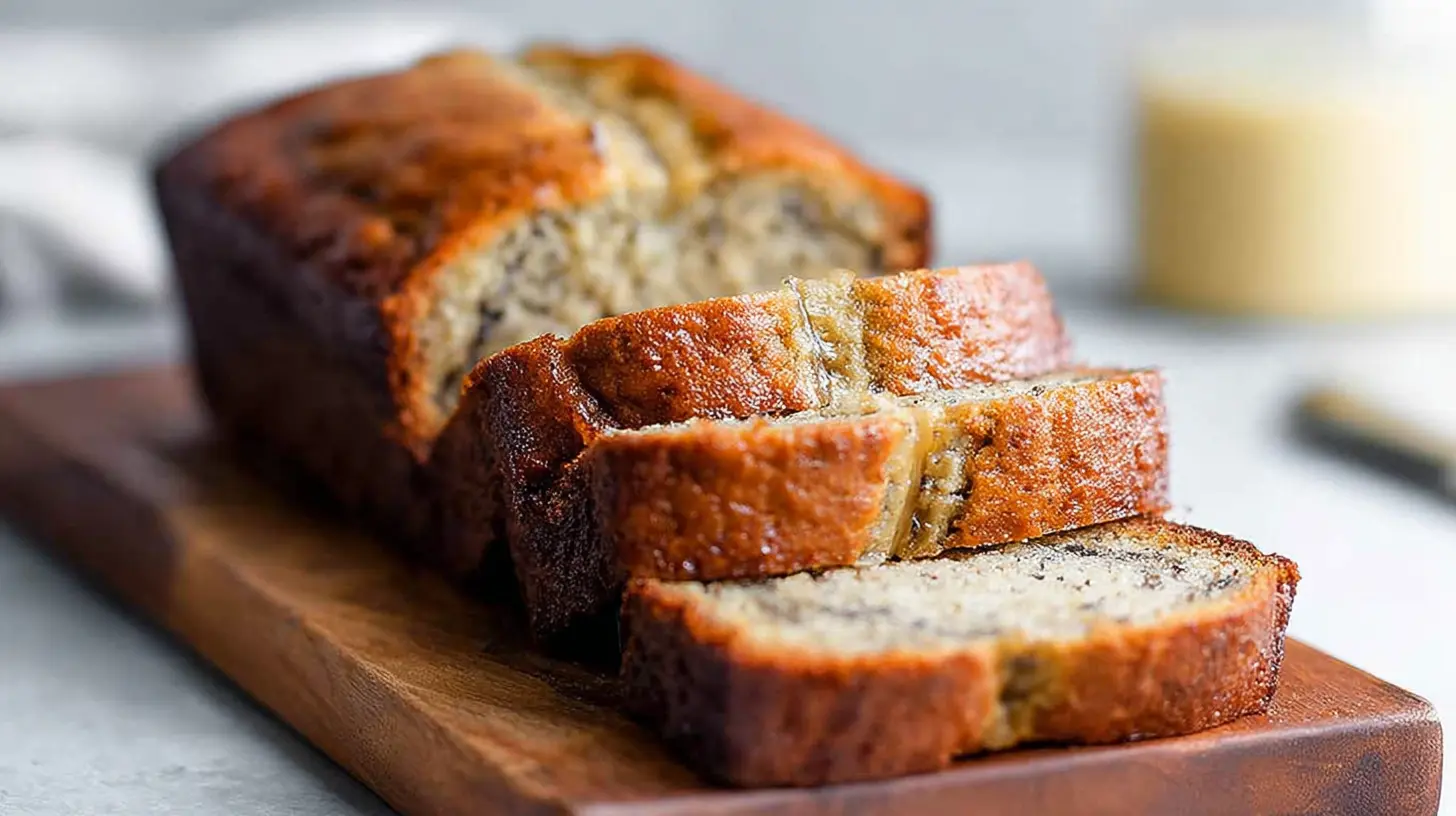
This banana bread recipe with buttermilk gives you two generous loaves with a plush, cake-like crumb, deep banana flavor, and a shiny top that gently cracks as it cools. It leans on two simple techniques: a low oven temperature for even baking and buttermilk for extra tenderness. You’ll cream butter and sugar for lift, fold in very ripe bananas, and alternate dry ingredients with buttermilk so everything blends smoothly without overmixing. The result is a reliable, family-friendly quick bread that’s perfect for breakfasts, snacks, lunchboxes, or as a sweet ending after dinner.
Why You’ll Love This Banana Bread Recipe with Buttermilk
- Ultra-moist crumb: Buttermilk’s gentle acidity tenderizes the batter and locks in moisture so slices stay soft for days.
- Two loaves, one bowl flow: The recipe makes two 9×5-inch loaves, ideal for sharing, gifting, or freezing for later.
- Low and slow bake: Baking at 300°F (150°C) minimizes doming and prevents the outer edges from drying out before the center sets.
- Banana-forward flavor: A full measure of ripe bananas gives natural sweetness and aroma—no fancy ingredients required.
- Flexible: Stir in toasted nuts or chocolate chips, bake as mini loaves or muffins, or add warm spices for a cozy twist.
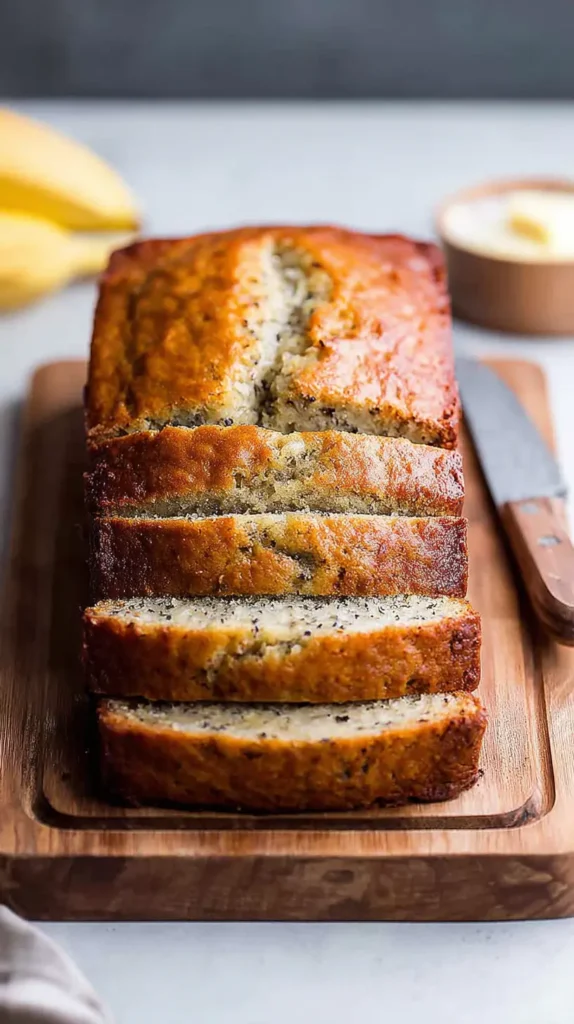
Ingredients for Banana Bread Recipe with Buttermilk
Batter (Makes 2 Loaves)
- 3 cups (360 g) all-purpose flour
- 1 teaspoon baking powder
- 1 teaspoon baking soda
- 1 teaspoon kosher salt (use ¾ tsp if using fine salt)
- ½ cup (113 g) unsalted butter, room temperature
- 2 cups (400 g) granulated sugar
- 2 large eggs, room temperature
- 2¼ cups mashed very ripe bananas (about 5 medium bananas)
- 1 cup (240 ml) buttermilk, well shaken
- 1–2 teaspoons pure vanilla extract (optional but adds bakery-style aroma)
Optional Mix-Ins
- 1 cup chopped nuts (toasted walnuts or pecans)
- ¾–1 cup chocolate chips or chunks
Pan Prep: Butter and line two 9×5-inch (23×13 cm) loaf pans with parchment, leaving a 2-inch overhang for easy lifting.
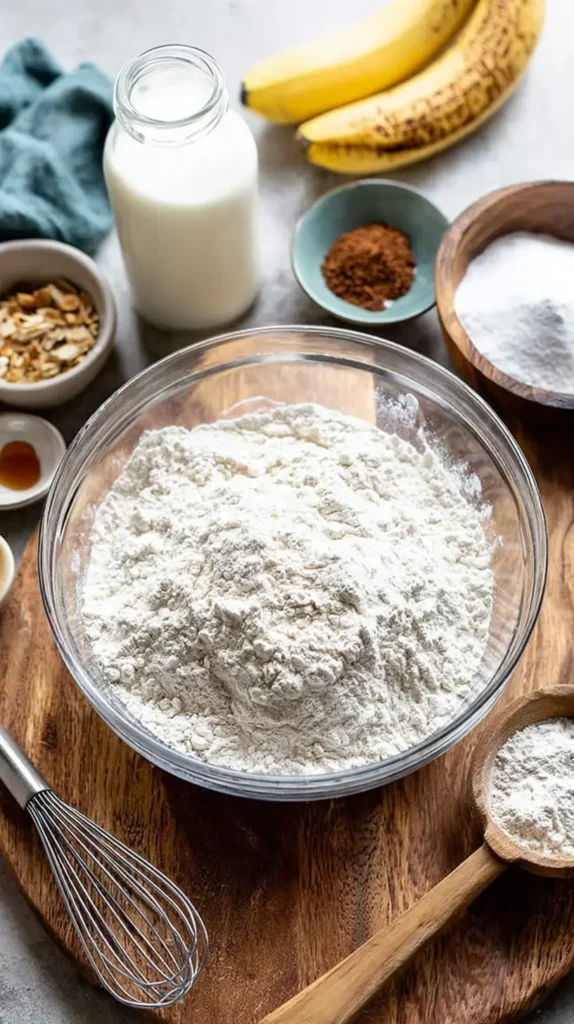
Ingredient Notes (Substitutions & Helpful Tips)
- Bananas: The riper, the better. Deeply speckled or mostly brown peels signal higher natural sugars and softer texture. Measure after mashing to get the full 2¼ cups. If you’re short, add a few tablespoons of plain yogurt to make up moisture.
- Buttermilk: Its acidity tenderizes gluten and balances sweetness. If you’re out, combine 1 cup milk with 1 tablespoon lemon juice, stir, and rest 5 minutes. It won’t be exactly the same as cultured buttermilk, but it works well in quick breads.
- Butter vs. oil: Butter brings structure and flavor while keeping this loaf plush. Prefer an even softer crumb? Replace 2–4 tablespoons of the butter with neutral vegetable oil.
- Sugar: Granulated sugar keeps crumb color lighter and clean. For a hint of caramel warmth, swap ¼–⅓ of the sugar for light brown sugar.
- Flour: Stick with all-purpose. Bread flour gets chewy; cake flour can be overly delicate.
- Leavening: Fresh baking powder and baking soda are crucial. If they’re older than 6 months, test or replace for best rise.
- Vanilla & spices: Vanilla is optional but lovely. If you enjoy warm notes, add ½ teaspoon cinnamon; keep it light so banana leads.
Step-by-Step Instructions
Step 1 – Prep the Pans and Oven
Heat the oven to 300°F (150°C). Butter two 9×5-inch loaf pans. Line each with a parchment sling and lightly butter the parchment. This prevents sticking and makes cooling and slicing neater.
Step 2 – Combine the Dry Ingredients
In a medium bowl, whisk flour, baking powder, baking soda, and salt until evenly blended. If using nuts, stir them into the dry mix now to coat—this helps keep them from sinking.
Step 3 – Cream Butter and Sugar
In a large mixing bowl (hand mixer or stand mixer), beat butter on medium speed until smooth, 30–45 seconds. Add sugar and cream until pale and slightly fluffy, about 2–3 minutes. This step traps tiny air bubbles for a lighter crumb.
Step 4 – Add Eggs, Vanilla, and Bananas
Beat in the eggs one at a time, scraping the bowl. Mix in vanilla if using. Add the mashed bananas and mix just until evenly distributed. The mixture may look slightly curdled; that’s normal when combining bananas with creamed butter.
Step 5 – Alternate Dry Ingredients and Buttermilk
With the mixer on low, add one-third of the dry mixture, then half the buttermilk, then another third of dry, the remaining buttermilk, and the final third of dry. Stop mixing as soon as the flour disappears. Overmixing toughens quick breads.
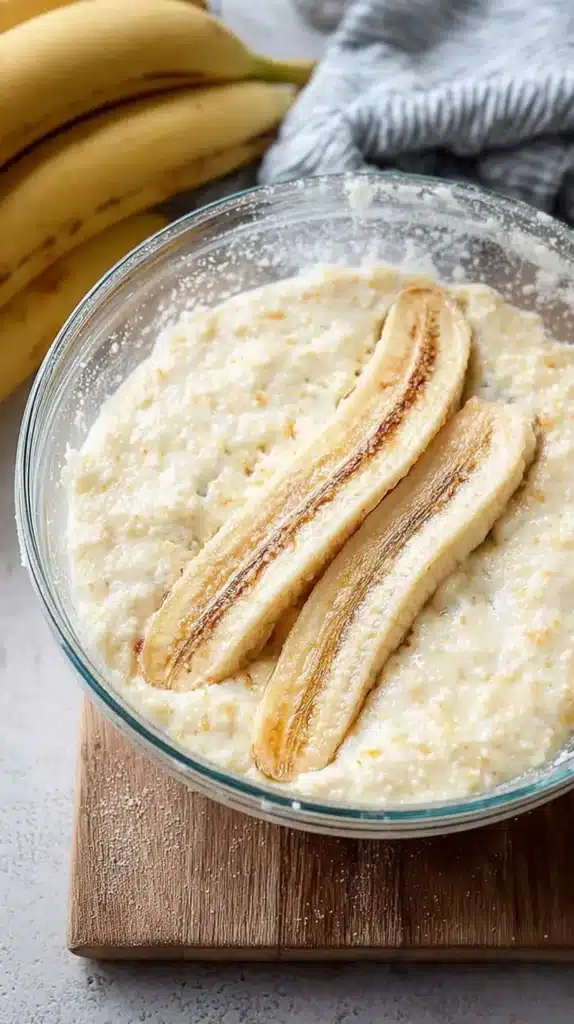
Step 6 – Fold in Optional Mix-Ins
If adding nuts or chocolate, fold them in gently with a spatula. Scrape down the sides and bottom of the bowl to make sure the batter is uniform.
Step 7 – Portion and Bake
Divide the batter evenly between the prepared pans and smooth the tops. Bake on the center rack at 300°F (150°C) for about 60–70 minutes. Begin checking at 55 minutes. A toothpick inserted in the center should come out with a few moist crumbs (or an instant-read thermometer reads 195–200°F / 90–93°C).
Step 8 – Cool, Slice, and Enjoy
Let the loaves cool in their pans for 15 minutes, then lift them out using the parchment. Transfer to a rack and cool at least 1 hour before slicing. The flavor and texture are even better the next day.
Pro Tips for Success
- Use truly ripe bananas. Dark, spotty bananas bring maximum aroma and sweetness. If yours are yellow and firm, place unpeeled bananas on a baking sheet and warm at 300°F (150°C) for 12–20 minutes until blackened and soft. Cool, drain any excess liquid, and mash.
- Measure with care. Spoon flour into the measuring cup and level with a straight edge (or weigh at 360 g). Too much flour is the #1 reason quick breads turn dry.
- Keep mixing gentle. Once flour is in, use low speed and stop as soon as the batter looks uniform. Overmixing deflates air bubbles and makes a dense loaf.
- Prevent a gummy center. Bake at the listed temperature (not higher), use the center rack, and test the middle of the loaf. If the top browns too fast, tent loosely with foil near the end.
- Let it rest. Cooling sets the crumb so slices cut cleanly. If you can, wrap the cooled loaf and rest overnight—the banana flavor blooms by day two.
- Slice smart. Use a long serrated knife and gentle sawing motions. For neat slices, chill the loaf for 20–30 minutes first.
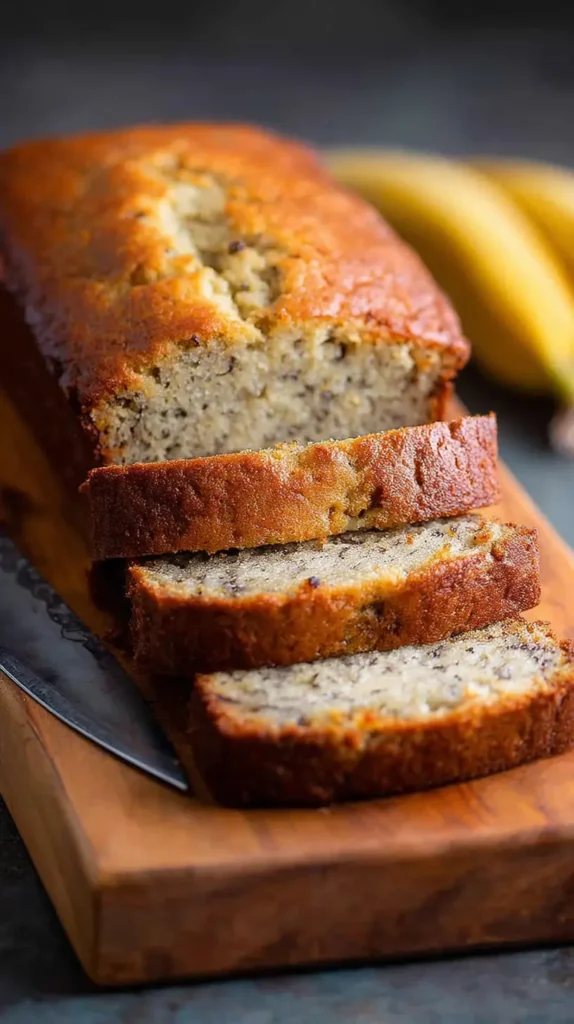
Flavor Variations (3–5 Ideas)
- Toasted Walnut Crunch
Fold 1 cup toasted chopped walnuts into the batter. Toasting nuts (350°F/175°C for about 7–9 minutes) enhances their aroma and keeps them crunchy in the moist crumb. - Chocolate Chip Delight
Stir in ¾–1 cup chocolate chips or chunks. To avoid sinking, toss chips with a teaspoon of the dry mixture before folding into the batter. - Cinnamon-Swirl Ribbon
Mix 2 tablespoons sugar with 1 teaspoon cinnamon. Pour half the batter into each pan, sprinkle with the cinnamon sugar, then add remaining batter and lightly swirl with a knife. - Coconut Accent
Fold ½ cup unsweetened shredded coconut into the batter for a subtle tropical note and a touch of chew. - Mini Loaves or Muffins
For mini loaves, fill pans two-thirds full and start checking at 28–35 minutes. For muffins, bake at 350°F (175°C) for 18–24 minutes (the slightly higher temp helps domes).
Serving Suggestions
- Breakfast Plate: Serve warm slices with a pat of your favorite spread and fresh fruit.
- Snack Time: Pack thick slices for school or work—this loaf travels well and doesn’t crumble.
- Dessert Twist: Warm a slice and top with a scoop of your favorite frozen dessert or a spoonful of yogurt and a drizzle of honey.
- Brunch Board: Pair with fresh berries, a citrus salad, and a pot of tea or coffee for a simple, crowd-pleasing spread.
Storage and Freezing Instructions
- Room Temperature (Best): Wrap cooled loaves tightly or store in an airtight container for 2–3 days.
- Refrigerator: Store tightly wrapped for up to 1 week. Bring slices to room temp or warm briefly in the microwave to restore softness.
- Freeze Whole or Sliced: Wrap in plastic, then foil, and freeze for up to 3 months. For grab-and-go snacks, slice the loaf first and place parchment between slices so they don’t stick. Thaw overnight in the fridge or at room temp for 1–2 hours.
Nutrition Facts (Per Serving)
Estimated for 24 slices total (12 slices per loaf). Values vary with ingredient brands and mix-ins.
| Serving Size | Calories | Protein | Carbs | Fat | Fiber | Sodium |
|---|---|---|---|---|---|---|
| 1 slice (1/24 of recipe) | ~200 | ~3 g | ~32 g | ~7 g | ~1 g | ~170 mg |
FAQ About Banana Bread Recipe with Buttermilk
How ripe should bananas be?
Very ripe—look for heavy speckling or mostly brown peels. As bananas ripen, starches convert into sugars and the fruit softens, which creates a naturally sweet, aromatic loaf with a tender crumb. If your bananas are under-ripe, use the quick oven method or let them ripen on the counter inside a paper bag for a day or two.
Can I use frozen bananas?
Yes. Thaw them in a bowl to catch the juices, then mash everything together. If there’s a lot of liquid, you can drain a tablespoon or two; otherwise, use it all for maximum banana flavor. Frozen bananas are a great way to reduce waste and make banana bread on your schedule.
Why bake at 300°F instead of 350°F?
Lower heat gives the batter more time to rise and set evenly. It keeps the edges from drying out before the center is done, so you get a moist crumb from edge to middle. If you prefer a slightly taller dome and darker crust, you can bake at 325°F (165°C) and begin checking around 55 minutes.
How do I prevent dense or gummy banana bread?
Measure flour accurately, don’t overmix after the flour goes in, and bake until the center is done. Let the loaves cool in the pan for 15 minutes, then finish cooling on a rack. Cutting too soon can make the crumb look underdone even when it’s baked properly.
Can I reduce the sugar?
You can reduce the sugar by ¼–½ cup and still keep good texture. Expect a slightly less tender crumb and gentler browning. Another option is to swap a portion of granulated sugar for light brown sugar for a warmer flavor without lowering sweetness too much.
What if I don’t have buttermilk?
Use 1 cup milk + 1 tablespoon lemon juice; stir and rest for 5 minutes. This quick sour milk brings helpful acidity and moisture. Cultured buttermilk gives the most tender texture, but this swap is a solid stand-in.
Can I add nuts or chocolate?
Absolutely. Fold in 1 cup toasted nuts or ¾–1 cup chips at the end. If adding both, keep the total mix-ins to about 1–1½ cups so the batter still bakes evenly.
How do I scale the recipe?
You can halve it to make a single loaf. Keep the oven at 300°F (150°C) and start checking around 55 minutes. For muffins, bake at 350°F (175°C) for 18–24 minutes.
Why did my loaf crack on top?
A gentle crack is normal and desirable—it’s where steam escapes as the batter rises. Large, deep cracks can point to overfilled pans or a too-hot oven. Use the recommended pan size and temperature for best results.
What’s the best way to slice cleanly?
Cool the loaf completely, then use a long serrated knife and a light sawing motion. For ultra-neat slices, chill the loaf for 20–30 minutes before cutting.
Final Thoughts
This banana bread recipe with buttermilk is a keeper: easy steps, everyday ingredients, and dependable results that feel bakery-quality without fuss. Buttermilk and a low bake deliver a soft, even crumb that stays moist for days, while ripe bananas provide signature flavor in every bite. Whether you keep it classic or add your favorite mix-ins, you’ll have two beautiful loaves—one to enjoy now, one to gift or freeze for later. Bake it once, and you’ll have a new house favorite.
Banana Bread Recipe with Buttermilk
This banana bread recipe with buttermilk delivers two moist, banana-rich loaves with a tender crumb and bakery-style flavor. Thanks to buttermilk, creamed butter, and a gentle bake, each slice stays soft and flavorful for days—perfect for breakfast, snack, or dessert.
Batter (Makes 2 Loaves)
- 3 cups all-purpose flour
- 1 teaspoon baking powder
- 1 teaspoon baking soda
- 1 teaspoon kosher salt (use ¾ tsp if using fine salt)
- 0.5 cup unsalted butter (room temperature)
- 2 cups granulated sugar
- 2 large eggs (room temperature)
- 2.25 cups mashed very ripe bananas (about 5 medium bananas)
- 1 cup buttermilk (well shaken)
- 1 teaspoon pure vanilla extract (optional)
Step 1 – Prep the pans and oven: Preheat oven to 300°F (150°C). Butter two 9×5-inch loaf pans and line with parchment slings. Lightly butter the parchment.
Step 2 – Combine dry ingredients: In a medium bowl, whisk together flour, baking powder, baking soda, and salt until well blended.
Step 3 – Cream butter and sugar: In a large bowl, beat butter until smooth. Add sugar and cream for 2–3 minutes until pale and fluffy.
Step 4 – Add eggs, vanilla, and bananas: Beat in eggs one at a time. Mix in vanilla and mashed bananas until combined (the mixture may look slightly curdled).
Step 5 – Alternate dry ingredients and buttermilk: On low speed, add ⅓ of the dry mix, then ½ the buttermilk, repeating until all is added. Stop mixing as soon as just combined.
Step 6 – Fold in optional mix-ins: If using nuts or chocolate chips, fold them in gently with a spatula.
Step 7 – Portion and bake: Divide batter evenly between pans. Bake for 60–70 minutes at 300°F (150°C), or until a toothpick comes out with moist crumbs.
Step 8 – Cool and serve: Cool in pans for 15 minutes, then lift out with parchment. Cool on a rack for 1 hour before slicing.
You can add toasted nuts, chocolate chips, or a cinnamon-sugar swirl for extra flavor. The loaves also freeze well—wrap tightly and store for up to 3 months.
10. Lemon Blueberry Sourdough Bread: Fresh, Bright & Wonderful
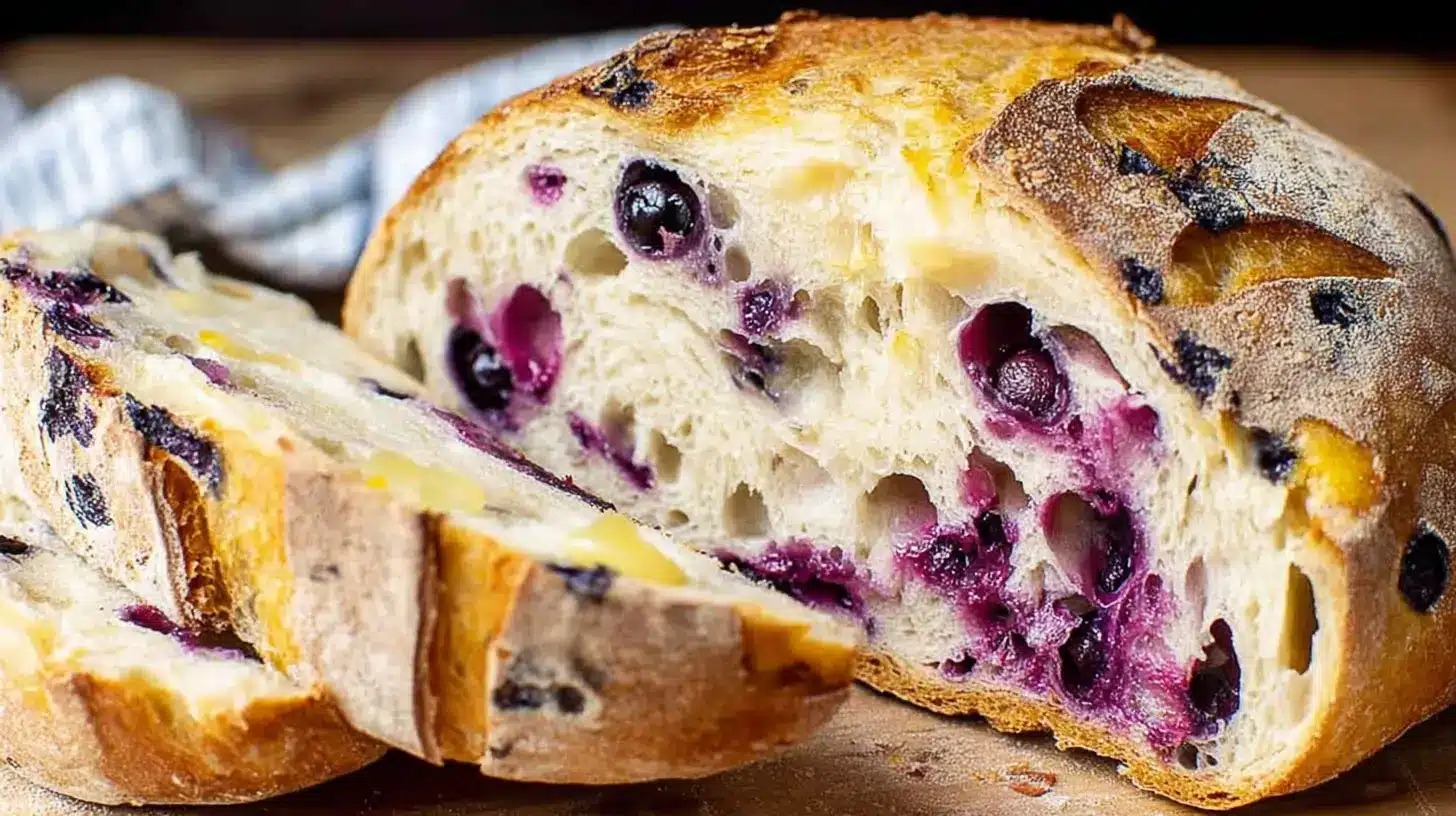
Lemon Blueberry Sourdough Bread pairs a classic artisan loaf with sunny citrus and jammy berries. You’ll build a lively dough, strengthen it with gentle folds, laminate in lemon zest and blueberries so they’re beautifully distributed, then cold-proof overnight for deep flavor. The next day, the boule bakes inside a blazing-hot Dutch oven for dramatic oven spring and a glossy, golden crust. Slice into it and you’ll see a tender, custardy crumb ribboned with purple-blue pockets and perfumed with lemon—equally perfect for breakfast toast, afternoon tea, or a giftable centerpiece loaf.
Why You’ll Love This Lemon Blueberry Sourdough Bread
- Bright, natural flavor: Fresh lemon zest perfumes the dough while blueberries burst into jammy pockets.
- Stunning look: A golden ear on top and speckled cross-section make this loaf irresistibly photogenic.
- Great texture: A thin, crisp crust yields to a soft, moist crumb thanks to proper gluten development and steam.
- Make-ahead friendly: The long, cold proof builds flavor while you sleep and fits any schedule.
- Versatile serving: Toast with a swipe of creamy spread, pair with fruit, or turn leftovers into French toast.
- Reliable method: Clear cues (“watch the dough”) help you adapt to your flour, climate, and starter.
What Is Lemon Blueberry Sourdough Bread?
Lemon Blueberry Sourdough Bread is an artisan-style loaf naturally leavened with active sourdough starter, then layered with fresh lemon zest and blueberries. Instead of kneading add-ins at the start (which can smash berries and tear gluten), you’ll laminate them late in bulk fermentation: stretch the dough into a thin sheet, scatter zest and berries, and fold it like a letter. This keeps the gluten strong and the fruit mostly intact. A long, cool proof allows the dough to ferment slowly and evenly. Baked in a ripping-hot Dutch oven, the loaf traps steam for maximum rise and a blistered, shiny crust. The result is a balanced bread—tart-sweet and aromatic—that feels special without being fussy.
Lemon Blueberry Sourdough Bread

Lemon Blueberry Sourdough Bread combines a classic crusty artisan loaf with vibrant lemon zest and juicy blueberry pockets. Baked in a Dutch oven after an overnight cold proof, it delivers a tender, airy crumb, golden crust, and a bright aroma that makes every slice irresistible—perfect for breakfast toast, tea time, or a standout brunch centerpiece.
Levain/Starter & Base Dough
- 160 g active sourdough starter (100% hydration) (bubbly and doubling reliably)
- 400 g strong white bread flour (≥12–13% protein)
- 240 g room-temperature water (hold back 10–20 g if needed)
- 1 tsp fine sea salt
- 1 tbsp granulated sugar (optional for tenderness and browning)
Mix-Ins
- 2 lemons, zested (avoid white pith)
- 150 g fresh blueberries (small and firm)
Dusting
- 2 tbsp rice flour or all-purpose flour (for dusting banneton and handling)
Step 1 – Build starter: Feed your sourdough starter 6–12 hours before mixing until bubbly and doubled.
Step 2 – Autolyse: Mix flour and 220–230 g water until shaggy. Cover and rest 30–60 minutes.
Step 3 – Mix dough: Add starter, salt, and sugar. Mix using stretch-and-fold or slap-and-fold method until smooth and elastic. Add remaining water if needed.
Step 4 – Bulk fermentation: Ferment at warm room temp (75–78°F/24–26°C) for 3–5 hours. Do 3–4 coil folds in the first 2 hours, spaced 30–40 minutes apart.
Step 5 – Laminate: Stretch dough on a damp surface into a thin rectangle. Scatter zest and blueberries, then fold like a letter. Return to container seam side down. Rest 20–30 minutes. Optionally, do one gentle coil fold if dough is slack.
Step 6 – Finish bulk: Let dough rise until 40–60% more in volume. A poke should rebound slowly with a soft indent.
Step 7 – Pre-shape: Turn out dough, shape a loose round, and rest 15–20 minutes uncovered.
Step 8 – Final shape: Form a tight boule and place seam-up into a floured banneton.
Step 9 – Cold proof: Cover and refrigerate 12–18 hours (or up to 24).
Step 10 – Preheat & score: Preheat Dutch oven to 480°F/250°C for 45–60 minutes. Invert dough onto parchment, score ¼–½ inch deep slash.
Step 11 – Bake: Bake covered 20 min at 480°F, then uncovered 18–25 min at 435°F/225°C until golden and internal temp reaches 205–210°F.
Step 12 – Cool: Let loaf cool completely on a rack for 1½–2 hours before slicing.
Use fresh blueberries and zest only—no juice—to preserve gluten strength. Avoid overproofing after lamination. The long cold proof enhances flavor and crust. For variations, try swapping some berries with raspberries or adding vanilla with zest. For best slices, use a serrated knife after full cooling.
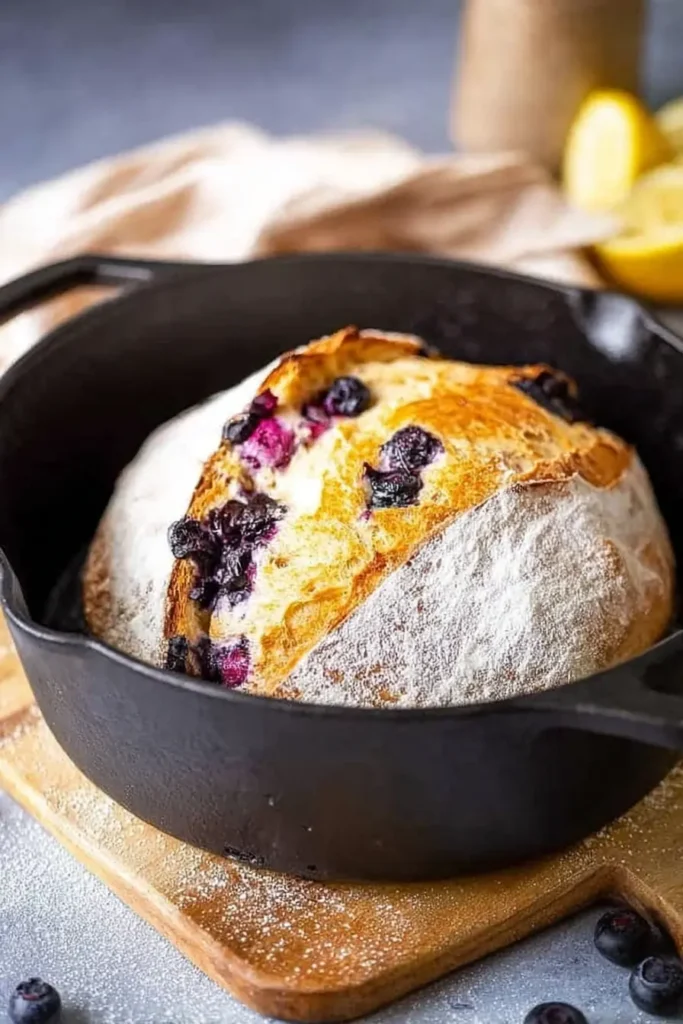
Ingredients for Lemon Blueberry Sourdough Bread
Levain/Starter & Base Dough
- 160 g active sourdough starter (100% hydration; bubbly and doubling reliably)
- 400 g strong white bread flour (≥ 12–13% protein)
- 240 g room-temperature water (hold back 10–20 g if your flour hydrates less)
- 1 tsp fine sea salt
- 1 Tbsp granulated sugar (optional but helps tenderness and browning)
Mix-Ins
- Zest of 2 lemons (finely grated; avoid white pith)
- 150 g fresh blueberries (small, firm berries ideal; see Notes if using frozen)
Dusting
- Rice flour or all-purpose flour for banneton and handling
Yield: One medium boule (about 800–850 g baked weight).
Ingredient Notes (Smart Substitutions & Tips)
- Bread flour vs. all-purpose: High-protein bread flour supports fruit and gives taller structure. If using all-purpose, reduce water by 10–15 g and be gentle during folds.
- Starter hydration: A 100% hydration starter (equal parts water and flour by weight) gives an open but controlled crumb. If your starter is thicker or thinner, adjust the dough water a touch to keep a soft, tacky feel—not soupy.
- Sugar: Optional, but a tablespoon softens the crumb and boosts browning without making the loaf “sweet.”
- Lemons: Zest only; juice weakens gluten and slows fermentation. If you want extra lemon aroma, rub zest into the sugar before mixing to release oils.
- Blueberries: Fresh, firm berries bleed less and sit neatly in the crumb. If using frozen, do not thaw; dust lightly in flour and add straight from the freezer during lamination. Expect a slightly more marbled interior.
- Whole-wheat variation: Swap up to 100 g of bread flour with white whole wheat for nuttiness; add 5–10 g more water if dough feels tight.
- Salt: Don’t skimp; it strengthens gluten and balances fruit sweetness.
Step-by-Step Instructions
Step 1 – Build or wake up your starter
Feed your starter 6–12 hours before mixing so it peaks when you’re ready. It should smell mildly sweet-tangy, look airy with many bubbles, and float in water when a small spoonful is tested.
Step 2 – Autolyse (hydrate flour)
In a large bowl, mix 400 g flour and 220–230 g water until no dry bits remain. The dough will look shaggy. Cover and rest 30–60 minutes. Autolyse hydrates flour and kickstarts gluten formation, which means less mixing later and better extensibility for lamination.
Step 3 – Mix in starter, salt, and sugar
Add 160 g active starter, 1 tsp salt, 1 Tbsp sugar. Pinch and fold until well incorporated, then perform 5–8 minutes of “stretch and fold in the bowl” or gentle slap-and-fold on the counter until the dough is smoother and cohesive. If it’s very stiff, add the last 10–20 g water gradually. You’re aiming for a soft, elastic dough that pulls from the bowl but is still tacky.
Step 4 – Bulk fermentation with strength-building folds
Transfer dough to a lightly oiled, clear-sided container. Ferment warm (ideally 75–78°F / 24–26°C) for 3–5 hours, depending on starter strength and room temp. During the first 2 hours, perform 3–4 sets of coil folds every 30–40 minutes:
- To coil fold: With wet hands, lift the dough from the center; the ends will drape down. Tuck the ends underneath so the dough folds over itself. Rotate the container and repeat. You’ll feel it tighten each round.
Step 5 – Laminate and add lemon + blueberries
When the dough has gained notable elasticity and some gas (about 60–70% through bulk), laminate:
- Lightly mist a clean counter with water. Ease the dough out and gently stretch into a large rectangle without tearing (as thin as you can without resistance).
- Evenly scatter the lemon zest and blueberries over the surface. If using frozen berries, dust them in a teaspoon of flour first.
- Fold the dough like a tri-fold letter from top to center, bottom to center, then left to center and right to center. You’ve now trapped and distributed the mix-ins.
- Return dough to the container, seam down. Rest 20–30 minutes, then do one gentle coil fold to re-tension (optional if dough still feels robust).
Step 6 – Finish bulk (watch the dough)
Let the dough rise until it looks airy, domed at the edges, and has grown about 40–60% in volume. Poke test: a damp finger pressed ½ inch should spring back slowly, leaving a soft impression. Overproofing risks tearing where berries sit, so err slightly under rather than over.
Step 7 – Pre-shape and bench rest
Turn dough onto a lightly floured counter. With a bench knife, tuck edges to form a loose round, creating light surface tension. Rest 15–20 minutes, uncovered, to relax the gluten.
Step 8 – Final shape
Dust a banneton with rice flour. Using your bench knife and floured hands, shape a tight boule:
- Flip dough (sticky side up). Fold top third down, sides to center, then roll from top to bottom to form a taut ball.
- Spin gently against the counter to tighten the “skin.” Place seam-up in the banneton.
Step 9 – Cold proof (retard)
Cover and refrigerate 12–18 hours (up to 24–36 if your fridge is cold and starter is lively). The dough will slowly rise and firm up, making scoring easier and flavor deeper.
Step 10 – Preheat and score
Place a Dutch oven with lid on the center rack and preheat to 480°F / 250°C for 45–60 minutes. Cut a piece of parchment long enough to act as a sling. Invert the cooled dough onto parchment, dust lightly with flour, and score a confident ¼–½ inch deep slash from top to bottom at a slight angle (a “grigne” score). This controls expansion and gives that signature ear.
Step 11 – Bake with steam, then color
Carefully lower the dough (on parchment) into the hot pot. Cover and bake 20 minutes at 480°F / 250°C. Reduce to 435°F / 225°C, uncover, and bake 18–25 minutes more until the crust is deeply golden and the loaf registers 205–210°F / 96–99°C internal. If the bottom darkens too fast, slide the loaf off the parchment onto the oven rack for the last 5 minutes.
Step 12 – Cool completely
Move the loaf to a rack and cool at least 1½–2 hours before slicing. The crumb finishes setting as it cools. Cutting too early compresses the structure and can smear the berry pockets.
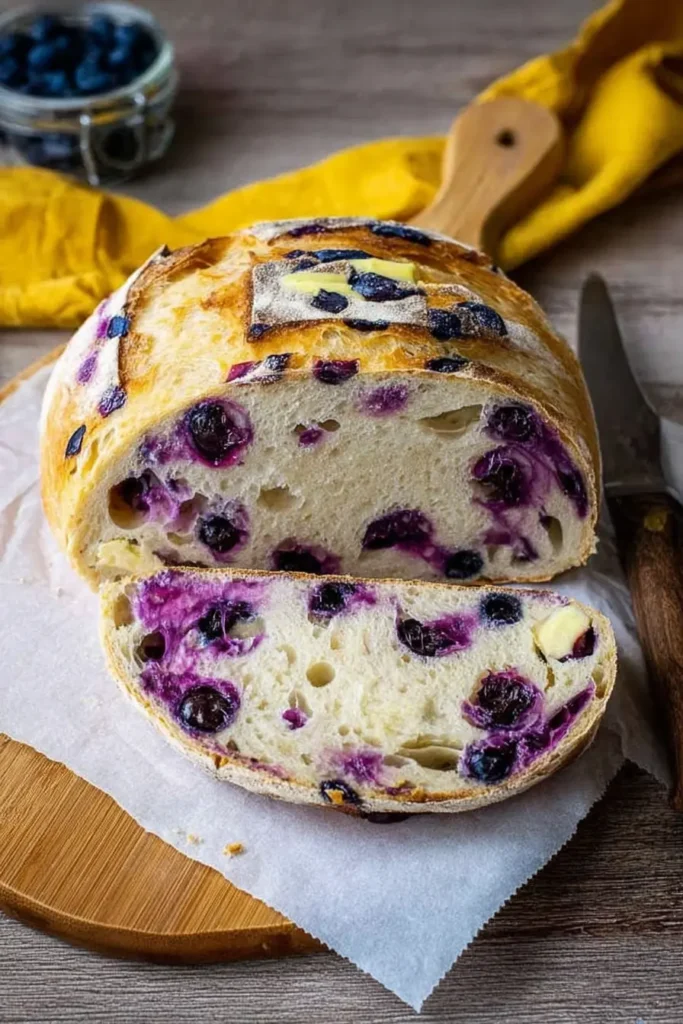
Pro Tips for Success
- Temperature is your steering wheel: Warmer kitchens shorten bulk; cooler rooms extend it. Use water that keeps dough in the 75–78°F zone after mixing.
- Gentle hands with fruit: Avoid mashing berries during lamination. Use small, firm berries and spread them evenly.
- Coil folds early, not late: Build structure in the first half of bulk; after fruit goes in, limit folds to one gentle set if needed.
- Cold proof for flavor and control: It tightens the gluten “skin,” making scoring cleaner and crumb more even around berries.
- Score with confidence: A shallow, hesitant score can cause random ruptures where fruit sits; go a clean ¼–½ inch.
- Listen for the crackle: That soft “song” after baking signals a thin, well-set crust.
- Store correctly: Cut side down on a board, covered loosely with a cotton towel the first day to keep crust crisp; then bag for softness.
Flavor Variations
- Lemon–Vanilla: Rub zest with 1–2 tsp sugar and ½ tsp vanilla bean paste before lamination for bakery-level aroma.
- Triple Berry: Swap half the blueberries with raspberries or blackberries (fresh, firm). Add gently; expect a more marbled crumb.
- Citrus Medley: Use a blend of lemon and orange zest for a rounder citrus profile.
- Almond Crunch: Sprinkle a handful of slivered almonds during lamination and dust crust with a whisper of sugar before baking for a lightly caramelized top.
- Whole-Wheat Kiss: Replace 100 g bread flour with white whole wheat for mild nuttiness; add 5–10 g water if dough tightens.
Serving Suggestions
- Morning toast: Lightly toast and spread with a creamy topping and a drizzle of honey. Add extra lemon zest for fragrance.
- Brunch board: Serve thick slices with fresh berries, yogurt, and a jar of lemon curd-style spread.
- Afternoon pick-me-up: Pair with tea or coffee; the citrus aroma shines as the slice warms.
- Dessert-leaning: Make French toast; the berries caramelize at the edges, and the lemon scent lifts every bite.
- Savory balance: Serve alongside a simple salad or grilled chicken—light, fresh flavors love this bread’s brightness.
Storage and Freezing Instructions
- Day 1–2: Store at room temperature, cut side down on a board, covered with a towel or in a bread bag. Avoid the fridge—it stales the crumb.
- Day 3–4: Slice and freeze in a zip-top bag with parchment between slices. Toast straight from frozen.
- Revive the crust: If the crust softens, place the unsliced loaf in a 350°F (175°C) oven for 8–10 minutes to re-crisp.
Nutrition Facts (Per Slice)
Approximate nutrition for 12 slices per loaf, based on bread flour, blueberries, and lemon zest; values vary by flour brand and hydration.
| Calories | Protein (g) | Carbs (g) | Fat (g) | Fiber (g) | Sodium (mg) |
|---|---|---|---|---|---|
| 155 | 5 | 31 | 1 | 1 | 160 |
Troubleshooting Guide
- Dough spreads after shaping: Likely underdeveloped gluten or too warm/fast bulk. Add one extra coil fold earlier next time; keep dough near 75–78°F and shorten bulk slightly.
- Berries burst and leak excessively: Overhandling during lamination or berries too soft. Use firmer berries; laminate gently; avoid additional folds after adding fruit.
- Weak oven spring: Underproof (too tight) or overproof (structure collapsed) dough; or oven not hot enough. Ensure a full preheat and proof until dough slowly springs back when pressed.
- Gummy interior: Sliced too soon or underbaked. Check internal temp (205–210°F) and cool at least 90 minutes before cutting.
- Dense crumb around fruit pockets: Common with large berries. Use small berries, distribute evenly, and avoid dumping a pile in one area.
- Pale crust: Bake uncovered longer, or increase uncovered phase by 3–5 minutes. A teaspoon of sugar in the dough also encourages color.
FAQ About Lemon Blueberry Sourdough Bread
Can I use frozen blueberries?
Yes. Keep them frozen, toss lightly in a teaspoon of flour, and add during lamination. Expect more color bleed but great flavor.
Can I make this without a Dutch oven?
Use a preheated steel or stone and add steam: a pan of boiling water on a lower rack for the first 15–20 minutes. The loaf won’t spring quite as high as in a sealed pot, but it will still bake beautifully.
How do I know when bulk fermentation is done?
Look for a 40–60% rise, a domed surface, visible small bubbles along the edges, and a slow, soft response to the poke test. Time is a guide; your dough is the truth.
My starter is new—will this still work?
If your starter doubles reliably within 4–6 hours of feeding and smells pleasantly tangy, you’re good. If it lags, give it a week more of consistent feedings before tackling enriched loaves with fruit.
Can I add lemon juice for more flavor?
Skip juice in the dough—it weakens gluten. Boost lemon instead by using extra zest and rubbing it into the sugar to release aromatic oils.
Can I make two smaller loaves?
Yes. Double the formula and divide after bulk. Shape each, proof cold, and bake one at a time. Reduce covered/uncovered bake by a few minutes for the smaller mass.
What flour can I substitute?
A 50/50 mix of bread flour and strong all-purpose works well. For a heartier note, add up to 100 g white whole wheat and increase water as needed.
TastyInspo Notes
- Zest smart: Zest directly over the mixing bowl or sugar so aromatic oils fall where you need them. Rubbing zest into sugar for 30 seconds intensifies lemon fragrance throughout the loaf.
- Lamination calm: Mist the counter, not the dough. A barely damp surface helps stretch the dough thin without sticking or tearing, keeping crumbs open around fruit.
- Chill for control: A long, cool retard not only deepens flavor but also firms fruit-studded dough, making scoring cleaner and maximizing bloom.
- Parchment sling: Cut parchment wider than the loaf so you can lower it safely into the Dutch oven and lift it out without deflating the dough.
- Slice strategy: Use a sharp, serrated knife with light pressure; let the knife do the work to keep berry pockets neat.
- Leftover magic: Day-old slices become superb French toast or sweet croutons for a berry-forward dessert salad.
Final Thoughts
Lemon Blueberry Sourdough Bread takes the timeless pleasure of a crackly artisan loaf and infuses it with bright lemon and juicy berries for a bake that feels both cozy and celebratory. With thoughtful steps—autolyse, gentle strength-building, lamination, and a patient cold proof—you’ll get consistent height, flavor, and texture. Once you’ve made it, you’ll know exactly when your dough looks strong enough to support fruit and how a confident score transforms the bake. Keep lemons, blueberries, and an active starter on hand, and this loaf can anchor lazy brunches, quick breakfasts, and gift baskets all year long.